

What is the First Thing to Do When You See a Snake?
When you encounter a snake, the absolute first thing to do is to stop, remain calm, and assess the situation from a safe distance. This buys you valuable time to avoid a potential bite.

Introduction: Understanding Snake Encounters
Encounters with snakes can be unsettling, but knowing how to react can significantly reduce the risk of injury. Snakes are a vital part of the ecosystem, and most species are not aggressive unless threatened. Understanding their behavior and implementing appropriate safety measures are crucial for peaceful coexistence. The goal isn’t to eradicate snakes but to avoid negative interactions. What is the first thing to do when you see a snake? This article provides expert guidance on navigating these situations safely and responsibly.
Staying Safe: The Core Principles
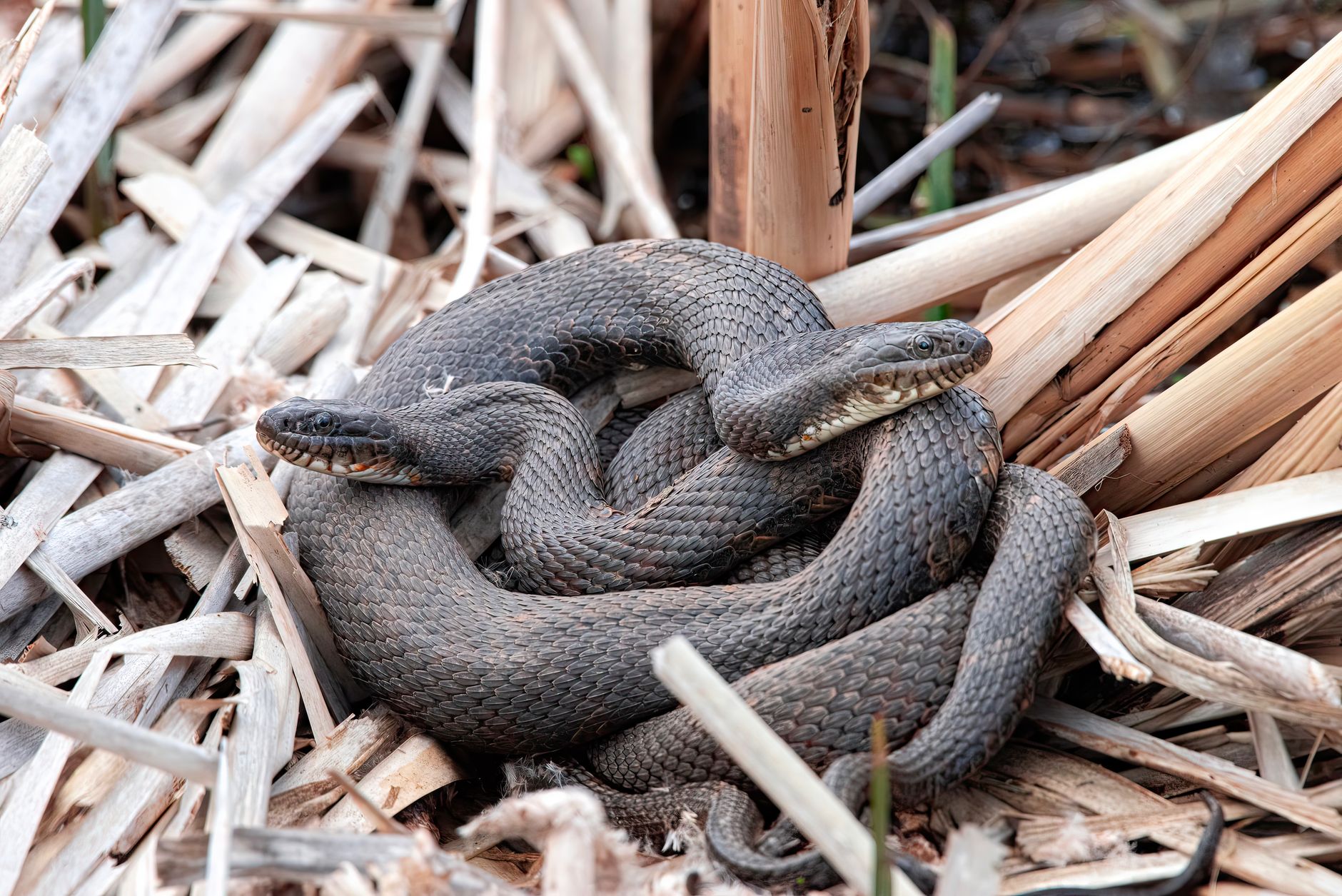
Prioritizing safety is paramount. A calm, measured response is far more effective than panic. Observe the snake’s behavior and surroundings before taking any action. Knowing what not to do is just as important as knowing what to do.
- Maintain Distance: The further you are from the snake, the safer you are.
- Avoid Provocation: Do not attempt to touch, capture, or corner the snake.
- Stay Calm: Panic can lead to poor decisions and increased risk.
The Immediate Response: Step-by-Step
Once you’ve spotted a snake, follow these steps:
- Freeze: Stop moving immediately. Sudden movements can startle the snake.
- Observe: Identify the snake’s location, direction of travel (if any), and any potential hazards in your surroundings.
- Assess: Is the snake displaying aggressive behavior (e.g., coiling, hissing, striking)?
- Retreat (If Necessary): Slowly and carefully back away, maintaining visual contact with the snake.
- Alert Others: Warn people nearby, especially children and pets, about the snake’s presence.
- Call for Assistance (If Needed): If the snake is in a populated area, poses an immediate threat, or if you suspect it’s venomous, contact local animal control or a wildlife removal service.
Identifying the Snake: A Cautious Approach
While identifying the species is helpful, it should be done from a safe distance. Do not approach the snake for a closer look. Use binoculars or a camera with a zoom lens if necessary. Knowing whether a snake is venomous can inform your next steps, but avoid risking a bite to get a better look.
Here are some features to observe from a safe distance:
- Color and Pattern: Note the snake’s overall color, markings, and patterns.
- Head Shape: A triangular head is often (but not always) indicative of a venomous snake.
- Pupil Shape: Elliptical (cat-like) pupils are sometimes associated with venomous snakes.
- Size and Length: Estimate the snake’s approximate size and length.
Common Mistakes to Avoid
- Approaching the Snake: This is the most dangerous mistake. Maintain a safe distance at all times.
- Attempting to Capture or Kill the Snake: This is illegal in many areas and significantly increases the risk of being bitten.
- Ignoring the Snake: Assuming the snake will simply go away is risky. Keep an eye on it until it moves out of the area.
- Misidentifying the Snake: Relying on inaccurate information about snake identification can lead to dangerous decisions.
Preventative Measures: Reducing Encounters
Taking steps to reduce the likelihood of encountering snakes can minimize risk.
- Keep Your Yard Clean: Remove debris, woodpiles, and overgrown vegetation that can provide shelter for snakes.
- Control Rodent Populations: Snakes are attracted to areas with abundant food sources, such as rodents.
- Seal Cracks and Openings: Seal any cracks or openings in your home’s foundation or around pipes to prevent snakes from entering.
- Use Snake Repellents (With Caution): Some snake repellents may be effective, but their effectiveness can vary, and they may pose risks to other animals or the environment.
- Be Aware of Your Surroundings: When hiking or spending time outdoors, be aware of your surroundings and watch where you step. What is the first thing to do when you see a snake? is something you can practice mentally before going on a hike.
Snake Bite First Aid: What To Do
If you are bitten by a snake, seek immediate medical attention. Even if you don’t think the snake is venomous, it’s best to err on the side of caution.
While waiting for medical help, follow these steps:
- Stay Calm: Panic can increase blood flow and worsen the effects of the venom.
- Immobilize the Affected Limb: Keep the bitten limb still and below the level of the heart.
- Remove Jewelry and Tight Clothing: Swelling may occur, so remove any restrictive items.
- Clean the Wound: Wash the bite area with soap and water.
- Do Not Apply a Tourniquet: Tourniquets are generally not recommended for snake bites, as they can cause more harm than good.
- Do Not Try to Suck Out the Venom: This is ineffective and can increase the risk of infection.
- Identify the Snake (If Possible and Safe): If you can safely take a picture of the snake, it may help medical professionals determine the appropriate treatment.
- Get to a Hospital: Arrange for transport to the nearest hospital as quickly as possible.
| Action | Recommendation |
|---|---|
| Staying Calm | Crucial for slowing venom spread |
| Immobilizing the Limb | Minimizes venom circulation |
| Applying Tourniquet | Generally not recommended |
| Seeking Medical Aid | Absolutely essential |

Frequently Asked Questions (FAQs)
What is the first thing to do when you see a snake and you have pets?
The first thing is to immediately restrain your pet (leash or pick them up, if safe) to prevent them from approaching or harassing the snake, which could lead to them being bitten. After securing your pet, then follow the previously outlined steps for human safety.
What should I do if I see a snake inside my house?
Try to confine the snake to a single room by closing doors, if possible. Do not attempt to handle it yourself. Contact animal control or a professional wildlife removal service to safely remove the snake.
Is it safe to try to identify a snake myself?
Identifying a snake is helpful, but only do it from a safe distance. Use binoculars or zoom on a camera. Avoid getting close to the snake, as this increases your risk of being bitten.
Are all snakes venomous?
No, the vast majority of snake species are non-venomous. However, it’s important to treat all snakes with caution and respect and avoid getting close enough to be bitten.
What kind of snakes are common in my backyard?
The species of snakes in your backyard depend on your geographic location. Consult with local wildlife experts or online resources to learn about the common snake species in your area. This knowledge will help you identify any snakes you encounter.
How can I make my yard less attractive to snakes?
Remove potential food sources, like rodents, and eliminate hiding places, such as wood piles, rock piles, and overgrown vegetation. Keeping your yard clean and tidy will reduce the chances of snakes taking up residence.
What should I do if a snake bites me and I don’t know if it’s venomous?
Seek immediate medical attention. It’s always best to err on the side of caution, even if you’re unsure if the snake is venomous. Medical professionals can assess your symptoms and provide the appropriate treatment.
Are snake repellents effective?
The effectiveness of snake repellents varies. Some products may deter snakes, but they’re not always reliable. Furthermore, some repellents can be harmful to other animals and the environment.
What is the best way to remove a snake from my property?
The safest and most effective way to remove a snake from your property is to contact a professional wildlife removal service or animal control. They have the expertise and equipment to handle snakes safely and humanely.
Is it illegal to kill a snake?
In many areas, it is illegal to kill snakes, especially native species. Check your local laws and regulations before taking any action that could harm a snake. Snakes play an important role in the ecosystem.
What are some common signs that a snake is venomous?
Triangular heads and elliptical pupils are often associated with venomous snakes. However, there are exceptions, and these features are not always reliable indicators. It’s best to avoid approaching any snake closely.
What is the first thing to do when you see a snake, and you are alone?
What is the first thing to do when you see a snake? is still the same, even when alone: Stop, remain calm, and assess the situation from a safe distance. However, ensure you also have a phone handy to call for help if the snake is venomous or poses a threat. Communicating your location is also crucial.