

Decoding the Mystery: What Purpose Does a Cat’s Dewclaw Serve?
The enigmatic dewclaw, often referred to as the extra toe bean on a cat, isn’t just a cosmetic feature; it plays a crucial role in gripping, climbing, grooming, and hunting, contributing to a cat’s agility and survival skills.

Cats, with their captivating grace and mysterious allure, are a constant source of fascination. Among their many intriguing features, the dewclaw – that seemingly out-of-place toe bean located higher on their front legs – often sparks curiosity. What is the extra toe bean on a cat for? Is it simply a vestigial appendage, a remnant of evolutionary history with no current purpose? Or does it play a more significant role in a cat’s life? This article delves into the function and importance of the dewclaw, exploring its anatomical structure, biomechanical significance, and behavioral implications.
Anatomy and Location of the Dewclaw
The dewclaw, also known as the pollex on the front paws, is essentially a thumb. While it might appear somewhat detached compared to the other toes, it’s not simply a floating appendage. It is connected to the leg bones by ligaments and muscles, granting it a degree of movement. On the front paws, the dewclaws are present in the vast majority of cats. Rear dewclaws are less common. When present, they can be either firmly attached or very loosely attached to the paw, sometimes little more than a flap of skin with a claw attached. Rear dewclaws are more prone to injury.
Functionality and Purpose of the Dewclaw
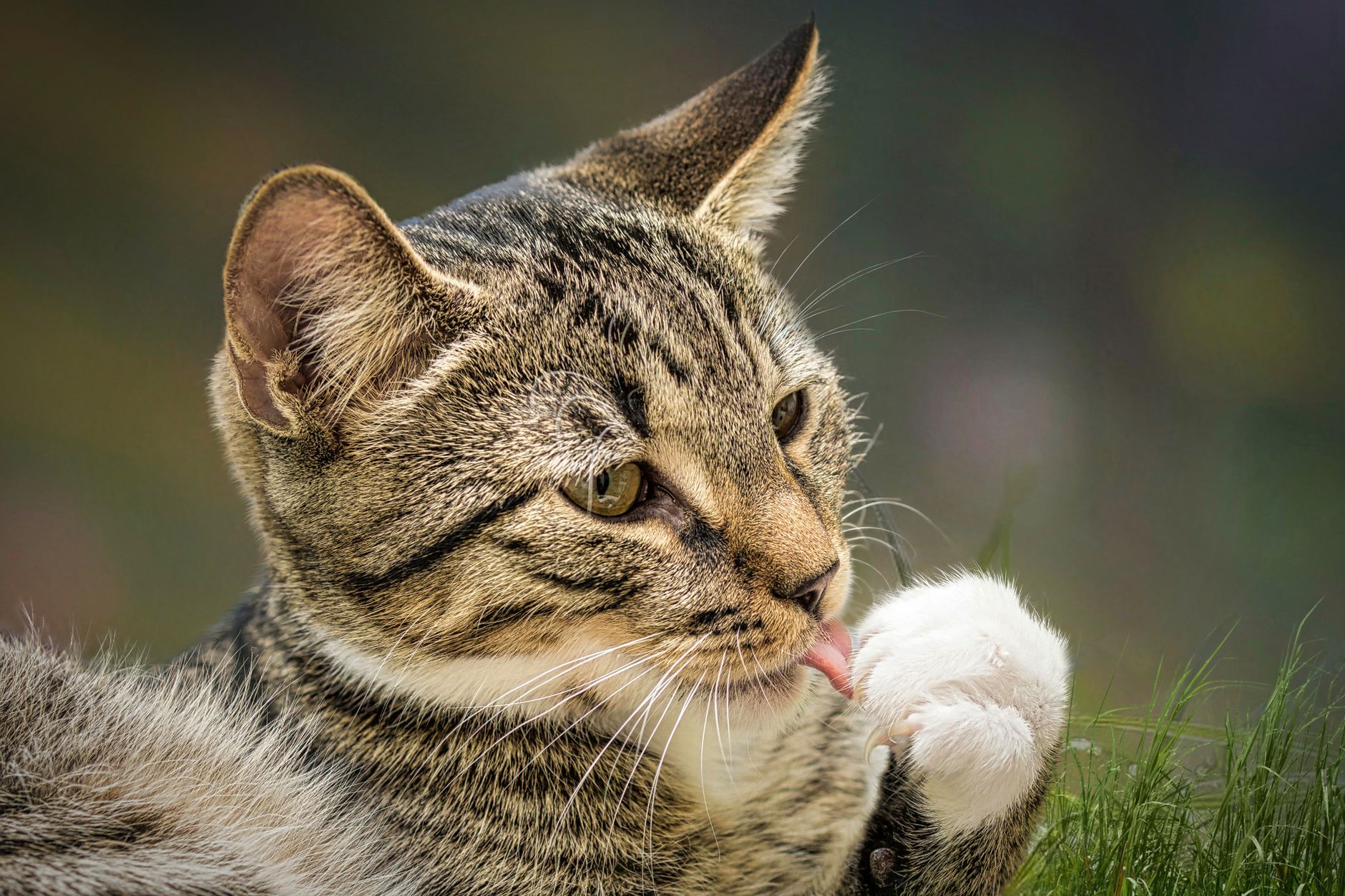
What is the extra toe bean on a cat for? The answer lies in understanding the cat’s lifestyle and natural behaviors. While the dewclaw isn’t weight-bearing like the other toes, it provides several crucial functions:
-
Grip and Traction: The dewclaw acts as a natural grappling hook, aiding in climbing, grasping prey, and maintaining balance on uneven surfaces. It provides an extra point of contact, increasing stability.
-
Grooming Assistance: Cats meticulously groom themselves, and the dewclaw plays a vital role in this process. They use it to scrape and clean their face, ears, and other hard-to-reach areas.
-
Hunting and Prey Capture: During hunting, the dewclaw helps cats secure their prey. They can use it to grip and manipulate small animals, preventing them from escaping.
-
Self-Defense: In fights or confrontations, the dewclaws can be used as weapons. While not as formidable as the other claws, they can inflict scratches and deter attackers.
-
Object Manipulation: Cats often use their paws to investigate objects. The dewclaw assists in exploring textures and shapes, enhancing their understanding of the environment.
Common Misconceptions About the Dewclaw
Despite its functional importance, the dewclaw is often misunderstood. Some common misconceptions include:
- It’s a vestigial appendage: As explained above, the dewclaw serves important functions.
- It needs to be removed: Unless there’s a medical reason (e.g., chronic infection, injury), dewclaw removal is generally not recommended. It can lead to pain, discomfort, and behavioral changes.
- It doesn’t need to be trimmed: Like other claws, the dewclaw can become overgrown. Regular trimming is necessary to prevent it from growing into the skin or catching on objects.
Dewclaw Injuries and Care
While the dewclaw is a valuable asset, it’s also susceptible to injury. Common injuries include:
- Tears and avulsions: These can occur if the claw gets caught on something.
- Infections: Ingrown claws can lead to infections.
- Fractures: Although rare, dewclaw bones can be fractured by trauma.
Proper dewclaw care involves:
- Regular trimming: Trim the dewclaw every few weeks, or as needed. Use specially designed cat claw clippers.
- Monitoring for signs of injury or infection: Watch for redness, swelling, discharge, or limping.
- Seeking veterinary care: If you notice any problems with your cat’s dewclaw, consult a veterinarian.
Dewclaw Position on Front and Back Paws
The presence and structure of dewclaws vary significantly between the front and back paws of cats. Here’s a summarized comparison:
| Feature | Front Paws (Pollex) | Rear Paws (Hallux) |
|---|---|---|
| Presence | Almost always present | Less commonly present |
| Attachment | Firmly attached with muscles and ligaments | Variable: can be firmly attached or loosely attached |
| Function | Gripping, climbing, grooming, hunting, object manipulation | Less defined; potentially assisting in balance and climbing |
| Injury Risk | Generally lower | Generally higher due to more variable attachment |
The Evolutionary Significance of the Dewclaw
From an evolutionary perspective, the dewclaw’s presence highlights the arboreal ancestry of cats. Early cats likely relied heavily on climbing trees for safety, hunting, and shelter. The dewclaw would have provided a significant advantage in this environment, facilitating climbing and maneuvering through branches. Even in modern domestic cats, this instinct remains, explaining their affinity for climbing and exploring vertical spaces.

Frequently Asked Questions (FAQs)
Why do some cats have dewclaws on their back legs and others don’t?
The presence of dewclaws on a cat’s back legs, technically called hallux, is a genetic trait that varies among individual cats and breeds. They’re less common than front dewclaws and their development is controlled by different genes. Cats without rear dewclaws simply didn’t inherit the genes that trigger their formation.
Are dewclaws painful for cats?
When healthy and properly cared for, dewclaws are not painful for cats. They’re similar to human fingernails in that they don’t contain nerve endings throughout their length. However, injuries, infections, or ingrown claws can cause pain and discomfort.
Can I declaw my cat’s dewclaws?
While technically possible, declawing a cat’s dewclaws is generally not recommended. It’s considered an unnecessary surgical procedure unless there’s a compelling medical reason, such as chronic infection or severe injury. Removing the dewclaw can affect a cat’s balance and natural behaviors.
How often should I trim my cat’s dewclaws?
The frequency of dewclaw trimming depends on the individual cat’s growth rate and activity level. As a general rule, aim to trim them every few weeks, or whenever they become noticeably long or sharp. Regular inspection will help you determine the optimal trimming schedule.
What should I do if my cat’s dewclaw is bleeding?
If your cat’s dewclaw is bleeding, apply direct pressure to the area with a clean cloth. You can also use a styptic pencil or powder to help stop the bleeding. If the bleeding is profuse or doesn’t stop after a few minutes, consult a veterinarian.
Is it normal for my cat to groom its dewclaws frequently?
Yes, it is perfectly normal for cats to groom their dewclaws regularly. Grooming is an essential part of their hygiene routine, and they use their dewclaws to clean their face, ears, and other hard-to-reach areas.
Do all breeds of cats have dewclaws?
Almost all breeds of cats have dewclaws on their front paws. However, the presence of rear dewclaws can vary among breeds. Some breeds may be more prone to having them than others due to genetic predispositions.
Can a cat survive in the wild without dewclaws?
While a cat can technically survive in the wild without dewclaws, their absence would undoubtedly hinder their ability to hunt, climb, and defend themselves. Dewclaws provide a valuable advantage in these situations.
What are the signs of an infected dewclaw?
Signs of an infected dewclaw can include redness, swelling, discharge, pain, limping, and excessive licking of the affected area. If you notice any of these symptoms, seek veterinary care promptly.
Are rear dewclaws more prone to injury?
Yes, due to their more variable and sometimes looser attachment, rear dewclaws are generally more prone to injury than front dewclaws. They’re more susceptible to being torn or caught on objects.
Does declawing affect a cat’s personality?
Declawing can potentially affect a cat’s personality. The procedure can cause chronic pain and discomfort, leading to changes in behavior such as increased aggression, anxiety, and reluctance to use the litter box.
Is there a difference between a dewclaw and a carpal pad?
Yes, there is a distinct difference. A dewclaw is a toe (pollex) with a claw. A carpal pad is the raised pad located on the back of the front leg, above the paw. While both are located on the lower legs, they are different anatomical structures with different functions.
In conclusion, answering What is the extra toe bean on a cat for? reveals that the dewclaw is far from a useless appendage. It is a vital component of a cat’s anatomy, contributing significantly to its agility, hunting prowess, grooming habits, and overall well-being. Understanding its function and providing proper care ensures that our feline companions can continue to enjoy a happy and healthy life.