

What is the Easiest Small Dog to Keep?
The easiest small dog to keep is generally considered to be the Bichon Frise, known for their playful yet gentle disposition, moderate exercise needs, and relatively hypoallergenic coat. They are a good fit for first-time dog owners or those with limited space and allergy concerns.
Introduction: The Appeal of Small Dogs
Small dogs offer a unique blend of companionship and convenience. Their compact size makes them ideal for apartment living, and their generally lower exercise requirements compared to larger breeds can be a real advantage for busy owners. What is the easiest small dog to keep? The answer depends on several factors, including your lifestyle, experience with dogs, and tolerance for grooming. This article will explore key considerations and highlight breeds known for their ease of care.
Factors Influencing Ease of Care

The “easiest” dog is subjective and depends on individual needs. However, several factors consistently contribute to ease of care in small breeds:
- Temperament: A calm, friendly disposition is crucial.
- Grooming Needs: Low-shedding breeds require less vacuuming and potentially less grooming maintenance.
- Exercise Requirements: Moderate exercise needs are easier to manage than high-energy breeds.
- Trainability: An intelligent and eager-to-please breed is easier to train.
- Health: Breeds with fewer common health problems require less vet care.
Top Contenders for Easiest Small Dog Breeds
While the Bichon Frise often tops the list, other small breeds are also known for their relatively easy-going nature. Here are a few examples:
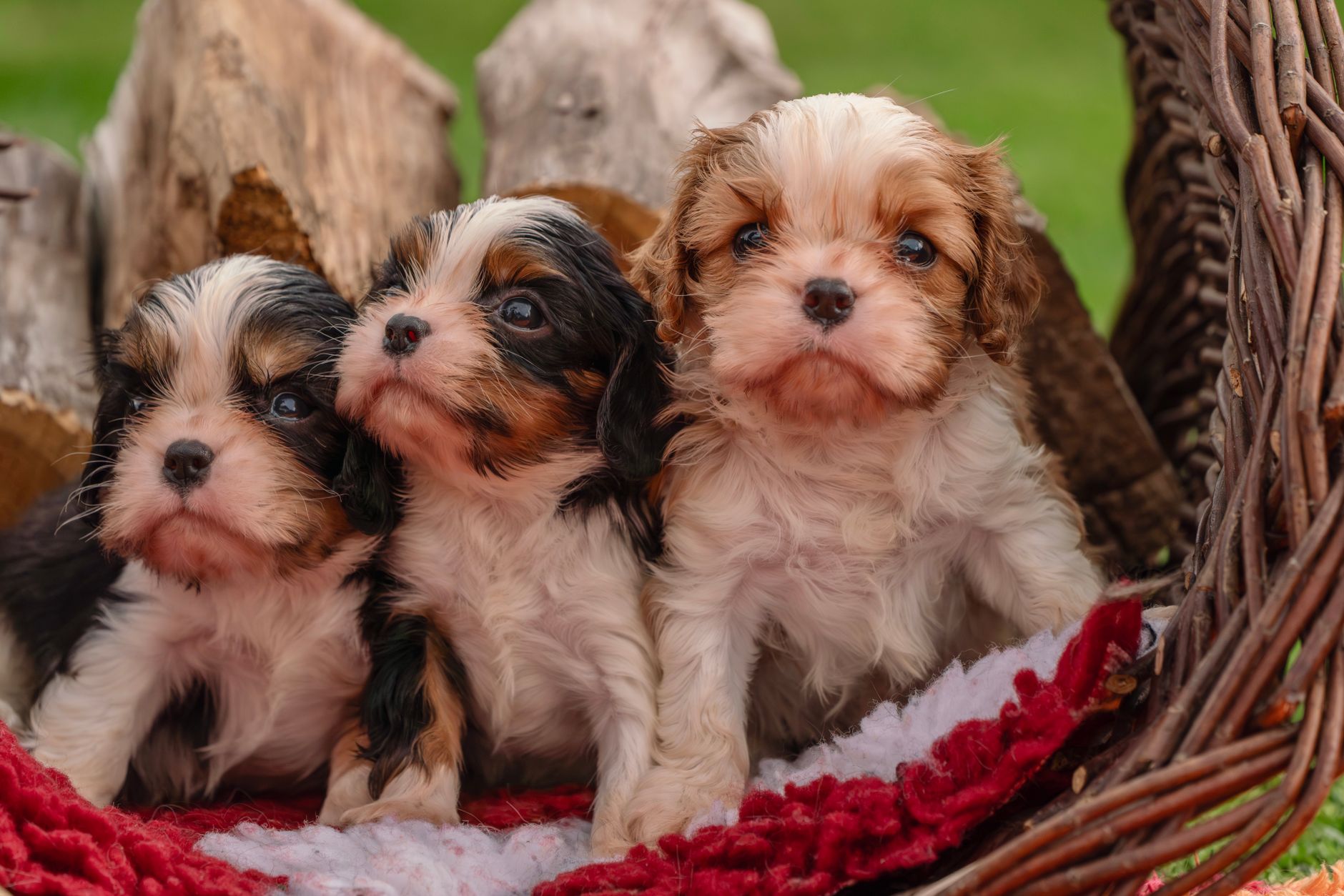
- Cavalier King Charles Spaniel: Affectionate and adaptable, they are relatively easy to train.
- Pug: Low-energy and content with indoor play.
- Shih Tzu: Docile and adaptable, although they require regular grooming.
- French Bulldog: Playful and relatively low-energy, but can be prone to certain health issues.
- Greyhound (Miniature): Surprisingly lazy indoors, despite their racing heritage.
Bichon Frise: The Gold Standard for Easy Care
The Bichon Frise stands out as a top choice for those seeking an easy to care for small dog. Their playful and affectionate nature makes them excellent companions, and their relatively hypoallergenic coat is a significant bonus for allergy sufferers. They are intelligent and generally easy to train, though consistent training is still important.
Exercise and Play Needs
Bichons need regular exercise, but it doesn’t have to be excessive.
- Daily walks of 20-30 minutes are usually sufficient.
- Indoor playtime with toys can supplement outdoor exercise.
- Mental stimulation through training and puzzle toys is also important.
Grooming Requirements
While Bichons are considered hypoallergenic, they require regular grooming to prevent matting.

- Daily brushing is essential.
- Professional grooming every 4-6 weeks is recommended.
- Regular ear cleaning is also important.
Potential Health Concerns
Bichons are generally healthy dogs, but they are prone to certain health conditions:
- Allergies: They can be prone to skin allergies.
- Cataracts: Cataracts are a common eye condition in Bichons.
- Patellar Luxation: This involves dislocation of the kneecap.
Training and Socialization
Early training and socialization are crucial for any dog, including Bichons.
- Start training as early as possible.
- Expose your dog to a variety of people, places, and situations.
- Use positive reinforcement training methods.
Preparing Your Home for a Small Dog
Before bringing home your new small dog, take steps to prepare your home.
- Provide a safe and comfortable sleeping area.
- Remove any potential hazards.
- Stock up on essential supplies like food, bowls, toys, and grooming tools.
Choosing the Right Breed for You
What is the easiest small dog to keep ultimately depends on your individual circumstances and preferences. Research different breeds, talk to breeders and owners, and spend time with dogs before making a decision. Consider your lifestyle, living situation, and ability to provide the necessary care.
Table: Comparing Top Contender Small Dog Breeds
| Breed | Temperament | Grooming Needs | Exercise Needs | Trainability | Potential Health Concerns |
|---|---|---|---|---|---|
| Bichon Frise | Playful, Gentle | High | Moderate | Moderate | Allergies, Cataracts, Patellar Luxation |
| Cavalier King Charles Spaniel | Affectionate | Moderate | Moderate | High | Heart disease, Mitral Valve Disease |
| Pug | Playful, Docile | Low | Low | Moderate | Breathing problems, Eye problems |
| Shih Tzu | Docile | High | Low | Moderate | Eye problems, Back problems |
| French Bulldog | Playful, Energetic | Low | Low | Moderate | Breathing problems, Hip Dysplasia |
Common Mistakes
- Underestimating grooming needs: Even low-shedding breeds require regular grooming.
- Neglecting training and socialization: Early training is essential for all dogs.
- Failing to provide adequate exercise: Even small dogs need regular exercise and mental stimulation.
- Choosing a breed based solely on appearance: Consider temperament and care requirements.
FAQs About Easiest Small Dog to Keep
What makes a small dog “easy” to keep?
A dog is considered “easy” if it has a combination of traits that make it manageable for most owners. These traits usually include a gentle temperament, moderate exercise needs, relatively low grooming requirements, and a willingness to learn and be trained. The easier a dog is to manage on a daily basis, the more enjoyable the ownership experience will be.
Are all small dogs easy to keep?
No, not all small dogs are easy to keep. Some small breeds can be quite demanding, requiring significant exercise, grooming, or training. Breeds like terriers, while small, can be high-energy and require an experienced owner to manage their energetic nature.
How much exercise does a Bichon Frise need?
A Bichon Frise generally needs around 20-30 minutes of exercise per day. This can be achieved through daily walks, playtime in the park, or indoor play sessions. Regular exercise helps keep them physically and mentally stimulated.
What are the grooming requirements for a Bichon Frise?
Bichons have high grooming needs. Their curly coat requires daily brushing to prevent matting and professional grooming every 4-6 weeks to maintain its appearance and health. Regular bathing and ear cleaning are also important.
Are Bichon Frises good with children?
Yes, Bichon Frises are generally good with children. They are known for their playful and gentle nature, making them suitable family pets. However, it’s always important to supervise interactions between dogs and children, especially young children.
Are Bichon Frises hypoallergenic?
While no dog is truly 100% hypoallergenic, Bichons are considered relatively hypoallergenic. They have a low-shedding coat that produces less dander, which can reduce allergic reactions in some people.
What are some common health problems in Bichon Frises?
Some common health problems in Bichons include allergies, cataracts, and patellar luxation. Regular vet checkups can help detect and manage these conditions early.
How trainable are Bichon Frises?
Bichon Frises are generally intelligent and eager to please, making them relatively easy to train. However, they can be sensitive to harsh training methods, so positive reinforcement is recommended.
What is the lifespan of a Bichon Frise?
The average lifespan of a Bichon Frise is 12-15 years. With proper care and nutrition, many Bichons live long and healthy lives.
Are Pugs easy to keep?
Pugs can be considered relatively easy to keep due to their low energy levels and small size. However, they are prone to breathing problems due to their brachycephalic (flat-faced) features, which can require special care.
Are Cavalier King Charles Spaniels easy to keep?
Cavalier King Charles Spaniels are often considered easy to keep due to their affectionate nature and moderate exercise needs. They are relatively easy to train and adapt well to different living situations.
What is the best way to socialize a small dog?
The best way to socialize a small dog is to expose them to a variety of people, places, and situations from a young age. This helps them become well-adjusted and confident adults. Ensure all experiences are positive and controlled to avoid overwhelming the puppy.