

What Is the Difference Between a Service Dog and a Guide Dog?
The difference between a service dog and a guide dog boils down to their specialized training and the specific types of disabilities they assist with; while both are service dogs, guide dogs are specially trained to help individuals with blindness or severe visual impairment navigate their surroundings, while service dogs assist individuals with a much broader range of disabilities, including physical, psychiatric, and intellectual impairments.

Unveiling the World of Assistance Animals: A Comprehensive Look
Understanding the nuances between service dogs and guide dogs is crucial for appreciating the vital roles these animals play in enhancing the independence and quality of life for individuals with disabilities. While both categories fall under the umbrella of service animals, their training, tasks, and the disabilities they address differ significantly. This article will delve into the specifics, clarifying what is the difference between a service dog and a guide dog and shedding light on the incredible contributions they make.
The Essence of Guide Dogs: Eyes for the Blind
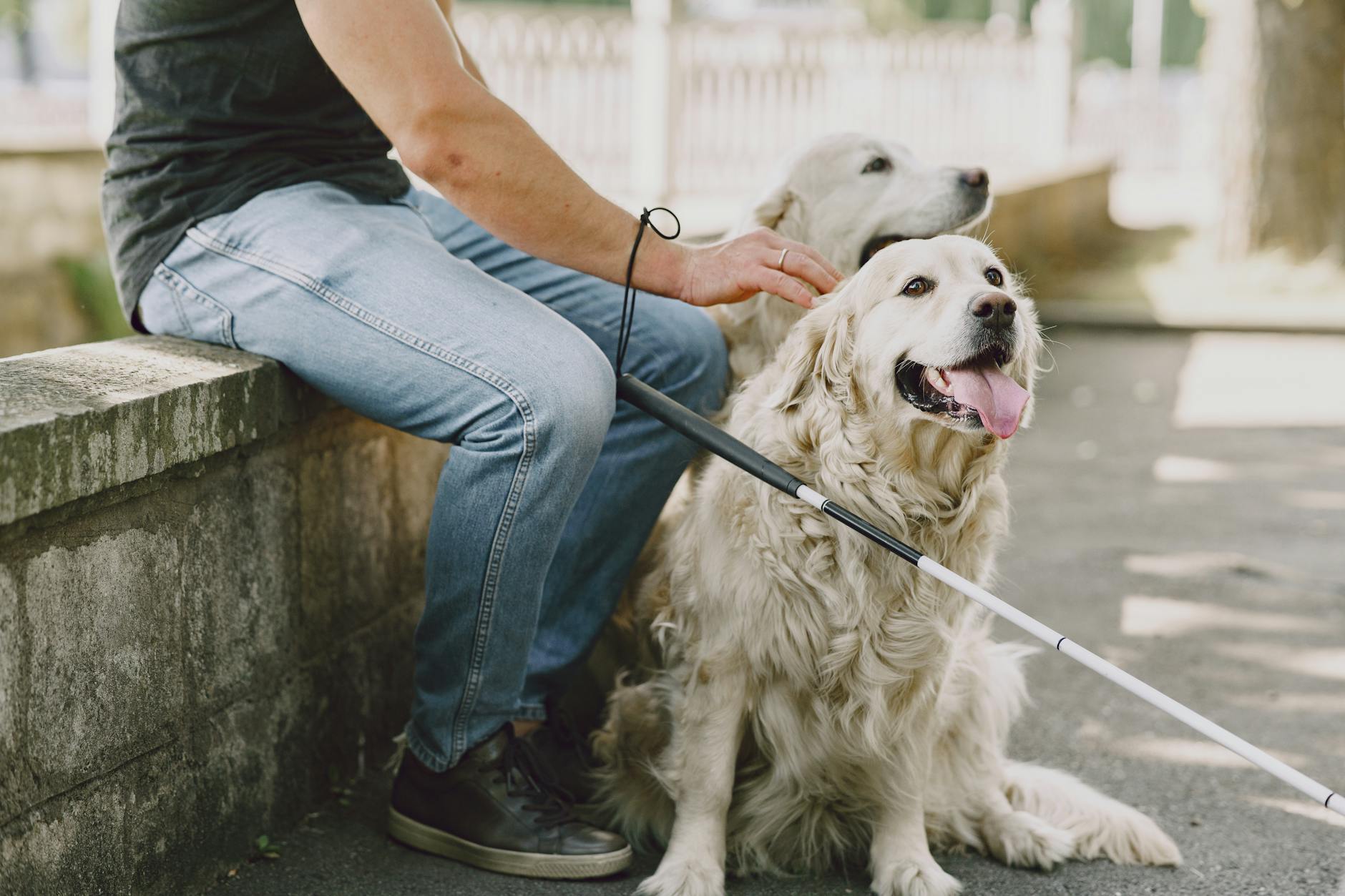
Guide dogs, also known as seeing-eye dogs, are specifically trained to assist individuals who are blind or have severe visual impairments. Their primary function is to navigate their handlers safely through various environments, avoiding obstacles, negotiating traffic, and leading them to destinations.
- Specialized Training: Guide dogs undergo rigorous training programs, often lasting several years, to master navigation skills, obedience, and appropriate behavior in public settings.
- Focus on Navigation: Their training is heavily focused on spatial awareness, object recognition, and safe navigation techniques. They are taught to disobey commands if following them would put their handler in danger – known as “intelligent disobedience.”
- Established Organizations: Many reputable organizations, such as Guide Dogs for the Blind and The Seeing Eye, specialize in breeding, training, and matching guide dogs with individuals in need.
The Broader Spectrum of Service Dogs: Assisting Across Disabilities
Service dogs encompass a much wider range of assistance tasks. While some might perform tasks similar to guide dogs for individuals with low vision, they also assist with a myriad of other disabilities, including:
- Physical Disabilities: Service dogs can assist with mobility issues (pulling wheelchairs, providing balance support), retrieving objects, opening doors, and turning on lights.
- Psychiatric Disabilities: Psychiatric service dogs (PSDs) can help individuals with anxiety, depression, PTSD, and other mental health conditions by providing comfort, interrupting panic attacks, reminding them to take medication, and creating a sense of safety.
- Medical Alert: Some service dogs are trained to detect and alert to impending medical episodes, such as seizures, diabetic episodes (low or high blood sugar), or allergic reactions.
- Hearing Impairments: Hearing dogs alert their handlers to important sounds, such as doorbells, alarms, and telephones.
- Autism Spectrum Disorder: Autism assistance dogs can provide companionship, reduce anxiety, and help children with autism develop social skills.
Training Regimens: Tailored to the Task
The training process for both guide dogs and service dogs is extensive and tailored to the specific tasks the animal will perform. However, there are key differences:
- Guide Dog Training: Emphasizes obedience, navigation skills, and intelligent disobedience. Trainees learn to guide their handlers through complex environments, including busy streets and crowded spaces.
- Service Dog Training: Focuses on task-specific training related to the handler’s disability. This can include retrieving items, providing deep pressure therapy, alerting to medical conditions, or interrupting specific behaviors.
Federal Protections: Rights and Responsibilities
Both guide dogs and service dogs are protected under the Americans with Disabilities Act (ADA), which grants them access to public places where pets are typically prohibited.
- Public Access: Under the ADA, service dogs and guide dogs are allowed to accompany their handlers in restaurants, stores, hotels, and other public facilities.
- Limited Inquiries: Business owners are only allowed to ask two questions: (1) Is the dog a service animal required because of a disability? and (2) What work or task has the dog been trained to perform?
- Responsibilities: Handlers are responsible for the behavior of their dogs and must ensure they are well-behaved and under control.
The Cost of Independence: Funding and Support
The cost of training and placing a guide dog or service dog can be substantial. Fortunately, numerous organizations provide financial assistance and support to individuals in need.
- Non-Profit Organizations: Many non-profit organizations rely on donations and grants to cover the costs of training and placing assistance dogs.
- Fundraising Efforts: Individuals often engage in fundraising campaigns to raise money for a service dog.
- Veteran Support: Organizations dedicated to supporting veterans often provide service dogs to veterans with PTSD or other disabilities.
Distinguishing Features: Quick Reference Table
| Feature | Guide Dog | Service Dog |
|---|---|---|
| Primary Function | Navigating individuals with blindness or severe visual impairment. | Assisting individuals with a wide range of disabilities, including physical, psychiatric, and medical. |
| Training Focus | Navigation, obstacle avoidance, intelligent disobedience, and maintaining safe routes for the handler. | Task-specific training tailored to the handler’s specific disability, such as retrieving objects, alerting to medical conditions, or providing emotional support. |
| Disability Served | Primarily blindness and severe visual impairment. | A broad range of disabilities, including physical, psychiatric, medical, and intellectual. |
| Organizations | Specialized organizations like Guide Dogs for the Blind and The Seeing Eye. | Various organizations, often specializing in specific types of service dogs (e.g., psychiatric service dogs, mobility assistance dogs). |

Frequently Asked Questions (FAQs)
Is a service dog a pet?
No, a service dog is not a pet. Service dogs are working animals that have been specially trained to perform tasks that mitigate their handler’s disability. They are granted public access rights under the Americans with Disabilities Act (ADA). While they provide companionship, their primary role is to assist their handler.
Can any dog be a service dog?
Theoretically, any breed can be a service dog, but certain breeds are more commonly used due to their temperament, trainability, and physical characteristics. Labrador Retrievers, Golden Retrievers, and German Shepherds are frequently selected for service dog work. The dog’s temperament, health, and trainability are more important than breed.
How do I get a service dog or guide dog?
The process for obtaining a service dog or guide dog typically involves applying to a reputable organization, undergoing an interview and assessment, and potentially spending time in a training program with the dog. The wait times can vary, and there may be specific requirements related to the applicant’s disability and ability to care for the dog.
Are service dogs and guide dogs required to wear vests?
While not legally required by the ADA, service dogs and guide dogs often wear vests or other identifying markers to signal their status as working animals. This helps to inform the public that the dog is not a pet and should not be distracted. However, the absence of a vest does not negate the dog’s rights under the ADA.
What should I do if I see a service dog or guide dog in public?
It is crucial to avoid distracting, petting, or feeding a service dog or guide dog without the handler’s permission. These dogs are working and need to focus on their tasks. Maintain a respectful distance and allow them to perform their duties without interference.
Can I ask someone about their disability if they have a service dog?
No, it is inappropriate to ask someone about their specific disability. Under the ADA, business owners are only permitted to ask two questions: (1) Is the dog a service animal required because of a disability? and (2) What work or task has the dog been trained to perform? Asking about the disability itself is a violation of privacy.
What happens if a service dog or guide dog misbehaves?
Handlers are responsible for the behavior of their service dogs and guide dogs. If a dog is out of control or disruptive, businesses may ask the handler to remove the dog from the premises. This underscores the importance of proper training and responsible handling.
Are miniature horses also considered service animals?
Yes, miniature horses can also qualify as service animals under the ADA, although they are less common than dogs. They must be individually trained to do work or perform tasks for people with disabilities. However, there are specific requirements regarding their size and weight, and businesses can consider reasonable safety concerns when accommodating them.
What is “intelligent disobedience” in guide dog training?
“Intelligent disobedience” refers to a guide dog’s ability to disobey a handler’s command if following it would put the handler in danger. This is a crucial aspect of guide dog training, as it ensures the dog prioritizes the handler’s safety even when instructed to do something unsafe.
What are psychiatric service dogs (PSDs)?
Psychiatric service dogs (PSDs) are a type of service dog trained to assist individuals with psychiatric disabilities such as anxiety, depression, PTSD, and panic disorders. They can perform tasks such as providing deep pressure therapy, reminding handlers to take medication, interrupting self-harming behaviors, and creating a sense of security.
How are emotional support animals (ESAs) different from service dogs?
Emotional support animals (ESAs) are not service animals and do not have the same legal protections under the ADA. ESAs provide comfort and companionship but are not trained to perform specific tasks related to a disability. Therefore, they do not have public access rights.
What makes What is the difference between a service dog and a guide dog such an important question?
Understanding what is the difference between a service dog and a guide dog is vital for several reasons: It fosters respect for the roles these animals play, helps avoid misunderstandings about their rights and responsibilities, and promotes a more inclusive and supportive environment for individuals with disabilities who rely on their assistance animals. Furthermore, it ensures businesses and the public are aware of their legal obligations under the ADA regarding access for these vital working animals.