

What is the Braying Sound of a Donkey? A Deep Dive
The braying sound of a donkey is a distinctive and often loud vocalization used primarily for communication; it’s characterized by a loud, harsh, drawn-out “hee-haw” or “ee-ah” sound, functioning as a means of expressing needs, alerting others to danger, or simply making its presence known.

Understanding the Donkey Bray: An Introduction
The bray of a donkey, a sound instantly recognizable and often associated with rural landscapes, is far more complex than a simple noise. It’s a multifaceted communication tool that provides vital insights into the animal’s needs, social structure, and overall well-being. What is the braying sound of a donkey? To fully understand it, we must delve into its acoustics, functions, and variations.
Acoustic Characteristics of the Bray
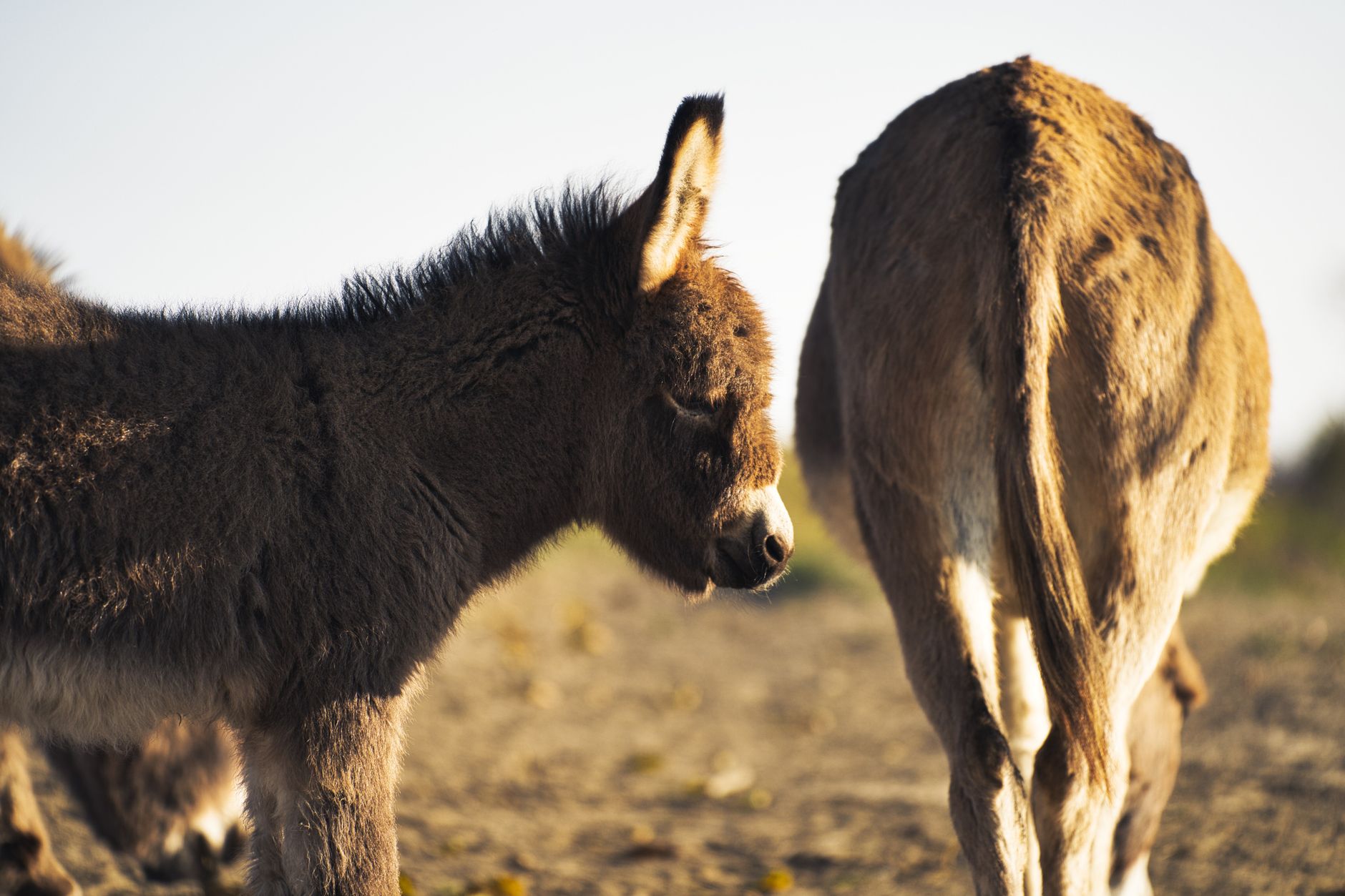
The donkey’s bray isn’t merely a single sound; it’s a complex vocalization with distinct acoustic features. It typically consists of two parts: a loud, ascending “hee” followed by a descending “haw” or “ah.”
- The “hee” portion often starts with a sharp, high-pitched onset.
- The “haw” portion is usually longer and lower in pitch, creating the characteristic “hee-haw” sound.
- The sound can travel significant distances, making it effective for long-range communication.
The specific pitch, duration, and intensity of the bray can vary depending on the donkey’s emotional state, age, and individual characteristics. Analysis of bray recordings reveals subtle differences that humans can learn to distinguish.
Functions of the Braying Sound
The bray serves various crucial functions in a donkey’s life, extending beyond mere vocal exhibition. Understanding these functions is essential to truly appreciating its significance.
- Communication: The primary purpose is communication within the herd or with other animals.
- Alarm Signal: A loud and prolonged bray can signal danger, alerting other donkeys to potential threats like predators or unfamiliar sounds.
- Seeking Attention: Donkeys may bray to attract the attention of their caretakers, especially when hungry, thirsty, or in need of assistance.
- Establishing Territory: Braying can be used to demarcate territory and warn off intruders.
- Mating Call: During breeding season, male donkeys (jacks) may bray to attract female donkeys (jennies).
- Social Bonding: Braying can strengthen social bonds within a herd.
Variations in Braying
Not all brays are created equal. The bray of a donkey can vary significantly depending on several factors:
- Age: Young donkeys (foals) often have higher-pitched, less developed brays compared to adults.
- Sex: Male donkeys may have deeper, more resonant brays than female donkeys.
- Breed: Different breeds of donkeys might exhibit slight variations in their braying sounds.
- Individual Personality: Just like humans, some donkeys are simply more vocal than others.
- Context: The specific situation can dramatically impact the nature of the bray. A donkey signaling distress will bray differently than one greeting a familiar companion.
Interpreting the Bray: Beyond the “Hee-Haw”
Learning to interpret a donkey’s bray requires careful observation and understanding of the context. It is not enough to simply hear the sound. Consider these factors:
- Intensity: A louder, more forceful bray may indicate greater urgency or distress.
- Duration: Longer, more sustained brays often signify prolonged need or concern.
- Frequency: How often the donkey is braying. Constant braying usually indicates a pressing problem.
- Body Language: Observe the donkey’s posture, ear position, and other behavioral cues to gain a more complete understanding of what it’s trying to communicate.
- Environmental Context: Take into consideration the donkey’s surroundings and any potential stressors.
Common Misconceptions About Donkey Braying
Several common misconceptions surround the braying sound of a donkey.
- Braying is always a sign of distress: While distress is a common reason for braying, it’s not the only one. Donkeys also bray for greetings, attention, or to simply communicate their presence.
- All donkeys bray the same way: As previously discussed, braying varies based on numerous factors, including age, sex, and breed.
- Silence means contentment: A silent donkey isn’t necessarily a happy donkey. It could indicate illness, depression, or simply that the donkey has no immediate need to communicate. It’s essential to be aware of your donkey’s normal vocalization patterns.
- Braying is always annoying: While the bray can be loud and sometimes disruptive, it’s a vital part of a donkey’s natural behavior. With proper understanding and management, the braying can be accommodated.

Frequently Asked Questions
What is the typical volume range of a donkey’s bray?
A donkey’s bray can reach volumes up to 90 decibels, which is comparable to the sound of a lawnmower. This allows the sound to travel long distances, ensuring it can be heard even in windy conditions or across varied terrains.
Why do donkeys sometimes bray at night?
Donkeys may bray at night due to a variety of reasons including sensing unfamiliar sounds or movements, feeling threatened, or experiencing discomfort. Changes in weather or the presence of nocturnal predators could also trigger nighttime braying.
How can I distinguish between different types of braying sounds?
Distinguishing between different types of braying sounds requires careful observation of the context and the donkey’s body language. A short, soft bray might indicate a greeting, while a loud, prolonged bray could signal distress or alarm.
Is it possible to train a donkey to bray less frequently?
While you can’t completely eliminate braying, you can manage the behavior through consistent training and addressing the underlying causes of excessive braying. Ensuring the donkey’s needs are met – food, water, shelter, and social interaction – can reduce stress-related vocalizations.
What role does the braying sound play in donkey social hierarchy?
The braying sound plays a role in establishing and maintaining the social hierarchy within a donkey herd. Dominant donkeys may bray more frequently to assert their position, while subordinate donkeys might bray less often or in a different tone.
Do wild donkeys bray more or less than domesticated donkeys?
It’s difficult to make a definitive statement, but wild donkeys likely bray in response to different stimuli than domesticated donkeys. Wild donkeys may bray more to warn of predators or to locate other members of their herd, whereas domesticated donkeys’ braying might be more influenced by human interaction and feeding schedules.
How does the bray of a donkey compare to the vocalizations of a horse?
The bray of a donkey is distinctly different from the vocalizations of a horse. Horses typically neigh, which is a higher-pitched, less harsh sound. The donkey’s bray is lower in pitch, more drawn-out, and has a characteristic “hee-haw” pattern.
What are some medical reasons why a donkey might excessively bray?
Excessive braying can sometimes indicate underlying medical issues, such as pain, discomfort, or cognitive dysfunction. If a donkey suddenly starts braying more than usual, it’s important to consult with a veterinarian to rule out any medical causes.
How can I prevent my donkey’s braying from disturbing my neighbors?
To prevent your donkey’s braying from disturbing your neighbors, consider strategies such as providing ample space for the donkey to roam, ensuring it has sufficient social interaction, and implementing soundproofing measures in its shelter. Thoughtful planning and open communication with neighbors can often resolve potential conflicts.
At what age do donkeys start to bray?
Donkeys start braying shortly after birth. Foals will use their brays to communicate with their mothers and other members of the herd. Their initial brays might be weaker and higher-pitched, gradually developing into the full-fledged bray of an adult donkey.
What is the scientific name for the braying sound?
There isn’t a specific scientific name for the braying sound itself. However, vocalizations in animals are generally studied under the field of bioacoustics. You might find research related to the acoustics of equine vocalizations which could include donkeys.
What is the best way to respond to a donkey that is braying excessively?
The best way to respond to a donkey that is braying excessively is to first identify the underlying cause. Check for any signs of distress, hunger, thirst, or discomfort. Once the cause is identified, address it promptly and consistently. Positive reinforcement and a calm demeanor are essential for effective communication with your donkey.