
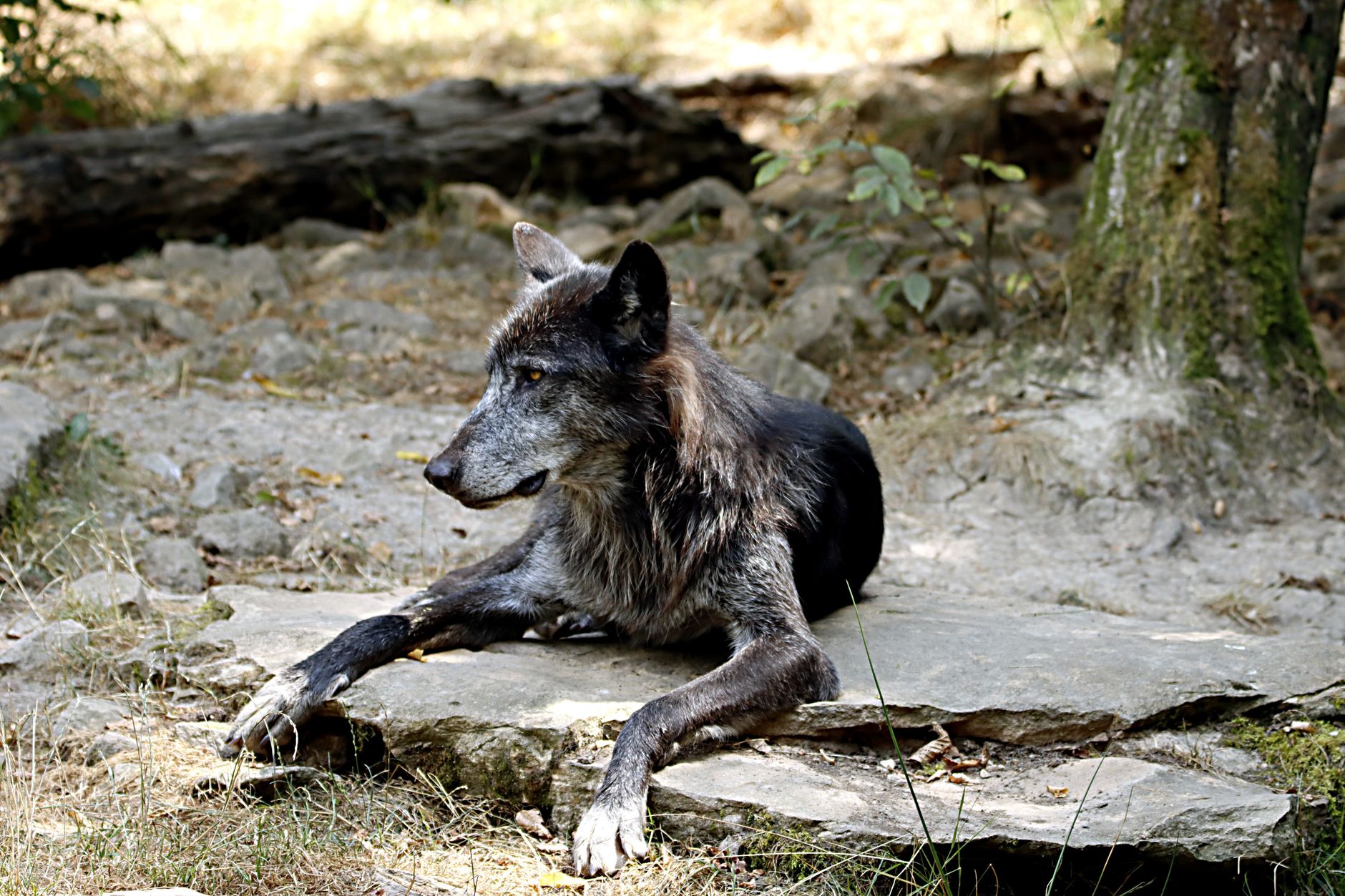
Wolf Bite vs. Dog Bite: Unveiling the Power of Their Jaws
The bite force of a wolf compared to a dog is significantly higher; wolves possess a jaw capable of exerting up to 1,500 pounds per square inch (PSI) versus dogs, which average around 320 PSI, although some breeds can exceed this. This difference reflects their evolutionary paths and respective roles as predators and companions.

Understanding Bite Force: A Predator’s Perspective
Bite force, measured in pounds per square inch (PSI), is the force exerted by an animal’s jaw when biting down. It’s a crucial factor in understanding an animal’s predatory capabilities and its ability to survive in its environment. For wolves, a powerful bite is essential for taking down prey, cracking bones to access marrow, and defending their territory. Dogs, on the other hand, have been domesticated over millennia, leading to a divergence in their biting capabilities.
Factors Influencing Bite Force
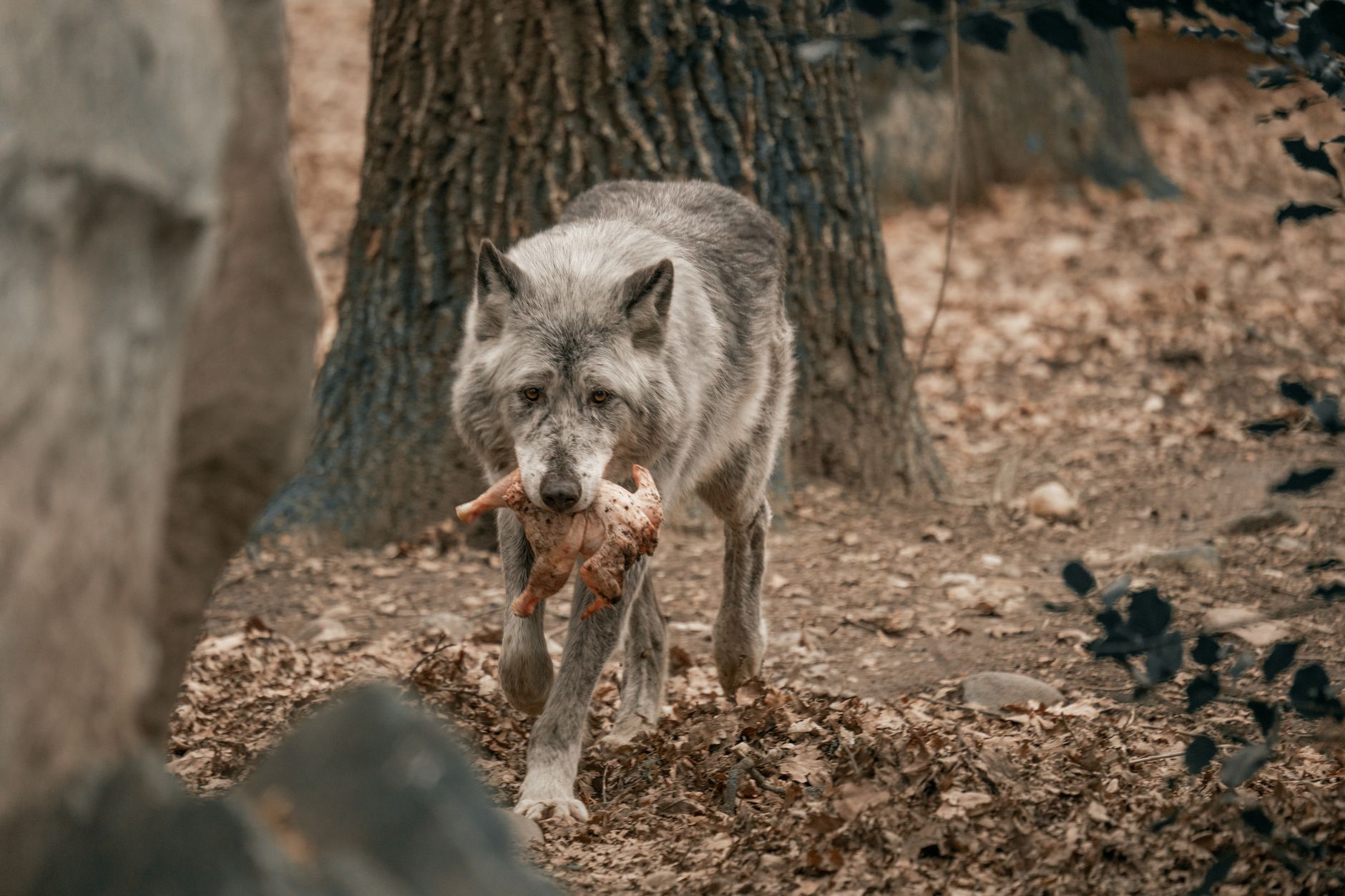
Several factors influence the bite force of both wolves and dogs:
- Skull Morphology: The size and shape of the skull, including the jaw muscles’ attachment points, play a significant role. Wolves generally have larger and more robust skulls than dogs of comparable size.
- Muscle Mass: The mass and strength of the jaw muscles are directly correlated with bite force. Wolves possess more powerful jaw musculature.
- Tooth Structure: The size, shape, and arrangement of teeth contribute to the effectiveness of a bite. Wolves have teeth specifically adapted for tearing flesh and crushing bone.
- Breed (Dogs): Within dog breeds, there’s considerable variation in bite force. Breeds bred for guarding or hunting tend to have stronger bites than companion breeds.
- Age and Health: An animal’s age and overall health can impact its bite force. Younger or unhealthy animals may exhibit reduced biting capabilities.
The Evolutionary Divide: Wolf vs. Dog
The divergence in bite force between wolves and dogs is a direct consequence of their evolutionary paths. Wolves, as apex predators, require a powerful bite to hunt and survive in the wild. Dogs, through domestication, have experienced a relaxation of selection pressures related to hunting, leading to a reduction in bite force in many breeds. However, certain dog breeds, such as those used for guarding livestock or hunting large game, have retained relatively strong bite forces.
Comparing Bite Force Data: Wolves vs. Dogs
While precise bite force measurements can be challenging to obtain, studies and research provide valuable insights:
| Animal | Approximate Bite Force (PSI) |
|---|---|
| :——– | :—————————– |
| Gray Wolf | 1200 – 1500 |
| Rottweiler | 328 |
| German Shepherd | 238 |
| American Pit Bull Terrier | 235 |
| Labrador Retriever | 150 |
It’s important to note that these are average figures, and individual animals may exhibit variations. Furthermore, bite force alone doesn’t determine the overall danger of an animal; temperament and circumstances also play crucial roles. The superior bite force of a wolf compared to a dog, however, highlights a key difference in their biological capabilities.
Misconceptions About Dog Bite Force
It’s a common misconception that certain dog breeds have the strongest bite force. While some breeds are known for their powerful bites, the actual force can vary considerably depending on the individual dog, its training, and the circumstances of the bite. Furthermore, focusing solely on bite force can be misleading. Other factors, such as the dog’s bite technique and the sharpness of its teeth, also contribute to the severity of an injury.
Responsible Dog Ownership and Bite Prevention
Regardless of breed or bite force, responsible dog ownership is crucial for preventing bites. This includes:
- Proper socialization: Exposing dogs to a variety of people and situations from a young age.
- Training: Teaching basic obedience commands and reinforcing positive behaviors.
- Supervision: Closely supervising dogs around children and other vulnerable individuals.
- Secure confinement: Preventing dogs from escaping and encountering situations where they might bite.
- Understanding Canine Body Language: Recognizing signs of stress or aggression in dogs.
Frequently Asked Questions (FAQs)
What is the evolutionary reason for the difference in bite force?
The difference stems from their roles: Wolves are apex predators needing strong bites for hunting, while dogs, domesticated for companionship and specific tasks, experienced relaxed selection for such power. This resulted in a gradual reduction in bite force over generations for many dog breeds.
Does a higher bite force always mean more dangerous?
Not necessarily. While a higher bite force can inflict more damage, a dog’s temperament, training, and the circumstances of the bite play crucial roles in determining the severity and potential danger. A well-trained dog with a lower bite force is often less dangerous than an untrained dog with a potentially stronger bite.
How is bite force measured in animals?
Bite force is typically measured using specialized devices called bite sleeves or transducers. Animals are encouraged to bite down on these devices, which measure the pressure exerted by their jaws. Researchers use this data to calculate the PSI (pounds per square inch).
Which dog breeds have the strongest bite forces?
Some dog breeds known for relatively strong bite forces include: Cane Corsos, Rottweilers, and Dogo Argentinos. However, individual bite force can vary significantly within these breeds.
Are there any studies comparing wolf and dog bite force?
Yes, several studies have compared wolf and dog bite force, although direct measurements on live wolves can be challenging. These studies often rely on anatomical comparisons, biomechanical modeling, and analysis of skull morphology to estimate bite force.
Can a dog’s bite force be increased through training?
While training can improve a dog’s bite technique and accuracy, it’s unlikely to significantly increase its underlying bite force. Bite force is primarily determined by genetics and physical attributes.
What is the difference between PSI and Newtons when measuring bite force?
PSI (pounds per square inch) is a measure of pressure, representing the force exerted over a specific area. Newtons (N) are a unit of force in the metric system. They are related, but represent different aspects of the biting action.
How does the bite force of a wolf compare to other predators like lions or bears?
Lions and bears generally have significantly higher bite forces than wolves. For example, lions can have bite forces exceeding 600 PSI, while bears can reach over 1200 PSI. This reflects their larger size and the types of prey they typically hunt. The bite force of a wolf compared to a dog pales in comparison to those of apex predators such as lions or bears.
What are the potential consequences of a wolf bite compared to a dog bite?
Due to their significantly higher bite force, wolf bites can cause more severe injuries, including deep lacerations, fractures, and crush injuries. Dog bites can also be serious but are generally less likely to cause such extensive damage.
Is it accurate to say that all wolves have the same bite force?
No. Just like with dogs, there can be variation in bite force among individual wolves based on factors such as age, size, and health. However, even the weakest wolf will likely have a stronger bite force than most dogs.
How does domestication affect the bite force of dogs over time?
Domestication often leads to reduced selection pressure for traits like bite force, resulting in a gradual decrease over generations. This is because domesticated animals rely on humans for food and protection, reducing the need for powerful jaws to hunt and defend themselves.
Why is understanding bite force important in animal behavior research?
Understanding bite force provides valuable insights into an animal’s ecological role, predatory capabilities, and evolutionary adaptations. It can also help researchers assess the potential risk posed by different species and inform conservation efforts. Further research on the bite force of a wolf compared to a dog may reveal new insights into behavior.