

What is the Best Training Bird?: Unlocking Avian Potential
The best training bird ultimately depends on your experience, goals, and lifestyle, but for beginners and those seeking a rewarding, relatively manageable experience, the cockatiel is often considered an excellent choice. This intelligent and affectionate species responds well to positive reinforcement techniques and offers a blend of trainability and companionship.
Understanding Avian Trainability
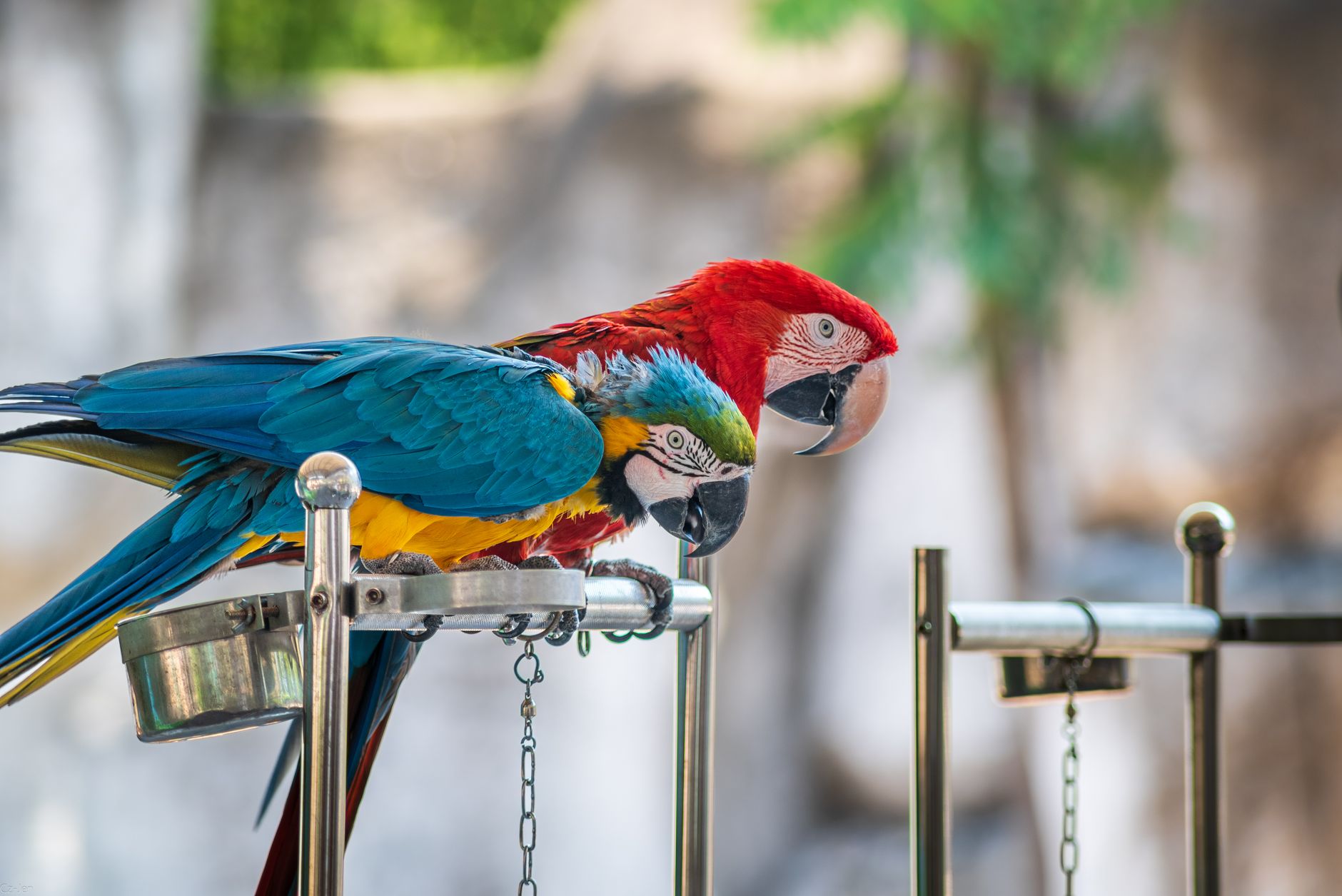
The idea of training a bird might seem unusual to some, but many avian species possess remarkable intelligence and a natural inclination to learn. “Training” in this context encompasses a range of behaviors, from basic commands like step-up and recall to more complex tricks and even verbal communication. Choosing the right bird for training involves considering factors like their natural temperament, intelligence, and willingness to interact with humans. What is the best training bird often boils down to finding a species that aligns with your individual abilities and the time you can dedicate to the training process.
Benefits of Training Your Bird
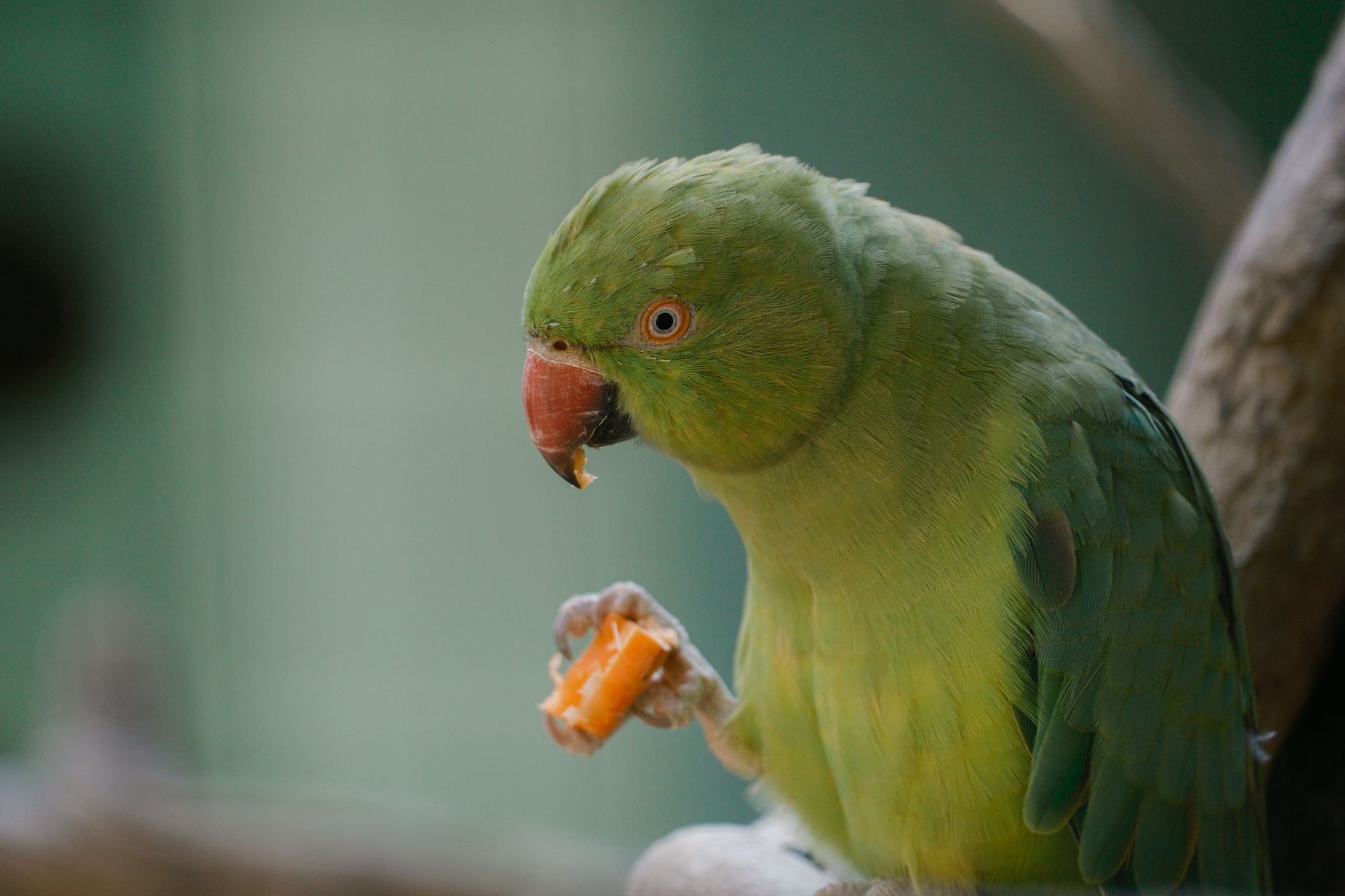
Training a bird isn’t just about teaching tricks; it’s about building a deeper bond and enriching its life. The benefits extend to both the bird and the owner:
- Mental Stimulation: Training provides vital mental exercise, preventing boredom and reducing the likelihood of destructive behaviors like feather plucking.
- Bonding: Positive reinforcement techniques strengthen the bond between you and your bird, fostering trust and companionship.
- Improved Communication: Training allows you to better understand your bird’s body language and signals, leading to improved communication.
- Behavioral Management: Training can help address and correct undesirable behaviors, such as biting or screaming.
- Enrichment: Learning new skills and interacting with their environment in a structured way enhances the bird’s overall quality of life.
The Positive Reinforcement Process
Positive reinforcement is the key to successful bird training. This method focuses on rewarding desired behaviors, making learning a fun and positive experience.
- Identify Desired Behaviors: Clearly define what you want to teach your bird. Start with simple behaviors and gradually increase complexity.
- Use High-Value Rewards: Discover what motivates your bird – a favorite treat, a scratch behind the head, or verbal praise. Use these rewards consistently when the bird performs the desired behavior.
- Consistency is Key: Train in short, regular sessions (5-10 minutes) and be consistent with your commands and rewards.
- Patience is Paramount: Birds learn at different paces. Be patient and avoid getting frustrated. Celebrate small successes.
- Shape the Behavior: Break down complex behaviors into smaller steps. Reward each step along the way until the bird masters the complete behavior.
Common Mistakes to Avoid
Even with the best intentions, some common mistakes can hinder the training process:
- Using Punishment: Punishment is counterproductive and can damage your relationship with your bird. Stick to positive reinforcement.
- Inconsistent Training: Inconsistent training can confuse the bird and slow down the learning process.
- Long Training Sessions: Overly long training sessions can lead to fatigue and frustration. Keep sessions short and engaging.
- Ignoring the Bird’s Body Language: Pay attention to your bird’s body language. If it appears stressed or uncomfortable, end the session.
- Unrealistic Expectations: Set realistic expectations and celebrate small victories. Birds learn at their own pace.
Ranking Top Training Birds
Several species stand out for their trainability. Here’s a comparative look at a few:
| Bird Species | Trainability Level | Vocal Ability | Interaction Needs | Beginner Friendly? |
|---|---|---|---|---|
| :—————- | :—————– | :————– | :—————– | :—————- |
| Cockatiel | High | Moderate | Moderate | Yes |
| Budgerigar (Parakeet) | High | High | Moderate | Yes |
| Parrotlet | Moderate | Low | High | No |
| African Grey Parrot | Very High | Very High | Very High | No |
| Macaw | High | High | Very High | No |
Ultimately, what is the best training bird is a highly individual question, and the ideal choice depends on your personal circumstances. This table offers a quick comparison to get you started.
Frequently Asked Questions About Bird Training
What are the most basic commands I should teach my bird first?
The most fundamental commands to teach any bird are “step up” and “stay”. These commands establish a foundation of control and communication. “Step up” teaches your bird to perch on your hand or a designated object, which is crucial for handling and bonding. “Stay” is useful for managing your bird’s movement and preventing it from getting into dangerous situations.
How long should training sessions be?
The length of training sessions depends on the bird’s attention span and motivation. Short, frequent sessions (5-10 minutes) are generally more effective than longer, less frequent ones. Observe your bird’s body language and end the session before it becomes bored or frustrated.
What kind of treats should I use for training?
The best treats for training are those that your bird finds highly motivating. This could include small pieces of fruit, seeds, nuts, or commercially available bird treats. Experiment with different options to discover your bird’s favorites. Always offer treats in moderation as part of a balanced diet.
How do I train a bird that is afraid of my hand?
If your bird is afraid of your hand, start by slowly acclimating it to your presence. Spend time near the cage talking softly and offering treats through the bars. Gradually introduce your hand into the cage, moving slowly and avoiding sudden movements. Never force interaction; let the bird approach you on its own terms.
What if my bird loses interest during training?
If your bird loses interest during training, it may be bored or unmotivated. Try using a different reward, changing the location of the training session, or introducing a new trick. Make sure the training environment is free from distractions. If the bird remains uninterested, end the session and try again later.
How can I stop my bird from biting?
Biting is often a sign of fear, frustration, or defensiveness. Avoid punishing the bird for biting, as this can worsen the problem. Instead, try to identify the triggers that cause the biting and address them. Use positive reinforcement to reward gentle behavior and avoid putting the bird in situations where it feels threatened.
Is it possible to train an older bird?
Yes, it is definitely possible to train an older bird. While younger birds may learn more quickly, older birds can still learn new behaviors with patience and consistency. Focus on positive reinforcement and adapt your training methods to the bird’s individual needs and abilities.
What are some advanced tricks I can teach my bird?
Once your bird has mastered basic commands, you can move on to more advanced tricks, such as fetching objects, waving, playing dead, or even painting. The possibilities are endless! Research different tricks and find those that suit your bird’s personality and abilities.
How important is consistency in bird training?
Consistency is absolutely essential for successful bird training. Birds learn best through repetition and predictability. Use the same commands, rewards, and training methods consistently over time. This will help the bird understand what you expect and reinforce the desired behaviors.
Can I train multiple birds at the same time?
Training multiple birds at the same time can be challenging, as they may distract each other. It is generally best to train birds individually, especially when teaching new behaviors. Once they have mastered the basics, you can gradually introduce group training sessions.
What resources are available to learn more about bird training?
There are many resources available to help you learn more about bird training, including books, websites, online courses, and local bird clubs. Research different resources and find those that best suit your learning style. Consider consulting with a professional bird trainer for personalized guidance.
Besides cockatiels, what other birds make great beginner training candidates?
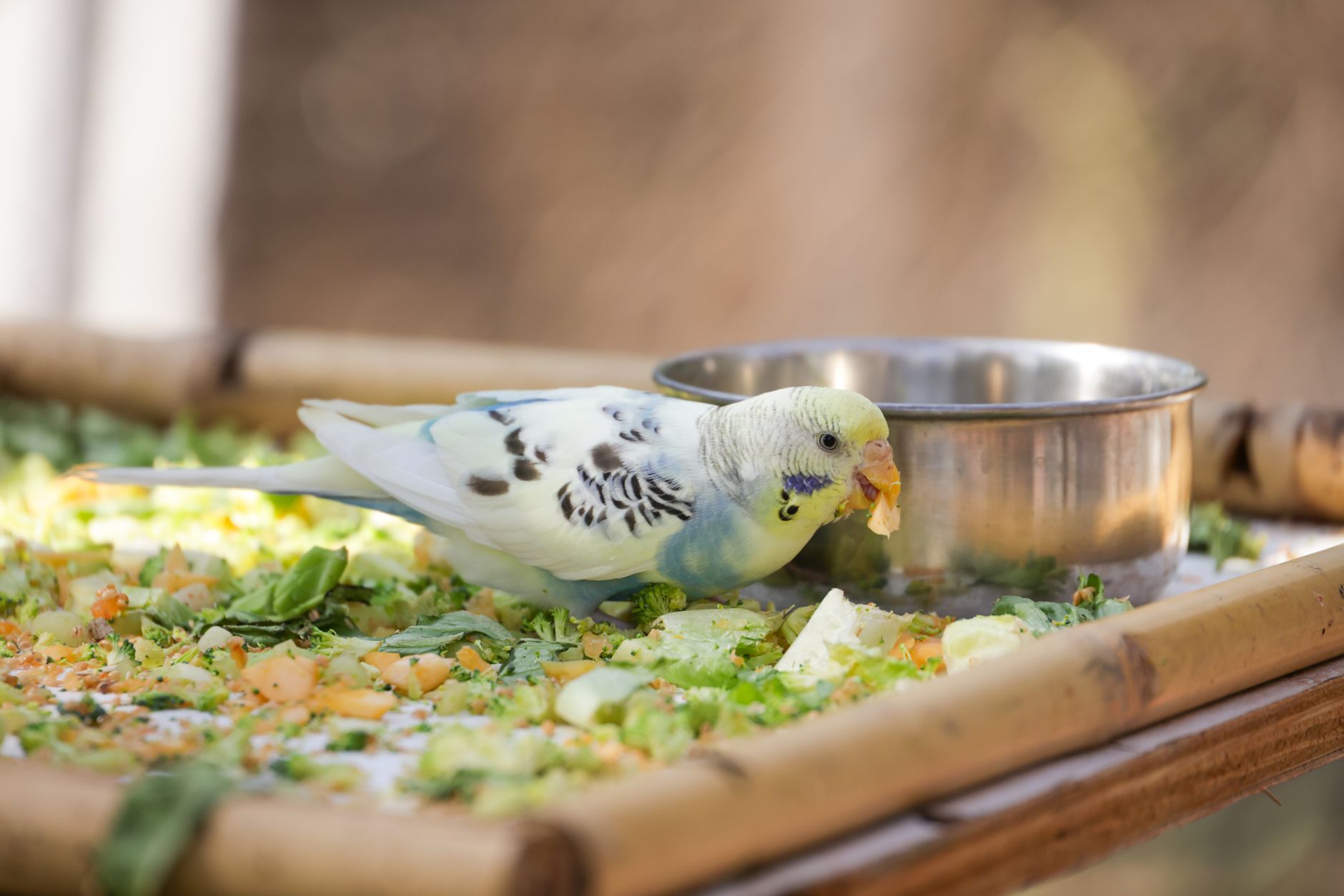
While cockatiels often take the spotlight, budgerigars (parakeets) offer a similar blend of trainability, affordability, and engaging personalities. Like cockatiels, they learn quickly with positive reinforcement and often bond strongly with their owners. They may be slightly smaller and therefore more delicate, so gentle handling is paramount. Ultimately, determining what is the best training bird hinges on your own capacity to meet their specific needs, regardless of species.