
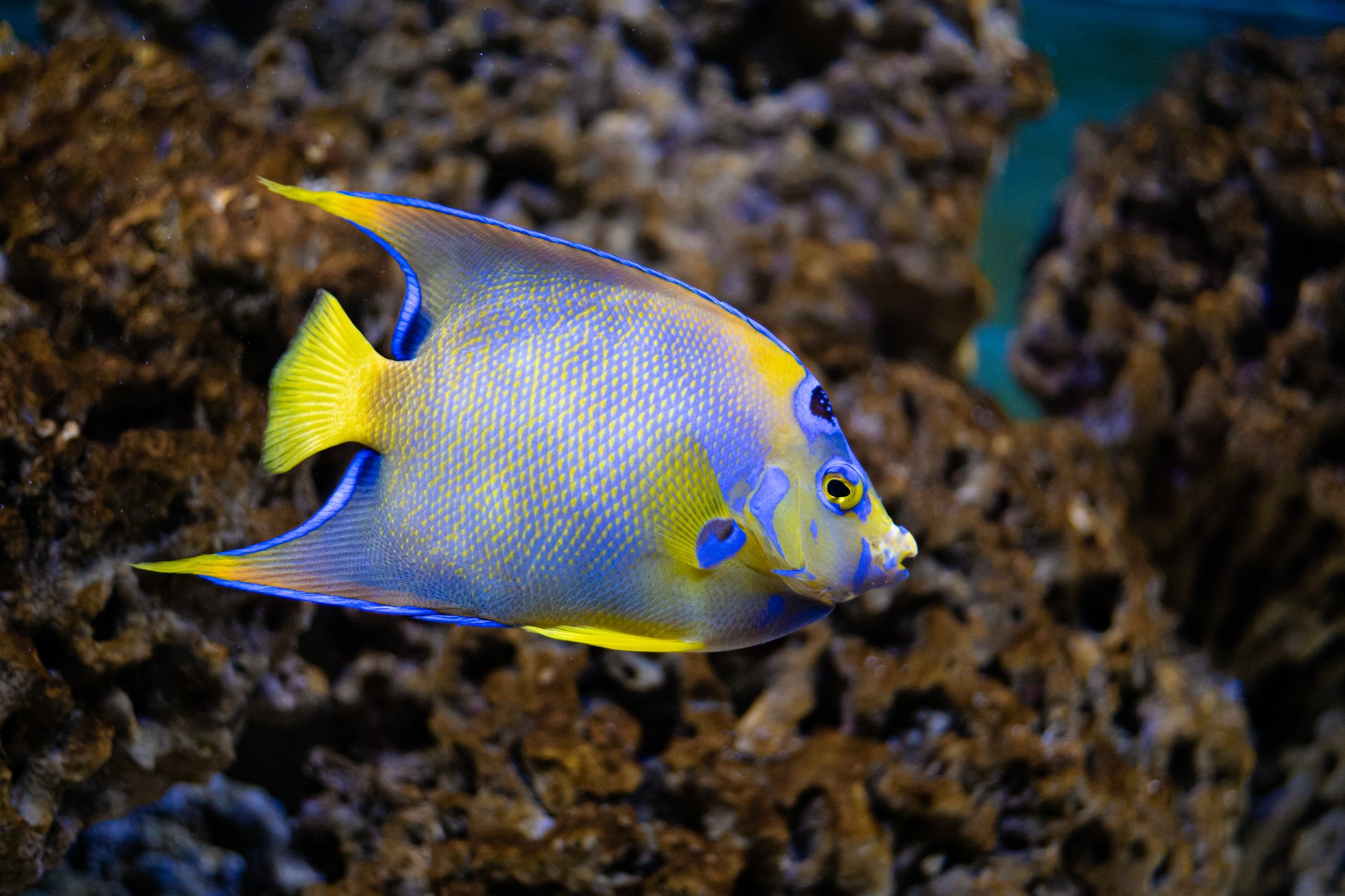
What is the Best Temperature for Breeding Angelfish?
The best temperature for breeding angelfish is generally between 82°F and 86°F (28°C and 30°C). Maintaining this ideal temperature range significantly increases the chances of successful spawning and healthy fry development.

The Angelfish Breeding Background
Angelfish ( Pterophyllum scalare) are a popular choice for aquarium enthusiasts, known for their graceful appearance and relatively easy breeding habits compared to other freshwater fish. However, successful breeding requires careful attention to water parameters, with temperature playing a crucial role. Originating from the warm waters of the Amazon basin, angelfish are accustomed to a specific temperature range that impacts their reproductive behavior and fry survival. Understanding this background is fundamental in determining what is the best temperature for breeding angelfish?.
Benefits of Maintaining Optimal Temperature

Maintaining the optimal breeding temperature offers several key benefits:
- Increased Spawning Frequency: Angelfish are more likely to spawn regularly when the water temperature is within the ideal range.
- Improved Egg Hatch Rate: Higher temperatures, within the safe range, can increase the success rate of hatching.
- Faster Fry Development: Fry develop faster and are more likely to survive in warmer water.
- Reduced Risk of Disease: Optimal temperatures help to strengthen the immune system of both the parents and fry, reducing the risk of disease.
The Breeding Process and Temperature’s Role
The angelfish breeding process is triggered by several factors, but temperature is a primary one. Here’s how it unfolds:
- Pair Formation: Choose a healthy, mature pair of angelfish. They often pair naturally within a group.
- Conditioning: Feed the pair a high-quality diet, including live or frozen foods.
- Water Parameters: Maintain the water quality with regular water changes. Crucially, adjust the temperature to the breeding range of 82°F to 86°F.
- Spawning Substrate: Provide a suitable spawning substrate, such as a piece of slate, a broad-leafed plant, or a spawning cone.
- Spawning: The female will lay eggs on the substrate, and the male will fertilize them.
- Parental Care: Angelfish typically exhibit parental care, fanning the eggs to keep them oxygenated and removing any infertile eggs.
- Hatching: The eggs will hatch in approximately 24-48 hours, depending on the temperature.
- Fry Care: Once the fry become free-swimming, you can start feeding them newly hatched brine shrimp or microworms.
The temperature directly influences the speed of each of these stages. Eggs in cooler water (below 80F) will be much more susceptible to fungal and bacterial growth.
Common Mistakes and Troubleshooting
Breeders new to angelfish can make several temperature related errors that drastically affect success. Here are some common mistakes:
- Fluctuating Temperature: Inconsistent temperature is a common mistake. Keep the temperature stable using a reliable heater.
- Too Low Temperature: As mentioned earlier, cooler water will slow down breeding, and may stop it altogether.
- Too High Temperature: Temperatures above 88°F can be stressful and harmful to angelfish.
- Inadequate Heater: Insufficient heater wattage can result in the aquarium not reaching, or maintaining the optimal temperature. A high-quality, submersible heater is essential.
Recommended Equipment for Temperature Control
To maintain the best temperature for breeding angelfish, these components are crucial:

- Aquarium Heater: A reliable submersible heater with adjustable settings. Aim for a heater with enough wattage to heat your aquarium size effectively (typically 3-5 watts per gallon).
- Thermometer: A digital thermometer for accurate temperature readings. Don’t rely solely on the heater’s built-in thermostat.
- Temperature Controller (Optional): A temperature controller can provide more precise temperature regulation and prevent overheating.
Temperature’s Effect on Egg Hatching
Temperature has a profound effect on egg hatching and fry survival.
| Temperature (°F) | Hatching Time (Approximate) | Fry Survival Rate (Relative) | Notes |
|---|---|---|---|
| 78°F | 72 hours | Low | Increased risk of fungal infection. Slower development. |
| 82°F | 48 hours | Moderate | Acceptable, but fry development will still be a bit slow. |
| 84°F | 36 hours | High | Optimal temperature for rapid hatching and fry development. |
| 86°F | 24-30 hours | High | At the upper limit of the range. Monitor closely for signs of stress. |
| 88°F | Very Rapid | Very Low | Dangerous territory. Increased risk of bacterial infection and stress. Can cause deformities in fry. |
Frequently Asked Questions (FAQs)
What specific type of heater is recommended for an angelfish breeding tank?
A submersible aquarium heater with an adjustable thermostat is recommended. Look for models with built-in safety features, such as automatic shut-off in case of overheating or low water levels. The heater should be of appropriate wattage for the size of your tank (usually 3-5 watts per gallon).
How often should I check the temperature in my angelfish breeding tank?
Check the temperature at least twice a day using a reliable thermometer. Morning and evening are good times to take readings. This ensures you catch any fluctuations early and can make necessary adjustments.
What should I do if the temperature in my angelfish breeding tank fluctuates frequently?
Identify the cause of the fluctuations. It could be drafts, insufficient heater wattage, or heater malfunction. Relocate the tank away from drafts, upgrade the heater if necessary, or consider using a temperature controller. A stable temperature is crucial for successful breeding.
Is it safe to gradually increase the temperature in the breeding tank to stimulate spawning?
Yes, a gradual increase can stimulate spawning. Raise the temperature by no more than 1-2 degrees Fahrenheit per day until you reach the desired breeding temperature (82°F-86°F). Avoid sudden temperature changes, as they can stress the fish.
How does the ambient room temperature affect the water temperature in the breeding tank?
The ambient room temperature can significantly affect the water temperature. In colder climates, you’ll need a more powerful heater. During warmer months, you may need to use a chiller or other cooling methods to prevent the water temperature from exceeding the ideal range.
Can I use an under-gravel heater in an angelfish breeding tank?
While under-gravel heaters can provide some warmth, they are generally not recommended for breeding tanks. They are less efficient at maintaining consistent temperatures compared to submersible heaters, and they can be difficult to adjust.
What are the signs of temperature stress in angelfish?
Signs of temperature stress include:
- Lethargy
- Loss of appetite
- Clamped fins
- Rapid or labored breathing
- Erratic swimming
If you notice any of these signs, immediately check the temperature and adjust it accordingly.
Does the size of the tank impact the ease of maintaining the correct temperature?
Yes. Smaller tanks are more prone to rapid temperature fluctuations, while larger tanks are more stable. However, larger tanks require higher wattage heaters to reach and maintain the best temperature for breeding angelfish.
What should I do if my heater malfunctions and the temperature drops too low?
Immediately replace the heater with a new one. If you don’t have a spare heater, try temporarily insulating the tank with blankets or towels to slow down the temperature drop. Perform partial water changes with pre-warmed water to gradually raise the temperature.
Is it better to keep the temperature at the lower end (82°F) or the higher end (86°F) of the recommended range?
The optimal temperature depends on the specific angelfish strain and individual preferences. Start at the lower end (82°F) and gradually increase it to 84°F or 86°F if needed, closely monitoring the fish’s behavior and spawning activity.
How important is water quality in relation to temperature for successful angelfish breeding?
Water quality is just as important as temperature. Poor water quality can stress the fish and reduce their breeding success, even if the temperature is ideal. Maintain excellent water quality through regular water changes, proper filtration, and avoiding overfeeding. Aim for zero ammonia and nitrite levels and low nitrate levels.
After hatching, should the temperature stay the same for fry development?
Yes, maintain the temperature within the optimal range (82°F-86°F) for fry development. A stable temperature promotes faster growth and reduces the risk of disease. Continue to monitor the temperature closely and make any necessary adjustments to ensure the fry thrive. What is the best temperature for breeding angelfish? It’s crucial throughout all stages.