
What is the Best Talking Bird to Have as a Pet?
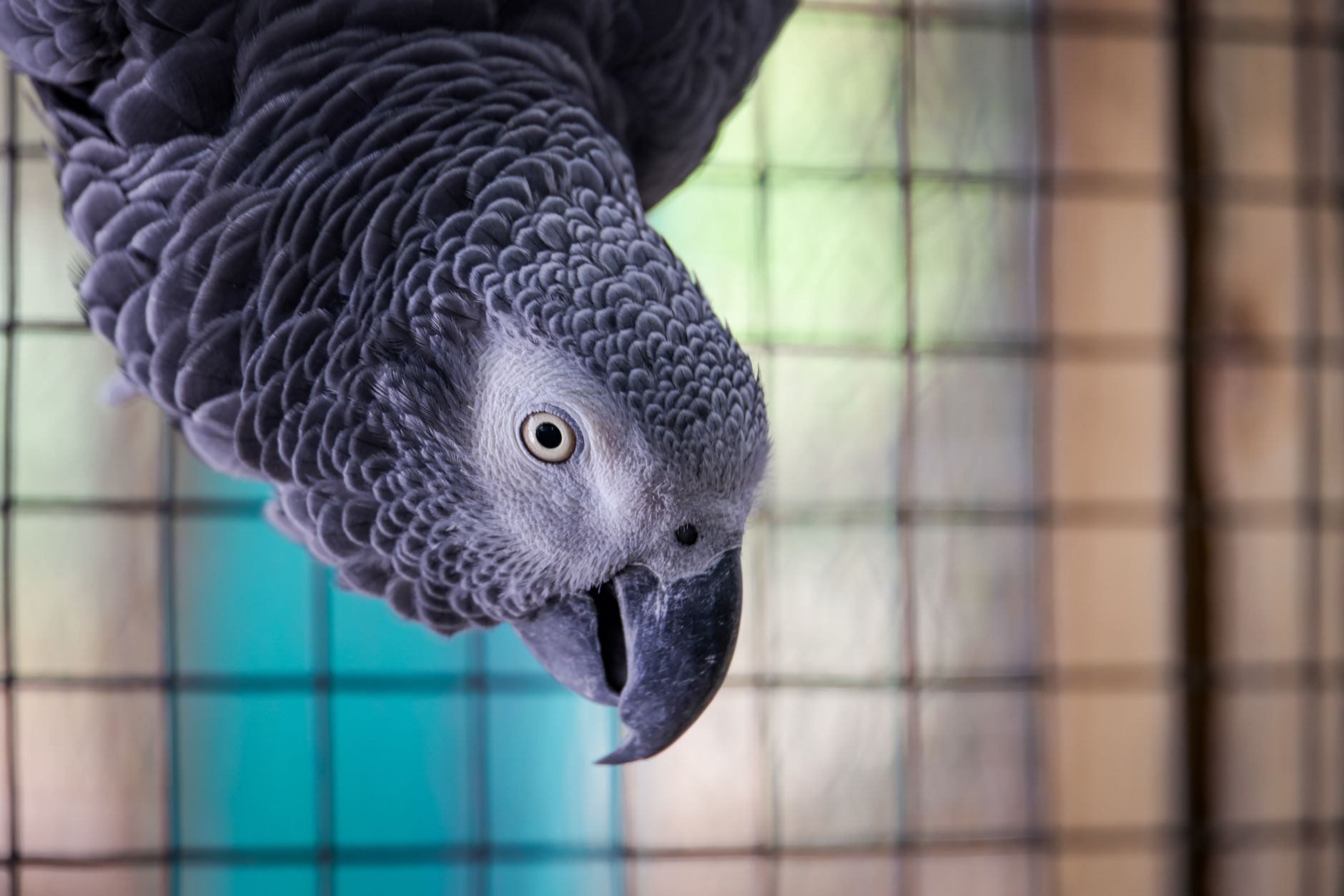
The best talking bird to have as a pet depends on individual lifestyle and preferences, but generally, the African Grey Parrot reigns supreme due to its exceptional intelligence, vocabulary, and engaging personality. They are the gold standard for bird owners seeking conversational companions.

Introduction: The Allure of Talking Birds
The ability of certain bird species to mimic human speech has fascinated and delighted people for centuries. Owning a talking bird offers a unique companionship, a vibrant personality, and the potential for entertaining and even meaningful interactions. However, choosing the right talking bird requires careful consideration of factors such as lifespan, care requirements, noise levels, and individual personality. This article will explore the world of talking birds and guide you towards selecting the best companion for your unique lifestyle.
Understanding the Talking Bird Spectrum

Not all birds are created equal when it comes to mimicking human speech. Some, like budgies (parakeets), can learn to say a few words and phrases, while others, like African Grey Parrots, possess incredible vocabularies and the ability to use language in context. Understanding the capabilities and limitations of different species is crucial to making an informed decision. The capacity to learn and mimic speech varies considerably, influenced by:
- Species: Some species are naturally more inclined to mimic than others.
- Individual Bird: Just like humans, some birds are more gifted than others in language acquisition.
- Training and Environment: Consistent interaction and positive reinforcement are essential for successful learning.
The Contenders: Top Talking Bird Species
Several bird species are renowned for their talking abilities. Here are some of the top contenders, each with unique characteristics:
- African Grey Parrot: Highly intelligent, long-lived, and capable of extensive vocabularies. They can understand the meaning of words and use them in context.
- Amazon Parrot: Playful, energetic, and good talkers. They are known for their loud vocalizations and tendency to form strong bonds with their owners.
- Macaw: Large, colorful, and intelligent. Some macaw species, like the Blue-and-Gold Macaw, can learn to talk, but their size and strong beaks require dedicated care.
- Indian Ringneck Parakeet: Relatively small, intelligent, and capable of clear speech. They are often more affordable and easier to care for than larger parrots.
- Budgerigar (Parakeet): Small, popular, and relatively easy to train. Budgies can learn a surprising number of words and phrases, often with a charming, high-pitched voice.
- Eclectus Parrot: Dimorphic in appearance, with males and females exhibiting drastically different coloration. Eclectus parrots are known for their gentle personalities and ability to mimic sounds and voices.
Factors to Consider Before Choosing a Talking Bird
Choosing what is the best talking bird to have as a pet is a significant decision with long-term implications. Before bringing a talking bird into your home, consider the following factors:
- Lifespan: Parrots can live for decades, with some species exceeding 80 years. Be prepared for a long-term commitment.
- Care Requirements: Talking birds require spacious cages, a varied diet, regular enrichment, and veterinary care.
- Noise Levels: Parrots can be loud, especially during certain times of the day. Consider your neighbors and living situation.
- Personality: Each bird has its own unique personality. Spend time interacting with different birds to find one that matches your temperament.
- Cost: The initial cost of a talking bird can be substantial, but ongoing expenses, such as food, toys, and veterinary care, can also add up.
- Time Commitment: Talking birds require significant time and attention for training, socialization, and enrichment.
Comparative Table: Talking Bird Species
| Species | Talking Ability | Temperament | Lifespan | Size | Noise Level |
|---|---|---|---|---|---|
| African Grey Parrot | Excellent | Intelligent, sensitive | 50-80 years | Medium | Moderate |
| Amazon Parrot | Good | Playful, energetic | 40-70 years | Medium | High |
| Macaw | Moderate | Intelligent, demanding | 30-50 years | Large | High |
| Indian Ringneck Parakeet | Good | Intelligent, active | 20-30 years | Small | Moderate |
| Budgerigar (Parakeet) | Fair | Docile, friendly | 5-10 years | Very Small | Moderate |
| Eclectus Parrot | Good | Gentle, intelligent | 30-50 years | Medium | Moderate |
Training and Socialization: Unlocking Your Bird’s Potential
Proper training and socialization are crucial for developing a well-adjusted and talkative bird. Start by building a bond of trust with your bird through gentle interaction and positive reinforcement. Introduce new words and phrases gradually, using repetition and associating them with specific objects or actions. Make training sessions fun and engaging, and always reward your bird for its efforts. Socialization is equally important. Expose your bird to different people, environments, and experiences to help it become a confident and well-behaved companion.
Common Mistakes to Avoid
- Ignoring Noise Levels: Understand your tolerance for noise before committing to a talking bird.
- Lack of Socialization: Neglecting socialization can lead to behavioral problems like excessive screaming or feather plucking.
- Inadequate Cage Size: A cramped cage restricts movement and can negatively impact a bird’s well-being.
- Poor Diet: Provide a balanced diet of pellets, fresh fruits, and vegetables to maintain your bird’s health.
- Neglecting Mental Stimulation: Provide toys, puzzles, and opportunities for interaction to keep your bird mentally stimulated.
Conclusion: Finding Your Perfect Talking Companion
Ultimately, what is the best talking bird to have as a pet? It boils down to your specific needs and circumstances. Research different species, visit breeders or rescues, and spend time interacting with various birds to find the perfect match. With careful planning, dedicated care, and a lot of patience, you can forge a lasting bond with a talking bird and enjoy years of companionship, entertainment, and meaningful conversations.

Frequently Asked Questions (FAQs)
Are African Grey Parrots the smartest talking birds?
Yes, African Grey Parrots are generally considered the smartest talking birds, known for their exceptional cognitive abilities, large vocabularies, and capacity to understand the meaning of words and use them in context.
How much does it cost to own a talking bird?
The cost of owning a talking bird varies depending on the species, but initial expenses can range from several hundred to several thousand dollars for the bird itself. Ongoing costs include food, toys, veterinary care, and cage maintenance.
What is the lifespan of a typical talking bird?
Lifespans vary considerably depending on the species. Budgies typically live 5-10 years, while larger parrots like macaws and African Greys can live for 50 years or more.
Do all parrots talk?
No, not all parrots talk. While many parrot species are capable of mimicking human speech, some are better talkers than others. Also, individual birds within a species may vary in their talking abilities.
How can I teach my bird to talk?
Teaching a bird to talk requires patience, consistency, and positive reinforcement. Repeat words and phrases frequently, associate them with specific objects or actions, and reward your bird for its efforts.
What is the best diet for a talking bird?
The best diet for a talking bird consists of a balanced mix of high-quality pellets, fresh fruits, vegetables, and nuts. Avoid feeding your bird processed foods, sugary treats, or avocados, which are toxic to birds.
How much space does a talking bird need?
Talking birds need spacious cages that allow them to spread their wings and move around freely. The size of the cage will depend on the size of the bird.
Are talking birds noisy?
Yes, most talking birds are noisy to some extent. Parrots can be particularly loud, especially during certain times of the day. Consider your tolerance for noise before getting a talking bird.
Do talking birds require a lot of attention?
Yes, talking birds require a significant amount of attention and interaction. They are social creatures that thrive on human companionship. Neglecting their social needs can lead to behavioral problems.
What are some common health problems in talking birds?
Common health problems in talking birds include feather plucking, psittacosis (parrot fever), and respiratory infections. Regular veterinary checkups are essential for maintaining your bird’s health.
Can I leave my talking bird alone for extended periods?
Leaving a talking bird alone for extended periods can lead to boredom, loneliness, and behavioral problems. If you must leave your bird alone for more than a few hours, provide plenty of toys, enrichment, and a reliable source of food and water.
Where can I find a reputable breeder or rescue organization for talking birds?
Reputable breeders and rescue organizations can be found through online directories, bird clubs, and avian veterinarians. Always research a breeder or rescue organization thoroughly before acquiring a talking bird.