

What is the Best Substrate for a Coral Tank?
The best substrate for a coral tank is a nuanced choice dependent on your specific needs and goals, but generally, a thin layer of aragonite sand or a bare-bottom tank offers the most flexibility, stability, and ease of maintenance for the majority of reef aquarists.
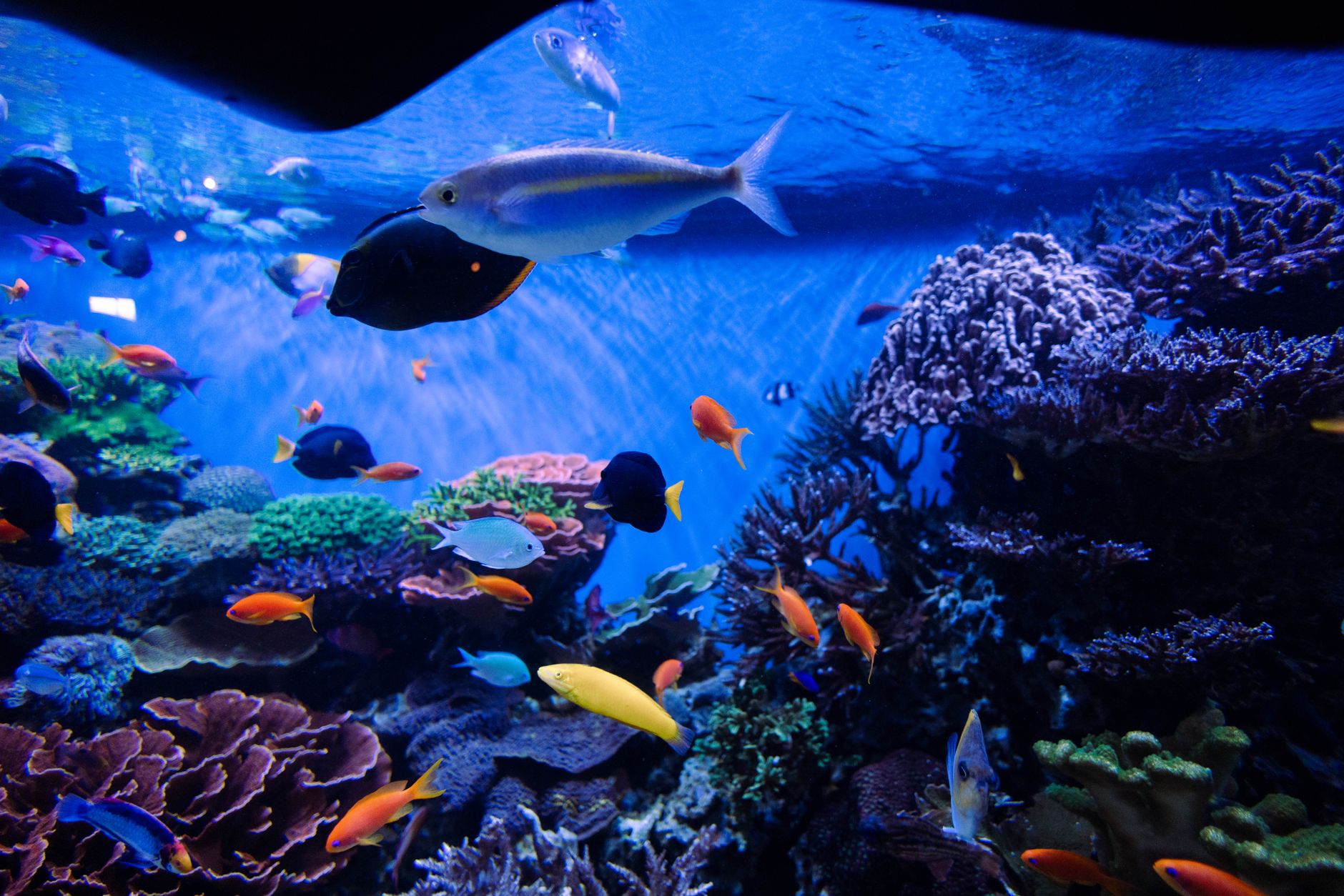
Choosing the right substrate for your coral tank is a crucial decision that can significantly impact the health and stability of your reef ecosystem. The substrate, which is the material that lines the bottom of your aquarium, serves as more than just an aesthetic element; it plays a vital role in biological filtration, nutrient cycling, and providing habitat for beneficial organisms. Selecting the appropriate substrate requires careful consideration of several factors, including the types of corals you plan to keep, your desired maintenance level, and the overall goals for your reef tank.
Understanding the Role of Substrate in a Coral Tank
The substrate performs several key functions in a reef aquarium:
- Biological Filtration: The substrate provides a surface area for beneficial bacteria to colonize. These bacteria are essential for converting harmful ammonia and nitrites into less toxic nitrates, a process known as nitrification.
- Nutrient Cycling: Substrate can act as a reservoir for nutrients, both beneficial and detrimental. The presence of a deep sand bed can facilitate denitrification, converting nitrates into nitrogen gas, which is then released into the atmosphere.
- Habitat for Invertebrates: Many beneficial invertebrates, such as copepods, amphipods, and worms, live within the substrate. These organisms contribute to the overall health of the reef by consuming detritus and algae, and also serving as a food source for fish and corals.
- Aesthetics: The substrate contributes to the overall visual appeal of the aquarium, providing a natural-looking environment for your corals and fish.
Different Types of Substrate for Coral Tanks

There are several options available for substrate in a coral tank, each with its own advantages and disadvantages. The most common include:
- Aragonite Sand: This is the most popular choice for reef aquariums. Aragonite is a naturally occurring calcium carbonate mineral that helps to buffer pH and maintain alkalinity. It comes in various grain sizes, from fine sand to coarse gravel.
- Fine sand is aesthetically pleasing and provides a good surface area for bacteria, but can be prone to compaction and anaerobic zones.
- Coarse gravel allows for better water flow, but can trap detritus.
- Crushed Coral: Made from pieces of dead coral skeletons. Crushed coral provides a larger surface area for bacteria than aragonite sand, but it can also trap more detritus.
- Bare Bottom: Some reef aquarists choose to forego substrate altogether. This approach makes it easier to clean the tank and prevents the build-up of detritus.
- Live Sand: Pre-seeded with beneficial bacteria and other microorganisms. This is a great way to jumpstart the biological filtration in your tank, but can be more expensive.
- Specialty Substrates: These include substrates designed to promote specific processes, such as nitrate reduction or phosphate absorption.
Selecting the Right Substrate Depth
The depth of the substrate is another important consideration. There are two main approaches:
- Shallow Sand Bed (SSB): Typically 1-2 inches deep. This depth allows for good water flow and prevents the formation of anaerobic zones.
- Deep Sand Bed (DSB): Usually 4 inches or deeper. A DSB can facilitate denitrification, but it requires careful management to prevent the build-up of hydrogen sulfide, a toxic gas.
The choice between an SSB and a DSB depends on your experience level and your goals for the tank. SSBs are generally easier to maintain, while DSBs can provide additional filtration but require more advanced knowledge.
The Bare-Bottom Approach
Many modern reef aquarists are choosing the bare-bottom approach. By eliminating the substrate, you can:
- Easily remove detritus: Debris that settles on the bottom is easily siphoned out during water changes.
- Reduce nutrient buildup: Less detritus means fewer nitrates and phosphates.
- Improve water quality: A cleaner tank means healthier corals and fish.
- Reduce pest outbreaks: Pests like flatworms and unwanted algae have fewer places to hide.
While bare-bottom tanks require more diligent maintenance in terms of manual removal of detritus, they can lead to a healthier and more stable reef environment.
Common Mistakes When Choosing Substrate
- Using the Wrong Grain Size: Selecting too fine of a sand can lead to compaction and anaerobic zones, while too coarse of a substrate can trap detritus.
- Not Rinsing the Substrate: Always rinse new substrate thoroughly before adding it to your tank to remove dust and debris.
- Ignoring Water Flow: Adequate water flow is essential for preventing the build-up of detritus and maintaining healthy oxygen levels in the substrate.
- Overstocking the Tank: Overstocking can lead to an increase in nutrient levels, which can overwhelm the substrate’s ability to filter the water.
- Ignoring Alkalinity and pH: Aragonite substrate helps to buffer pH, but it’s important to regularly test your water parameters and make adjustments as needed.
What is the best substrate for a coral tank? : Weighing the Options
Ultimately, what is the best substrate for a coral tank depends on individual preferences and the specific needs of the reef ecosystem. A shallow sand bed of aragonite sand or a bare-bottom tank are generally considered the most manageable and effective options for most reef keepers. Careful research and consideration of the factors discussed above will help you make the best choice for your aquarium.

Frequently Asked Questions (FAQs)
What is the best grain size for aragonite sand?
The best grain size for aragonite sand depends on your specific needs. Fine sand (0.5-1.0mm) is aesthetically pleasing and provides a large surface area for bacteria, but it can be prone to compaction. Coarse sand (1-2mm) allows for better water flow and is less likely to compact, but it may trap more detritus. A medium-sized grain (1.0-1.5mm) is often a good compromise.
How often should I clean my substrate?
You should aim to clean your substrate regularly, typically during water changes. Use a gravel vacuum to remove detritus and debris from the top layer of the substrate. Be careful not to disturb the deeper layers of the substrate too much, as this can release trapped nutrients. For a bare bottom tank, simply siphon the detritus that has settled.
Can I use pool filter sand in a coral tank?
While pool filter sand is chemically inert, it is not recommended for coral tanks. It lacks the buffering capacity of aragonite sand, which helps to maintain stable pH and alkalinity. Additionally, it does not provide the same habitat for beneficial invertebrates.
Is live sand really worth the extra cost?
Live sand can be a good investment for jumpstarting the biological filtration in a new tank, but it’s not essential. If you are patient and allow your tank to cycle properly, the beneficial bacteria will colonize the substrate naturally.
How do I prevent anaerobic zones in my substrate?
To prevent anaerobic zones, ensure adequate water flow throughout the substrate. You can also use sand-sifting organisms, such as Nassarius snails or sea cucumbers, to help turn over the substrate. Regular gravel vacuuming is also important.
What are the benefits of a deep sand bed (DSB)?
A DSB can facilitate denitrification, which helps to reduce nitrate levels in the tank. It can also provide a habitat for a wider variety of beneficial invertebrates.
What are the risks associated with deep sand beds (DSB)?
The main risk associated with DSBs is the potential for the build-up of hydrogen sulfide, a toxic gas. This can occur if the DSB becomes anaerobic. Proper maintenance and adequate water flow are essential for preventing this.
How do I avoid hydrogen sulfide build-up in a DSB?
To avoid hydrogen sulfide build-up, maintain good water flow through the DSB and avoid disturbing the deeper layers. You can also add a sand-stirring device to help aerate the substrate.
What are the best sand-sifting organisms for a coral tank?
Some of the best sand-sifting organisms include:
- Nassarius snails
- Cerith snails
- Tiger Tail Cucumber (Holothuria Thomasgrahami)
- Conches
How much substrate do I need for my coral tank?
For a shallow sand bed (SSB), you typically need 1-2 inches of substrate. The exact amount will depend on the size of your tank and the grain size of the substrate. A bare-bottom tank requires no substrate.
Can I mix different types of substrate in my coral tank?
Yes, you can mix different types of substrate, such as aragonite sand and crushed coral. However, it’s important to consider the potential interactions between the different materials. For example, mixing fine sand with coarse gravel can lead to the gravel trapping more detritus.
How do I prepare new substrate before adding it to my tank?
Rinse new substrate thoroughly with saltwater before adding it to your tank. This will remove dust and debris that could cloud the water and introduce unwanted nutrients. It is also important to ensure that your substrate is reef safe.