
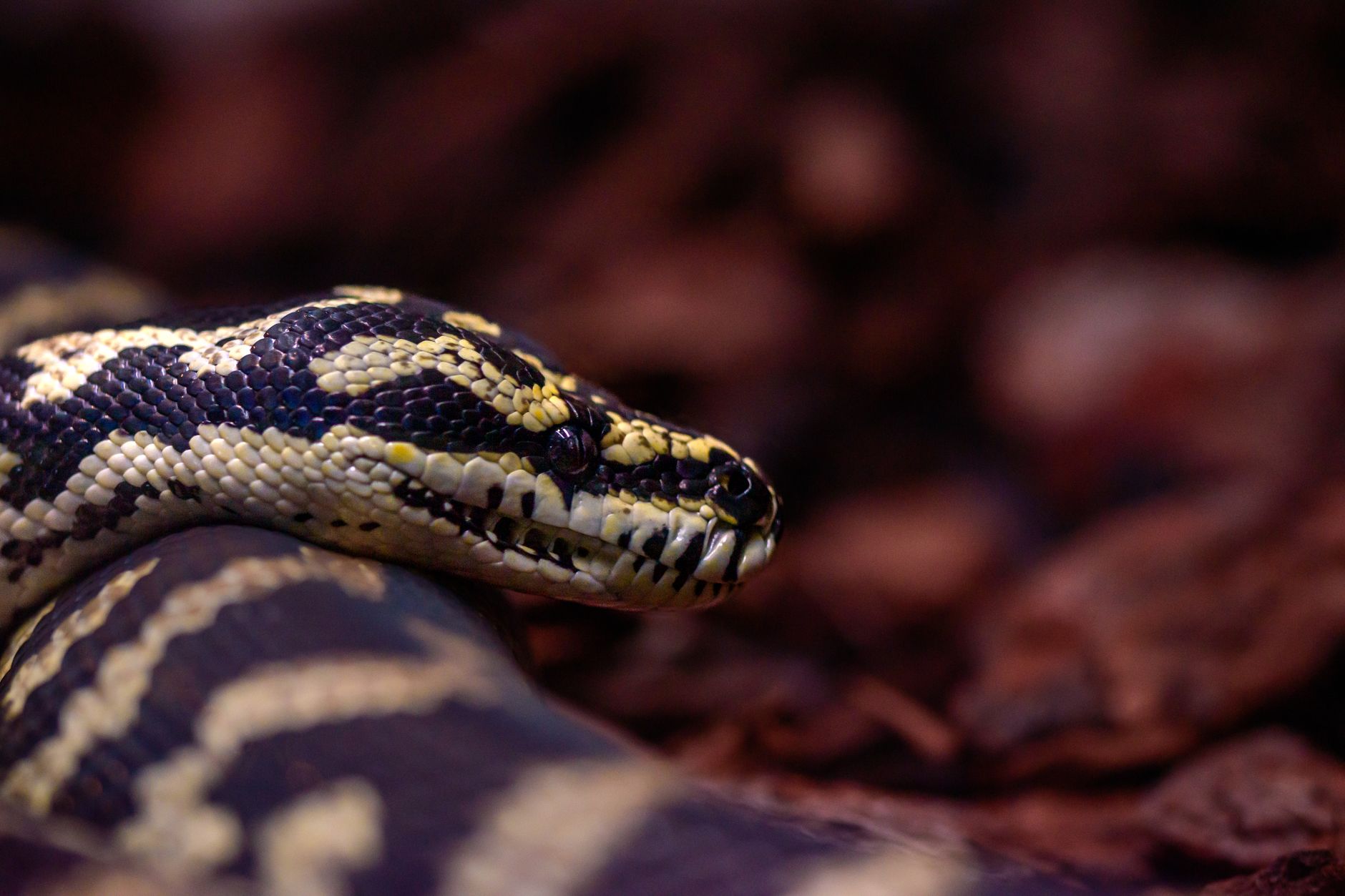
What is the Best First Snake in Australia for Beginners?
The best first snake in Australia for beginners is generally considered to be the Children’s Python, due to its docile temperament, manageable size, readily available food source, and relatively simple care requirements. These snakes offer a fulfilling reptile-keeping experience without overwhelming novice owners.

Introduction: A Beginner’s Guide to Australian Snake Ownership
Australia boasts a diverse range of snakes, but owning one is a significant responsibility. Choosing the right species for your first snake is crucial for both your success and the well-being of the animal. It’s essential to consider factors such as size, temperament, feeding habits, and care requirements before making a decision. This guide explores what is the best first snake in Australia, focusing on species that are manageable for beginners.
Why Children’s Pythons Are Highly Recommended

Children’s Pythons (Antaresia childreni) consistently rank high on lists of recommended beginner snakes. Their suitability stems from several key characteristics:
- Docile Temperament: They are generally very calm and handleable, making them less intimidating for new owners.
- Manageable Size: Reaching an adult length of around 1 meter (3-4 feet), they don’t require enormous enclosures.
- Relatively Simple Care: They are adaptable to a range of temperatures and humidity levels found in most Australian households.
- Readily Available Food: They primarily eat mice, which are easily sourced from pet stores.
- Beautiful Appearance: They have attractive patterning and coloration.
Alternatives to Consider
While Children’s Pythons are often considered the gold standard, other options exist. These alternatives share some of the desirable characteristics but may have slightly different care requirements or temperaments:
- Spotted Python (Antaresia maculosa): Similar to Children’s Pythons in size and temperament but can be slightly more prone to nipping as juveniles.
- Stimson’s Python (Antaresia stimsoni): Another small python species with generally good temperaments, but they can be a little more active than Children’s Pythons.
- Olive Python (Liasis olivaceus): While significantly larger, growing up to 4 meters, olive pythons are generally known for their docile nature. However, only experienced keepers should consider this option. This is because they require a much larger enclosure and are more expensive to feed. They are generally docile, but their size makes it more dangerous to keep than the other species on this list.
Setting Up Your Snake’s Enclosure
Creating the right environment is crucial for the health and well-being of your snake. Here’s a basic checklist:
- Enclosure Size: A secure enclosure of appropriate size is paramount. For Children’s Pythons, a 60cm x 45cm x 45cm (24in x 18in x 18in) enclosure is generally sufficient for an adult.
- Substrate: Use appropriate bedding material, such as aspen shavings, reptile carpet, or paper towels. Avoid cedar shavings, as they are toxic to reptiles.
- Heating: Provide a heat source, such as a heat mat or ceramic heat emitter, to create a thermal gradient within the enclosure. The hot spot should be around 32°C (90°F), with a cooler area around 24°C (75°F).
- Hides: Offer multiple hiding spots on both the warm and cool sides of the enclosure.
- Water Dish: Provide a clean water dish large enough for the snake to soak in.
- Humidity: Maintain appropriate humidity levels, generally between 40-60%. A hygrometer can help monitor this.
Feeding Your First Snake
Feeding is a crucial aspect of snake ownership.
- Frequency: Feed young snakes once a week, and adult snakes every 10-14 days.
- Prey Size: Offer appropriately sized prey items. The prey should be no larger than the widest part of the snake’s body.
- Frozen-Thawed: Feed frozen-thawed mice or rats. Never feed live prey, as it can injure the snake.
- Handling After Feeding: Avoid handling your snake for 24-48 hours after feeding to allow it to digest its meal.
Common Mistakes New Snake Owners Make
Avoiding these common pitfalls will contribute to the health and happiness of your snake:
- Improper Heating: Not providing a proper thermal gradient can lead to health problems.
- Overfeeding: Overfeeding can lead to obesity and other health issues.
- Incorrect Humidity: Too much or too little humidity can cause shedding problems.
- Inadequate Enclosure Security: Snakes are escape artists! Ensure the enclosure is escape-proof.
- Handling Too Soon: Give the snake time to acclimate to its new environment before handling it frequently.
Resources for Australian Snake Owners
- Local Reptile Clubs: Joining a local reptile club provides access to experienced keepers and valuable information.
- Veterinarians Specializing in Reptiles: Finding a veterinarian experienced with reptiles is crucial for addressing any health concerns.
- Online Forums and Communities: Numerous online forums and communities offer a wealth of information and support.
- Reptile Expos: These events are great places to learn about different species, meet breeders, and purchase supplies.
Frequently Asked Questions (FAQs)
Is it legal to own a snake in Australia?
Yes, but you need a license or permit to keep snakes in most Australian states and territories. The requirements vary depending on the species and your location, so it’s essential to check with your local wildlife authority before acquiring a snake. Penalties for keeping snakes without a license can be significant.
How often do snakes need to be handled?
Handling frequency depends on the snake’s temperament and your experience. Start with short, infrequent handling sessions and gradually increase them as the snake becomes more comfortable. Avoid handling a snake that is about to shed or has recently eaten.
What is the lifespan of a Children’s Python?
With proper care, Children’s Pythons can live for 20-30 years in captivity. This is a significant commitment, so it’s important to be prepared for the long-term responsibility of owning a snake.
What do I do if my snake refuses to eat?
A snake refusing to eat can be a sign of underlying issues. Check the enclosure’s temperature and humidity, and ensure the prey size is appropriate. If the problem persists, consult a reptile veterinarian to rule out any health problems. They may recommend force-feeding or other interventions.
How can I tell if my snake is shedding?
Snakes shed their skin periodically. Signs of shedding include opaque or bluish eyes and a dull appearance to the skin. During this time, it’s important to maintain proper humidity levels to ensure a smooth shed.
What are the signs of a sick snake?
Common signs of illness in snakes include lethargy, loss of appetite, regurgitation, difficulty shedding, abnormal breathing, and skin lesions. If you notice any of these signs, consult a reptile veterinarian immediately.
Can I keep multiple snakes in the same enclosure?
While some snake species can be cohabitated, it is generally not recommended for beginners. Keeping multiple snakes together can lead to stress, competition for resources, and even cannibalism in some cases. It’s best to house snakes individually.
Where can I buy a Children’s Python in Australia?
You can purchase Children’s Pythons from reputable reptile breeders, pet stores that specialize in reptiles, and reptile expos. Always ensure you are buying from a licensed and ethical source. Avoid purchasing snakes from online marketplaces without proper verification of the seller.
How much does it cost to set up a snake enclosure?
The initial cost of setting up a snake enclosure can range from $200 to $500 or more, depending on the size and complexity of the setup. Ongoing costs include food, substrate, heating, and veterinary care.
Are Children’s Pythons venomous?
No, Children’s Pythons, like all members of the Antaresia genus, are non-venomous. They kill their prey by constriction.
What size enclosure do I need for a fully grown Children’s Python?
A 60cm x 45cm x 45cm (24in x 18in x 18in) enclosure is generally sufficient for an adult Children’s Python. However, larger is always better if you have the space.
What temperatures should I maintain in my snake enclosure?
Maintain a temperature gradient with a hot spot of around 32°C (90°F) and a cooler area around 24°C (75°F). Nighttime temperatures can drop slightly. Use a thermostat to regulate the temperature and prevent overheating. Knowing what is the best first snake in Australia is important, but knowing how to care for it is essential.