
What is the Best Bait for Bluegill Bass?
The absolute best bait for bluegill bass is often debated, but generally, small, live baits like worms and crickets prove most effective due to their natural appeal and irresistible movement. Success also hinges on location, time of year, and local conditions.

Understanding the Allure of Bluegill Bass
Bluegill, often mistakenly called “bluegill bass“, are popular panfish prized for their abundance and ease of catching. They are a cornerstone of many freshwater ecosystems, providing food for larger predators and enjoyment for anglers of all ages. Their relatively small size and aggressive feeding habits make them an excellent target for introducing beginners to the art of fishing. Understanding their diet and preferred feeding locations is critical when determining what is the best bait for bluegill bass?
Key Considerations When Choosing Bait

Choosing the right bait involves considering a few crucial factors. Bluegill are opportunistic feeders, meaning they will eat almost anything they can fit in their small mouths. However, they have preferences, and some baits consistently outperform others. Understanding these preferences will significantly improve your success.
- Size Matters: Bluegill have small mouths, so bait size is critical. Offerings that are too large will be ignored.
- Natural Presentation: The more natural the bait appears in the water, the more likely a bluegill is to strike. Consider how the bait moves and whether it imitates natural prey.
- Scent and Taste: Bluegill rely on their sense of smell and taste to locate food. Baits with strong odors or appealing flavors can be highly effective.
- Location and Time of Year: What works in one location or season may not work in another. Adjust your bait selection based on where and when you are fishing.
Top Bait Options for Bluegill Bass
Several bait options consistently prove effective for attracting bluegill. Here’s a breakdown of some of the most popular and productive choices:
- Earthworms: A classic and reliable choice. Small pieces of earthworm threaded onto a hook are irresistible to bluegill.
- Mealworms: Another excellent option, especially when fishing in colder water. Their bright color and wriggling movement attract attention.
- Waxworms: Similar to mealworms, but often slightly larger and more nutritious. They provide a substantial meal for bluegill.
- Crickets: A natural food source for bluegill, especially during the summer months. Live crickets are highly effective, but artificial cricket baits can also work.
- Maggots (Grubs): Small and wriggly, maggots are highly effective, especially in areas where bluegill are accustomed to feeding on them.
- Bread/Dough Balls: A simple and inexpensive option. Small pieces of bread or dough can be molded onto a hook. While less effective than live bait, they can still catch fish.
- Corn: Similar to bread, corn is easy to obtain and relatively effective. Canned sweet corn kernels are a popular choice.
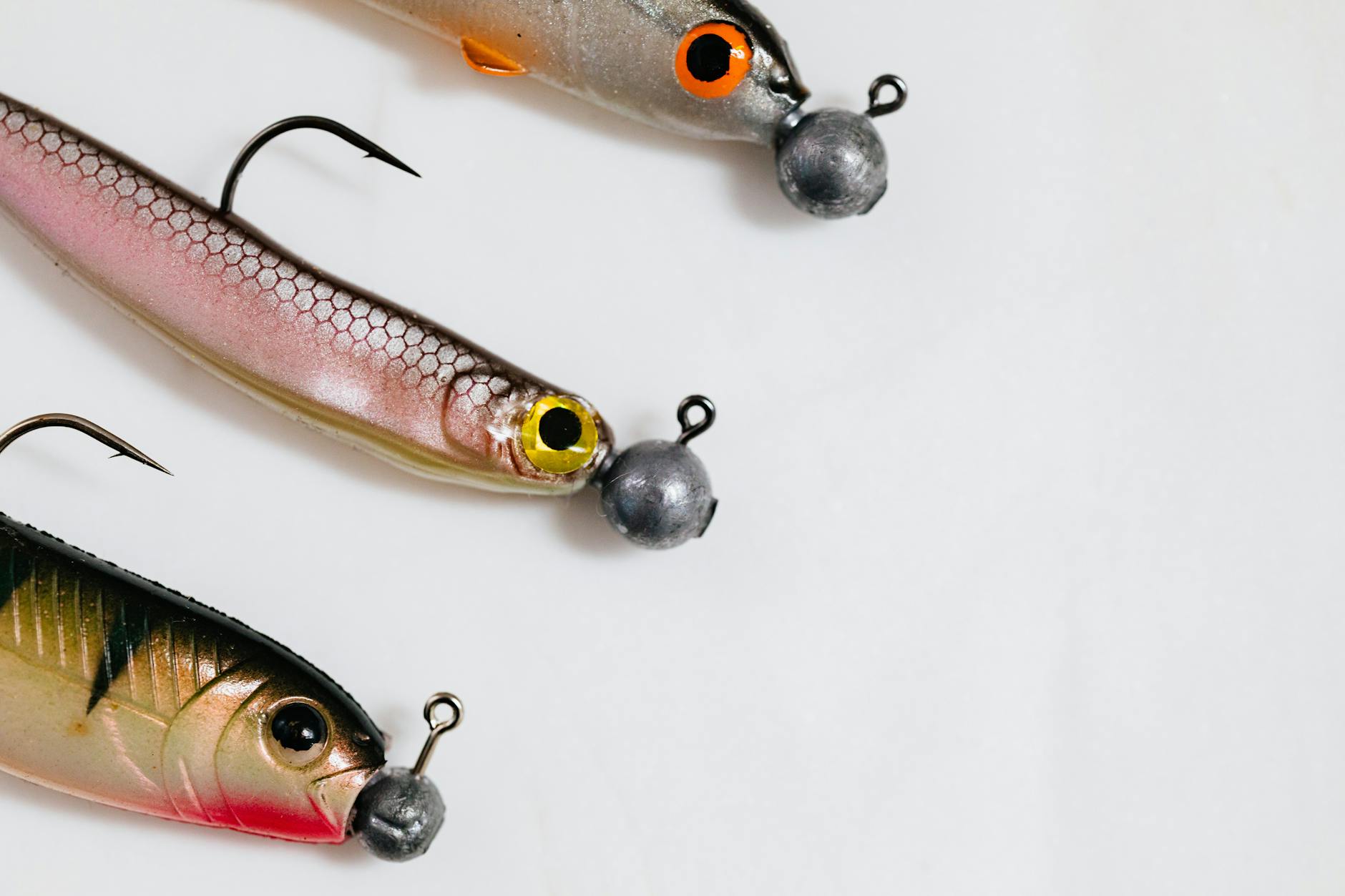
- Artificial Baits: Small jigs, spinners, and plastic lures designed to imitate insects or small fish can also be effective.
Presentation Techniques for Different Baits
The way you present your bait can significantly impact your success. Here are some tips for presenting common bluegill baits:
- Worms: Thread a small piece of earthworm onto a small hook (size 6-10), leaving a small portion dangling to entice the fish.
- Mealworms/Waxworms: Hook the worm through the head or just behind the head, allowing it to wiggle freely.
- Crickets: Hook the cricket through the thorax (the middle section of the body) to keep it alive longer.
- Maggots: Hook several maggots onto a small hook, covering the hook completely.
- Bread/Dough Balls/Corn: Mold a small piece of bait onto the hook, ensuring the hook point is exposed.
Artificial Lures for Bluegill Bass
While live bait is often the most effective, artificial lures can also be very successful.
- Small Jigs: Micro jigs tipped with mealworms or waxworms are excellent for targeting bluegill in deeper water.
- Spinners: Small spinners create flash and vibration that attract bluegill.
- Plastic Lures: Tiny plastic grubs, worms, and creature baits can be rigged on a small jighead or hook.
Comparison Table of Common Bluegill Baits
| Bait | Effectiveness | Cost | Availability | Best Use |
|---|---|---|---|---|
| Earthworms | High | Low | Common | General fishing, all seasons |
| Mealworms | Medium | Medium | Common | Colder water, ice fishing |
| Waxworms | High | Medium | Common | General fishing, panfish tournaments |
| Crickets | High | Medium | Seasonal | Summer months, surface feeding bluegill |
| Maggots | Medium | Low | Common | Heavily pressured waters |
| Bread/Dough | Low | Very Low | Common | Quick, inexpensive fishing |
| Corn | Low | Very Low | Common | Simple, easy fishing |
| Small Jigs | Medium | Medium | Common | Deeper water, targeting larger bluegill |
| Spinners | Medium | Medium | Common | Active fishing, covering water quickly |
| Plastic Lures | Medium | Medium | Common | Versatile, can imitate various prey |
Refining Your Strategy for Bluegill Bass
Ultimately, determining what is the best bait for bluegill bass? requires experimentation and observation. Pay attention to what is working in your specific location and adjust your strategy accordingly. Talking to local anglers and bait shop owners can also provide valuable insights.

Frequently Asked Questions (FAQs)
What is the best size hook to use for bluegill?
A size 6 to 10 hook is generally recommended for bluegill fishing. This size is small enough to fit comfortably in their mouths but large enough to hold the bait securely and provide a good hookset.
Do bluegill prefer live or artificial bait?
While artificial lures can work, bluegill often prefer live bait due to its natural appearance, movement, and scent. Live bait is especially effective when fishing in clear water or when bluegill are being particularly picky.
What is the best time of day to fish for bluegill?
Bluegill are most active during the early morning and late afternoon, when the sun is lower in the sky and the water temperature is more comfortable. Overcast days can also provide excellent fishing opportunities.
How deep should I fish for bluegill?
The depth at which bluegill are found can vary depending on the time of year and water conditions. During the spring spawning season, they are often found in shallow water near shore. In the summer, they may move to deeper water to escape the heat. Experiment with different depths to find where the fish are holding.
Can I use scented lures for bluegill?
Yes, scented lures can be very effective for bluegill. Many anglers use lures that are infused with fish attractants or scents that mimic natural prey items.
What is the best color lure for bluegill?
Bright colors, such as chartreuse, yellow, and white, tend to be the most effective for bluegill. However, darker colors, such as black and brown, can also work well in murky water.
How do I attract bluegill to my fishing spot?
Chumming, or baiting an area to attract fish, can be an effective way to draw bluegill to your fishing spot. Common chumming materials include bread crumbs, corn, and small pieces of worm.
What is the best way to hook a worm for bluegill?
The best way to hook a worm for bluegill is to thread a small piece of worm onto a small hook (size 6-10), leaving a small portion dangling to entice the fish. Avoid using large pieces of worm, as this can make it difficult for bluegill to bite.
What is the best type of fishing line to use for bluegill?
Lightweight monofilament or fluorocarbon line is recommended for bluegill fishing. A line with a test strength of 2-4 pounds is typically sufficient.
How do I know if a bluegill has taken the bait?
Bluegill often nibble at the bait before taking it completely. Watch your line closely for any movement or twitches, and set the hook quickly when you feel a tug.
What are some common mistakes to avoid when fishing for bluegill?
Using hooks that are too large, using bait that is too large, fishing in the wrong location, and not paying attention to the water conditions are all common mistakes to avoid when fishing for bluegill.
Is it possible to catch bluegill using flies?
Yes, fly fishing for bluegill can be a very rewarding experience. Small nymphs, poppers, and dry flies are all effective choices.