

What is the 1st Best Dog?
The title of “What is the 1st best dog?” implies an objective, singular winner, but the real answer is more nuanced: the best dog is the one that best suits your individual lifestyle and needs. Different breeds excel in different environments and with different owners.

Introduction: The Quest for Canine Perfection
The age-old question of “What is the 1st best dog?” has plagued dog lovers for centuries. From loyal companions to skilled working animals, dogs have earned a place in our hearts and homes. But with hundreds of breeds, each boasting unique characteristics, how can we possibly determine which reigns supreme? The truth is, the “best” dog is a highly subjective concept. It hinges entirely on the individual owner’s circumstances, lifestyle, and personal preferences. This article will explore the factors to consider when choosing a dog, highlighting why there’s no single, universally perfect breed.
Understanding Your Needs and Lifestyle
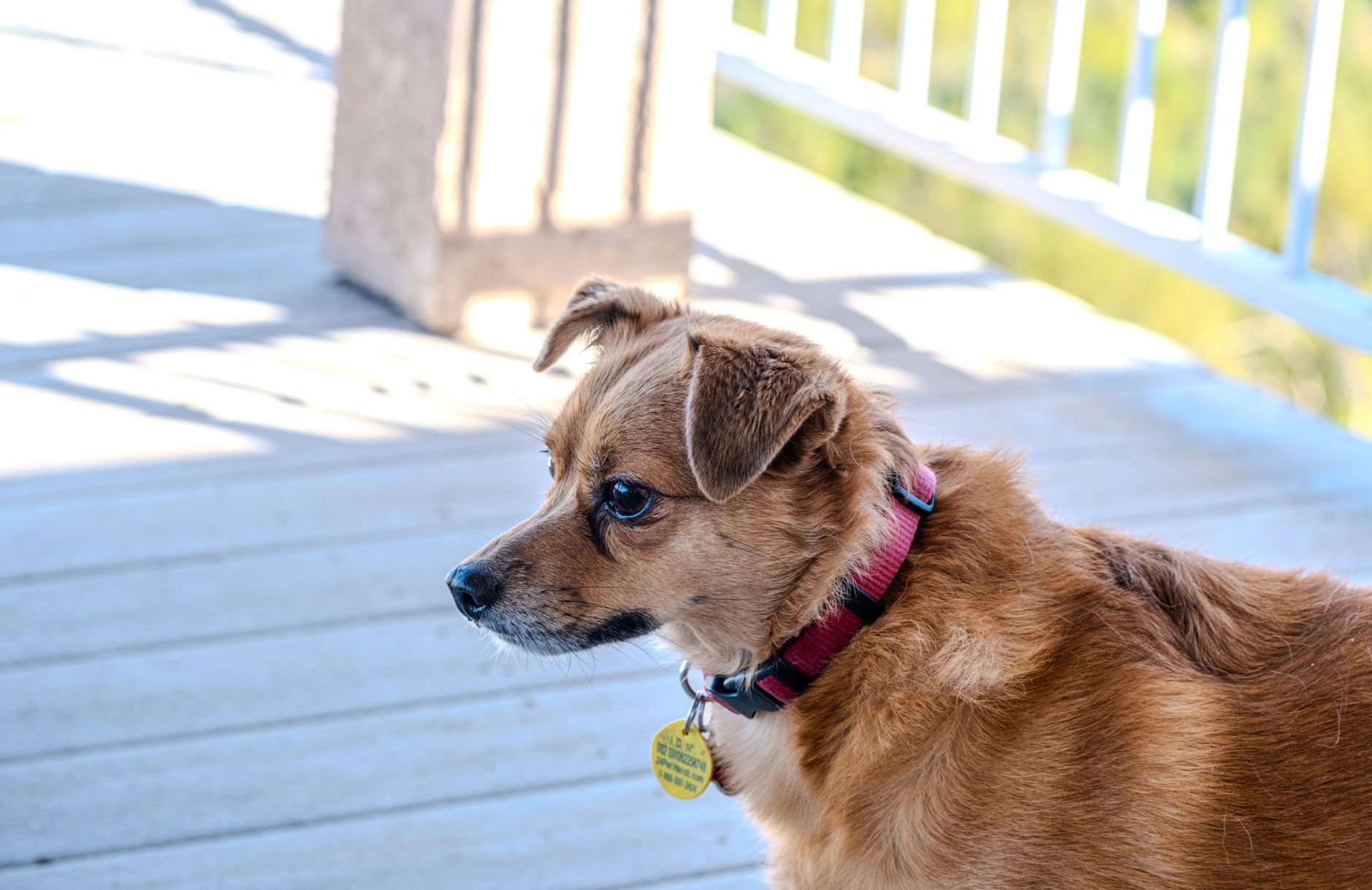
Before even considering specific breeds, a crucial first step is to honestly assess your own needs and lifestyle. Are you an active outdoor enthusiast who needs a high-energy running partner? Or are you looking for a more laid-back companion to curl up with on the couch? Consider the following:
- Activity Level: Do you need a dog that can keep up with hikes, runs, and other outdoor activities? Or would a less active breed be a better fit?
- Living Space: Do you live in a small apartment or a large house with a yard? Some breeds thrive in smaller spaces, while others need room to roam.
- Family Situation: Do you have children, other pets, or both? Some breeds are naturally better with children and other animals than others.
- Time Commitment: How much time can you realistically dedicate to training, grooming, and exercise? Some breeds require more attention than others.
- Allergies: Are you or anyone in your household allergic to dogs? Hypoallergenic breeds may be a better option.
- Budget: Consider the ongoing costs of dog ownership, including food, vet care, grooming, and training.
Popular Breeds and Their Characteristics
Once you have a better understanding of your own needs, you can start researching different breeds. Here are a few popular breeds and their general characteristics:
| Breed | Temperament | Exercise Needs | Grooming Needs | Ideal For |
|---|---|---|---|---|
| Labrador Retriever | Friendly, outgoing, eager to please | High | Low | Active families, hunting companions |
| Golden Retriever | Intelligent, loyal, gentle | High | Moderate | Families with children, therapy dogs |
| French Bulldog | Playful, adaptable, affectionate | Low | Low | Apartment dwellers, first-time dog owners |
| German Shepherd | Intelligent, loyal, protective | High | Moderate | Active families, police/military work |
| Poodle | Intelligent, hypoallergenic, versatile | Moderate | High | Allergy sufferers, families with active lifestyles |
This table provides a simplified overview. Individual dogs within a breed can vary significantly.
Beyond Breed: The Importance of Individual Temperament
While breed characteristics can be a helpful starting point, it’s essential to remember that each dog is an individual. Factors such as genetics, socialization, and training play a crucial role in shaping a dog’s temperament. When choosing a dog, try to meet the individual dog and interact with them to get a sense of their personality. Consider adoption from a reputable rescue organization or shelter, where staff can help match you with a dog that suits your lifestyle.
Training and Socialization: Building a Strong Bond
Regardless of breed, proper training and socialization are essential for creating a well-adjusted and happy dog. Start early with basic obedience training and expose your dog to a variety of people, places, and situations. Positive reinforcement methods, such as rewarding desired behaviors with treats and praise, are generally the most effective. A well-trained and socialized dog is a joy to be around and will strengthen the bond between you and your canine companion.
Common Mistakes to Avoid
Choosing a dog is a significant decision, and it’s essential to avoid common pitfalls. Some mistakes to avoid include:
- Choosing a dog based solely on appearance.
- Underestimating the time and commitment required for dog ownership.
- Ignoring your own needs and lifestyle.
- Failing to properly socialize and train your dog.
- Neglecting to research reputable breeders or rescue organizations.
The Verdict: A Personalized Choice
Ultimately, “What is the 1st best dog?” is a question with no definitive answer. The best dog for you is the one that aligns with your lifestyle, personality, and capabilities as an owner. Research breeds, meet individual dogs, and commit to providing the training, socialization, and care that your chosen companion needs to thrive.

Frequently Asked Questions (FAQs)
What is the most popular dog breed in the world?
The Labrador Retriever is consistently ranked as one of the most popular dog breeds globally. Their friendly temperament, trainability, and versatility make them a popular choice for families and individuals alike.
Are mixed-breed dogs healthier than purebred dogs?
Mixed-breed dogs, often called mutts, are generally considered to have a wider gene pool, which can reduce the risk of certain inherited health conditions. However, responsible breeding practices can also minimize health risks in purebred dogs.
What is the best dog breed for apartment living?
Several breeds adapt well to apartment living, including the French Bulldog, Cavalier King Charles Spaniel, and Greyhound (surprisingly!). The key is to choose a breed with moderate to low energy levels and ensure they receive adequate exercise.
How much exercise does a dog need?
The amount of exercise a dog needs varies depending on their breed, age, and health. High-energy breeds like Border Collies and Australian Shepherds may need over two hours of exercise per day, while less active breeds like Bulldogs may only need 30 minutes.
What is the best way to train a dog?
Positive reinforcement methods, such as rewarding desired behaviors with treats and praise, are generally the most effective way to train a dog. Avoid using punishment-based methods, as they can damage the relationship between you and your dog.
How often should I groom my dog?
The frequency of grooming depends on the breed and coat type. Long-haired breeds like Poodles and Shih Tzus require daily brushing and professional grooming every few weeks. Short-haired breeds like Labrador Retrievers may only need brushing a few times a week.
What is the best food for my dog?
Choose a high-quality dog food that is appropriate for your dog’s age, breed, and activity level. Look for foods that list real meat as the first ingredient and avoid foods with excessive fillers. Consult with your veterinarian for specific recommendations.
How often should I take my dog to the vet?
Puppies and senior dogs typically need more frequent vet visits than adult dogs. Adult dogs should have a check-up at least once a year, or more often if they have any health concerns.
What are the signs of a healthy dog?
Signs of a healthy dog include a shiny coat, bright eyes, good appetite, normal stool, and plenty of energy. Be aware of any changes in your dog’s behavior or physical condition and consult with your veterinarian if you have any concerns.
How can I prevent my dog from barking excessively?
Excessive barking can be caused by various factors, including boredom, anxiety, and territoriality. Provide plenty of exercise and mental stimulation, and address any underlying anxiety issues. Training can also help to control barking.
What is the best way to introduce a new dog to my existing dog?
Introduce dogs slowly and gradually, allowing them to meet in a neutral territory and supervising their interactions. Ensure that both dogs have their own resources (food, water, toys) to avoid competition.
How can I find a reputable dog breeder or rescue organization?
Look for breeders who prioritize the health and temperament of their dogs and are knowledgeable about the breed. Reputable rescue organizations will carefully screen potential adopters and provide ongoing support. Do your research and visit the facility before committing to a dog. Remember, the answer to “What is the 1st best dog?” is deeply personal and hinges on responsible ownership.