

What is So Special About Lions? The Majesty and Mystery of Panthera leo
Lions stand apart due to their complex social structures, unparalleled hunting prowess, and symbolic representation of power and courage, making Panthera leo an animal revered throughout human history. What is so special about lions? It’s their potent combination of cooperative behavior, formidable physical attributes, and the profound cultural significance they hold across the globe.
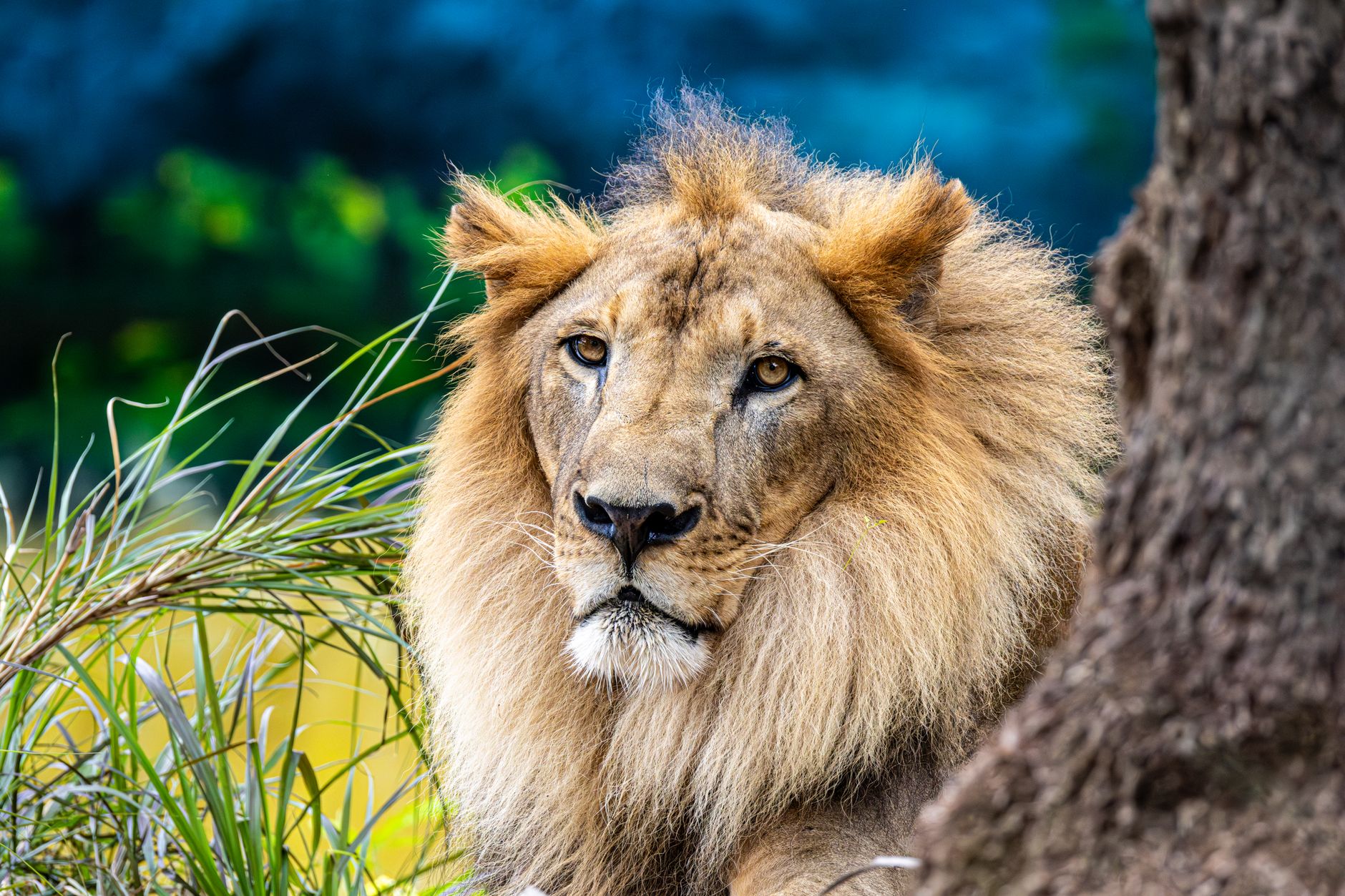
The King of Beasts: An Introduction to the Lion
The lion, Panthera leo, more commonly known as the “king of beasts,” has captured the human imagination for millennia. From ancient cave paintings to modern-day literature and film, the lion embodies strength, courage, and leadership. But beyond its symbolic power, the lion is a fascinating creature with a complex social life, a remarkable hunting strategy, and a crucial role in its ecosystem. Understanding what is so special about lions? requires delving into their biology, behavior, and cultural significance.
Lion Biology and Physical Attributes
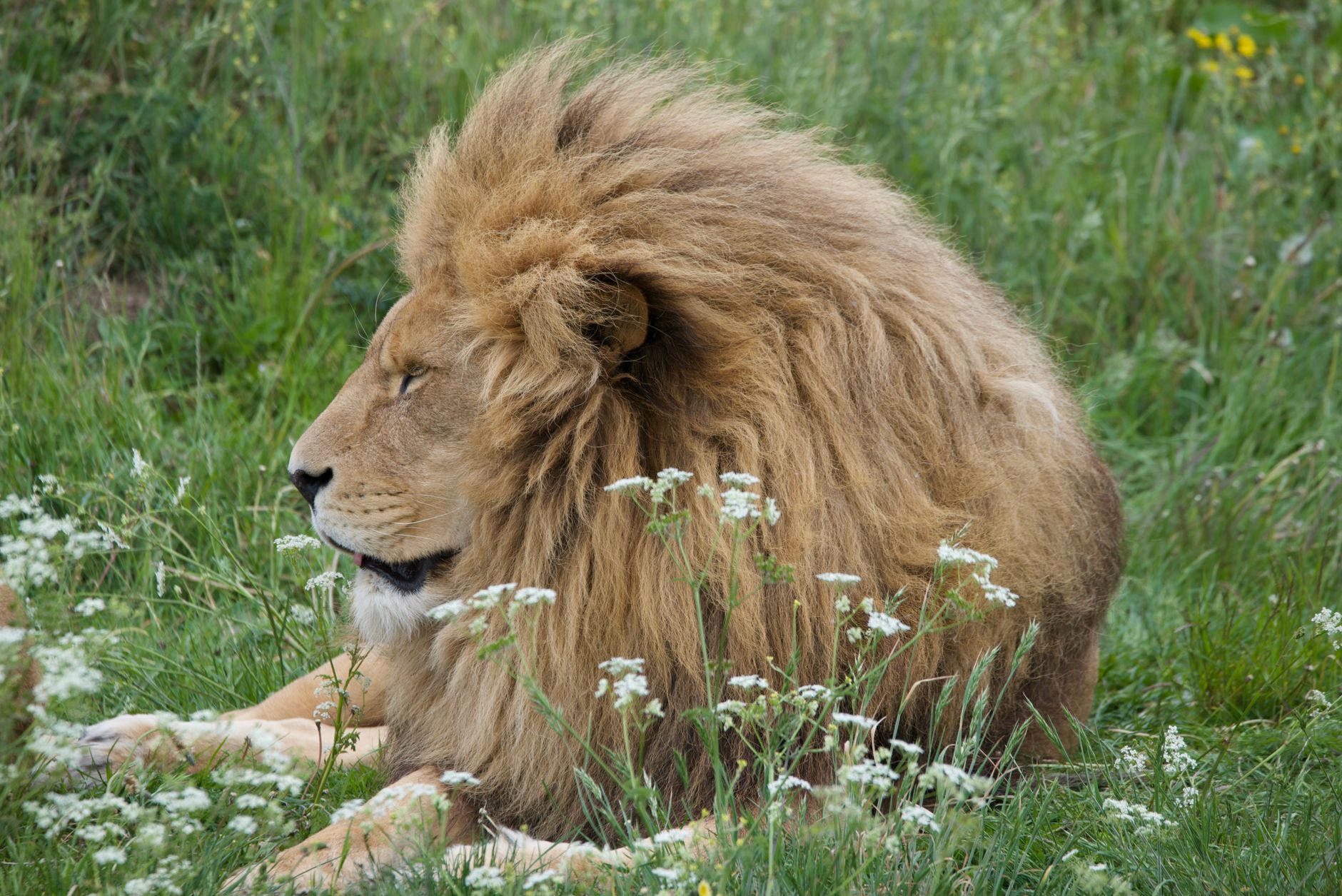
Lions are apex predators, perfectly adapted to their environment. Their physical characteristics contribute to their hunting success and social dominance.
- Size and Strength: Male lions can weigh between 330 and 500 pounds, while females typically weigh between 260 and 400 pounds. Their powerful muscles and sharp claws make them formidable hunters.
- Mane: Male lions are distinguished by their mane, which can range in color from blond to black. The mane’s size and darkness are often indicators of the lion’s health and status.
- Teeth and Jaws: Lions have powerful jaws and sharp teeth, allowing them to kill and consume large prey.
- Camouflage: Their tawny coat provides excellent camouflage in the grasslands and savannas where they live.
Social Structure and Behavior
Lions are unique among big cats for their social behavior. They live in groups called prides, which typically consist of related females, their offspring, and a small number of adult males.
- Pride Dynamics: The females in the pride are responsible for most of the hunting, while the males defend the pride’s territory.
- Cooperative Hunting: Lions often hunt in groups, increasing their success rate when targeting large prey such as zebras and wildebeests.
- Communication: Lions communicate with each other through a variety of vocalizations, including roars, growls, and purrs.
- Territoriality: Lions are highly territorial and will defend their territory against other prides.
Hunting Strategies and Diet
Lions are primarily carnivores, and their diet consists mainly of large ungulates. Their hunting strategies are adapted to the open grasslands and savannas where they live.
- Ambush Predators: Lions often hunt by ambushing their prey from dense vegetation or by coordinating attacks in open areas.
- Prey Selection: They typically target the weakest or most vulnerable members of the herd, such as the young, old, or sick.
- Cooperative Hunts: When hunting in groups, lions will often work together to surround and isolate their prey.
Cultural Significance of Lions
Throughout history, lions have been revered as symbols of power, courage, and royalty.
- Ancient Civilizations: Lions were depicted in ancient Egyptian art and were associated with pharaohs and gods.
- Heraldry: Lions are commonly used in heraldry, representing courage and strength.
- Literature and Film: Lions have been featured in countless books and movies, often portrayed as noble and majestic creatures. Examples include The Lion King and the Chronicles of Narnia.
- Symbol of Nations: The lion serves as a national symbol for several countries, including England and Singapore.
Conservation Status and Threats
Despite their iconic status, lions face numerous threats, including habitat loss, poaching, and human-wildlife conflict.

- Habitat Loss: As human populations grow, lion habitats are being converted into agricultural land and urban areas.
- Poaching: Lions are hunted for their body parts, which are used in traditional medicine and as trophies.
- Human-Wildlife Conflict: Lions sometimes prey on livestock, leading to retaliatory killings by farmers.
- Conservation Efforts: Various organizations are working to protect lions through habitat conservation, anti-poaching patrols, and community engagement programs. Understanding what is so special about lions? compels us to protect them.
Frequently Asked Questions (FAQs)
What is the primary role of male lions within a pride?
Male lions primarily defend the pride’s territory against rival males and other predators. While they sometimes participate in hunts, their main responsibility is protecting the pride’s resources and ensuring the survival of their offspring. Their impressive manes signal their strength and deter potential challengers.
How do lion cubs learn to hunt effectively?
Lion cubs learn to hunt by observing and imitating their mothers and other female members of the pride. They begin by practicing on small animals and gradually progress to larger prey. The females actively teach the cubs essential hunting skills, such as stalking, ambushing, and coordinating attacks.
Why do lions roar, and what does their roar communicate?
Lions roar to communicate with other members of their pride and to establish their territory. Their roar can be heard from several miles away and serves as a warning to other lions to stay away. The roar also helps to strengthen the bonds within the pride and to coordinate hunting efforts.
Are all lion manes the same?
No, lion manes vary in size, color, and thickness. These variations are influenced by factors such as age, genetics, and environmental conditions. Darker and thicker manes are often associated with higher testosterone levels and better overall health, making them attractive to females.
What is the difference between African lions and Asiatic lions?
African lions and Asiatic lions are two distinct subspecies of lions. Asiatic lions are smaller than African lions and have a less developed mane. They are also genetically distinct and are found only in the Gir Forest National Park in India.
How long do lions typically live in the wild?
Lions typically live for 10 to 14 years in the wild, although some individuals may live longer. Their lifespan is influenced by factors such as access to food, disease, and the presence of human threats. In captivity, lions can live for up to 20 years or more.
What is the biggest threat to lion populations today?
The biggest threat to lion populations today is habitat loss, followed closely by human-wildlife conflict and poaching. As human populations expand, lion habitats are being converted into agricultural land and urban areas, fragmenting their populations and reducing their access to prey.
How can individuals contribute to lion conservation efforts?
Individuals can contribute to lion conservation efforts by supporting organizations that are working to protect lions and their habitats. This can include donating to conservation groups, advocating for policies that protect lion habitats, and educating others about the importance of lion conservation.
What role do lions play in their ecosystem?
Lions play a crucial role in their ecosystem as apex predators. They help to regulate the populations of ungulates, preventing overgrazing and maintaining the health of the ecosystem. Their presence also influences the behavior of other animals, creating a balanced and diverse ecosystem.
Why are lions often referred to as the “king of beasts”?
Lions are referred to as the “king of beasts” because of their strength, courage, and regal appearance. They are apex predators and are often seen as symbols of power and authority. This title has been used for centuries and reflects the human fascination with these magnificent creatures. Understanding what is so special about lions? answers this.
Are there any specific diseases that significantly impact lion populations?
Yes, diseases such as feline immunodeficiency virus (FIV) and canine distemper virus (CDV) can significantly impact lion populations. These diseases can weaken lions’ immune systems, making them more susceptible to other infections and reducing their ability to hunt and reproduce.
What are some ongoing research efforts focused on understanding and protecting lions?
Ongoing research efforts focused on understanding and protecting lions include studying their behavior, genetics, and population dynamics. Scientists are also using GPS tracking to monitor lion movements and identify key habitats. These research efforts are crucial for developing effective conservation strategies and ensuring the long-term survival of lions.