

What is So Special About Green Color?
Green is special because it’s the color most associated with nature, growth, and harmony, offering a sense of balance and renewal that impacts our psychological and physiological well-being in profound ways.

Introduction to Green
Green, a color situated between blue and yellow on the visible spectrum, occupies a unique and pivotal role in our perception of the world. It’s far more than just a shade; it’s a symbol deeply ingrained in human culture, psychology, and even our biology. Understanding what is so special about green color?, then, requires exploring its multifaceted influence.
The Ubiquitous Presence of Green in Nature
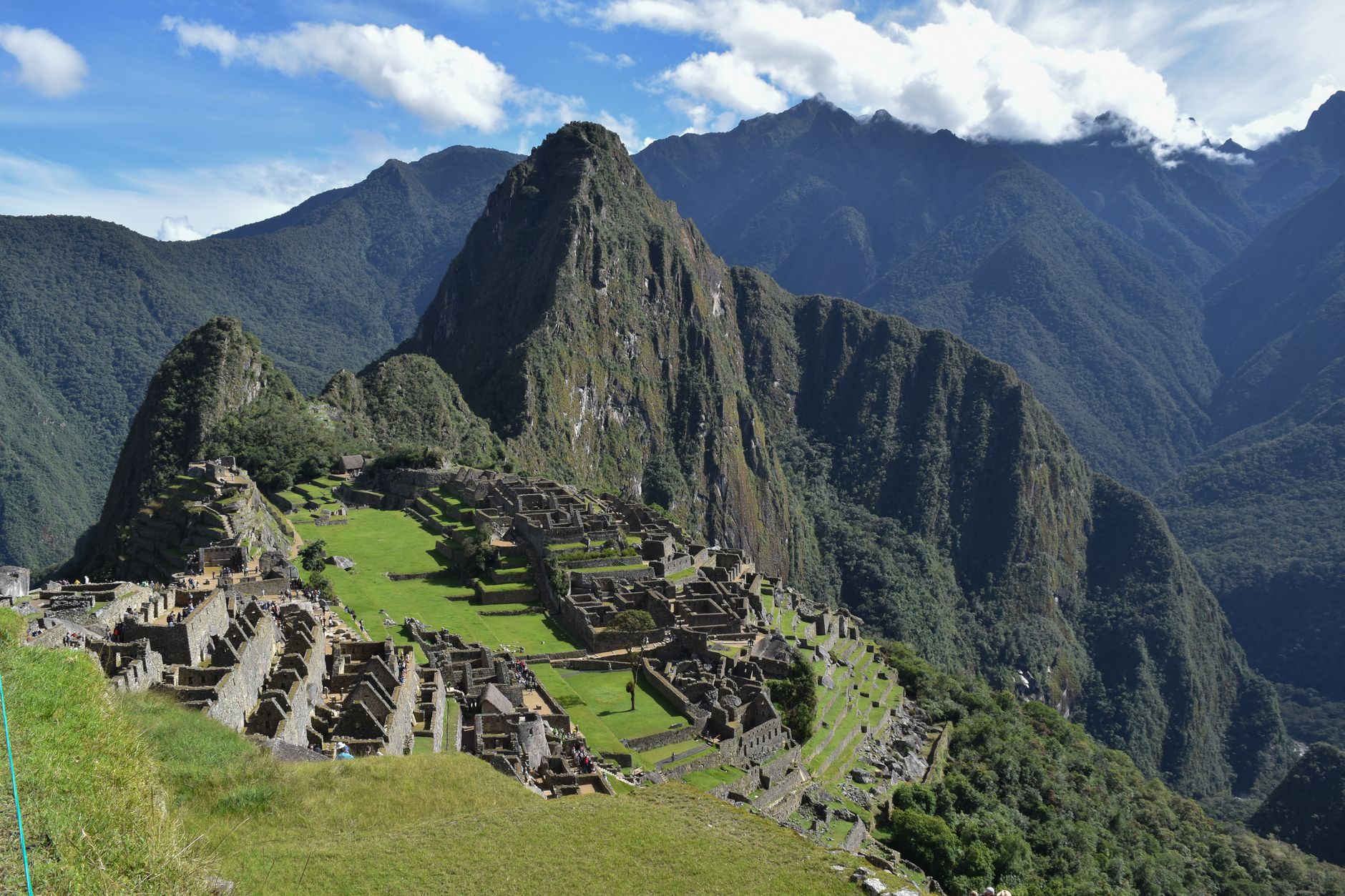
The most immediate and potent connection we have with green is its prevalence in the natural world. Lush forests, verdant meadows, and vibrant leaves all contribute to the color’s association with life, growth, and vitality. Chlorophyll, the pigment that enables plants to harness sunlight for photosynthesis, is the primary reason for this. This process provides the very oxygen we breathe, further solidifying green’s link with survival and well-being.
Psychological and Emotional Associations
Beyond its literal presence in nature, green also holds significant psychological and emotional weight. It’s often associated with:
- Tranquility: Green evokes a sense of calmness and peace, reducing stress and anxiety.
- Balance: Representing equilibrium and harmony, green promotes a feeling of stability and groundedness.
- Renewal: Linked to springtime and new beginnings, green symbolizes growth, hope, and revitalization.
- Prosperity: In many cultures, green is associated with wealth, fortune, and financial stability.
- Safety: Historically, green has been used to signal safety and permission, such as the green light indicating the “go-ahead.”
Green in Culture and Symbolism
Throughout history, various cultures have imbued green with diverse symbolic meanings.
- Ireland: Green is the national color, representing the country’s lush landscapes and its strong connection to nature.
- Islam: Green is considered a sacred color, symbolizing paradise and spiritual fulfillment.
- Ancient Egypt: Green was associated with rebirth and resurrection, representing the hope for eternal life.
- Western Culture: While generally positive, green can also be associated with envy or inexperience (“green with envy” or “being green”).
Green’s Impact on Health and Well-being
Research suggests that exposure to green can have tangible benefits for our health and well-being. Studies have shown that:
- Green environments can lower blood pressure and heart rate, promoting relaxation.
- Spending time in nature, surrounded by green, can improve mood and reduce symptoms of depression.
- Green spaces in urban environments can enhance cognitive function and reduce stress levels.
- The color green in hospitals can create a more calming and healing environment for patients.
The Science Behind Green’s Appeal
The reason what is so special about green color? might be rooted in evolutionary biology. Our ancestors relied on their ability to distinguish shades of green to identify edible plants and assess the health of their environment. This ingrained association with survival and nourishment may explain why green continues to evoke positive feelings in us today. Our eyes are also particularly sensitive to green wavelengths, allowing us to perceive subtle variations in its shades.

Applications of Green in Design and Marketing
Given its positive associations, green is widely used in design and marketing to convey specific messages.
- Environmentalism: Green is a staple in branding for eco-friendly products and initiatives, communicating sustainability and environmental responsibility.
- Healthcare: Green is used in hospitals and medical facilities to create a calming and reassuring atmosphere.
- Food Industry: Green is often used to market fresh, natural, and healthy food products.
- Finance: Green can be used in financial branding to project an image of stability, growth, and prosperity.
Challenges and Misconceptions
While green is generally perceived positively, some misconceptions and challenges exist.
- Association with Illness: Historically, green has sometimes been associated with illness due to its link with mold or decay.
- Difficulty in Color Matching: Green can be a challenging color to match accurately, as subtle variations in shade can drastically alter its perceived tone.
- Varying Cultural Interpretations: The meaning of green can differ across cultures, requiring careful consideration in international branding and design.
Frequently Asked Questions (FAQs)
Why is green associated with nature?
Green’s association with nature stems primarily from chlorophyll, the pigment found in plants that enables photosynthesis. This vital process sustains life on Earth and makes green the dominant color in natural landscapes, inherently linking it with growth, vitality, and the environment.
Does green really have a calming effect on people?
Yes, research suggests that green does have a calming effect. Studies have shown that exposure to green can lower blood pressure and heart rate, reducing stress and anxiety. This calming effect likely contributes to its use in hospitals and therapeutic settings.
Is green always a positive color in all cultures?
No, while generally positive, green doesn’t hold the same meaning universally. While Islam reveres it, representing paradise, in some Western contexts, it can be associated with envy or inexperience. It’s important to consider cultural nuances.
What are some common shades of green?
There’s a wide spectrum of green shades, including: Emerald, Forest, Lime, Olive, Mint, Teal, and Chartreuse. Each shade evokes a slightly different feeling and is used in various applications.
How does green affect our productivity?
Green can positively impact productivity by creating a more calming and focused environment. Introducing green elements into workspaces, like plants or green-accented walls, can enhance concentration and reduce mental fatigue.
What is the symbolism of green in the business world?
In the business world, green symbolizes growth, prosperity, and stability. It’s often used by companies that want to project an image of financial success, sustainability, and environmental responsibility.
Can being surrounded by too much green be negative?
While generally positive, an excess of any color, including green, can be overwhelming. Too much green can potentially lead to a feeling of stagnation or lack of energy if not balanced with other stimulating colors.
What are some colors that complement green well?
Green complements a wide range of colors, including: White, brown, gray, gold, and various shades of blue and purple. The specific combination depends on the desired aesthetic and the shade of green used.
Why is green used in environmental branding?
Green is used in environmental branding because it’s strongly associated with nature and sustainability. It immediately communicates a company’s commitment to eco-friendly practices and environmental responsibility.
How can I incorporate more green into my life for better well-being?
You can incorporate more green into your life by spending time in nature, adding plants to your home or office, wearing green clothing, or using green accents in your decor. Even small doses of green can have a positive impact on your mood and well-being.
What is the difference between green and teal?
Teal is a color that sits between green and blue. It contains a mixture of green and blue pigments, creating a more complex and sophisticated shade compared to pure green.
What is so special about green color? In summary.
In summary, what is so special about green color? is that it offers a deeply rooted connection with nature, a calming psychological effect, and a versatile symbolism across cultures, making it a color that promotes well-being, harmony, and growth in various aspects of our lives.