

What is Safe to Feed Hedgehogs?
Wondering what is safe to feed hedgehogs? The safest and most nutritious diet for wild hedgehogs consists mainly of high-quality complete hedgehog food, supplemented with small amounts of meaty cat or dog food, and limited quantities of specific treats like cooked plain chicken or mealworms, always ensuring fresh water is available.
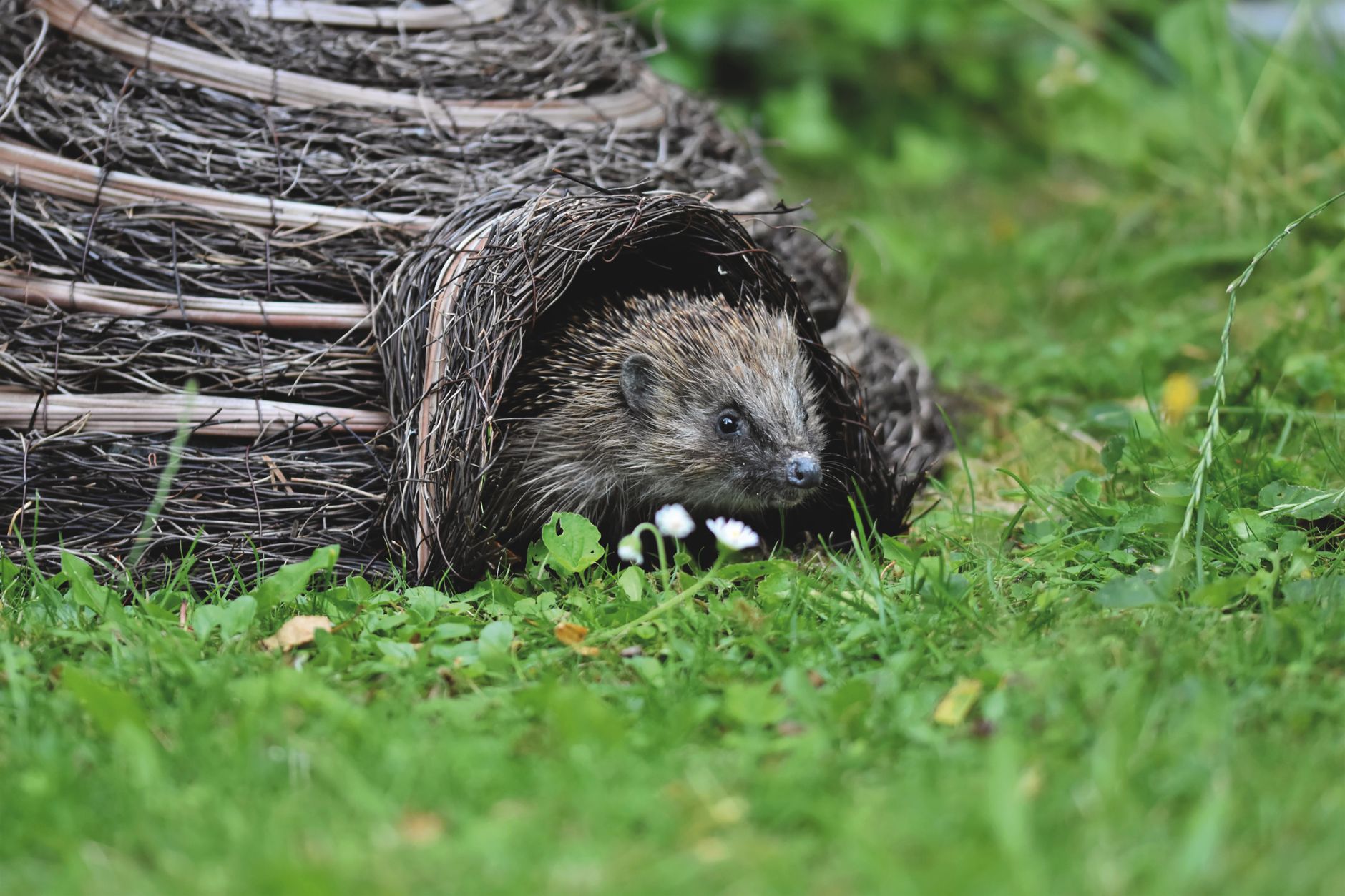
Understanding Hedgehog Dietary Needs
Hedgehogs are insectivores, meaning their natural diet primarily consists of insects. However, urban environments often lack sufficient insect populations to sustain healthy hedgehog populations. This makes supplemental feeding by humans crucial, especially during times when natural food sources are scarce, such as during breeding season and before hibernation. Therefore, understanding what is safe to feed hedgehogs? becomes vitally important. Offering the wrong foods can lead to health problems, ranging from digestive issues to serious illnesses.
The Foundation: Complete Hedgehog Food

Complete hedgehog food is specifically formulated to meet the nutritional needs of hedgehogs. These commercially available foods are typically a mix of:
- Protein: Essential for growth and repair.
- Fats: Provide energy.
- Vitamins and Minerals: Crucial for overall health and immune function.
- Fiber: Supports healthy digestion.
When choosing a hedgehog food, look for one that lists insects as a primary ingredient and is low in sugar and fruit content. Many hedgehog foods designed for pet hedgehogs are actually appropriate for feeding wild hedgehogs.
Supplementing with Cat or Dog Food
While complete hedgehog food should form the bulk of their diet, small amounts of meaty cat or dog food can be offered as a supplement. Important considerations include:
- High Meat Content: Choose foods with a high percentage of named meat sources (e.g., chicken, turkey, lamb).
- Low Cereal Content: Avoid foods that are primarily made up of grains or cereals.
- No Fish: Fish can be too strong and may cause stomach upset in some hedgehogs.
- Pâté Texture: Wet food with a pâté texture is easier for hedgehogs to eat.
It’s crucial to remember that cat and dog food should only be offered as a supplement, not as the main food source.
Safe Treats for Hedgehogs
Treats can be a great way to encourage hedgehogs to visit your garden, but it’s vital to select them carefully. Always offer treats in moderation. Good options include:

- Cooked Plain Chicken (unseasoned): A small amount of cooked chicken provides a good source of protein.
- Mealworms (dried or live): A popular treat that provides protein and fat. Be careful not to offer too many mealworms, as they can be high in phosphorus and lead to imbalances.
- Crickets (live): Another source of protein that mimics their natural diet.
- Waxworms (limited quantities): While high in fat and appealing, waxworms should be offered sparingly due to their high-fat content.
Foods to Avoid Absolutely
Knowing what is safe to feed hedgehogs? also requires understanding what foods are toxic or harmful. Never offer hedgehogs:
- Bread: Bread offers no nutritional value and can cause digestive problems.
- Milk: Hedgehogs are lactose intolerant.
- Avocado: Contains persin, which can be toxic to animals.
- Grapes and Raisins: Toxic to dogs and cats, and potentially harmful to hedgehogs.
- Chocolate: Toxic to many animals.
- Onions and Garlic: Can cause anemia.
- Citrus Fruits: The acidity can cause stomach upset.
- Nuts and Seeds (large pieces): Can be a choking hazard.
- Honey: May cause dental problems.
Water: An Essential Element
Fresh, clean water is essential for hedgehogs. Always provide a shallow dish of water, especially during dry periods. Clean the dish regularly to prevent the growth of bacteria.
Feeding Guidelines
- Quantity: Offer a small amount of food each evening. The amount will depend on the size and activity level of the hedgehog.
- Location: Place food and water in a sheltered area, away from predators.
- Hygiene: Clean feeding dishes regularly to prevent the spread of disease.
- Observe: Monitor the health of hedgehogs visiting your garden. If you notice any signs of illness, contact a local wildlife rescue organization.
Table: Safe and Unsafe Foods for Hedgehogs
| Safe Foods | Unsafe Foods |
|---|---|
| Complete Hedgehog Food | Bread |
| Meaty Cat or Dog Food (high meat, low cereal) | Milk |
| Cooked Plain Chicken (unseasoned) | Avocado |
| Mealworms (moderation) | Grapes and Raisins |
| Crickets (live) | Chocolate |
| Waxworms (very limited quantities) | Onions and Garlic |
| Fresh, Clean Water | Citrus Fruits |
| Nuts and Seeds (large pieces) | |
| Honey |
Common Mistakes When Feeding Hedgehogs
Many well-intentioned people make mistakes when feeding hedgehogs, often due to a lack of information. Common errors include:
- Offering Milk: This is a widespread misconception. Hedgehogs cannot digest milk.
- Providing Bread: Bread has no nutritional value and can be harmful.
- Leaving Out Too Much Food: This can attract unwanted pests, such as rats.
- Using Deep Bowls of Water: Hedgehogs can drown in deep water sources.
- Not Cleaning Feeding Areas: Dirty feeding areas can spread disease.
By avoiding these common mistakes, you can ensure that you are providing a safe and healthy environment for hedgehogs.
The Importance of Sustainable Feeding Practices
When feeding hedgehogs, it’s essential to consider the impact on the local ecosystem. Avoid overfeeding, which can create dependency and disrupt natural foraging behaviors. Encourage natural habitats in your garden by:
- Planting Native Shrubs and Flowers: These provide shelter and attract insects.
- Creating Log Piles: These provide habitat for insects and small animals.
- Leaving Leaf Litter: This provides shelter and food for insects.
- Avoiding Pesticides: Pesticides can kill the insects that hedgehogs rely on for food.
By promoting a healthy and diverse ecosystem, you can help hedgehogs thrive naturally.
Frequently Asked Questions (FAQs)
Can I feed hedgehogs mealworms every day?
While mealworms are a popular treat, it’s crucial to offer them in moderation. Overfeeding mealworms can lead to nutritional imbalances, particularly an excess of phosphorus relative to calcium, which can cause metabolic bone disease. A few mealworms a couple of times a week is a much safer approach.
Is it okay to give hedgehogs peanuts?
Peanuts should be avoided due to the risk of choking, especially if offered whole. Even crushed peanuts can pose a hazard. Moreover, peanuts aren’t particularly nutritious for hedgehogs. Opt for safer and more beneficial alternatives, such as complete hedgehog food or cooked chicken.
What should I do if I find a baby hedgehog?
If you find a baby hedgehog that appears to be injured or abandoned, contact a local wildlife rescue organization immediately. They will be able to provide the appropriate care and guidance. Do not attempt to feed a baby hedgehog without expert advice, as incorrect feeding can be fatal.
Can hedgehogs eat cat biscuits?
While some cat biscuits are acceptable as a supplement to complete hedgehog food, it’s important to choose those that are high in meat content and low in cereal. Avoid biscuits with fish or artificial colors and flavors. However, wet cat food is generally preferable because it is easier to digest.
Is it safe to give hedgehogs cow’s milk?
No, it is not safe to give hedgehogs cow’s milk. Hedgehogs are lactose intolerant and cannot digest cow’s milk. It can cause severe digestive upset and diarrhea, which can be life-threatening, especially for vulnerable hedgehogs. Always provide fresh water instead.
What’s the best time of year to feed hedgehogs?
While you can feed hedgehogs year-round, it’s especially important to provide supplemental food during breeding season (spring and summer) and before hibernation (autumn). These are times when hedgehogs need extra energy to raise their young or build up their fat reserves.
How can I tell if a hedgehog is underweight?
A healthy hedgehog should be round and well-proportioned. An underweight hedgehog may appear thin, with a noticeable indentation behind its head. If you are concerned about a hedgehog’s weight, contact a local wildlife rescue organization for advice.
Can I give hedgehogs grapes or raisins?
Avoid grapes and raisins. They are toxic to dogs and cats, and their effect on hedgehogs is not fully understood. It’s best to err on the side of caution and avoid feeding them to hedgehogs.
Is it safe to leave food out for hedgehogs overnight?
Leaving food out overnight is acceptable, but be mindful of potential pests. Place the food in a sheltered area to protect it from rain and other elements. Clear away any uneaten food in the morning to prevent it from attracting unwanted animals.
What kind of water dish should I use for hedgehogs?
Use a shallow, heavy dish that is difficult for hedgehogs to tip over. Ensure the water level is low enough so that even small hedgehogs can easily drink from it without the risk of drowning. Regularly clean the dish to prevent the growth of bacteria.
How often should I clean the feeding area?
Clean the feeding area regularly, ideally daily, to prevent the build-up of bacteria and mold. This is especially important during warm weather. Use a disinfectant safe for animals to clean the area thoroughly.
What are the signs of an unhealthy hedgehog?
Signs of an unhealthy hedgehog include: lethargy, weight loss, difficulty breathing, diarrhea, wounds, or being out during daylight hours (unless visibly injured or disturbed). If you observe any of these signs, contact a local wildlife rescue organization immediately.