
What is it Called When a Dog Has an Upper Respiratory Infection?
The term for a dog’s upper respiratory infection is most commonly kennel cough, although a more precise medical term is Canine Infectious Respiratory Disease Complex (CIRDC), which encompasses several potential causes.

Understanding Canine Upper Respiratory Infections
Canine upper respiratory infections are a widespread concern among dog owners. While commonly known as kennel cough, the reality is more nuanced, encompassing a complex of infectious diseases. Understanding the causes, symptoms, and treatment options is vital for responsible pet ownership and ensuring the well-being of our canine companions. This article will explore what it means when a dog has an upper respiratory infection and explain the nuances behind the term What is it called when a dog has an upper respiratory infection?
The Truth About “Kennel Cough”
The term kennel cough is something of a misnomer. While crowding and close contact in kennels, shelters, and dog parks can certainly facilitate the spread of these infections, a dog doesn’t have to spend time in a kennel to contract one. The term simply stuck due to the historically high incidence of infection in these environments. The technical, and more accurate, term is Canine Infectious Respiratory Disease Complex (CIRDC). This acknowledges that multiple pathogens can be involved, and the symptoms can vary.
Common Culprits Behind CIRDC
Numerous infectious agents can contribute to Canine Infectious Respiratory Disease Complex. The infection is usually viral, bacterial, or a combination of both:
- Viruses:
- Canine parainfluenza virus (CPIV)
- Canine adenovirus type 2 (CAV-2)
- Canine influenza virus (CIV)
- Canine respiratory coronavirus (CRCoV)
- Canine distemper virus (CDV)
- Bacteria:
- Bordetella bronchiseptica (most common bacterial cause)
- Mycoplasma spp.
- Streptococcus zooepidemicus
The presence of one pathogen can weaken the dog’s immune system, making them more susceptible to secondary infections. This is why a dog may start with a seemingly simple viral infection and develop a more severe bacterial infection later on.
Recognizing the Symptoms
The symptoms of What is it called when a dog has an upper respiratory infection?, or Canine Infectious Respiratory Disease Complex, can vary in severity depending on the pathogen(s) involved and the dog’s overall health. Common signs include:
- A dry, hacking cough, often described as a “goose honk.”
- Sneezing
- Nasal discharge (clear or purulent)
- Eye discharge
- Lethargy
- Reduced appetite
- Fever (in more severe cases)
It’s important to note that some dogs may only show mild symptoms, while others can become quite ill, especially puppies, senior dogs, and those with underlying health conditions.
Diagnosis and Treatment
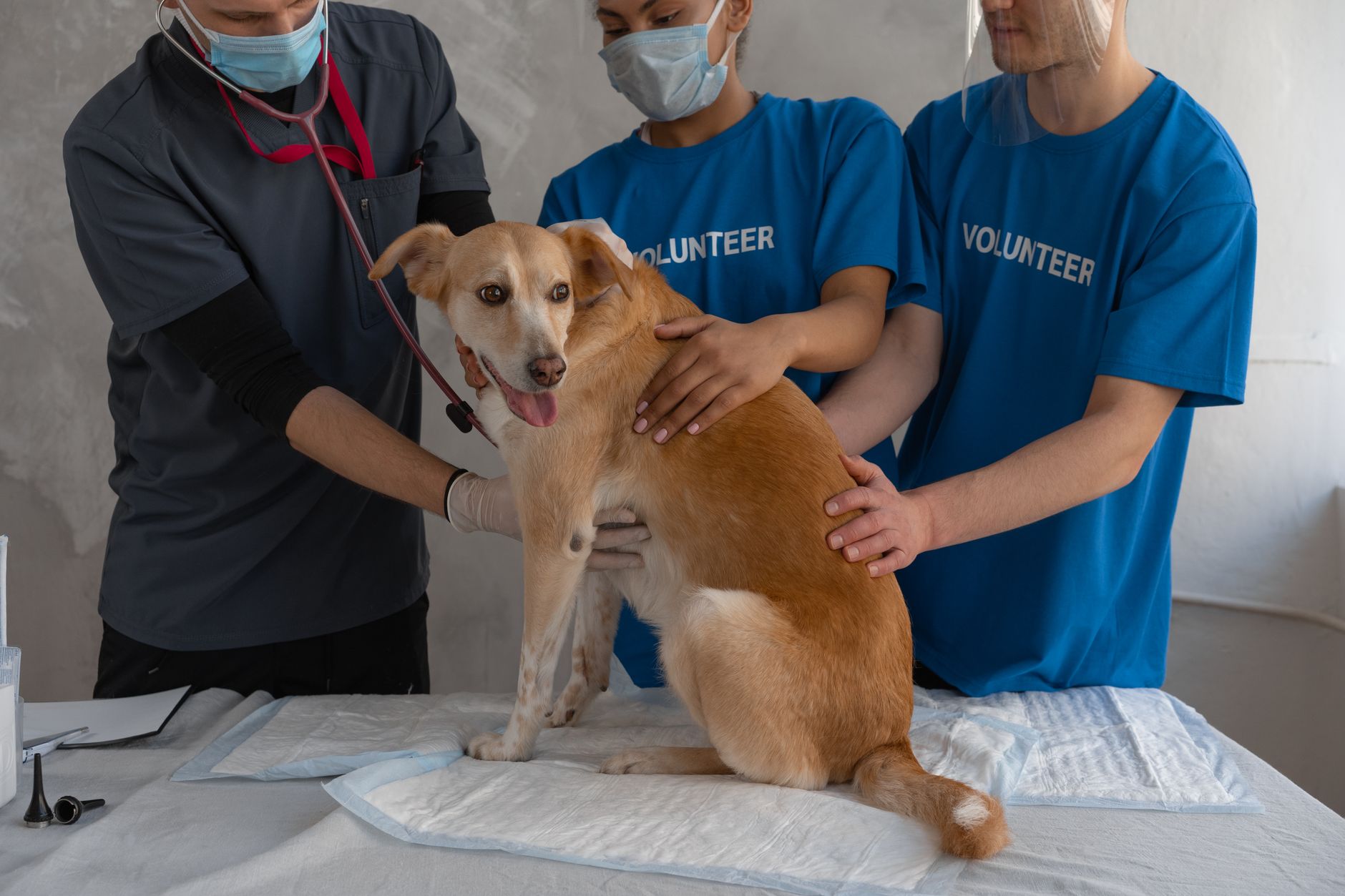
If you suspect your dog has an upper respiratory infection, it’s crucial to consult with your veterinarian. Diagnosis usually involves a physical examination, listening to the lungs, and possibly running diagnostic tests, such as:
- Swab samples: to identify the specific pathogen(s) involved (PCR testing).
- Blood tests: to assess overall health and rule out other conditions.
- Chest X-rays: to evaluate the lungs and check for pneumonia.
Treatment for Canine Infectious Respiratory Disease Complex typically involves:
- Rest: Allowing the dog’s body to recover.
- Cough suppressants: To alleviate coughing and provide comfort.
- Antibiotics: If a bacterial infection is present or suspected.
- Supportive care: Including providing plenty of fluids, nutritious food, and a comfortable environment.
- Nebulization or humidification: To help loosen congestion in the airways.
Prevention Strategies
Prevention is key to minimizing the risk of Canine Infectious Respiratory Disease Complex. Important preventive measures include:
- Vaccination: Vaccines are available for several of the common pathogens, including Bordetella bronchiseptica, canine parainfluenza virus, and canine influenza virus.
- Avoiding crowded environments: Especially during outbreaks.
- Good hygiene: Regularly cleaning and disinfecting dog bowls, toys, and bedding.
- Maintaining a healthy immune system: By providing a balanced diet, regular exercise, and minimizing stress.

Frequently Asked Questions
What is the most common symptom of kennel cough?
The most common symptom is a dry, hacking cough, often described as a “goose honk”. This distinctive cough is usually the first sign that a dog has contracted an upper respiratory infection.
Can kennel cough be fatal?
In most cases, kennel cough is not fatal and resolves on its own or with treatment. However, in young puppies, senior dogs, or dogs with underlying health issues, the infection can progress to pneumonia, which can be life-threatening if left untreated.
How long is kennel cough contagious?
Dogs are typically contagious for several days before showing symptoms and can remain contagious for up to three weeks after the symptoms resolve. This is why it’s crucial to isolate infected dogs to prevent further spread.
Can humans catch kennel cough from dogs?
The pathogens that cause kennel cough in dogs are generally not transmissible to humans. However, Bordetella bronchiseptica can, in rare cases, cause respiratory illness in people with weakened immune systems.
How is kennel cough diagnosed by a veterinarian?
Veterinarians typically diagnose kennel cough based on a physical examination, listening to the dog’s lungs, and observing the characteristic cough. In some cases, they may take swab samples to identify the specific pathogen involved.
Is there a vaccine for kennel cough?
Yes, there are vaccines available for several of the common pathogens that cause kennel cough, including Bordetella bronchiseptica, canine parainfluenza virus, and canine influenza virus. The Bordetella vaccine is often given intranasally or orally.
Can my dog get kennel cough even if vaccinated?
Yes, it is possible. The kennel cough vaccine does not protect against all the pathogens that can cause upper respiratory infections. Vaccinated dogs may still contract the disease, but typically experience milder symptoms and recover faster.
What home remedies can I use to help my dog with kennel cough?
While it’s crucial to consult with a veterinarian for proper diagnosis and treatment, some home remedies that can provide relief include:
- Honey: A small amount of honey can soothe a sore throat and suppress coughing (check with your vet first for appropriate dosage)
- Steam: Running a humidifier or taking the dog into a steamy bathroom can help loosen congestion.
How can I prevent my dog from getting kennel cough?
Prevention strategies include:
- Vaccination: Ensure your dog is up-to-date on relevant vaccines.
- Avoidance: Limit exposure to crowded environments, especially during outbreaks.
- Hygiene: Regularly clean and disinfect dog bowls, toys, and bedding.
- Healthy lifestyle: Provide a balanced diet, regular exercise, and minimize stress.
Are there different types of kennel cough?
Since What is it called when a dog has an upper respiratory infection? (Canine Infectious Respiratory Disease Complex) can be caused by multiple pathogens, the specific symptoms and severity can vary. This leads some to perceive different “types” of kennel cough, but it’s more accurate to think of it as a spectrum of illness severity and presentation.
What is the recovery time for kennel cough?
The recovery time varies depending on the severity of the infection and the dog’s overall health. Mild cases may resolve in 1-2 weeks, while more severe cases can take 3-4 weeks or longer. With proper treatment, most dogs make a full recovery.
When should I be concerned about my dog’s kennel cough?
You should be concerned if your dog experiences:
- Difficulty breathing
- Lethargy
- Loss of appetite
- High fever
- Pneumonia symptoms: like rapid breathing or increased effort to breathe.
These symptoms warrant immediate veterinary attention.