
What is it Called When a Cat Meows Loudly? Decoding Feline Vocalizations
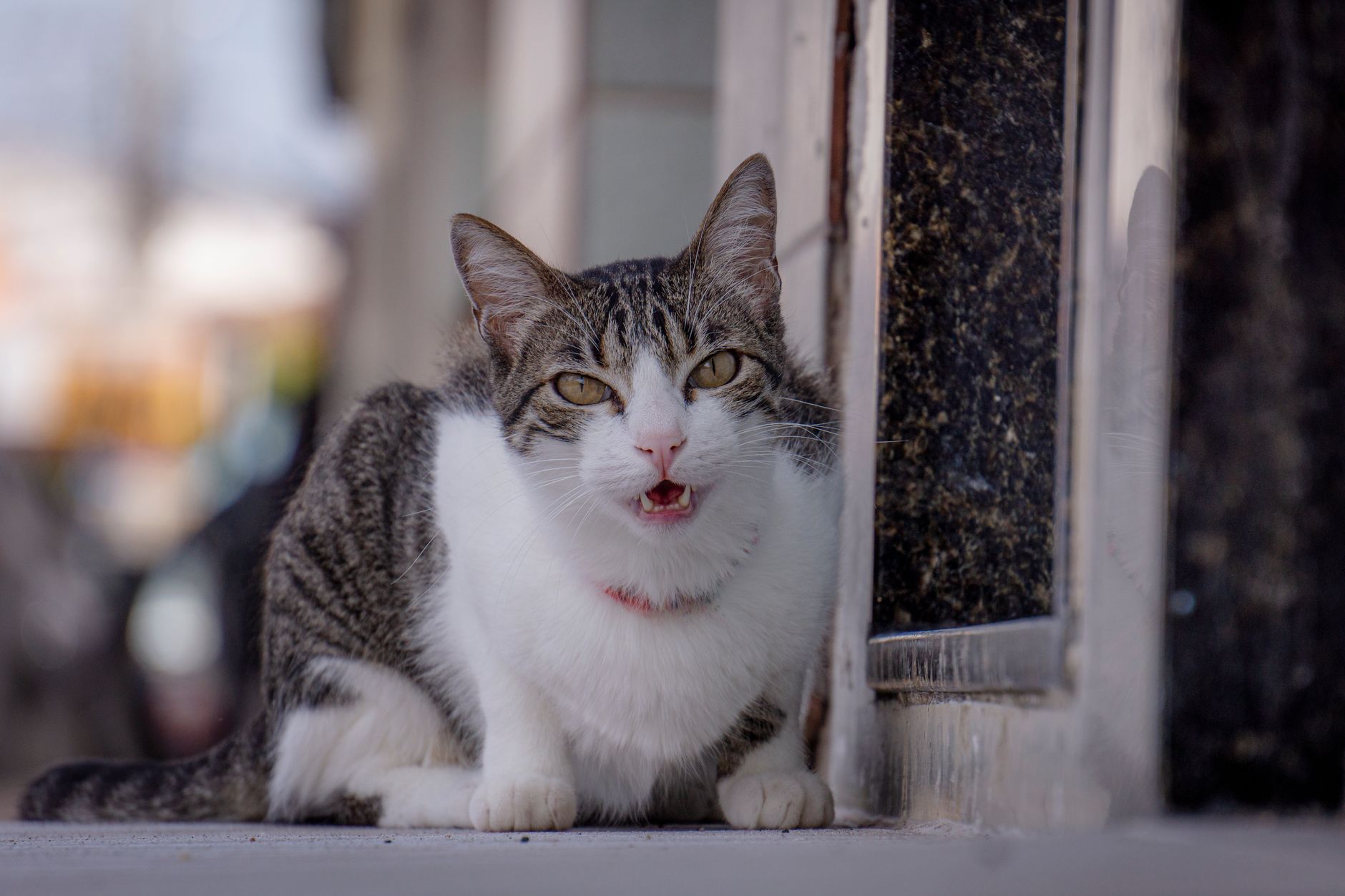
A cat’s loud meow can be referred to as yowling, a prolonged, mournful cry. While meowing is a general term, yowling specifically describes a louder, often distressed, form of vocalization.

Understanding Feline Vocal Communication
Cats, despite their reputation for aloofness, are surprisingly communicative creatures. They use a variety of methods to express themselves, including body language, scent marking, and, of course, vocalizations. While wild cats rely less on meows with other cats (primarily communicating through scent and body language), domestic cats have adapted to use meowing, and particularly loud meowing (yowling), to get our attention. Understanding the nuances of these vocalizations is key to deciphering what your feline friend is trying to tell you.
The Difference Between a Meow and a Yowl

The distinction between a simple meow and a yowl lies in the intensity, duration, and often, the underlying cause. A standard meow is typically short and relatively quiet, used for general greetings or requests. A yowl, on the other hand, is a much louder, more drawn-out sound. It’s often described as a mournful cry or a piercing wail. Yowling can indicate a wide range of emotions, from distress to excitement, making it crucial to consider the context.
Common Causes of Loud Meowing (Yowling)
Several factors can trigger yowling in cats. Identifying the cause is essential for addressing the issue effectively.
- Medical Issues: Pain, illness, or cognitive dysfunction can lead to excessive vocalization. Hyperthyroidism, kidney disease, and age-related dementia are common culprits.
- Attention-Seeking Behavior: Cats are smart! They learn quickly that yowling can elicit a response from their owners, even if that response is simply scolding.
- Territorial Concerns: If a cat feels threatened by other animals, especially outside the house, they might yowl to defend their territory.
- Hunger or Thirst: An empty food bowl or water dish can prompt a desperate yowl for sustenance.
- Boredom or Loneliness: Cats need mental and physical stimulation. A lack of playtime or companionship can lead to yowling.
- Cognitive Dysfunction (Senior Cats): Feline Cognitive Dysfunction (FCD), similar to Alzheimer’s in humans, can cause disorientation and anxiety, leading to increased vocalization, especially at night.
- Mating Behavior: Unspayed or unneutered cats will yowl loudly when they are in heat or sensing a potential mate. This is a hormonally driven behavior.
- Stress or Anxiety: Environmental changes, new pets, or loud noises can trigger anxiety and result in yowling.
Addressing Loud Meowing (Yowling)
Once you’ve identified the potential cause of your cat’s yowling, you can take steps to address the issue.
- Veterinary Checkup: Rule out any underlying medical conditions with a thorough examination by a veterinarian.
- Enrichment and Play: Provide plenty of toys, scratching posts, and interactive play sessions to keep your cat mentally and physically stimulated.
- Consistent Feeding Schedule: Maintain a regular feeding schedule to prevent hunger-related yowling.
- Safe and Secure Environment: Ensure your cat feels safe and secure in their environment, especially if territorial concerns are a factor.
- Ignore Attention-Seeking Behavior: If the yowling is attention-seeking, try to ignore it. Only give your cat attention when they are quiet. This requires patience and consistency!
- Consider a Feline Behaviorist: If the yowling persists despite your best efforts, consult with a certified feline behaviorist for personalized guidance.
- For Senior Cats with FCD: Discuss medication or dietary changes with your vet. Providing quiet spaces and predictable routines can also help.
The Importance of Observation
Pay close attention to when and where your cat yowls. Note any accompanying body language. Is their tail twitching? Are they staring out the window? These observations will provide valuable clues about the underlying cause. Keeping a log of yowling incidents can be extremely helpful in identifying patterns.
Summary
Understanding what is it called when a cat meows loudly ( yowling) and the reasons behind it allows owners to respond effectively, improve their cat’s well-being, and strengthen their bond. This knowledge leads to happier, healthier, and quieter feline companions.

Frequently Asked Questions (FAQs)
Is yowling always a sign of distress?
No, yowling isn’t always a sign of distress. While it often indicates discomfort or anxiety, it can also be a sign of excitement, boredom, or simply a desire for attention. The context of the yowling is crucial for accurate interpretation.
My cat only yowls at night. Why?
Nighttime yowling can be caused by several factors, including feline cognitive dysfunction (FCD) in older cats, hunger, boredom, or separation anxiety. Consider providing a nighttime feeding, ensuring adequate daytime stimulation, and consulting your veterinarian to rule out any medical conditions.
What should I do if my cat is yowling due to mating behavior?
The most effective solution for yowling due to mating behavior is spaying or neutering your cat. This eliminates the hormonal drive behind the behavior and prevents unwanted pregnancies.
Can a change in diet cause yowling?
Yes, a sudden change in diet can cause gastrointestinal upset and discomfort, which can lead to yowling. Always introduce new foods gradually to avoid digestive problems. An allergy to a new food could also cause distress and yowling.
Is it possible for a cat to yowl simply because they are old?
Yes, age-related cognitive decline, similar to Alzheimer’s disease in humans, can cause disorientation and anxiety in senior cats, leading to yowling. This is often referred to as Feline Cognitive Dysfunction (FCD).
How can I tell if my cat is yowling due to pain?
If your cat is yowling and showing other signs of discomfort, such as limping, hiding, or loss of appetite, it’s important to consult a veterinarian immediately. Pain can be a significant cause of yowling.
My cat started yowling after we moved to a new house. Why?
Moving to a new environment can be incredibly stressful for cats. The change in surroundings can trigger anxiety and insecurity, leading to yowling. Provide your cat with familiar objects and create a safe and comfortable space to help them adjust.
Is it okay to punish my cat for yowling?
Punishing your cat for yowling is never a good idea. It can worsen their anxiety and damage your relationship. Instead, focus on identifying and addressing the underlying cause of the yowling.
How much playtime does my cat need to prevent boredom-related yowling?
Most cats benefit from at least 15-20 minutes of interactive playtime each day. This helps to burn energy, stimulate their minds, and prevent boredom-related yowling.
Can certain breeds of cats be more prone to yowling?
Yes, some breeds, such as Siamese and Oriental cats, are known to be more vocal than others. This is simply a characteristic of the breed and may not indicate any underlying problem.
Is there any medication that can help with yowling?
In some cases, your veterinarian may prescribe medication to help manage anxiety or pain that is contributing to the yowling. This is typically considered a last resort and is only used after other potential causes have been ruled out.
What can I do if I suspect my cat is yowling due to territorial issues?
Ensure that your cat has a secure indoor environment and limit their exposure to outdoor cats that may be triggering their territorial instincts. Covering windows or using deterrent sprays can also help. Providing multiple litter boxes and feeding stations can also reduce territorial stress.