

What Makes a Trophy Pronghorn? Defining the Antelope Icon
What is considered a trophy pronghorn? It’s ultimately subjective, but generally a trophy pronghorn is defined by the size and mass of its antlers, with exceptionally long and heavy horns, significant prongs, and impressive overall appearance being key factors.
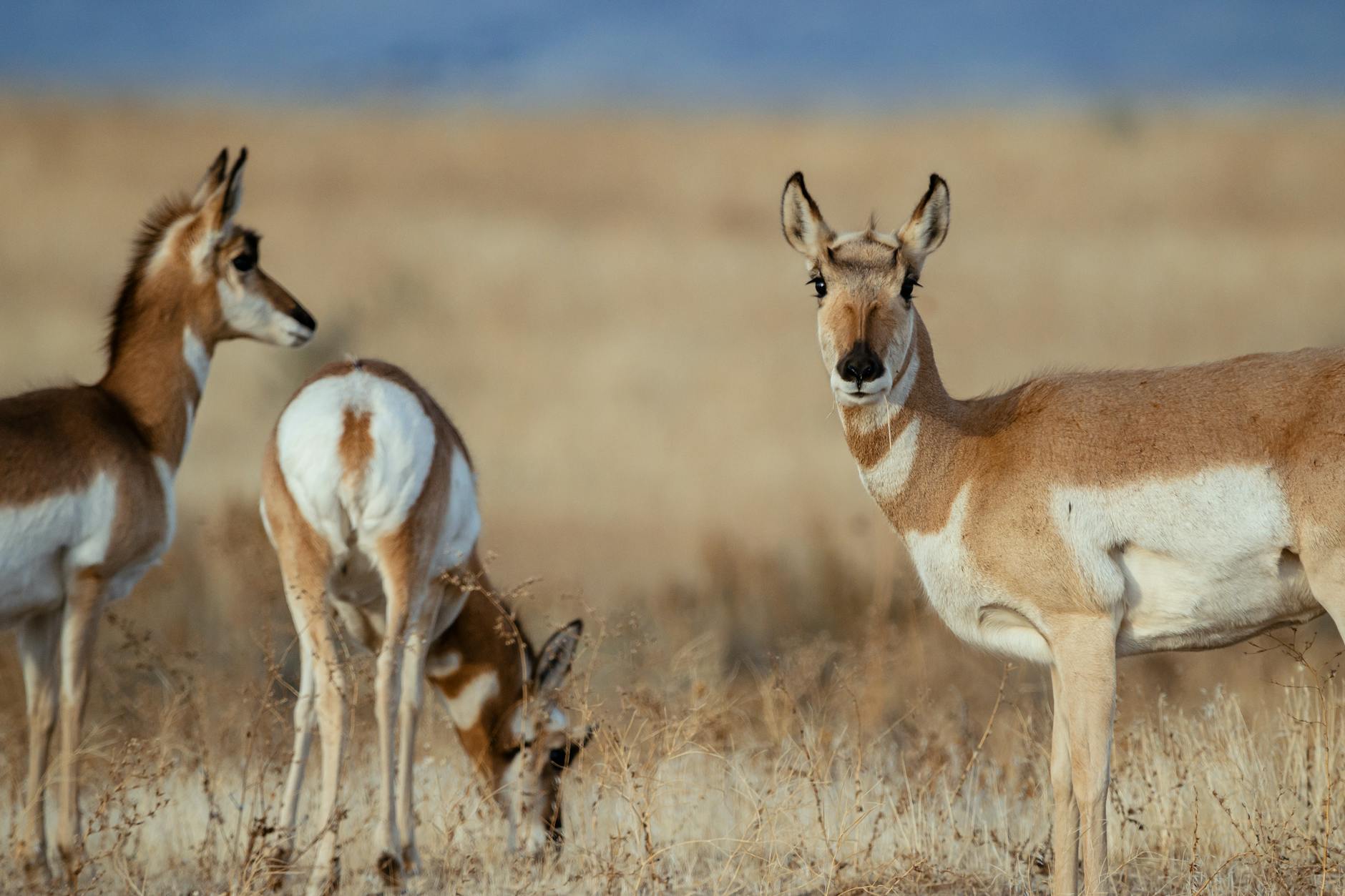
Introduction: The Allure of the Pronghorn
The pronghorn, North America’s fastest land mammal, is a symbol of the vast open spaces of the American West. For hunters, the pursuit of a mature buck with an impressive set of horns represents a significant accomplishment. But what exactly separates a good pronghorn from a truly remarkable, trophy-worthy specimen? This question has fueled countless debates around campfires and at hunting expos. Understanding the criteria used to evaluate pronghorn antlers can help hunters focus their efforts and appreciate the unique qualities of these magnificent animals.
The Boone and Crockett System: The Benchmark

While personal preference plays a role, formal scoring systems provide objective benchmarks for evaluating pronghorn trophies. The Boone and Crockett Club (B&C) system is the most widely recognized and respected. It meticulously measures and scores various antler dimensions, ultimately arriving at a single numerical score. While not the only measure of a trophy, it is the gold standard.
Key Measurements in Pronghorn Scoring
The B&C system considers several critical measurements:
- Main Beam Length: The length of the main horn from the base to the tip. Longer beams are generally considered more desirable.
- Horn Circumference: Measurements are taken at specific points along the main beam to assess mass and thickness.
- Prong Length: The length of the prong, a defining feature of the pronghorn. Longer, well-developed prongs contribute significantly to the score.
- Tip-to-Tip Spread: The widest distance between the tips of the horns.
- Overall Appearance and Symmetry: An aesthetically pleasing set of horns, with good symmetry, adds to the appeal, even if not directly impacting the score.
These measurements are combined in a specific formula to arrive at the final B&C score. The minimum score required for entry into the B&C records book varies, but generally, a pronghorn scoring above 80 inches is considered a significant trophy.
Factors Influencing Antler Growth
Antler growth is influenced by a complex interplay of factors:
- Genetics: Just like any other physical trait, antler size is influenced by genetics. Some bloodlines are simply predisposed to producing larger antlers.
- Nutrition: A high-quality diet rich in essential minerals is crucial for antler development. Access to ample forage, especially during antler-growing season, can significantly impact size and mass.
- Age: Pronghorn antlers typically reach their peak size and mass when the buck is between 4 and 7 years old. Younger bucks may not have reached their full potential, while older bucks may experience a decline in antler quality.
- Habitat Quality: The overall quality of the habitat, including water availability and cover, can also influence antler growth. Stressful conditions can negatively impact antler development.
More Than Just a Score: The Hunter’s Perspective
While the B&C score provides an objective measure, what is considered a trophy pronghorn can also be highly personal. Some hunters prioritize specific characteristics, such as exceptional prong length or unique horn shape. Others value the challenge of the hunt itself, regardless of the size of the animal. Ultimately, a trophy is something that holds special meaning for the hunter.
Ethical Considerations in Pronghorn Hunting
When pursuing trophy pronghorn, it’s important to practice ethical hunting principles:
- Fair Chase: Adhering to fair chase principles ensures a challenging and respectful hunt.
- Respect for the Animal: Treat the pronghorn with respect throughout the hunting process.
- Responsible Harvest: Only harvest animals that you intend to utilize.
- Understanding Regulations: Familiarize yourself with and abide by all applicable hunting regulations.
Common Mistakes Hunters Make
- Underestimating Age: Judging a pronghorn’s age can be difficult, leading to harvesting younger bucks before they reach their prime.
- Focusing Solely on Length: Overemphasizing main beam length while neglecting mass and prong development.
- Not Glassing Adequately: Rushing the scouting process and not thoroughly glassing areas to locate mature bucks.
- Poor Shot Placement: Failing to practice shooting skills and ensuring accurate shot placement.
Tips for Finding a Trophy Pronghorn
- Scout Thoroughly: Spend time scouting potential hunting areas, paying attention to pronghorn movement patterns and habitat features.
- Use Quality Optics: Invest in high-quality binoculars and spotting scopes to effectively glass large areas.
- Focus on Water Sources: During dry periods, pronghorn often congregate near water sources, providing opportunities for observation.
- Hunt During the Rut: The rutting season can increase pronghorn activity and make mature bucks more visible.
- Be Patient: Finding a trophy pronghorn often requires patience and persistence.
Table: Illustrative Pronghorn Antler Scoring Example
| Measurement | Example Buck 1 (Inches) | Example Buck 2 (Inches) |
|---|---|---|
| Main Beam Length | 15 | 16 |
| Horn Circumference (H-1) | 7 | 7.5 |
| Horn Circumference (H-2) | 6.5 | 7 |
| Horn Circumference (H-3) | 6 | 6.5 |
| Horn Circumference (H-4) | 5.5 | 6 |
| Prong Length | 5 | 6 |
| Tip-to-Tip Spread | 14 | 15 |
| B&C Score (approx.) | 70 | 78 |

Frequently Asked Questions (FAQs)
What is the minimum Boone and Crockett score for a pronghorn to be considered a trophy?
While the definition is personal, a buck scoring over 80 inches B&C is generally considered a significant trophy and is often the minimum for record books. Some hunters even focus on scores over 85 inches.
How old does a pronghorn buck need to be to reach trophy size?
Pronghorn bucks typically reach their peak antler size between 4 and 7 years old. Harvesting younger bucks may mean missing out on their full potential.
What is more important: main beam length or mass?
Both main beam length and mass are important factors in determining a trophy pronghorn. A balance between the two is often more desirable than extreme length with minimal mass, or vice versa. Prong length, however, can contribute greatly to the final score.
How much does prong length impact the overall score?
Prong length can significantly impact the overall B&C score. Longer, well-developed prongs add considerably to the final score and aesthetic appeal.
Can nutrition affect pronghorn antler growth?
Yes, nutrition plays a crucial role in antler development. A high-quality diet rich in essential minerals is vital for maximizing antler size and mass.
What states are known for producing trophy pronghorn?
Wyoming, New Mexico, Arizona, and Montana are all known for producing trophy-quality pronghorn, though good bucks can be found in other western states as well.
Is symmetry important when judging a trophy pronghorn?
While symmetry is not directly factored into the B&C score, it contributes to the overall aesthetic appeal of the antlers. A symmetrical set of horns is often considered more desirable.
How can I improve my chances of finding a trophy pronghorn?
Focus on scouting, using quality optics, and hunting during the rut. Also, thoroughly research potential hunting areas and understand pronghorn behavior.
What is the best time of year to hunt pronghorn?
The best time to hunt pronghorn is often during the rutting season (late September and October), when bucks are more active and visible.
What are some ethical considerations when hunting trophy pronghorn?
Practice fair chase, respect the animal, ensure responsible harvest, and abide by all applicable hunting regulations.
What type of rifle and ammunition is best for pronghorn hunting?
A flat-shooting rifle in a caliber such as .243 Winchester, 6.5 Creedmoor, or .270 Winchester is often recommended, paired with ammunition that provides good accuracy and terminal performance.
Beyond scoring, what other qualities make a pronghorn a trophy?
Beyond numerical scores, qualities like unusual horn shape, exceptional prong development, or the story behind the hunt itself can all contribute to a pronghorn being considered a trophy. Ultimately, what is considered a trophy pronghorn is a personal decision.