
What is Being Done About Plastic Pollution?
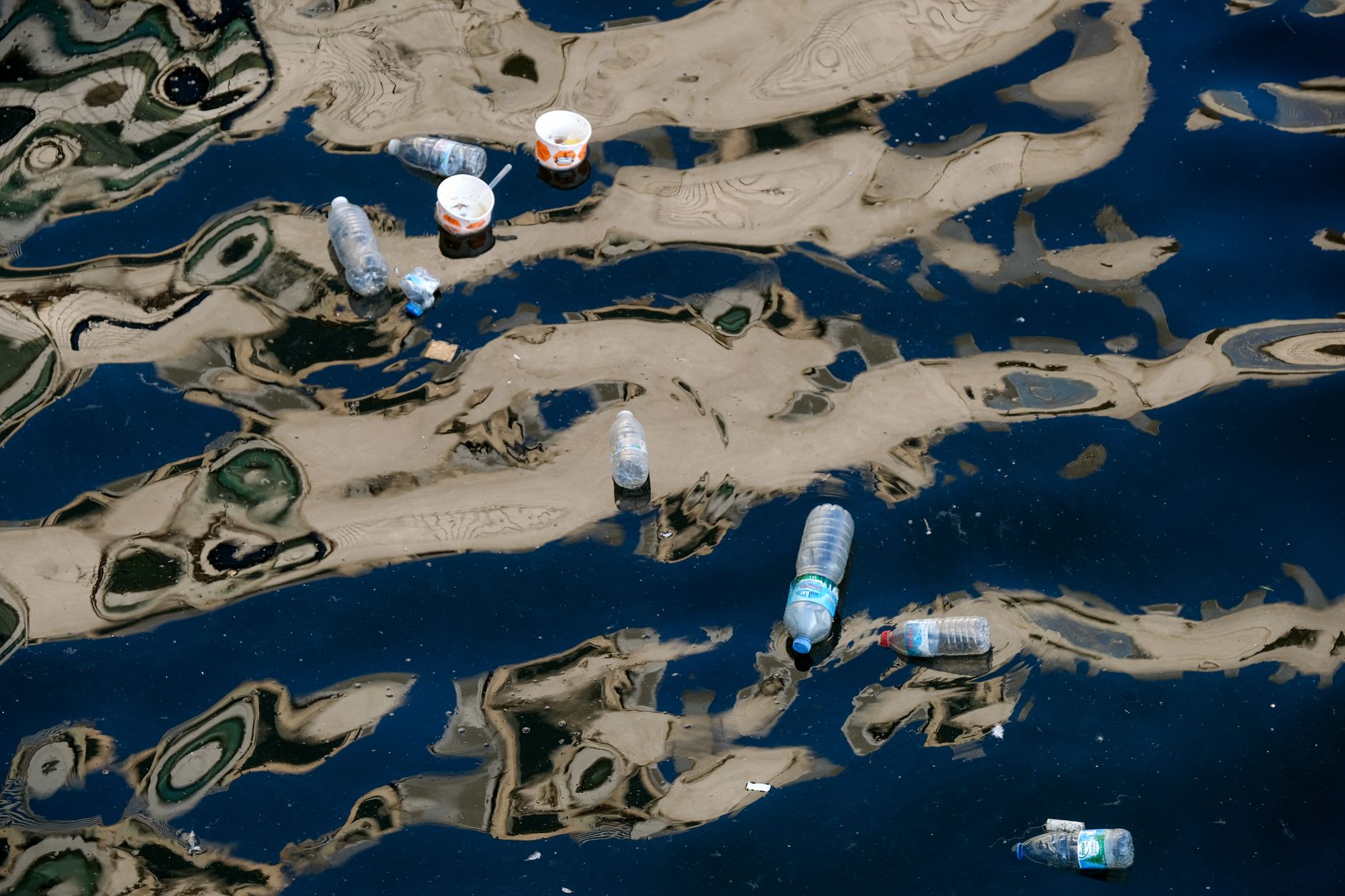
The fight against plastic pollution is a multifaceted battle waged on scales both global and local, involving governments, industries, and individuals. Efforts range from international treaties and national legislation aimed at reducing plastic production and promoting responsible waste management, to innovative technologies focused on recycling and biodegradable alternatives, and widespread public awareness campaigns encouraging behavioral change.
The Global Landscape of Plastic Pollution Initiatives
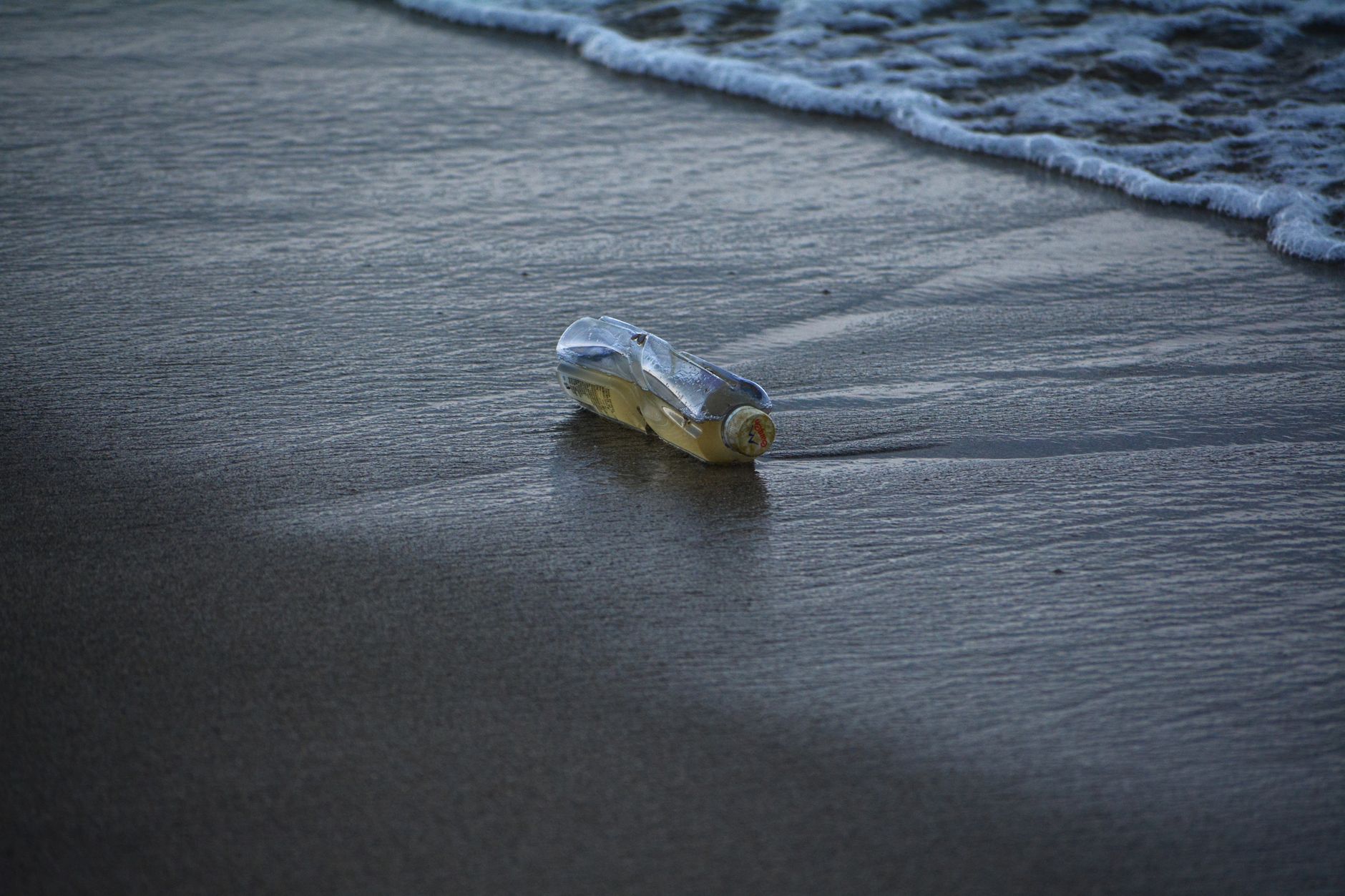
Plastic pollution has evolved from a localized nuisance to a globally recognized environmental crisis. Microplastics infiltrate our food chains, ocean currents carry vast gyres of debris, and landfills overflow with discarded plastics that persist for centuries. Recognizing the severity of the problem, numerous initiatives have emerged across the world, aiming to curb the production, use, and disposal of plastics.
International Agreements and Regulations
International collaborations are vital for tackling a problem that transcends national borders. Several agreements and conventions are currently in place or under development.
-
The Basel Convention Amendment: This amendment aims to control the transboundary movement of plastic waste, ensuring that developed countries cannot simply export their plastic waste problems to developing nations. The amendment provides a framework for responsible disposal and recycling, placing greater obligations on exporters.
-
The United Nations Environment Programme (UNEP): UNEP plays a pivotal role in coordinating global efforts to combat plastic pollution. Through reports, assessments, and collaborative initiatives, UNEP provides a scientific basis for action and facilitates international cooperation.
-
Negotiations for a Global Plastics Treaty: Perhaps the most significant development is the ongoing negotiation for a legally binding global agreement on plastic pollution. This treaty aims to address the full lifecycle of plastics, from production to disposal, setting targets for reduction, promoting sustainable alternatives, and establishing mechanisms for accountability.
National Policies and Legislation
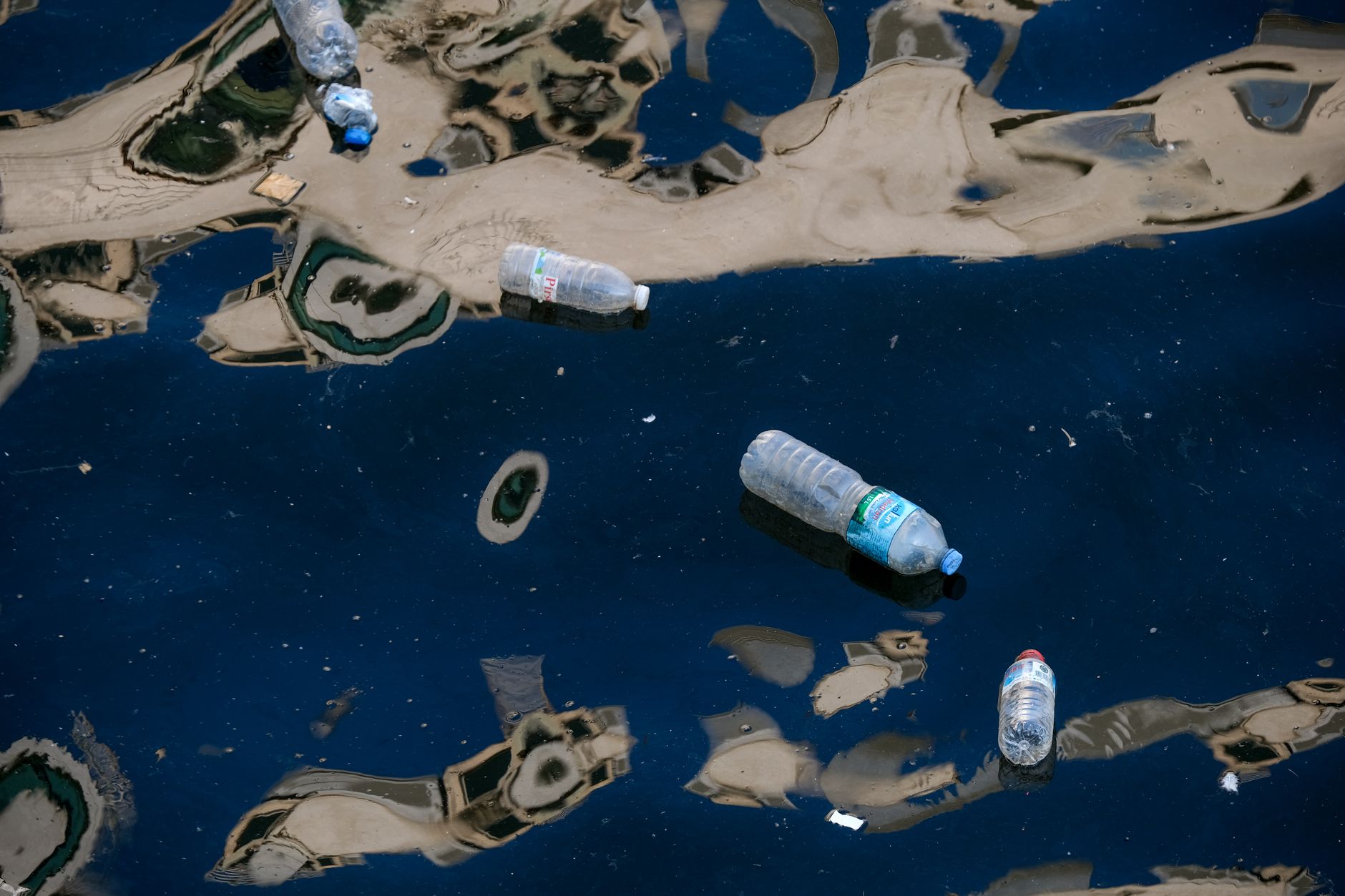
Individual countries are also implementing policies to reduce plastic pollution. These measures vary significantly depending on national priorities and capabilities.
-
Plastic Bag Bans and Levies: Many countries and regions have implemented bans or levies on single-use plastic bags. These measures have proven effective in reducing plastic bag consumption and encouraging the use of reusable alternatives.
-
Extended Producer Responsibility (EPR) Schemes: EPR schemes hold producers responsible for the end-of-life management of their products. This incentivizes companies to design products that are easier to recycle and reduces the burden on municipal waste management systems.
-
Recycling Mandates and Targets: Governments are setting recycling mandates and targets to increase the rate of plastic recycling. These policies often include measures to improve recycling infrastructure and promote the use of recycled content in new products.
Technological Innovations in Plastic Recycling and Alternatives
Beyond policy and regulation, technological advancements are playing a crucial role in the fight against plastic pollution. Innovation in recycling technologies and the development of biodegradable alternatives offer promising solutions for reducing our reliance on conventional plastics.
Advanced Recycling Technologies
Traditional mechanical recycling has limitations, particularly when dealing with contaminated or mixed plastic waste. Advanced recycling technologies, also known as chemical recycling, offer a way to break down plastics into their basic building blocks, which can then be used to create new plastics.
-
Chemical Depolymerization: This process uses heat or chemicals to break down plastics into monomers, which can be used to produce virgin-quality plastics.
-
Pyrolysis: Pyrolysis involves heating plastic waste in the absence of oxygen, converting it into fuel, gas, and other valuable chemicals.
-
Gasification: This technology converts plastic waste into a synthesis gas, which can be used to generate electricity or produce chemicals.
Biodegradable and Compostable Alternatives
The development of biodegradable and compostable alternatives to conventional plastics is another promising avenue for reducing plastic pollution. These materials are designed to break down naturally in the environment, reducing the accumulation of plastic waste.
-
Bioplastics: Bioplastics are made from renewable resources such as corn starch, sugarcane, or cellulose. While not all bioplastics are biodegradable, some can break down under specific conditions, such as in industrial composting facilities.
-
Compostable Plastics: Compostable plastics are designed to break down into nutrient-rich soil in a composting environment. These materials are typically certified to meet specific standards for compostability.
-
Alternative Materials: Beyond plastics, researchers are exploring a range of alternative materials, such as seaweed, mushrooms, and agricultural waste, which can be used to create packaging and other products.
The Role of Public Awareness and Behavioral Change
Technological solutions and government regulations are essential, but the fight against plastic pollution also requires widespread public awareness and behavioral change. Educating the public about the impacts of plastic pollution and encouraging them to adopt more sustainable practices can have a significant impact on reducing plastic waste.
Education and Awareness Campaigns
Effective education and awareness campaigns are crucial for informing the public about the problem of plastic pollution and motivating them to take action.
-
School Programs: Integrating plastic pollution education into school curricula can help to instill environmentally responsible habits in young people.
-
Public Service Announcements: Public service announcements can raise awareness about the impacts of plastic pollution and promote sustainable alternatives.
-
Community Cleanups: Participating in community cleanups can help to remove plastic waste from the environment and raise awareness about the scale of the problem.
Promoting Sustainable Consumption Habits
Encouraging consumers to adopt more sustainable consumption habits is another important aspect of addressing plastic pollution.
-
Reducing Single-Use Plastic Consumption: This can involve switching to reusable water bottles, coffee cups, and shopping bags.
-
Supporting Businesses with Sustainable Practices: Consumers can choose to support businesses that are committed to reducing their plastic footprint.
-
Proper Waste Disposal: Ensuring that plastic waste is properly sorted and disposed of in designated recycling bins is essential for maximizing recycling rates.
Frequently Asked Questions (FAQs) About Plastic Pollution
Here are some frequently asked questions to address common concerns and deepen understanding of this complex issue.
H3 What are the main sources of plastic pollution?
The primary sources include single-use packaging, industrial waste discharge, agricultural runoff, and improperly discarded plastic from households and businesses. Additionally, textile microfibers released during washing contribute significantly.
H3 How long does it take for plastic to decompose?
The decomposition time varies greatly depending on the type of plastic. Some types can take hundreds or even thousands of years to fully break down in the environment. Most common plastics, like bottles and bags, require centuries to decompose.
H3 What are the impacts of plastic pollution on marine life?
Marine animals can become entangled in plastic debris, leading to injury, starvation, and death. They also ingest plastic, which can cause internal injuries, block their digestive systems, and expose them to harmful chemicals. Microplastics bioaccumulate up the food chain, posing a threat to larger marine animals and, potentially, humans.
H3 What is microplastic, and why is it a problem?
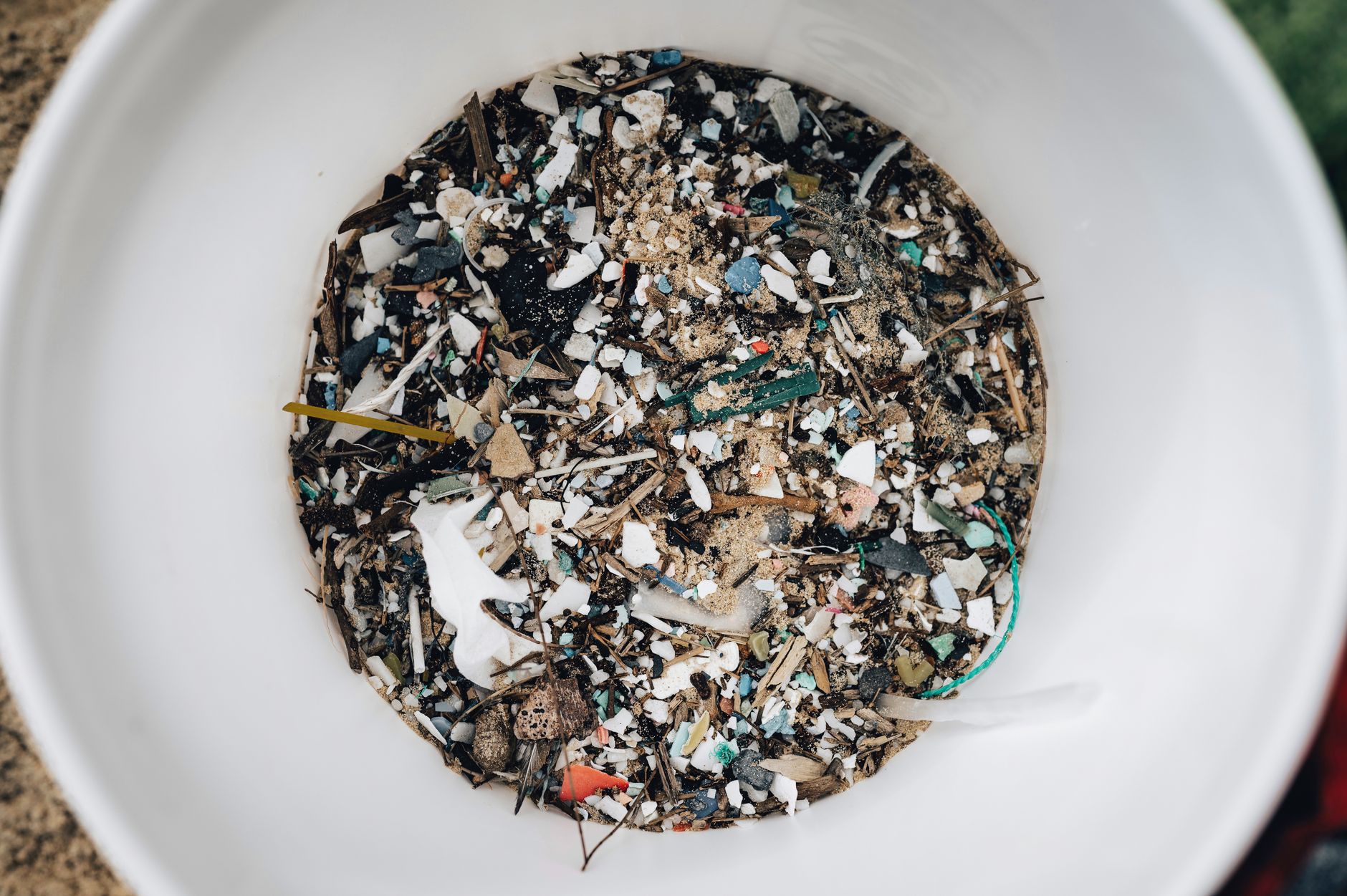
Microplastics are small plastic particles, typically less than 5 millimeters in diameter, that result from the breakdown of larger plastic items or are intentionally manufactured for use in products like cosmetics. They are problematic because they contaminate ecosystems, enter the food chain, and can carry toxins.
H3 Is recycling an effective solution to plastic pollution?
Recycling is part of the solution but faces challenges. Not all plastics are recyclable, and contamination can hinder the process. Effective recycling requires improved infrastructure, consumer participation, and consistent standards.
H3 What are bioplastics, and are they a sustainable alternative?
Bioplastics are plastics derived from renewable biomass sources, such as corn starch or sugarcane. While potentially more sustainable, not all bioplastics are biodegradable, and their environmental impact depends on their production and disposal methods.
H3 What can individuals do to reduce their plastic consumption?
Individuals can significantly reduce their plastic footprint by choosing reusable alternatives to single-use plastics, supporting businesses with sustainable practices, properly disposing of waste, and advocating for policy changes. Small changes, made consistently, can have a big collective impact.
H3 What is the role of governments in addressing plastic pollution?
Governments play a crucial role through enacting legislation, implementing recycling programs, investing in research and development of alternative materials, and participating in international agreements. Strong government action is essential for creating a framework for responsible plastic management.
H3 How can businesses reduce their plastic footprint?
Businesses can reduce their plastic footprint by using less packaging, switching to recyclable or compostable materials, implementing closed-loop systems, and engaging with their customers to promote sustainable practices. Transparency and commitment to sustainability are key.
H3 What are the limitations of current recycling technologies?
Current recycling technologies face limitations in processing contaminated or mixed plastics. They can also be energy-intensive and may not always produce high-quality recycled materials. Investment in advanced recycling technologies is needed to improve efficiency and expand capabilities.
H3 Are there any innovative technologies being developed to address plastic pollution?
Yes, innovative technologies such as chemical recycling, enzymatic degradation, and waste-to-energy processes are being developed to break down plastics and convert them into valuable resources. These technologies offer the potential to address hard-to-recycle plastics and reduce reliance on virgin materials.
H3 What is the role of international cooperation in tackling plastic pollution?
International cooperation is essential for addressing a problem that transcends national borders. This includes sharing best practices, developing common standards, and coordinating efforts to prevent plastic waste from entering the oceans. A global approach is necessary to effectively tackle the transboundary nature of plastic pollution.
Ultimately, addressing plastic pollution requires a comprehensive and collaborative approach. By combining policy changes, technological innovations, and behavioral shifts, we can work towards a future with less plastic waste and a healthier planet.