
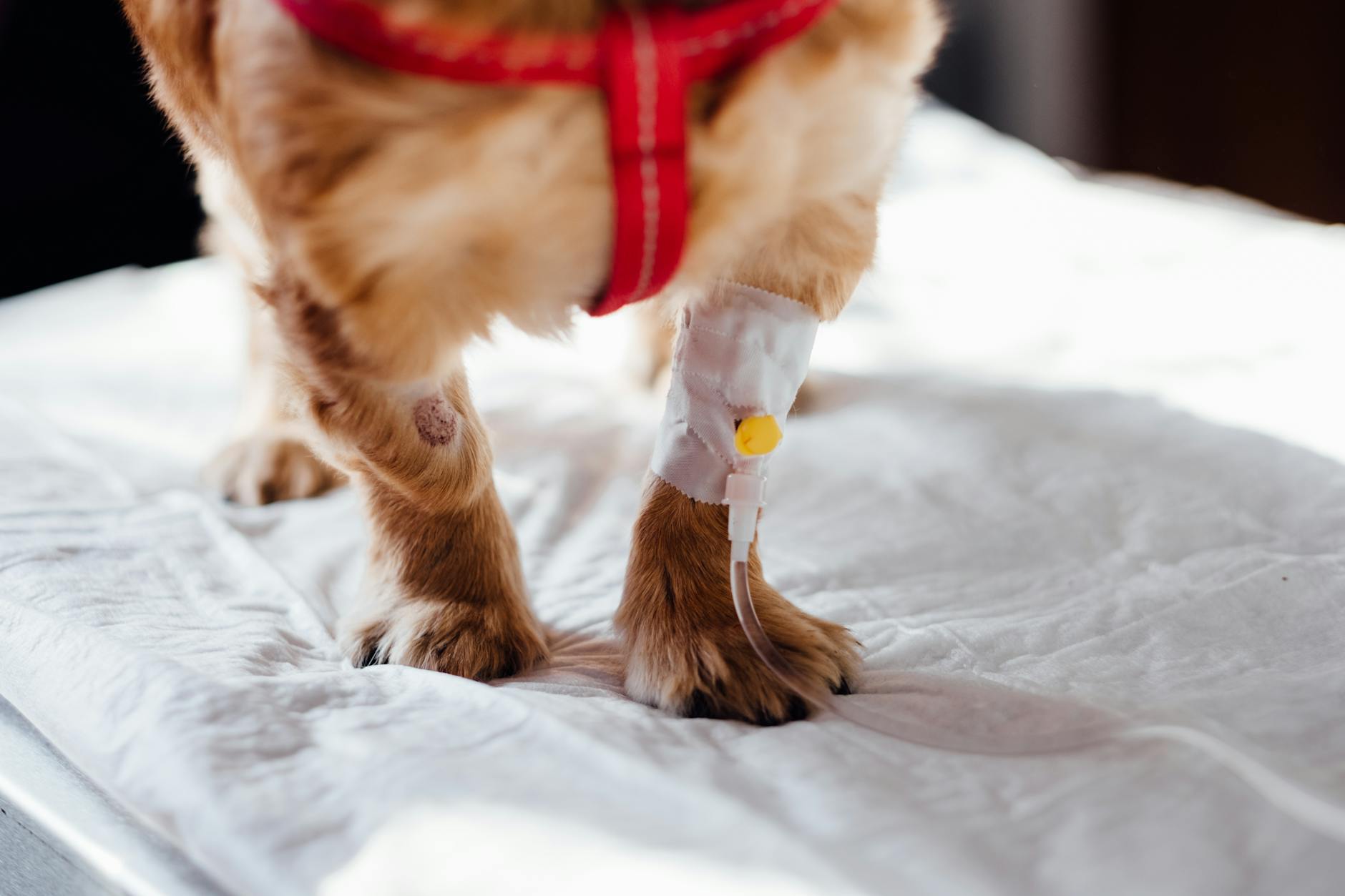
What is a Grade 1 Sprain in a Dog? Understanding Canine Ligament Injuries
A Grade 1 sprain in a dog represents a mild ligament injury, where ligaments have been stretched but not torn, resulting in minimal instability and pain. This usually resolves with rest and conservative management.

Introduction to Canine Sprains
Dogs, with their active lifestyles, are prone to various musculoskeletal injuries, including sprains. A sprain occurs when ligaments, the strong bands of tissue that connect bones at a joint, are stretched or torn. The severity of a sprain is graded from 1 to 3, with Grade 1 being the mildest. Understanding what is a Grade 1 sprain in a dog is crucial for proper diagnosis and management, ensuring a swift recovery and preventing further complications.
Understanding Ligaments and Joint Stability

Ligaments play a vital role in maintaining joint stability. They connect bones to each other, preventing excessive movement and supporting the joint during activity. The knee, hock (ankle), and carpus (wrist) are common sites for sprains in dogs.
- Function of Ligaments: Connect bones, provide stability, and limit excessive joint movement.
- Common Sites of Sprains: Knee, hock (ankle), carpus (wrist), shoulder.
When a ligament is stretched or torn, the joint becomes less stable, leading to pain, inflammation, and potentially reduced mobility.
Characteristics of a Grade 1 Sprain
A Grade 1 sprain in a dog is characterized by a stretching of the ligament fibers without a complete tear. It’s considered a mild injury.
- Ligament Damage: Stretching, but no tear.
- Joint Instability: Minimal to none.
- Pain Level: Mild.
- Swelling: Slight.
- Lameness: May be present but often mild and intermittent.
A dog with a Grade 1 sprain might exhibit a slight limp or stiffness, especially after exercise, but will generally bear weight on the affected limb.
Causes and Risk Factors
Several factors can contribute to a dog developing a Grade 1 sprain:

- Trauma: Sudden twisting or overextension of a joint during activity.
- Overexertion: Excessive exercise or activity without proper conditioning.
- Poor Conditioning: Weak muscles surrounding the joint.
- Obesity: Excess weight places added stress on joints.
- Uneven Terrain: Running or playing on rough or uneven surfaces.
Certain breeds, especially those prone to hip dysplasia or other joint issues, may be more susceptible to sprains.
Diagnosis
Diagnosing a Grade 1 sprain involves a thorough physical examination by a veterinarian. The vet will assess the dog’s gait, palpate the affected joint, and check for pain, swelling, and range of motion. While X-rays might be taken to rule out fractures or other bone abnormalities, they typically do not reveal ligament damage directly. In some cases, advanced imaging such as MRI may be used, but typically not for a suspected Grade 1 sprain.
- Physical Examination: Gait analysis, palpation, range of motion assessment.
- X-rays: Rule out fractures or other bone issues.
- MRI (Rarely): Can visualize ligament damage, but usually not necessary for Grade 1 sprains.
The diagnosis is primarily based on the clinical signs and the exclusion of other more severe conditions.
Treatment and Management
The primary goal of treatment for a Grade 1 sprain in a dog is to reduce pain and inflammation and promote healing. Conservative management is typically effective.
- Rest: Limiting activity to allow the ligament to heal. Avoid running, jumping, and strenuous exercise.
- Cold Compresses: Applying ice packs to the affected area for 15-20 minutes several times a day during the first 24-48 hours to reduce swelling.
- Non-Steroidal Anti-Inflammatory Drugs (NSAIDs): Prescribed by the veterinarian to manage pain and inflammation. Always follow the veterinarian’s instructions carefully when administering medications.
- Supportive Bandage: A bandage may be applied to provide support to the joint and limit movement. Ensure the bandage is not too tight to avoid restricting blood flow.
- Physical Therapy: Gentle range-of-motion exercises can help maintain joint flexibility and prevent stiffness. This should only be done under the guidance of a veterinarian or veterinary physical therapist.
Recovery and Prognosis
The prognosis for a Grade 1 sprain is generally good with proper treatment and rest. Most dogs recover fully within a few weeks.
- Expected Recovery Time: Typically 2-4 weeks.
- Gradual Return to Activity: Gradually increase activity levels as the dog recovers, avoiding sudden bursts of exercise.
- Monitor for Recurrence: Watch for signs of recurring lameness or pain and consult with the veterinarian if necessary.
It’s crucial to prevent re-injury during the recovery period by carefully controlling the dog’s activity level.
Prevention Strategies
Preventing sprains involves minimizing risk factors and maintaining good joint health.
- Proper Conditioning: Gradual increase in exercise intensity and duration to build muscle strength.
- Weight Management: Maintaining a healthy weight to reduce stress on joints.
- Appropriate Surfaces: Avoiding running on uneven or slippery surfaces.
- Warm-up: Warming up muscles before exercise with light activity.
- Supplements: Consider joint supplements containing glucosamine and chondroitin sulfate, which may help support joint health.
Common Mistakes
Several common mistakes can hinder recovery from a Grade 1 sprain:
- Premature Return to Activity: Resuming strenuous activity too soon can lead to re-injury.
- Ignoring Pain Signals: Pushing the dog too hard despite signs of pain.
- Inconsistent Treatment: Failing to consistently follow the veterinarian’s treatment plan.
- Improper Bandaging: Applying bandages too tightly or incorrectly, restricting blood flow.
- Lack of Follow-Up: Not scheduling follow-up appointments with the veterinarian to monitor progress.
Frequently Asked Questions (FAQs)
Can a Grade 1 sprain heal on its own?
While a Grade 1 sprain can sometimes improve with rest alone, veterinary intervention is recommended to manage pain and inflammation, and to prevent the condition from worsening. Consulting a vet ensures proper diagnosis and treatment.
How long does it take for a Grade 1 sprain in a dog to heal?
Typically, a Grade 1 sprain takes between 2 to 4 weeks to heal with proper rest and treatment. The exact timeline depends on the dog’s overall health, age, and adherence to the treatment plan.
What are the signs that my dog has a Grade 1 sprain?
Signs include mild lameness, slight swelling, stiffness in the affected joint, and reluctance to bear weight fully on the leg. These symptoms are typically intermittent, especially after exercise.
Are there any specific exercises that can help my dog recover from a Grade 1 sprain?
Yes, gentle range-of-motion exercises can help, but these must be performed under the guidance of a veterinarian or veterinary physical therapist. Avoid any activity that causes pain or discomfort.
Can I give my dog human pain medication for a sprain?
Never give your dog human pain medication without consulting a veterinarian. Many human medications are toxic to dogs. Only use medications specifically prescribed by your vet.
Is surgery ever needed for a Grade 1 sprain?
Surgery is generally not required for a Grade 1 sprain. Conservative management, including rest and medication, is typically sufficient.
What is the difference between a sprain and a strain in dogs?
A sprain involves damage to ligaments, while a strain involves damage to muscles or tendons. Both can cause lameness, but they affect different tissues.
How can I prevent my dog from getting another sprain?
Prevention includes maintaining a healthy weight, providing proper conditioning, warming up before exercise, and avoiding rough terrain. Joint supplements might also be beneficial.
Should I wrap my dog’s leg if they have a Grade 1 sprain?
Wrapping your dog’s leg can provide support, but it must be done correctly. An improperly applied bandage can restrict blood flow. Consult with your veterinarian for guidance on bandaging.
What type of cold compress is best for a dog with a sprain?
A cold compress can be made with a bag of frozen vegetables wrapped in a towel, or a commercially available ice pack. Apply for 15-20 minutes at a time, several times a day.
When should I take my dog to the vet if I suspect a sprain?
You should take your dog to the vet if the lameness persists for more than a day or two, or if the pain is severe. Early diagnosis and treatment can prevent the condition from worsening.
Are certain dog breeds more prone to sprains?
Yes, larger breeds and breeds prone to hip or elbow dysplasia are often more susceptible to sprains. Maintaining a healthy weight and proper conditioning are especially important for these breeds.