
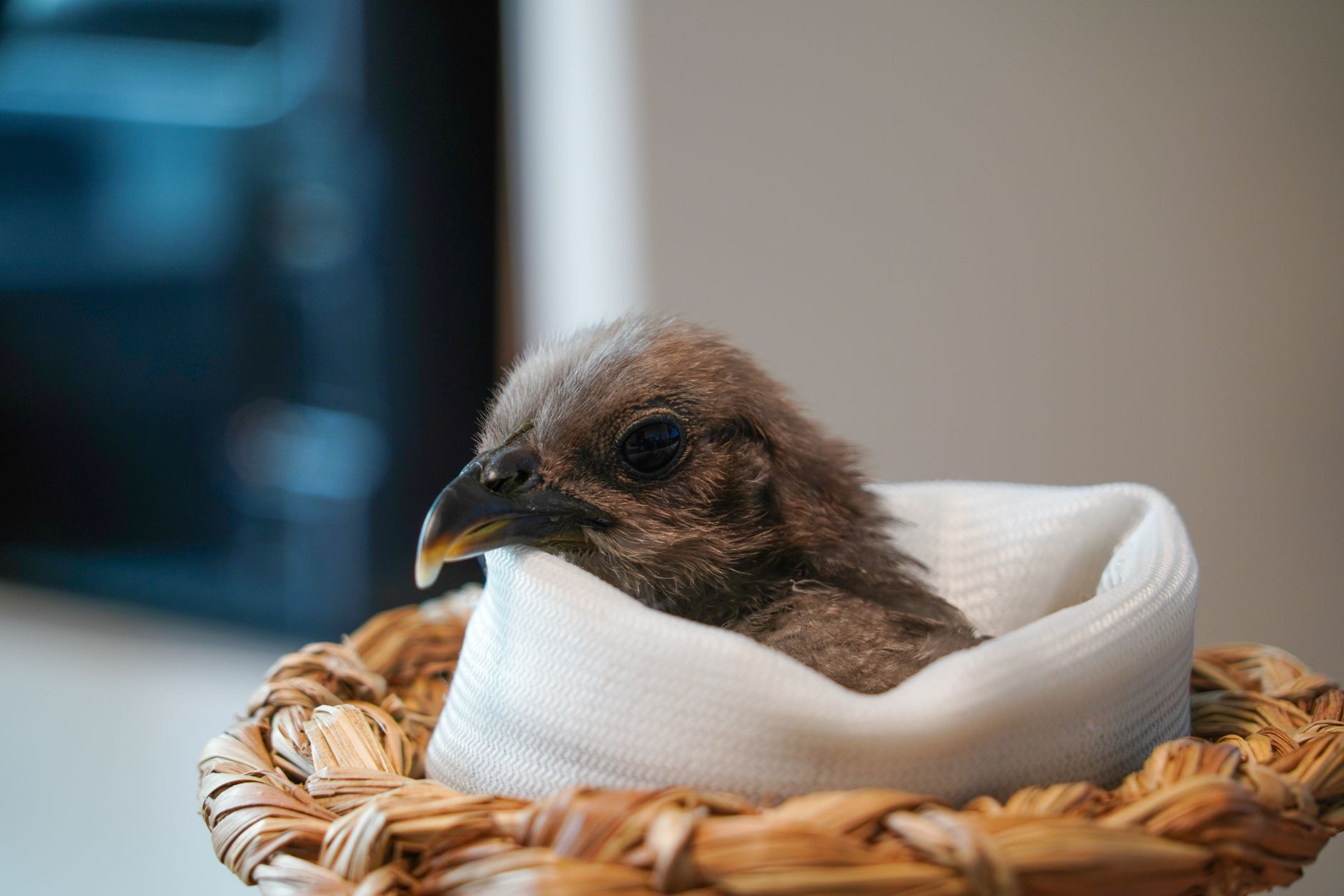
What is a Cuddly Bird?
A cuddly bird is essentially one that enjoys and actively seeks physical affection from humans, demonstrating behaviors like snuggling, preening, and tolerating handling; they possess a docile temperament and a strong bond with their caregivers.

Introduction: Beyond Feathers and Flight
The world of avian companions is vast and diverse, ranging from the aloof and independent to the charmingly affectionate. While all birds deserve respect and understanding of their specific needs, some species and individual birds within those species, exhibit behaviors that endear them to humans as “cuddly birds.” But what is a cuddly bird? It’s more than just a feathered pet; it’s a creature capable of forming deep bonds and expressing affection in ways that resonate with our human sensibilities. Understanding these behaviors and the factors that contribute to a bird’s cuddliness is key to responsible ownership and creating a mutually rewarding relationship.
Understanding Cuddly Behavior in Birds

Cuddly behavior in birds is complex, influenced by genetics, early socialization, and individual personality. It’s crucial to recognize that not all birds are naturally cuddly, and forcing affection can be detrimental to their well-being.
- Genetics: Certain species, like Cockatoos and Cockatiels, are known for their generally affectionate nature, which may be influenced by their genetic predispositions.
- Early Socialization: Hand-fed birds that have been frequently handled from a young age are more likely to be comfortable with human interaction.
- Individual Personality: Just like people, each bird has its own unique personality. Some may be naturally more outgoing and affectionate, while others are more reserved.
Key Characteristics of a Cuddly Bird
Identifying a potential cuddly bird involves observing their behavior and understanding their body language. Certain characteristics are more commonly associated with affectionate birds:
- Seeks Physical Contact: Actively approaches or climbs onto their human caregiver for petting or snuggling.
- Enjoys Preening: Allows their human to preen them gently, particularly on the head and neck.
- Relaxed Body Language: Exhibits relaxed body posture, such as fluffing feathers, closing eyes, and gentle chirping when being petted.
- Vocalizations: Uses soft vocalizations to communicate contentment and affection.
- Displays Trust: Remains calm and relaxed even when being handled or held close.
Choosing the Right Species
While individual personalities vary, some bird species are generally known for being more affectionate and cuddly than others. Consider the following popular choices:
| Species | Temperament | Size | Care Requirements |
|---|---|---|---|
| Cockatoos | Highly affectionate, intelligent, and demanding. | Large | Requires significant attention and enrichment. |
| Cockatiels | Gentle, affectionate, and relatively easy to care for. | Medium | Enjoys interaction and training. |
| Budgerigars | Social, playful, and can be hand-tamed with patience. | Small | Requires a spacious cage and mental stimulation. |
| Lovebirds | Active and playful, but can be nippy if not properly socialized. | Small | Best kept in pairs or groups. |
| Conures | Social and affectionate, but can be noisy. | Medium | Requires a balanced diet and regular vet checkups. |
Building a Bond: Nurturing Cuddly Behavior
Cuddly behavior isn’t automatic; it requires building trust and fostering a strong bond with your bird.
- Positive Reinforcement: Use treats, praise, and gentle petting to reward desired behaviors.
- Consistent Handling: Handle your bird regularly, starting with short sessions and gradually increasing the duration.
- Respect Boundaries: Pay attention to your bird’s body language and avoid forcing interaction if they seem uncomfortable.
- Create a Safe Environment: Provide a comfortable and enriching environment where your bird feels safe and secure.
- Communicate Effectively: Learn to understand your bird’s vocalizations and body language to better understand their needs and preferences.
Potential Problems: Avoiding Unhealthy Cuddliness
While a cuddly bird can be a wonderful companion, it’s essential to avoid fostering unhealthy levels of dependence.

- Separation Anxiety: Overly dependent birds may develop anxiety when left alone. Provide enrichment and training to help them cope with separation.
- Feather Plucking: Stress and anxiety can lead to feather plucking. Address the underlying cause and provide appropriate enrichment and veterinary care.
- Possessive Behavior: Some birds may become possessive of their human caregivers, leading to aggression towards others. Establish clear boundaries and provide consistent training.
Frequently Asked Questions (FAQs)
What makes one bird cuddly and another not?
A bird’s “cuddliness” is a complex combination of genetics, early experiences, and individual personality. Some species, like Cockatoos, are predisposed to affectionate behavior, but early handling and positive interactions with humans significantly influence whether an individual bird will become a cuddly companion.
Is it possible to make any bird cuddly?
While you can’t force a bird to be cuddly, you can create an environment and use techniques that encourage affectionate behavior. Consistent positive reinforcement, gentle handling, and respecting the bird’s boundaries can help build trust and foster a closer bond. However, some birds are simply more independent and may never become overtly cuddly.
Are certain species of birds naturally more cuddly than others?
Yes. Species such as Cockatoos, Cockatiels, Conures, and certain types of parrots are known for being more affectionate than others. This is partly due to their social nature and their tendency to form strong bonds. It’s still crucial to remember that individual birds vary within a species.
How do I know if my bird enjoys being cuddled?
Observe your bird’s body language. A relaxed posture, fluffed feathers, gentle chirping, and closing their eyes are all signs that they are enjoying the interaction. If your bird pulls away, bites, or displays other signs of discomfort, it’s important to respect their boundaries.
What is the best way to approach a bird that I want to cuddle?
Approach slowly and calmly. Offer your hand for the bird to step onto, and avoid sudden movements or loud noises. Once the bird is comfortable, gently stroke their head and neck, paying attention to their body language for signs of enjoyment.
What should I do if my bird bites when I try to cuddle them?
Biting is often a sign of fear or discomfort. Avoid forcing interaction and try to identify the trigger for the bite. Gradual desensitization and positive reinforcement can help the bird become more comfortable with handling. If biting persists, consult with an avian veterinarian or behaviorist.
Can a bird be too cuddly?
Yes, a bird can become overly dependent on their human caregiver, leading to issues like separation anxiety and feather plucking. It’s essential to provide enrichment and training to help your bird develop independence and cope with being alone.
How can I bond with my bird if they aren’t naturally cuddly?
Bonding doesn’t always involve physical affection. Spend time talking to your bird, playing games, and providing them with a stimulating environment. Even if they aren’t cuddly, they can still be a wonderful companion.
Is it safe to sleep with my bird?
No, it is generally not safe to sleep with your bird. You could accidentally roll over on them, causing serious injury or death. Additionally, your bed may contain potential toxins that could be harmful to your bird.
What are some signs that my bird is stressed or uncomfortable?
Signs of stress or discomfort include: feather plucking, aggression, excessive vocalization, changes in appetite, and hiding. If you notice any of these signs, consult with an avian veterinarian.
How important is hand-feeding for creating a cuddly bird?
Hand-feeding can increase the likelihood of a bird becoming cuddly, as it helps them associate humans with positive experiences like food and care. However, it’s not the only factor. Consistent positive interactions after weaning are also crucial.
What is a cuddly bird’s ideal environment?
A cuddly bird thrives in an environment that is safe, stimulating, and enriched. This includes a spacious cage, plenty of toys, opportunities for interaction, and a consistent routine. They also need regular access to natural light and fresh air.