

What If My Cat Hasn’t Pooped for 1 Day? Understanding Feline Constipation
A day without a bowel movement for your cat might be concerning, but is often not a cause for immediate panic. It’s crucial to understand normal feline bowel habits to assess whether what if my cat hasn’t pooped for 1 day is a sign of something serious.

Understanding Normal Feline Bowel Habits
Cats, like humans, have individual bowel movement patterns. A healthy cat generally poops once every 24 to 36 hours. Factors influencing this frequency include diet, activity level, and underlying health conditions. Observing your cat’s regular habits is key to identifying potential problems early. Inconsistent bowel movements over several days warrant closer attention.
Common Causes of Occasional Constipation
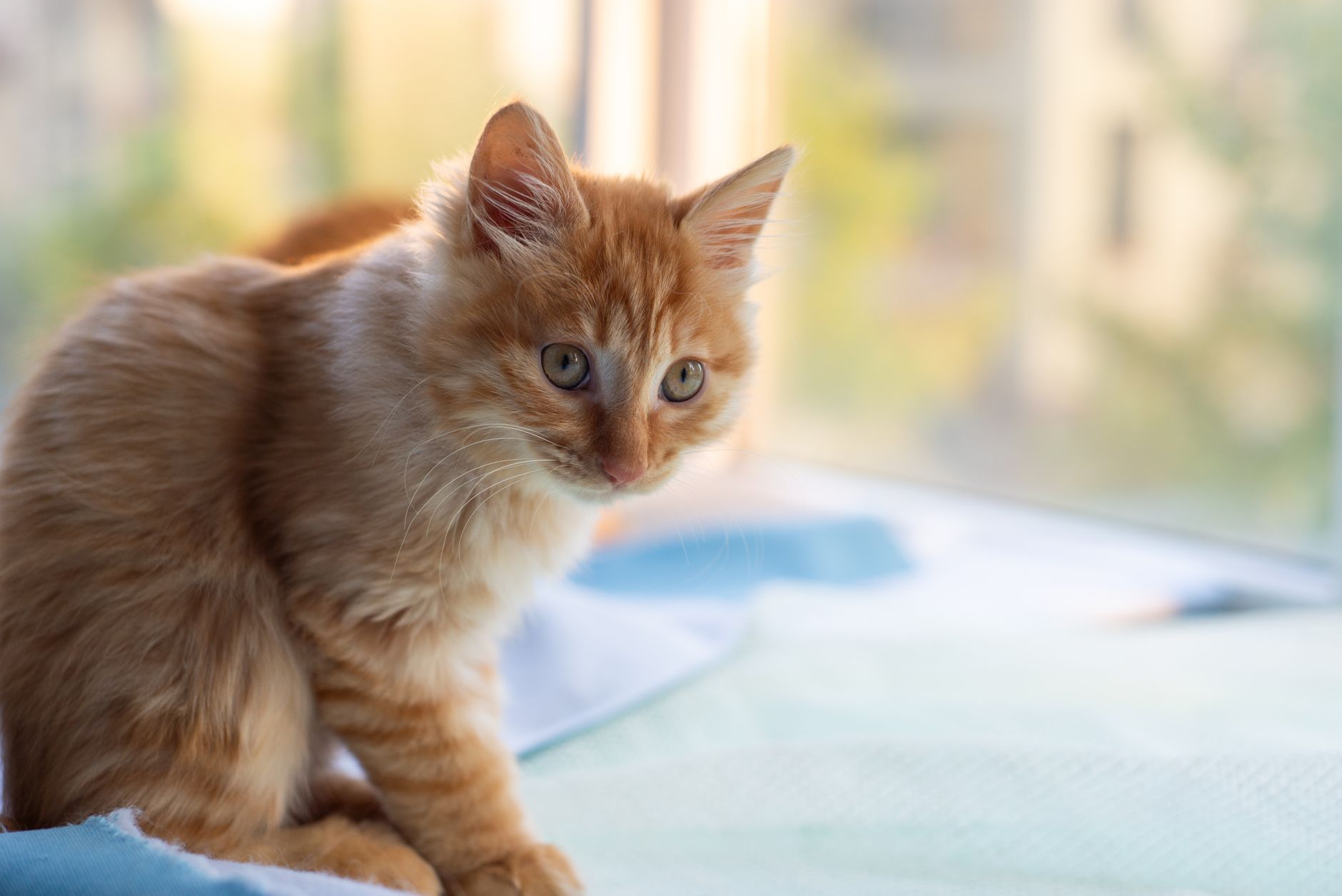
Occasional constipation is not uncommon in cats. Several factors can contribute:
- Diet: A diet low in fiber or excessive dry food can lead to harder stools and constipation.
- Dehydration: Insufficient water intake results in drier stools, making them difficult to pass.
- Hairballs: Excessive grooming can cause hairballs to accumulate in the digestive tract, leading to blockages and constipation.
- Lack of Exercise: Reduced physical activity slows down bowel movements.
- Stress: Changes in environment or routine can trigger stress-related constipation.
- Ingestion of Foreign Objects: Cats may swallow small objects, leading to intestinal blockages.
When to Worry: Recognizing the Signs of Severe Constipation
While a single day of missed poop may be okay, it’s essential to know when to seek veterinary attention. The following signs indicate a potentially serious problem:
- Straining to Defecate: If your cat is visibly struggling and producing little to no stool.
- Vomiting: Vomiting can indicate a complete bowel obstruction.
- Lethargy: A sudden decrease in energy and activity.
- Loss of Appetite: A refusal to eat.
- Pain: Signs of pain, such as hissing or growling when touched near the abdomen.
- Bloated Abdomen: A noticeably distended abdomen.
- Small, Hard Stools: If any stool is passed, it’s excessively hard and dry.
- Blood in Stool: Presence of blood when the cat tries to defecate.
Home Remedies and Preventative Measures
If your cat is otherwise acting normally and has only missed one bowel movement, you can try these home remedies:
- Increase Water Intake: Ensure your cat has access to fresh water at all times. Consider adding wet food to their diet.
- Add Fiber to Diet: Small amounts of plain canned pumpkin (not pumpkin pie filling) can add fiber.
- Encourage Exercise: Engage your cat in play to stimulate bowel movements.
- Lubricate with Mineral Oil (Use with Caution): A small amount of mineral oil (only if veterinarian approves and if you know how to administer correctly) can lubricate the intestines. Consult with your veterinarian before administering anything.
- Monitor Closely: Observe your cat for any worsening symptoms.
Long-Term Strategies for Preventing Constipation
Preventing constipation in cats involves addressing the underlying causes and implementing long-term strategies:
- High-Quality Diet: Feed your cat a balanced diet that includes both wet and dry food to ensure adequate fiber and moisture.
- Regular Grooming: Brush your cat regularly to minimize hairball formation.
- Provide Plenty of Water: Offer multiple water sources, including fountains, to encourage drinking.
- Encourage Exercise: Provide toys and opportunities for physical activity.
- Manage Stress: Create a stable and enriching environment to minimize stress.
Diagnosing Constipation in Cats: What to Expect at the Vet
If home remedies are ineffective or your cat shows signs of severe constipation, a veterinary examination is necessary. The veterinarian may perform the following:

- Physical Examination: Assessing the cat’s overall health and palpating the abdomen.
- Radiographs (X-rays): To visualize the intestines and identify any obstructions or abnormalities.
- Blood Tests: To evaluate organ function and detect underlying health conditions.
- Fecal Examination: To rule out parasites or infections.
- Ultrasound: In some cases, an ultrasound may be used to further evaluate the abdominal organs.
Treatment Options for Feline Constipation
Treatment for constipation depends on the severity and underlying cause. Common treatments include:
- Enemas: To soften and evacuate impacted stool. This should only be performed by a veterinarian.
- Manual Extraction: In severe cases, the veterinarian may need to manually remove hardened stool.
- Laxatives: Medications to soften stool and stimulate bowel movements. Only use medications prescribed by your veterinarian.
- Fluid Therapy: To rehydrate the cat and soften stool.
- Surgery: In rare cases, surgery may be necessary to remove obstructions or repair damaged intestines.
The Link Between Diet and Bowel Regularity
Diet plays a crucial role in maintaining bowel regularity in cats. High-quality cat food should contain an adequate amount of fiber to promote healthy digestion.
| Food Type | Fiber Content | Moisture Content | Benefits | Considerations |
|---|---|---|---|---|
| Dry Food | Varies | Low | Convenient, helps with dental health. | Can be dehydrating, may require supplemental fiber. |
| Wet Food | Varies | High | Hydrating, easier to digest. | Can be more expensive, may contribute to dental issues. |
| Prescription Diet | Controlled | Varies | Formulated to address specific health conditions, including constipation and IBD. Can be expensive. | Requires veterinary approval. |
The Role of Hydration
Proper hydration is essential for preventing constipation. Cats often have a low thirst drive, making it crucial to encourage water intake. Providing fresh water, wet food, and water fountains can all help. Dehydration will lead to constipation.
Hairballs: A Common Culprit
Hairballs are a frequent cause of constipation in cats. Regular grooming helps minimize hair ingestion. Hairball remedies, such as laxatives or hairball-specific food, can also be beneficial. Prevention is key.
What if my cat hasn’t pooped for 1 day? – The Summary
Don’t panic, but pay attention! A single day of constipation is generally not an emergency, but observe your cat for other symptoms and consider dietary adjustments. If what if my cat hasn’t pooped for 1 day turns into two or more, immediately consult your veterinarian for possible underlying issues.
Frequently Asked Questions (FAQs)
What is considered a normal bowel movement schedule for a cat?
A normal bowel movement schedule for a cat is generally once every 24 to 36 hours. However, this can vary depending on the cat’s diet, activity level, and individual metabolism.
What are the most common causes of constipation in cats?
The most common causes of constipation in cats include dietary issues (low fiber, excessive dry food), dehydration, hairballs, lack of exercise, stress, and ingestion of foreign objects.
How can I tell if my cat is straining to defecate?
Signs of straining to defecate include visible effort with little or no stool production, prolonged squatting, vocalization (crying or meowing), and restlessness.
Is it safe to give my cat a human laxative for constipation?
No, it is not safe to give your cat a human laxative. Many human laxatives are toxic to cats and can cause serious health problems. Always consult with a veterinarian before giving your cat any medication.
How much canned pumpkin should I give my cat for constipation?
A safe starting dose of plain canned pumpkin (not pumpkin pie filling) for constipation is 1-4 teaspoons mixed with their food, once or twice a day. Observe your cat for any adverse reactions. Consult with your veterinarian first before giving any supplements to your cat.
Can stress cause constipation in cats?
Yes, stress can definitely cause constipation in cats. Changes in environment, routine, or the presence of new pets or people can trigger stress-related constipation.
What is megacolon, and how does it relate to constipation in cats?
Megacolon is a condition characterized by an enlarged and dilated colon, often resulting from chronic constipation. It can lead to irreversible damage and require surgery.
What are some signs that my cat’s constipation is an emergency?
Signs that your cat’s constipation is an emergency include straining to defecate without producing stool, vomiting, lethargy, loss of appetite, abdominal pain, and a bloated abdomen.
What is the role of fiber in my cat’s diet, and how can it prevent constipation?
Fiber adds bulk to the stool, which stimulates bowel movements and helps prevent constipation. You can increase fiber by adding wet food, pumpkin (plain only), or a fiber supplement if recommended by a veterinarian.
What are some tips for encouraging my cat to drink more water?
To encourage your cat to drink more water, provide multiple water sources (bowls and fountains), offer fresh water daily, and consider feeding wet food. Cats are often attracted to moving water, so a fountain may be particularly effective.
How often should I groom my cat to prevent hairballs and constipation?
Daily grooming is ideal for preventing hairballs and constipation, especially for long-haired cats. Regular grooming removes loose hair before your cat can ingest it.
What tests might a vet perform to diagnose the cause of my cat’s constipation?
A veterinarian might perform a physical examination, radiographs (X-rays), blood tests, and a fecal examination to diagnose the cause of your cat’s constipation. In some cases, an ultrasound may also be necessary.