
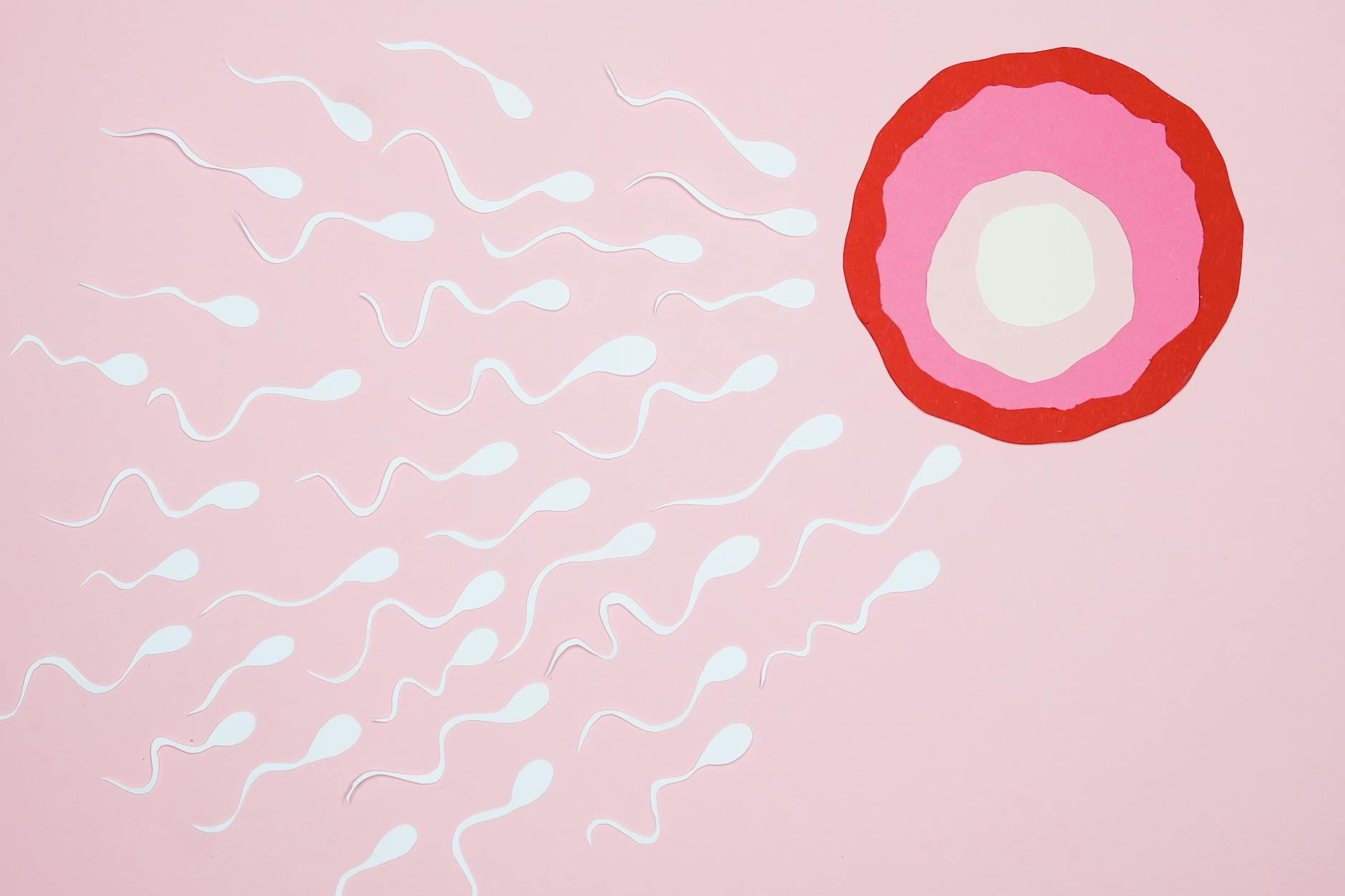
What If Monkey Sperm Meets A Human Egg?: Exploring the Possibilities and Ethical Implications
The question “What if monkey sperm meets a human egg?” sounds like science fiction, but understanding the science clarifies the reality: Under current circumstances, fertilization is highly improbable, but the possibility and potential ramifications deserve consideration.
Background: The Species Barrier
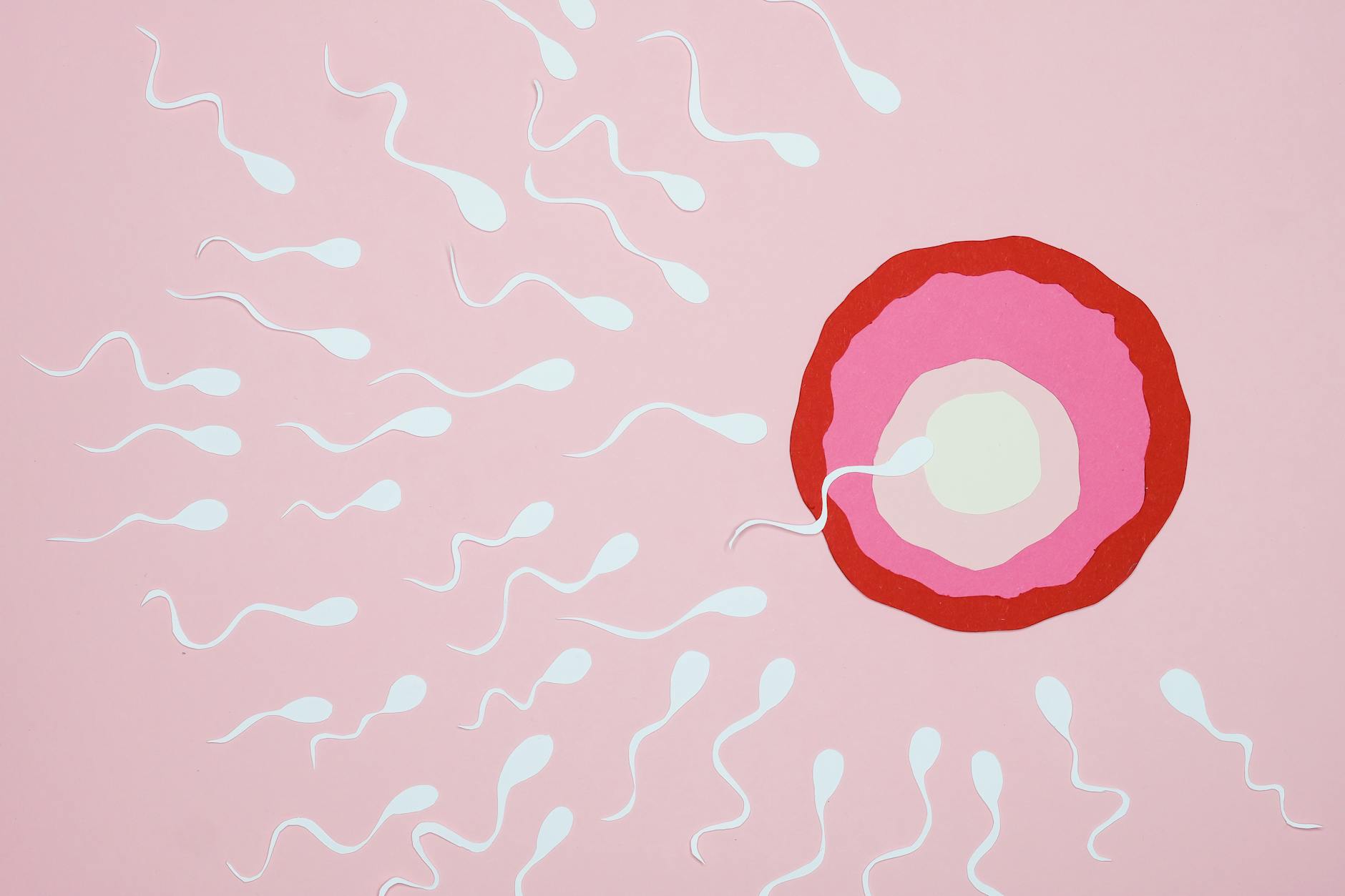
The notion of combining human and animal genetic material has fascinated and horrified people for centuries. From mythological creatures to modern science fiction, the idea of chimeras – organisms composed of cells from different species – has consistently captured the imagination. However, the biological reality is far more complex than these fictional portrayals. The key obstacle is the species barrier, a complex interplay of genetic and reproductive incompatibilities that prevents successful fertilization and development.
Why It’s Unlikely: Genetic and Reproductive Incompatibilities
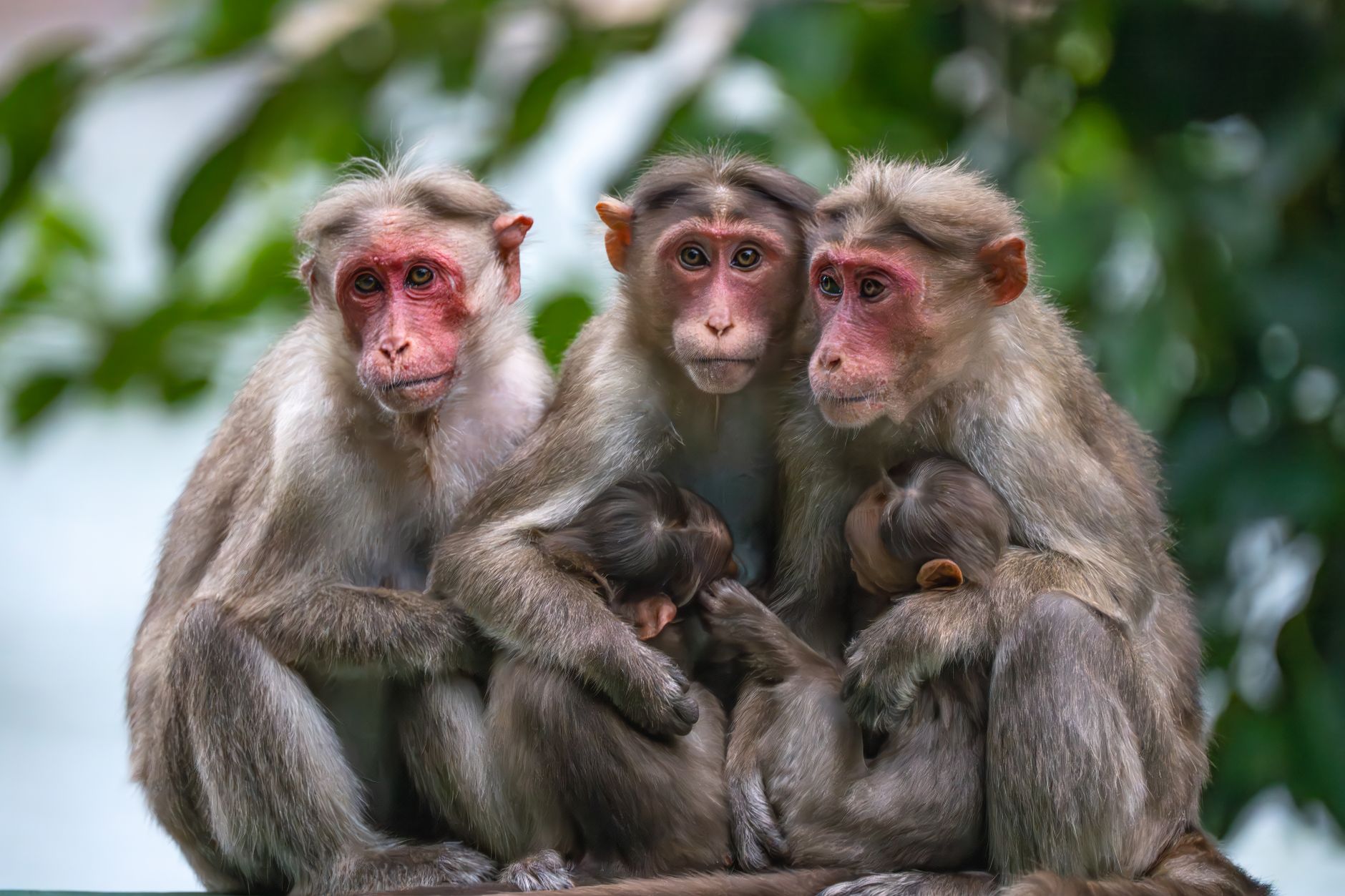
Several factors contribute to the species barrier between humans and monkeys, making fertilization extremely difficult under normal conditions. These include:
- Genetic Differences: Humans and monkeys, while sharing a common ancestor, have accumulated significant genetic differences over millions of years of evolution. These differences affect everything from chromosome structure to protein compatibility.
- Sperm-Egg Recognition: Successful fertilization requires a precise recognition and binding between sperm and egg. Molecules on the surface of sperm and eggs must interact correctly to initiate the fertilization process. The differences in these molecules between humans and monkeys make this recognition unlikely.
- Chromosomal Incompatibility: Even if fertilization were to occur, the resulting embryo would likely face significant challenges. Human cells contain 46 chromosomes, while monkeys have varying numbers depending on the species. The resulting aneuploidy (an abnormal number of chromosomes) is almost invariably fatal in early development.
- Early Development Failure: Even with compatible chromosomes, the resulting hybrid cell would likely face challenges during cell division and early embryonic development. The complex interplay of genes required for successful development often relies on the correct parental source of particular genes. Different patterns of imprinting between human and monkey genes could disrupt these processes.
Potential Scenarios (Hypothetical)
While natural fertilization is highly improbable, advancements in assisted reproductive technologies (ART) raise the theoretical possibility, albeit remote, of achieving fertilization in vitro. These scenarios remain highly speculative and face significant ethical and technical hurdles.
- Direct Injection: Intracytoplasmic sperm injection (ICSI), a technique where a single sperm is injected directly into an egg, could theoretically overcome some of the initial barriers to fertilization. However, the subsequent developmental challenges related to chromosomal incompatibility and early development would still remain.
- Genetic Modification: Hypothetically, genetic engineering techniques could be used to modify either sperm or egg cells to improve compatibility. This is highly speculative and ethically problematic, as it raises concerns about the potential for creating non-viable or severely impaired organisms.
- Chimeras: In certain research settings, scientists create chimeras, where cells from one species are introduced into the developing embryo of another. However, the creation of a human-animal chimera with significant contributions from both species remains a major scientific and ethical challenge.
Ethical Considerations
The question “What if monkey sperm meets a human egg?” immediately raises a host of ethical considerations. Creating hybrid organisms challenges our understanding of species boundaries, moral status, and potential risks.
- Animal Welfare: Concerns arise about the potential suffering of hybrid organisms that may be created with compromised health or cognitive abilities.
- Human Dignity: Creating human-animal hybrids may be perceived as devaluing human life or blurring the lines between humans and animals in a way that is ethically unacceptable.
- Playing God: Concerns arise that attempting to manipulate the genetic boundaries between species constitutes an overreach of scientific power.
- Potential Misuse: The technology could be misused to create creatures for exploitation or other unethical purposes.
Conclusion: The Unlikely and the Ethical
The question “What if monkey sperm meets a human egg?” highlights the complex interplay of science and ethics. While natural fertilization is highly improbable due to significant biological barriers, advancements in assisted reproductive technologies raise theoretical possibilities. The ethical implications of creating human-animal hybrids are profound and require careful consideration. It is crucial to proceed with caution and engage in open dialogue to ensure that any scientific advancements in this area are guided by ethical principles and respect for all life.

Frequently Asked Questions
What are the ethical implications of creating human-animal hybrids?
The creation of human-animal hybrids raises significant ethical concerns, including animal welfare, human dignity, and the potential for misuse of technology. Many view it as morally problematic to deliberately blur the lines between species, especially if it results in organisms with compromised health or cognitive abilities.
Is it even possible for monkey sperm to fertilize a human egg?
While theoretically possible under certain artificial conditions like in vitro fertilization (IVF) and assisted reproductive technologies, natural fertilization is highly improbable due to genetic and reproductive incompatibilities between humans and monkeys.
What kind of animal-human hybrid could result from this type of fertilization?
The resulting organism, if viable, would be a chimera, containing cells from both human and monkey. The characteristics of the organism would depend on the extent of contribution from each species. However, early development failure due to chromosomal and genetic mismatches would be highly likely.
What research is being done in the area of human-animal hybrids?
Research focuses primarily on creating chimeras for medical purposes, such as growing human organs in animals for transplantation. However, strict ethical guidelines regulate the creation of chimeras that are too closely related to humans, especially regarding brain development.
Could human-animal hybrids ever be used for medical research?
Yes, creating human-animal chimeras for research purposes is a potential application, particularly in developing models for studying human diseases and testing new therapies. However, strict ethical oversight is necessary to ensure animal welfare and prevent the creation of creatures with human-like consciousness.
What are the potential benefits of creating human-animal hybrids?
Potential benefits include generating human organs for transplantation, studying human disease mechanisms, and testing new therapies. However, these potential benefits must be weighed against the ethical concerns associated with this technology.
What are the risks of creating human-animal hybrids?
Risks include the potential for animal suffering, the creation of organisms with unpredictable characteristics, the spread of animal diseases to humans, and ethical concerns about blurring the lines between species and devaluing human life.
Are there any laws regulating the creation of human-animal hybrids?
Regulations vary widely depending on the country. Some countries prohibit or severely restrict the creation of certain types of human-animal hybrids, while others have less stringent regulations. There is an ongoing debate about the need for international standards in this area.
Could a human-animal hybrid reproduce?
The likelihood of a human-animal hybrid being able to reproduce is extremely low. Even if the hybrid were viable and fertile, the offspring would likely inherit a complex and unpredictable mix of genes, leading to further developmental abnormalities.
What is the difference between a hybrid and a chimera?
A hybrid is the offspring of two different species, resulting from the fusion of sperm and egg. A chimera is an organism that contains cells from two or more different individuals (which may or may not be different species), often created by mixing cells during early development.
Could a human-animal hybrid have human-like intelligence?
The possibility of creating a hybrid with human-like intelligence raises profound ethical concerns. Most current research focuses on creating chimeras for medical purposes, with restrictions on creating organisms with human-like cognitive abilities.
How does this kind of research impact our understanding of evolution?
Research on human-animal hybrids can provide insights into the genetic and developmental differences between species, helping us understand the evolutionary processes that have led to the diversity of life on Earth. Furthermore, the barriers to hybridization, even in the artificial environment of the lab, emphasize the importance of reproductive isolation in speciation.