

What Happens When You Ignore a Cat? Unveiling the Consequences
Ignoring a cat can trigger a range of behaviors, from persistent attention-seeking to increased anxiety and potential health issues. What happens when you ignore a cat? Their responses vary based on personality and environment, but the consequences are usually more complex than mere indifference.

The Psychology of Feline Ignorance
Cats are often perceived as independent creatures, but they still crave interaction and attention from their human companions. The extent to which they need this attention varies greatly among individuals. Understanding the psychology behind their reactions to being ignored is crucial for responsible pet ownership. A cat’s previous experiences, early socialization, and inherent temperament all play a role.
The Range of Feline Reactions
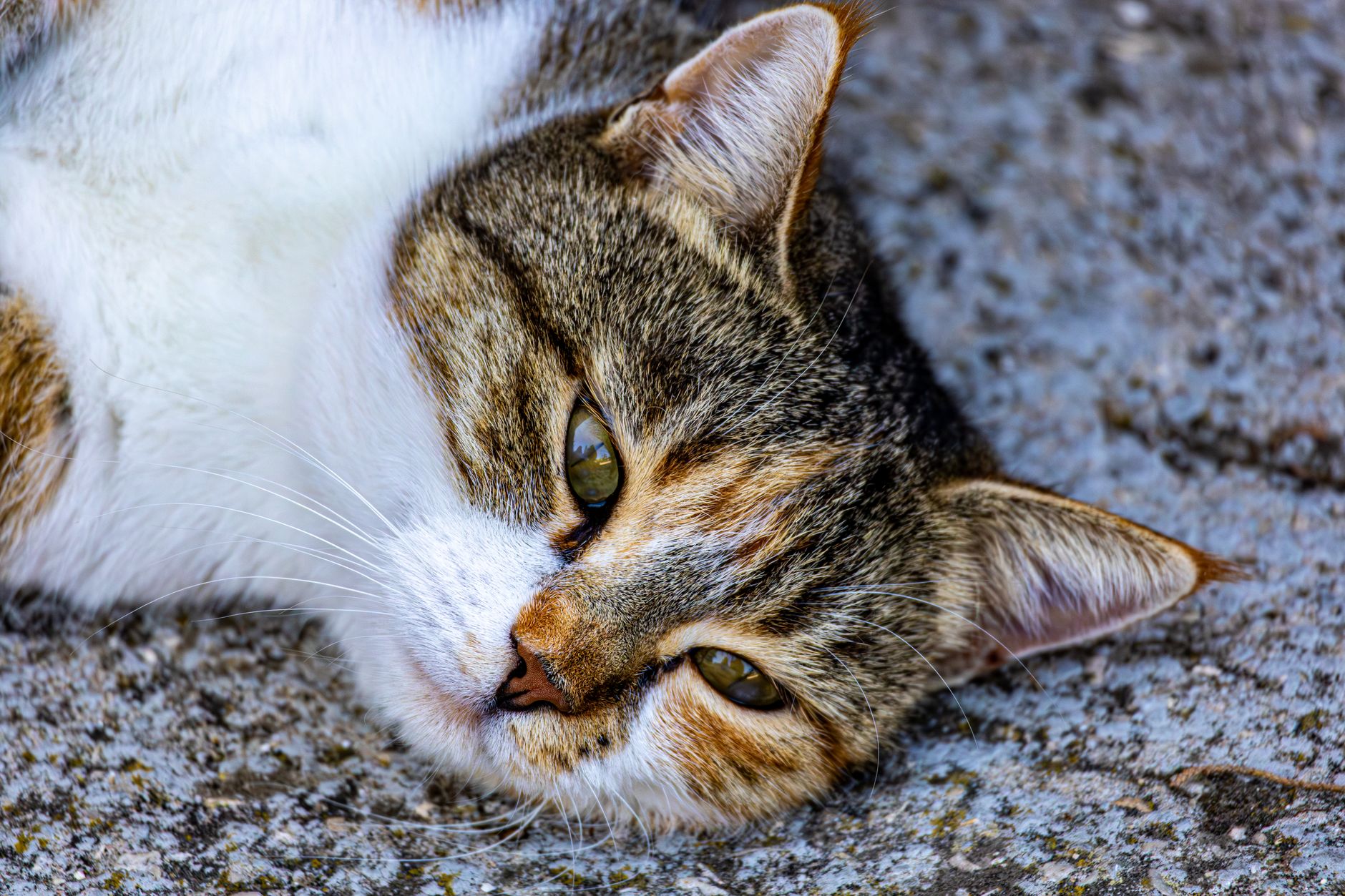
What happens when you ignore a cat? The answer is multi-faceted. Some cats may initially become more persistent in their attempts to gain your attention, while others may withdraw and become less interactive. Here’s a breakdown of common reactions:
-
Increased attention-seeking behavior: This might involve meowing incessantly, rubbing against your legs, or even engaging in destructive behaviors like scratching furniture or knocking objects off shelves. They are essentially saying, “Notice me!”
-
Withdrawal and depression: Some cats become withdrawn and lethargic when consistently ignored. They might spend more time sleeping, lose interest in playing, and exhibit signs of depression. This is a serious concern that requires attention.
-
Anxiety and stress: Being ignored can trigger anxiety and stress in cats, leading to changes in appetite, excessive grooming, and even aggression. Chronic stress can have negative impacts on their health.
-
Redirected aggression: Frustration from being ignored can sometimes manifest as redirected aggression, where the cat lashes out at other pets or even people. This can be dangerous and requires professional intervention.
Factors Influencing a Cat’s Response
Several factors determine how a cat will react when ignored:
-
Personality: Some cats are naturally more independent and less demanding of attention than others.
-
Age: Kittens and younger cats typically require more attention and playtime than older cats.
-
Environment: Cats living in stimulating environments with plenty of enrichment are less likely to suffer from boredom and frustration when ignored.
-
Previous Experiences: Cats who have experienced neglect or abandonment in the past may be more sensitive to being ignored.
Practical Strategies for Balanced Interaction
It’s crucial to balance providing affection and engagement with allowing your cat to enjoy periods of solitude and independent play. Here are some tips:
-
Scheduled Playtime: Dedicate specific times each day for interactive play sessions.
-
Enrichment: Provide puzzle toys, scratching posts, and climbing structures to keep your cat entertained.
-
Positive Reinforcement: Reward your cat with treats and praise when they engage in positive behaviors.
-
Respect Boundaries: Learn to recognize your cat’s cues that they need space. Don’t force interaction if they are not receptive.
Potential Health Consequences
Chronic stress from being ignored can lead to various health problems in cats, including:
| Health Issue | Description |
|---|---|
| Feline Idiopathic Cystitis (FIC) | A painful bladder condition often triggered by stress. |
| Gastrointestinal Issues | Stress can disrupt digestion, leading to vomiting, diarrhea, or loss of appetite. |
| Weakened Immune System | Chronic stress can suppress the immune system, making the cat more susceptible to illness. |
| Excessive Grooming | This can lead to skin irritation, hair loss, and the formation of bald spots. |
Recognizing Signs of Distress
Learning to recognize signs of distress in your cat is crucial for addressing the problem before it escalates.
- Changes in appetite or litter box habits
- Excessive grooming or vocalization
- Hiding or withdrawing from social interaction
- Aggression or irritability
- Changes in sleep patterns
If you notice any of these signs, it is important to consult with a veterinarian to rule out any underlying medical conditions and to discuss strategies for improving your cat’s emotional well-being.
Comparing Attention Levels and Cat Breeds
Different cat breeds might show variations in their need for human interaction. While individual personalities are the major factor, some breeds are generally known for their sociability:
| Breed | Sociability Level | Likely Reaction to Being Ignored |
|---|---|---|
| Siamese | High | More likely to vocalize and actively seek attention. |
| Ragdoll | High | May become depressed or withdrawn if ignored for extended periods. |
| Persian | Moderate | Might retreat to a quiet place but will still seek occasional affection. |
| Abyssinian | High | Very playful and active, will seek stimulation even if human attention is absent |
| Domestic Shorthair | Variable | Varies greatly depending on individual cat and upbringing. |

Frequently Asked Questions (FAQs)
Why does my cat ignore me even when I’m trying to give them attention?
This could be due to a variety of factors, including overstimulation, a perceived lack of respect for their personal space, or a previous negative experience associated with physical interaction. It’s important to observe your cat’s body language and approach them gently and respectfully.
What is the best way to get my cat’s attention without being overbearing?
Offer them gentle invitations to play with toys or engage in activities they enjoy. Use a soft, calming voice and avoid forcing interaction. Providing treats can be a positive motivator, but don’t overdo it.
How much attention does a cat really need per day?
There’s no one-size-fits-all answer, but aim for at least 15-30 minutes of interactive playtime each day, spread out into shorter sessions. Observing your cat’s behavior will tell you more about their individual needs. Also consider their age, kittens and younger cats need more interaction than older ones.
Is it cruel to leave my cat alone for long periods during the day?
While cats are more independent than dogs, leaving them alone for extended periods (8-10 hours) can lead to boredom and stress. Ensure they have access to food, water, a clean litter box, and plenty of enrichment activities like toys and scratching posts.
Can ignoring a cat lead to behavioral problems?
Yes, as discussed earlier, consistently ignoring a cat can trigger behavioral problems such as excessive meowing, destructive scratching, and even aggression. It can also increase anxiety and depression.
What are some signs that my cat is feeling neglected?
Common signs of neglect include changes in appetite, excessive grooming, withdrawal from social interaction, and increased vocalization. Watch for these cues and adjust your behavior accordingly.
Does my cat understand that I am ignoring them intentionally?
Cats are intelligent and perceptive animals. While they may not fully grasp the concept of intentionality, they can certainly sense a lack of attention and adjust their behavior accordingly.
What can I do to improve my bond with my cat if I’ve accidentally been neglecting them?
Start by dedicating specific times each day for interactive playtime and affection. Offer treats and praise, and be patient. Rebuilding trust takes time, but it is possible with consistent effort.
Are some cats naturally more independent and require less attention?
Yes, some cats are inherently more independent and less demanding of attention than others. However, all cats still require some level of interaction and enrichment to thrive.
How do I know if my cat’s behavior change is due to being ignored, or an underlying health issue?
It’s always best to consult with a veterinarian to rule out any underlying medical conditions. A vet can also provide advice on addressing any behavioral issues that may be present.
What happens when you ignore a cat for too long?
Prolonged neglect can have serious consequences for a cat’s physical and mental health. It can lead to chronic stress, behavioral problems, and even a shortened lifespan.
Does providing food and water count as enough attention for my cat?
While providing basic necessities is essential, it is not enough. Cats also need social interaction, mental stimulation, and affection to thrive. Neglecting these needs can have negative consequences.