
What Happens When a Blue Whale Dies?
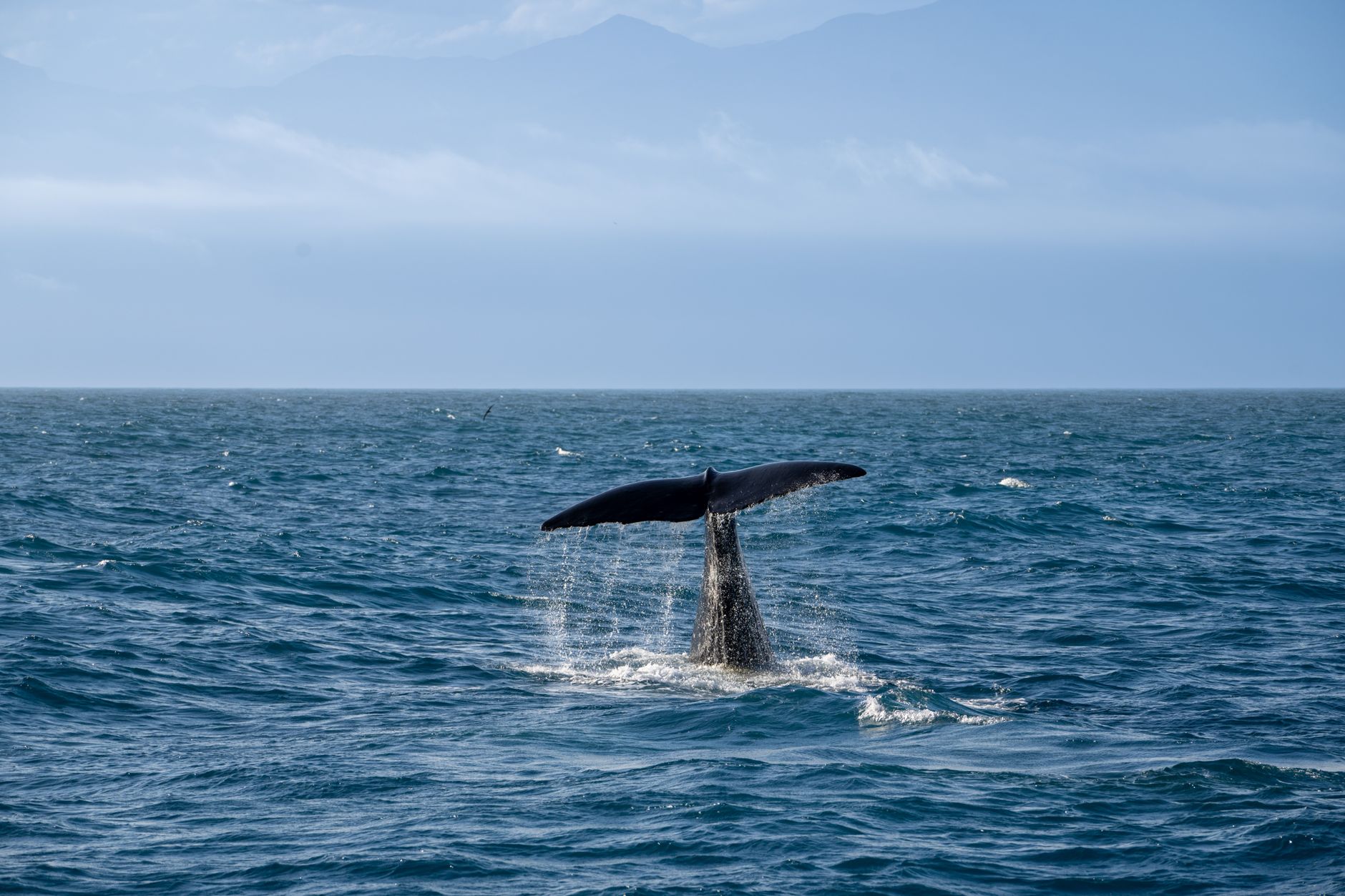
When a blue whale dies, its massive body sinks to the ocean floor, creating a unique deep-sea habitat known as a ‘whale fall’, which supports a diverse community of scavengers and decomposers for decades, even centuries. This process, a crucial part of the marine ecosystem, provides essential nutrients and energy to the otherwise nutrient-poor deep ocean.

The Majestic Giant’s Demise: Setting the Stage
The blue whale (Balaenoptera musculus), the largest animal on Earth, faces a constant battle against the odds. Natural causes, such as old age, disease, or injury, are common culprits in their demise. Human activities, however, also play a significant role, including ship strikes, entanglement in fishing gear, and ocean pollution. Understanding what happens when a blue whale dies is crucial for appreciating their ecological importance and implementing effective conservation strategies. When one of these giants succumbs, the consequences are profound and far-reaching.
The Whale Fall: A Deep-Sea Feast
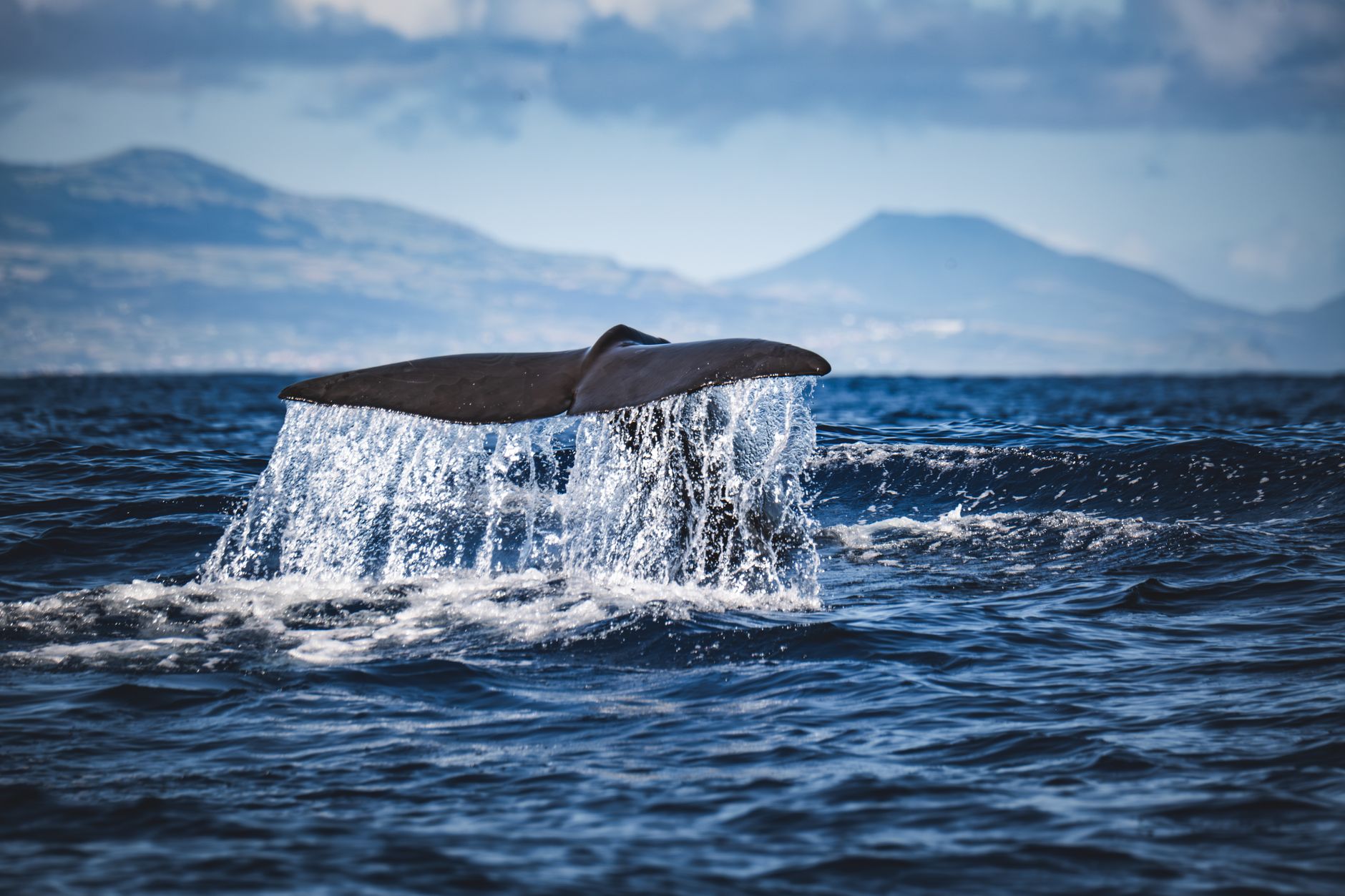
The most significant event following a blue whale’s death is the creation of a whale fall. This is the process by which the carcass sinks to the ocean floor, providing a massive influx of organic matter to an ecosystem typically starved for nutrients. The whale fall goes through several distinct stages:
- Scavenger Stage: This initial phase involves large scavengers like sharks, hagfish, and crabs consuming the soft tissues of the whale. This can last for months to years, depending on the size of the whale and the local scavenger population.
- Enrichment Opportunist Stage: Once the easily accessible tissues are gone, smaller organisms like polychaete worms and crustaceans colonize the bones and surrounding sediment, feeding on the remaining organic material.
- Sulphophilic Stage: As the organic matter decomposes, anaerobic bacteria break down the lipids within the bones, producing hydrogen sulfide. This creates a chemosynthetic environment, attracting specialized bacteria that use the sulfide as an energy source. These bacteria, in turn, support a diverse community of organisms, including tube worms and clams, that are specially adapted to this unique environment.
- Reef Stage: Finally, after decades or even centuries, the bones become mineralized and serve as a substrate for corals and other sessile organisms, creating a mini-reef ecosystem.
The Ecological Significance of Whale Falls
Whale falls are not just a morbid spectacle; they are vital components of the deep-sea ecosystem. They provide:
- Nutrient Input: A massive influx of nutrients to a nutrient-poor environment.
- Habitat Creation: A hard substrate in an otherwise soft-sediment environment.
- Biodiversity Hotspot: Supporting a unique and diverse community of organisms.
- Stepping Stones: Potentially facilitating the dispersal of deep-sea species across vast distances. The whale fall essentially acts as a “stepping stone” across the otherwise barren ocean floor, aiding the movement of species and the maintenance of genetic diversity in isolated populations.
Factors Affecting the Decomposition Process
The specific process of what happens when a blue whale dies and the subsequent whale fall decomposition can be influenced by several factors:
| Factor | Influence |
|---|---|
| Whale Size | Larger whales provide more organic matter, sustaining the ecosystem for longer. |
| Depth | Deeper environments tend to have slower decomposition rates due to lower temperatures and oxygen levels. |
| Scavenger Abundance | Higher scavenger populations lead to faster consumption of soft tissues. |
| Water Temperature | Warmer waters accelerate decomposition rates. |
| Ocean Currents | Strong currents can disperse organic matter and affect the distribution of colonizing organisms. |
Frequently Asked Questions (FAQs)
What is a whale fall ecosystem?
A whale fall ecosystem is a unique and temporary deep-sea habitat that develops after a whale carcass sinks to the ocean floor. It supports a diverse community of organisms that thrive on the nutrients and energy provided by the decomposing whale. These ecosystems are crucial for deep-sea biodiversity.
How long does a whale fall ecosystem last?
The duration of a whale fall ecosystem can vary greatly, depending on the size of the whale and the environmental conditions. Some stages, like the scavenger stage, might last for months, while the entire ecosystem can persist for decades, even centuries. Eventually, the bones will become mineralized and the ecosystem will transition into a more typical deep-sea environment.
What types of organisms are found at whale falls?
A wide variety of organisms are found at whale falls, including large scavengers like sharks, hagfish, and crabs, as well as smaller invertebrates like polychaete worms, crustaceans, and specialized bacteria. Tube worms, clams, and bone-eating worms (Osedax) are also common inhabitants.
Are whale falls common in the deep sea?
While whale falls are crucial, they are relatively rare and patchy resources in the vast expanse of the deep sea. Their distribution depends on the abundance and mortality rates of whales, as well as the availability of suitable seafloor habitats. Understanding what happens when a blue whale dies helps us appreciate the significance of these infrequent events.
Do whale falls occur in all oceans?
Yes, whale falls can occur in any ocean where whales are found. The specific species of whales and scavengers may vary depending on the geographic location, but the fundamental process of the whale fall ecosystem remains the same.
What role do bacteria play in whale fall ecosystems?
Bacteria play a critical role in whale fall ecosystems, particularly during the sulphophilic stage. Anaerobic bacteria break down the lipids within the whale bones, producing hydrogen sulfide. Chemosynthetic bacteria then utilize this sulfide as an energy source, supporting a diverse community of organisms that depend on them.
How does a whale fall differ from a regular deep-sea environment?
A whale fall provides a concentrated source of organic matter and a hard substrate, which are rare in the typical deep-sea environment. This attracts a unique assemblage of organisms that are specifically adapted to these conditions, resulting in a much higher biodiversity than the surrounding seabed.
Are whale falls important for deep-sea biodiversity?
Yes, whale falls are considered important hotspots of biodiversity in the deep sea. They provide essential resources and habitat for a variety of organisms, contributing to the overall health and resilience of the deep-sea ecosystem.
Can human activities impact whale fall ecosystems?
Yes, human activities such as deep-sea trawling and pollution can negatively impact whale fall ecosystems. Trawling can disrupt the seabed and damage the delicate communities that thrive at whale falls, while pollution can contaminate the environment and harm the organisms that depend on them.
How do bone-eating worms (Osedax) contribute to the whale fall ecosystem?
Osedax worms, also known as bone-eating worms, are specialized organisms that bore into the bones of whale carcasses and extract nutrients. They play a crucial role in breaking down the bone structure and making the nutrients available to other organisms in the ecosystem.
Are whale falls used by scientists to study deep-sea life?
Yes, whale falls provide valuable opportunities for scientists to study deep-sea life and the complex interactions within these ecosystems. Researchers can deploy remotely operated vehicles (ROVs) and other technologies to observe and sample the organisms that colonize whale falls, gaining insights into deep-sea ecology and evolution. Understanding what happens when a blue whale dies provides important insights into these remote ecosystems.
What is the long-term fate of a whale fall?
Eventually, after decades or centuries, the organic matter in the whale carcass is completely consumed, and the bones become mineralized. At this point, the whale fall ecosystem transitions into a more typical deep-sea environment, with the bones serving as a substrate for corals and other sessile organisms. Even then, the legacy of the whale fall continues to contribute to the overall biodiversity of the deep sea.