
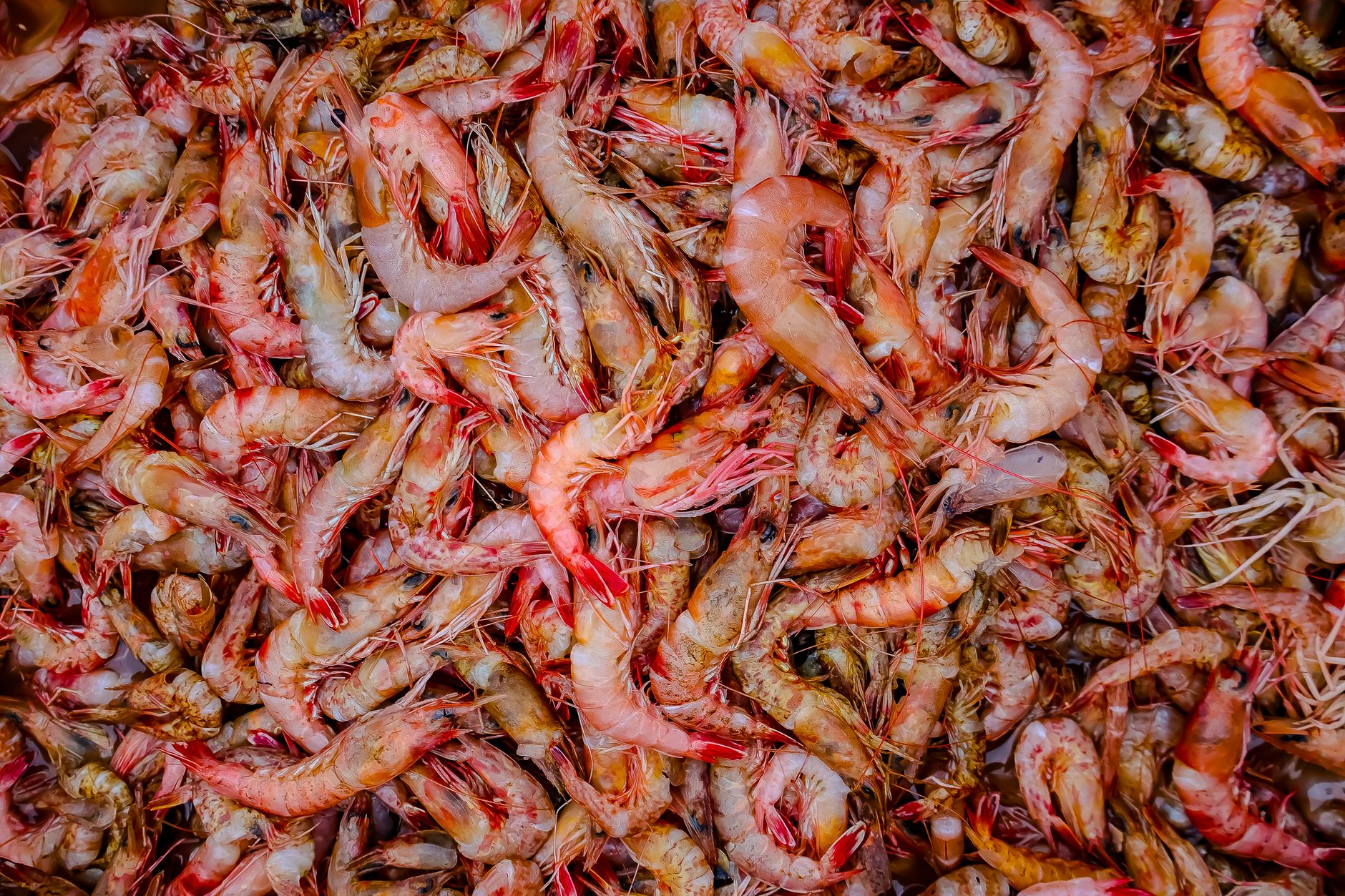
What Happens to Uneaten Brine Shrimp?
What happens to uneaten brine shrimp? Uneaten brine shrimp, if left in an aquarium or culture, will eventually die, contributing to a buildup of organic waste, which can degrade water quality and harm other aquatic life. It’s crucial to manage brine shrimp feedings carefully to avoid this issue.
Introduction: The Fate of Unconsumed Artemia
Brine shrimp, or Artemia, are tiny crustaceans often used as live food for aquarium fish and other aquatic animals. They are a nutritious and readily accepted food source, especially for fry and smaller fish. However, overfeeding is a common mistake, and the question “What happens to uneaten brine shrimp?” is a critical one for maintaining a healthy aquatic environment. This article will delve into the lifecycle of uneaten brine shrimp, the consequences of their presence, and strategies for preventing this problem.
The Lifecycle of Brine Shrimp in a Closed System

Understanding the lifecycle of brine shrimp helps explain the consequences of leaving them uneaten in an aquarium.
- Hatching: Brine shrimp hatch from cysts in saltwater.
- Nauplii Stage: The newly hatched nauplii are the most nutritious stage for feeding fish.
- Growth: If not consumed, brine shrimp will grow, molting several times.
- Reproduction: Given sufficient food and optimal conditions, adult brine shrimp will reproduce.
- Death: Without food or suitable conditions, brine shrimp will eventually die.
Consequences of Uneaten Brine Shrimp
The presence of uneaten brine shrimp can lead to several negative consequences within an aquarium or culture tank. “What happens to uneaten brine shrimp?” The primary answer is decay, but that decay triggers a cascade of problems.
- Water Quality Degradation: Decaying brine shrimp release ammonia and other nitrogenous compounds, increasing the bioload and potentially leading to ammonia poisoning in fish.
- Oxygen Depletion: The decomposition process consumes oxygen, which can be detrimental to fish and other aquatic life, especially in densely populated tanks.
- Algae Blooms: Excess nutrients released by decaying shrimp can fuel algae blooms, clouding the water and reducing light penetration.
- Disease Introduction: While less common, decaying organic matter can create an environment that favors the proliferation of harmful bacteria.
Preventing Uneaten Brine Shrimp
Preventing an accumulation of uneaten brine shrimp is essential for maintaining a healthy aquarium. The most effective strategies involve careful feeding practices and tank maintenance.
- Feed Sparingly: Offer only as much brine shrimp as your fish can consume in a few minutes. Observation is key.
- Targeted Feeding: Use a pipette or turkey baster to deliver brine shrimp directly to the areas where your fish are feeding.
- Siphon Leftovers: Regularly siphon the bottom of the tank to remove any uneaten food or debris.
- Proper Filtration: Ensure your filtration system is adequate for the bioload of your tank. Regular filter maintenance is also crucial.
- Water Changes: Perform regular water changes to remove accumulated waste products and maintain water quality.
Alternative Feeding Strategies
Consider alternative feeding strategies to minimize the amount of live brine shrimp required, reducing the likelihood of leftovers.
- High-Quality Flake Food: Supplement brine shrimp with high-quality flake food formulated specifically for your fish species.
- Frozen Foods: Frozen foods, such as frozen brine shrimp or daphnia, can offer similar nutritional benefits without the risk of multiplying within the tank.
- Pelleted Foods: Offer a variety of sinking and floating pellets appropriate for your fish.
Identifying and Addressing Uneaten Brine Shrimp Issues
Recognizing the signs of uneaten brine shrimp and taking swift action can prevent serious problems.
- Cloudy Water: A sudden increase in water cloudiness can indicate an imbalance, potentially due to decaying organic matter.
- Ammonia Spikes: Regularly test your water for ammonia, nitrite, and nitrate. Elevated levels indicate a problem.
- Fish Behavior: Observe your fish for signs of stress, such as gasping at the surface or lethargy.
- Algae Growth: An increase in algae growth may be a sign of excess nutrients in the water.
If you observe any of these signs, perform a water change, siphon the substrate, and adjust your feeding schedule.
Table Comparing Feeding Options
| Feeding Option | Pros | Cons |
|---|---|---|
| Live Brine Shrimp | High nutritional value, stimulates natural feeding behavior | Can contribute to water quality problems if uneaten, requires culturing or frequent purchase |
| Frozen Brine Shrimp | Convenient, readily available, lower risk of water quality issues compared to live shrimp | May lack some of the nutritional benefits of live shrimp, requires thawing |
| Flake/Pelleted Food | Convenient, cost-effective, long shelf life | May not be as palatable or nutritious as live or frozen foods, should be supplemented with other food sources for optimal health |
What is the ideal frequency for feeding brine shrimp?
The ideal frequency depends on the age and size of your fish. Fry typically require multiple small feedings per day, while adult fish may only need to be fed once or twice a day. Observe your fish’s behavior and adjust the frequency accordingly. Always avoid overfeeding.
How long do uneaten brine shrimp survive in a freshwater aquarium?
Brine shrimp are saltwater organisms and cannot survive long in freshwater. They will typically die within a few hours or days due to osmotic stress. This rapid death contributes to the bioload.
Can uneaten brine shrimp foul the filter?
Yes, uneaten brine shrimp can contribute to the buildup of debris in your filter, reducing its efficiency. Regular filter maintenance is essential. Fouled filters lead to poor water quality.
Is it better to culture brine shrimp or buy them?
Culturing brine shrimp can be more cost-effective in the long run if you need a consistent supply. However, it requires space, time, and effort. Buying pre-hatched brine shrimp is more convenient but can be more expensive. Consider your needs and resources.
What are the symptoms of overfeeding brine shrimp?
Symptoms of overfeeding include cloudy water, increased algae growth, elevated ammonia and nitrite levels, and lethargic fish. Monitor your water parameters closely.
Can I use a gravel vacuum to remove uneaten brine shrimp?
Yes, using a gravel vacuum is an effective way to remove uneaten brine shrimp and other debris from the substrate. Regular gravel vacuuming is recommended.
Do brine shrimp carry diseases that can affect my fish?
While less common than with some other live foods, brine shrimp can potentially carry diseases. Obtain your brine shrimp from reputable sources to minimize this risk. Quarantine new live food if possible.
How do I know if my fish are getting enough to eat?
Observe your fish for signs of good health, such as bright colors, active behavior, and normal growth rates. A healthy fish will eat actively. A sunken belly indicates underfeeding.
Can I mix brine shrimp with other food types?
Yes, mixing brine shrimp with other food types, such as flake food or frozen food, can provide a more balanced diet for your fish. Variety is key for optimal health.
What type of water should I use to hatch brine shrimp?
Use dechlorinated saltwater to hatch brine shrimp. A specific gravity of 1.018 to 1.020 is generally recommended. Use a hydrometer to measure salinity.
Are there any fish that shouldn’t be fed brine shrimp?
While brine shrimp are a good food source for many fish, some species may require a more specialized diet. Research the specific dietary needs of your fish to ensure they are getting the appropriate nutrition. Herbivorous fish, for example, need more plant matter.
What happens to uneaten brine shrimp if I have snails in my aquarium?
Snails will often consume uneaten brine shrimp, helping to reduce the amount of organic waste in the tank. However, relying solely on snails is not a substitute for proper feeding practices and tank maintenance. The impact of uneaten brine shrimp is still present. It is best to still limit how much uneaten brine shrimp there is by feeding less.