
What Happens to Bear Cubs When the Mother Dies?: Survival Against the Odds
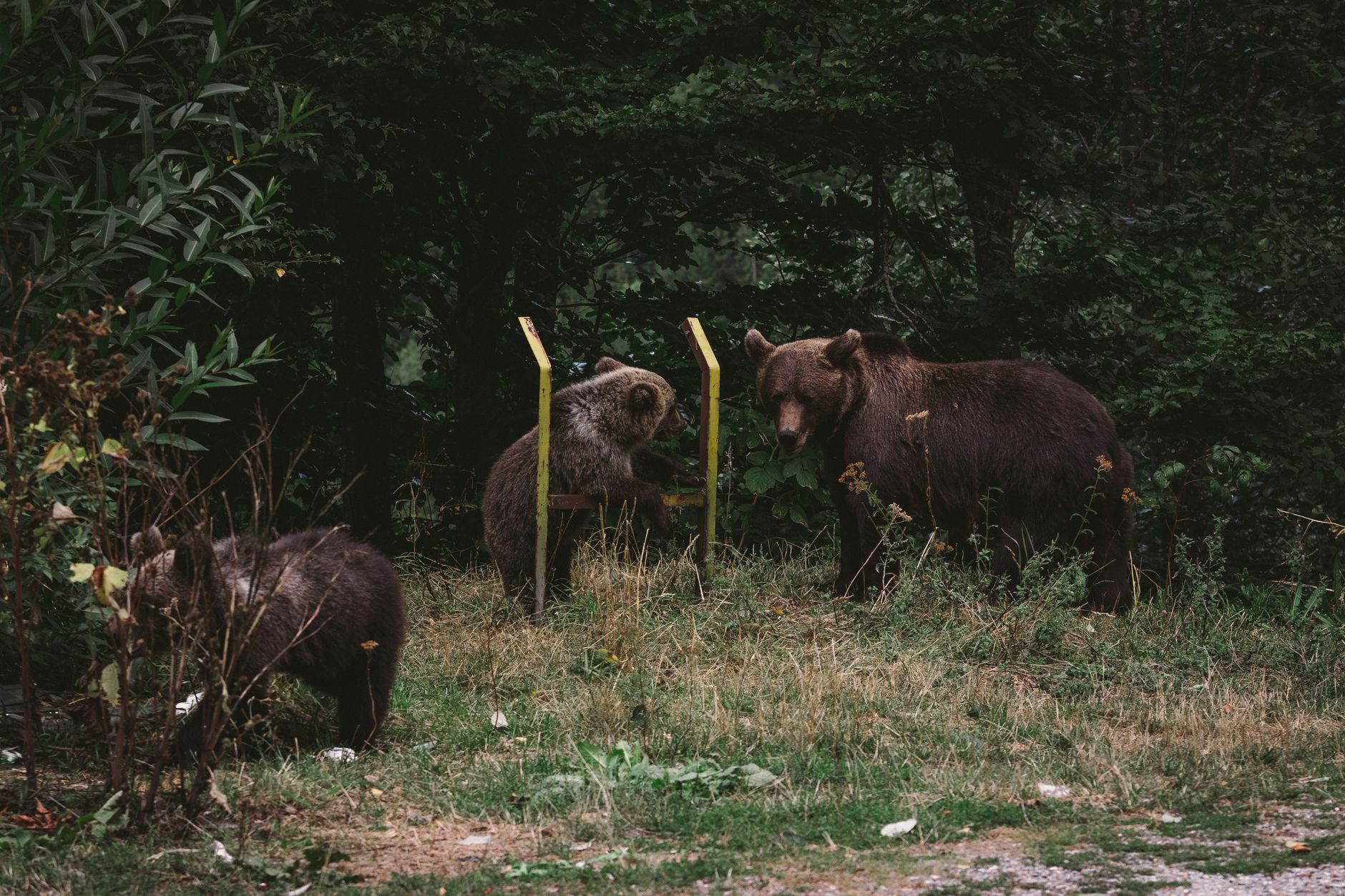
What happens to bear cubs when the mother dies? The immediate aftermath is dire; without their mother’s protection, warmth, and vital nourishment, orphaned bear cubs face drastically reduced survival rates, often succumbing to starvation, predation, or hypothermia. Survival depends largely on their age and the availability of rescue and rehabilitation efforts.

The Critical Role of the Mother Bear
A mother bear, or sow, is the linchpin in a cub’s early survival. She provides essential care for approximately two years, teaching her offspring vital skills for survival. These skills include:
- Foraging techniques: Identifying and obtaining food sources.
- Den construction: Building and maintaining safe shelter.
- Predator avoidance: Recognizing and evading threats.
- Social behavior: Understanding bear etiquette and territory.
The loss of the mother bear dramatically alters the cub’s trajectory, throwing it into a fight for survival it is often ill-equipped to win.
Immediate Threats: Starvation, Predation, and Exposure
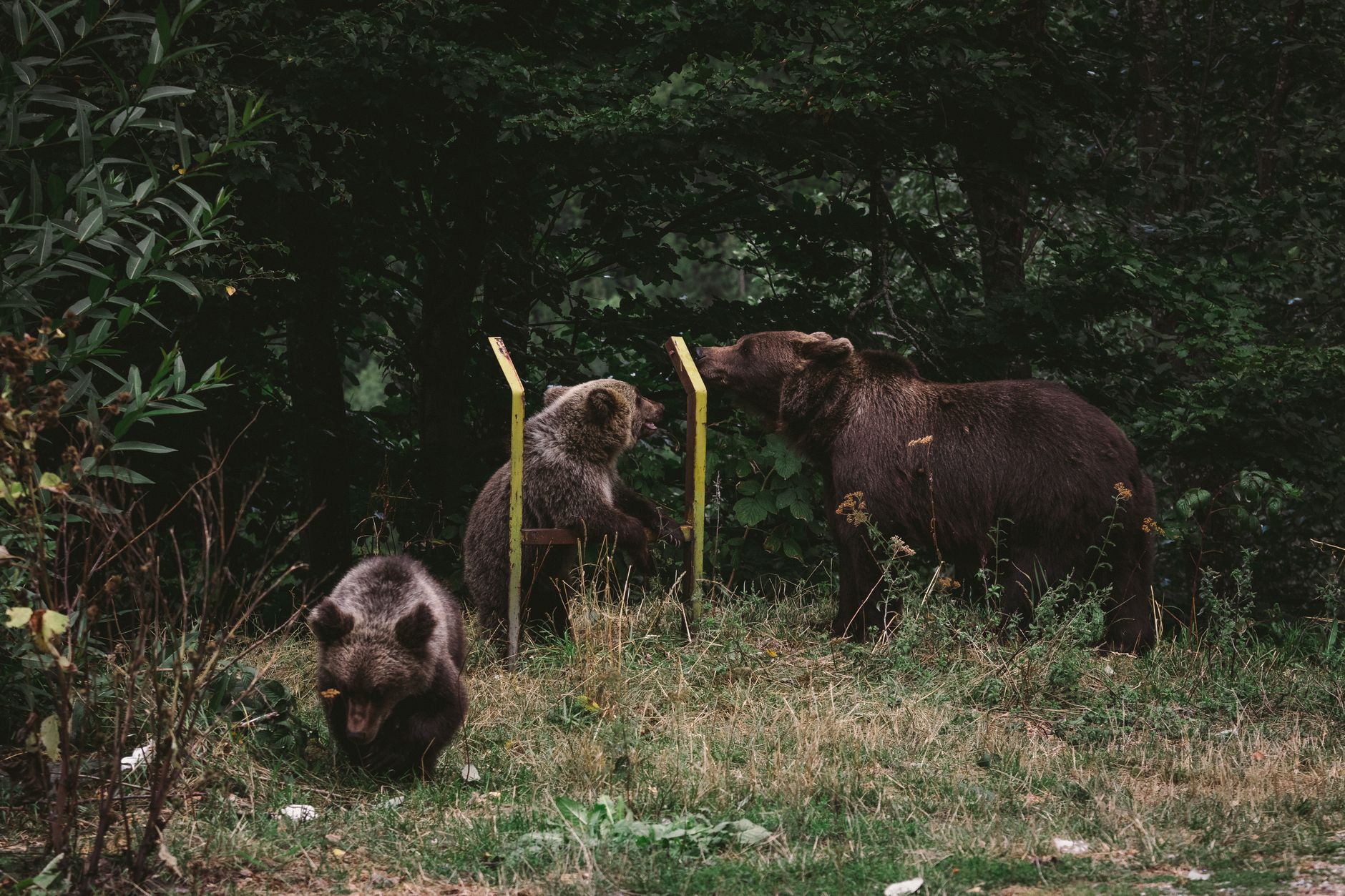
The moment a mother bear is no longer present, her cubs face a gauntlet of immediate dangers. Starvation is a primary concern, as cubs rely solely on their mother’s milk for the first several months of their lives. Even after weaning, they depend heavily on her guidance to find adequate food.
Predation is another significant threat. Smaller cubs are vulnerable to a range of predators, including wolves, coyotes, bobcats, and even other bears. The mother bear acts as a shield, fiercely defending her young against potential attackers.
Hypothermia is particularly dangerous for young cubs, especially in colder climates. The mother bear provides warmth within the den, and without her presence, cubs are susceptible to freezing.
Age as a Factor in Survival
The age of the cubs at the time of the mother’s death significantly impacts their chances of survival.
- Newborn cubs (under 3 months): These cubs are completely dependent on their mother and have virtually no chance of survival without immediate intervention.
- Cubs 3-6 months old: While still heavily reliant on their mother, cubs in this age range may have started experimenting with solid food. However, their ability to forage and defend themselves is limited.
- Cubs 6-12 months old: These cubs are more developed and have learned some basic survival skills from their mother. They have a slightly better chance of survival but still face significant challenges.
- Cubs over 1 year old: These cubs are nearing independence and have a better understanding of their environment. While they will struggle without their mother, they have the highest chance of survival among orphaned cubs.
Rescue and Rehabilitation Efforts
When a mother bear dies, leaving behind dependent cubs, wildlife authorities often attempt to rescue and rehabilitate the orphaned animals. Rehabilitation centers play a crucial role in preparing cubs for eventual release back into the wild.
The rehabilitation process typically involves:
- Providing a nutrient-rich diet similar to what the cubs would receive from their mother.
- Offering a safe and stimulating environment that encourages natural behaviors.
- Minimizing human contact to prevent habituation.
- Teaching the cubs essential survival skills, such as foraging and predator avoidance.
The success of rehabilitation programs varies depending on the age of the cubs, the resources available, and the rehabilitation techniques employed.
Challenges of Reintroduction
Reintroducing rehabilitated bear cubs back into the wild is a complex and challenging undertaking. Several factors can influence the success of reintroduction, including:
- The cub’s age and development.
- The availability of suitable habitat.
- The presence of other bears in the area.
- The cub’s ability to successfully forage and avoid predators.
Wildlife biologists carefully monitor reintroduced cubs to assess their survival rates and ensure they are adapting to their new environment.
Frequently Asked Questions (FAQs)
What is the typical lifespan of a bear cub in the wild, assuming the mother survives?
With the mother’s protection and guidance, a bear cub has a significantly higher chance of survival. Roughly 50-70% of cubs survive their first year. Over the long term, provided they avoid accidents, disease, or excessive human interaction, they can live for 15-25 years in the wild.
How long do bear cubs typically stay with their mother?
Bear cubs typically stay with their mother for about two years. During this time, they learn vital survival skills, including foraging techniques, den construction, and predator avoidance. This extended period of maternal care is crucial for their development and long-term survival.
Can orphaned bear cubs survive on their own if they are found and fed by humans?
While well-intentioned, feeding orphaned bear cubs is highly discouraged. It can lead to habituation, where the cubs become accustomed to humans and lose their natural fear. This habituation can make them more vulnerable to poachers and conflicts with humans, ultimately reducing their chances of survival in the wild. If found, the best course of action is to contact local wildlife authorities.
Are there specific bear species where orphaned cubs have a better chance of survival?
No particular bear species inherently possesses superior survival rates for orphaned cubs. Survival largely depends on individual circumstances such as age, health, location, and the availability of rescue and rehabilitation. However, some bear populations may have access to more robust rehabilitation programs, which could indirectly improve the odds.
What happens to a bear cub if it is orphaned during hibernation?
If a mother bear dies during hibernation, her cubs face a dire situation. They are completely reliant on her for warmth and nourishment. Orphaned cubs are unlikely to survive the winter without intervention. Their small size and inability to regulate their body temperature make them extremely vulnerable to hypothermia. Rescue and relocation to a rehabilitation facility are typically their only chance.
How do wildlife authorities determine if a bear cub is truly orphaned?
Determining whether a bear cub is genuinely orphaned requires careful observation and investigation. Wildlife authorities typically monitor the area for several days to see if the mother returns. They also look for signs of the mother’s presence, such as tracks or scat. If there is evidence that the mother is dead or has abandoned the cubs, they are considered orphaned.
What are the legal implications of rescuing or caring for an orphaned bear cub without authorization?
Rescuing or caring for an orphaned bear cub without proper authorization can have serious legal consequences. In most jurisdictions, it is illegal to possess or rehabilitate wildlife without a permit. These laws are in place to protect both the animals and the public. Unauthorized intervention can also hinder official rescue efforts and negatively impact the cub’s chances of successful rehabilitation and release.
Is there a way to prevent bear cub orphanhood?
Preventing bear cub orphanhood requires a multi-faceted approach. Protecting bear habitat, reducing human-wildlife conflict, and enforcing anti-poaching laws are all essential. Educating the public about bear behavior and safety precautions can also help minimize encounters that may lead to the death of mother bears.
What are the signs that a bear cub is in distress and needs help?
Signs that a bear cub is in distress and may need help include: appearing thin or emaciated, exhibiting unusual behavior (e.g., approaching humans without fear), being alone for an extended period, and displaying visible injuries. If you encounter a bear cub exhibiting these signs, it is crucial to contact your local wildlife agency or a qualified wildlife rehabilitator immediately.
Do orphaned bear cubs ever get adopted by other mother bears?
While rare, there have been documented cases of mother bears adopting orphaned cubs. This behavior is more likely to occur if the mother bear has cubs of her own, and the orphaned cub is of a similar age. However, adoption is not a reliable solution, and orphaned cubs still require monitoring and potential intervention.
How are orphaned bear cubs prepared for release back into the wild?
Rehabilitation centers employ a variety of techniques to prepare orphaned bear cubs for release. These include providing a natural diet, encouraging foraging behavior, and minimizing human interaction to prevent habituation. Some facilities also use surrogate mothers or training exercises to teach cubs essential survival skills. The goal is to equip the cubs with the knowledge and abilities they need to thrive in the wild.
What are the biggest threats to the overall bear population, leading to higher rates of cub orphanhood?
The biggest threats to bear populations, leading to higher rates of cub orphanhood, are habitat loss, human-wildlife conflict, and poaching. Habitat loss reduces the availability of food and shelter, making bears more vulnerable to starvation and disease. Human-wildlife conflict can result in bears being killed in self-defense or for damaging property. Poaching is a serious threat, particularly in areas where bear parts are used in traditional medicine or as trophies. Addressing these threats is crucial for ensuring the long-term survival of bear populations and reducing the incidence of cub orphanhood.