
What Happens If a Dog Licks Its Incision? The Definitive Guide
What happens if a dog licks its incision? The primary risk is infection and delayed healing; bold licking can introduce bacteria and disrupt the healing process, potentially leading to complications requiring veterinary intervention.

Understanding Post-Operative Care for Dogs
Post-operative care is crucial for a dog’s successful recovery after surgery. This period requires diligent attention to the incision site, ensuring it remains clean, dry, and protected from potential harm. One of the biggest challenges dog owners face is preventing their canine companions from licking or chewing at their incisions. While a little bit of licking might seem harmless, it can have significant negative consequences.
Risks Associated with Licking an Incision
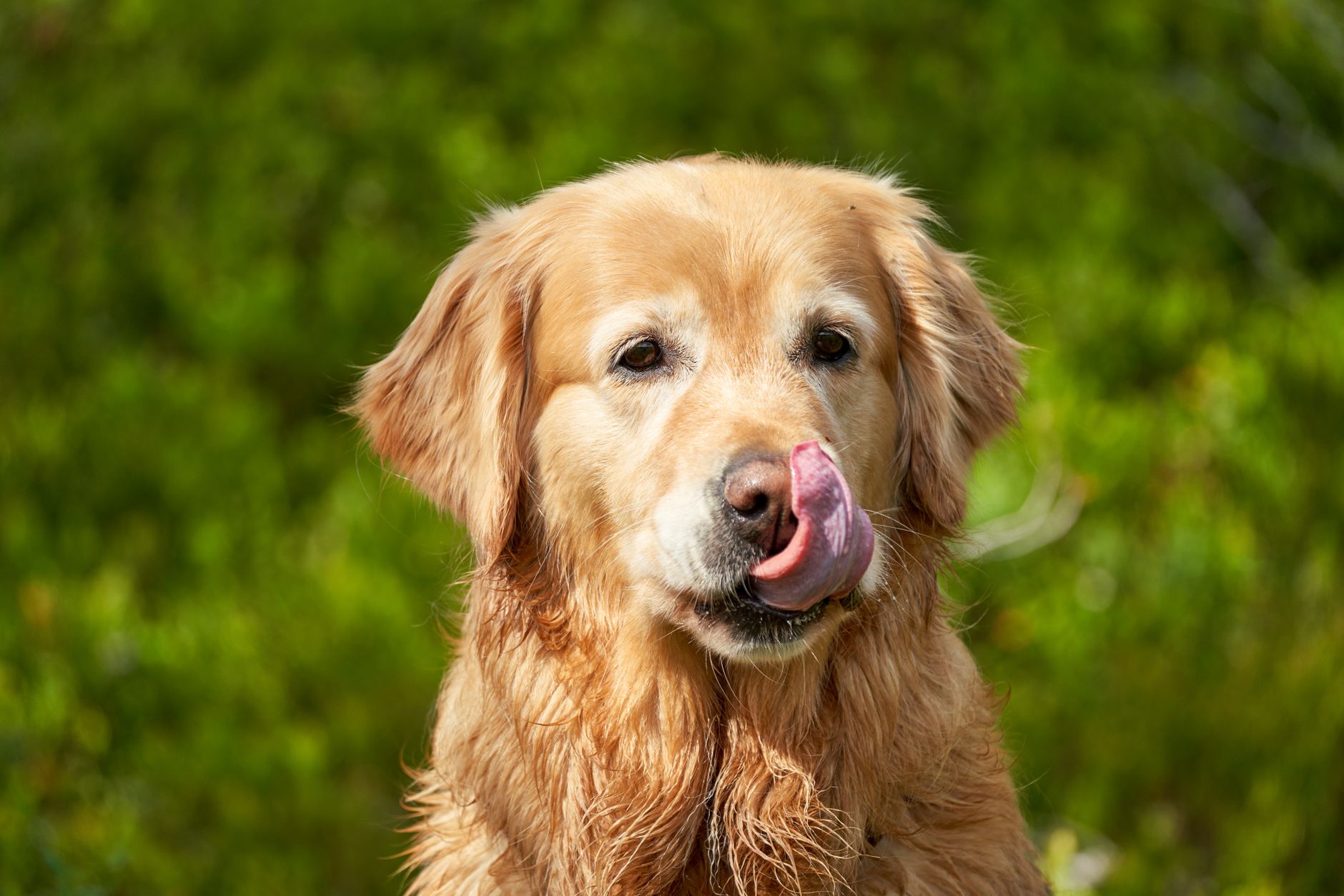
Licking an incision is a natural instinct for dogs; their saliva contains enzymes believed to have healing properties. However, the reality is that a dog’s mouth is teeming with bacteria. These bacteria, normally harmless in the oral environment, can cause serious infections when introduced to an open wound.
Here’s a breakdown of the specific risks:
- Infection: Introducing bacteria into the incision site can lead to localized infections. These infections can manifest as redness, swelling, pus discharge, and increased pain. Severe infections can even spread systemically, requiring aggressive antibiotic treatment.
- Delayed Healing: Constant licking disrupts the natural healing process. The moisture from saliva can macerate the skin, making it more susceptible to bacterial invasion and preventing proper tissue regeneration.
- Wound Dehiscence: Excessive licking and chewing can weaken the sutures, leading to wound dehiscence—the separation of the wound edges. This is a serious complication that often requires a second surgical procedure to close the incision.
- Self-Trauma: Persistent licking can cause further irritation and inflammation, leading to a vicious cycle of self-trauma. The dog’s efforts to relieve the itching or discomfort can actually worsen the situation.
Preventing Licking: Essential Strategies
Preventing your dog from licking their incision is paramount for a smooth recovery. Here are some effective strategies:
- Elizabethan Collar (E-Collar or Cone of Shame): This is the most reliable method for preventing access to the incision. Ensure the collar fits properly, extending beyond the dog’s nose.
- Surgical Suit: An alternative to the E-collar, a surgical suit covers the incision site, preventing the dog from directly accessing it. This option is often more comfortable for the dog than a cone.
- Bitter Apple Spray: Applying a bitter-tasting spray to the area around the incision can deter licking. However, its effectiveness varies depending on the individual dog. Test a small area first to ensure no allergic reaction.
- Bandaging: If appropriate and directed by your veterinarian, a bandage can protect the incision. Change the bandage regularly and keep the area clean and dry.
- Supervision: Closely supervise your dog, especially during the initial healing phase. Redirect their attention if they attempt to lick the incision. Positive reinforcement, such as treats and praise, can be helpful.
- Medications: In some cases, your veterinarian may prescribe medication to reduce itching or inflammation.
What to Do If Your Dog Licks the Incision
Even with diligent precautions, a dog may occasionally manage to lick their incision. What happens if dog licks incision even briefly?
- Assess the Incision: Carefully examine the incision site for any signs of redness, swelling, discharge, or separation of the wound edges.
- Clean the Area: Gently clean the area with a mild antiseptic solution recommended by your veterinarian.
- Contact Your Veterinarian: If you notice any signs of infection or wound dehiscence, contact your veterinarian immediately. They may prescribe antibiotics or recommend further treatment.
- Re-evaluate Prevention Methods: Ensure your current prevention methods are effective and adjust them as needed. The Elizabethan collar might need adjustment or a different approach altogether may be needed.
The Importance of Veterinary Follow-Up
Regular follow-up appointments with your veterinarian are crucial for monitoring the healing process and identifying any potential complications early on. Your veterinarian can assess the incision, remove sutures (if necessary), and provide guidance on ongoing care. Don’t hesitate to contact your vet with any concerns or questions.
Common Mistakes to Avoid
- Removing the E-Collar Too Soon: It’s tempting to remove the E-collar once your dog seems to be feeling better, but it’s important to keep it on for the entire duration recommended by your veterinarian.
- Neglecting Wound Care: Failing to clean the incision site regularly can increase the risk of infection.
- Overlooking Subtle Signs of Infection: Pay close attention to your dog’s behavior and the appearance of the incision. Early detection of infection is key to preventing serious complications.
- Using Human Medications: Never use human medications or ointments on your dog’s incision without consulting your veterinarian. Some human products can be toxic to dogs.

Frequently Asked Questions (FAQs)
If my dog licked the incision once, is it a major concern?
A single lick may not necessarily cause a major problem, but it’s still important to monitor the incision closely for any signs of redness, swelling, or discharge. Clean the area gently with an antiseptic solution recommended by your vet. If you notice any changes, contact your veterinarian.
How long does it typically take for a dog incision to heal?
Generally, it takes 10-14 days for a dog’s incision to heal, but this can vary depending on the size and location of the incision, the dog’s overall health, and any complications that may arise. Always follow your vet’s specific instructions.
Are there any natural remedies I can use to prevent my dog from licking the incision?
While some people suggest using diluted vinegar or lemon juice, these aren’t recommended. They can be irritating or even harmful to the wound. Stick to veterinarian-approved methods like E-collars, surgical suits, or bitter apple spray.
What are the signs of an infected incision in a dog?
Signs of an infected incision include redness, swelling, heat, pain, pus discharge, foul odor, and sometimes even fever. The dog may also exhibit lethargy or loss of appetite.
Can I use a bandage instead of an E-collar?
A bandage can be used in some cases, but it’s important to follow your veterinarian’s instructions carefully. Ensure the bandage is clean, dry, and changed regularly. Bandages might not be suitable for all incision locations.
My dog seems depressed wearing the E-collar. What can I do?
It’s common for dogs to feel uncomfortable wearing an E-collar. Try to make them as comfortable as possible by providing a soft bed, plenty of attention, and opportunities for gentle exercise. Consider trying a softer, fabric-based E-collar or a surgical suit as an alternative.
Is it safe to apply Vaseline to my dog’s incision?
Avoid applying Vaseline or any other petroleum-based products to your dog’s incision unless specifically recommended by your veterinarian. These products can trap bacteria and impede healing.
What if my dog removes their sutures?
If your dog removes their sutures, contact your veterinarian immediately. Depending on the extent of the damage, they may need to re-close the incision. Ignoring this can lead to serious complications.
Can I use over-the-counter antibiotic ointments on my dog’s incision?
Do not use over-the-counter antibiotic ointments without consulting your veterinarian. Some ingredients can be harmful to dogs. Your vet can prescribe a safe and effective antibiotic ointment if needed.
What if my dog is constantly scratching around the incision area, even with the E-collar on?
Constant scratching, even with an E-collar, could indicate an underlying issue such as an allergic reaction or a secondary skin infection. Consult your veterinarian to determine the cause and appropriate treatment.
How often should I clean my dog’s incision?
Clean the incision as often as recommended by your veterinarian, typically once or twice a day. Use a mild antiseptic solution and a clean gauze pad. Avoid harsh scrubbing.
What happens if dog licks incision and it looks fine?
Even if the incision looks fine after a dog licks it, it’s crucial to remain vigilant. Bacteria may have been introduced but not immediately caused visible signs of infection. Continue to monitor the area closely for the next few days and adhere to your vet’s post-operative care instructions. Remember that early detection is key, so don’t hesitate to contact your vet if you observe any changes, no matter how subtle.