

What Happens if Birds Don’t Preen? The Critical Role of Feather Maintenance
If birds stopped preening, their feathers would become matted, dirty, and infested with parasites, leading to compromised flight ability, ineffective insulation, and ultimately, significantly increased vulnerability to predators and disease. Preening is essential for avian survival.
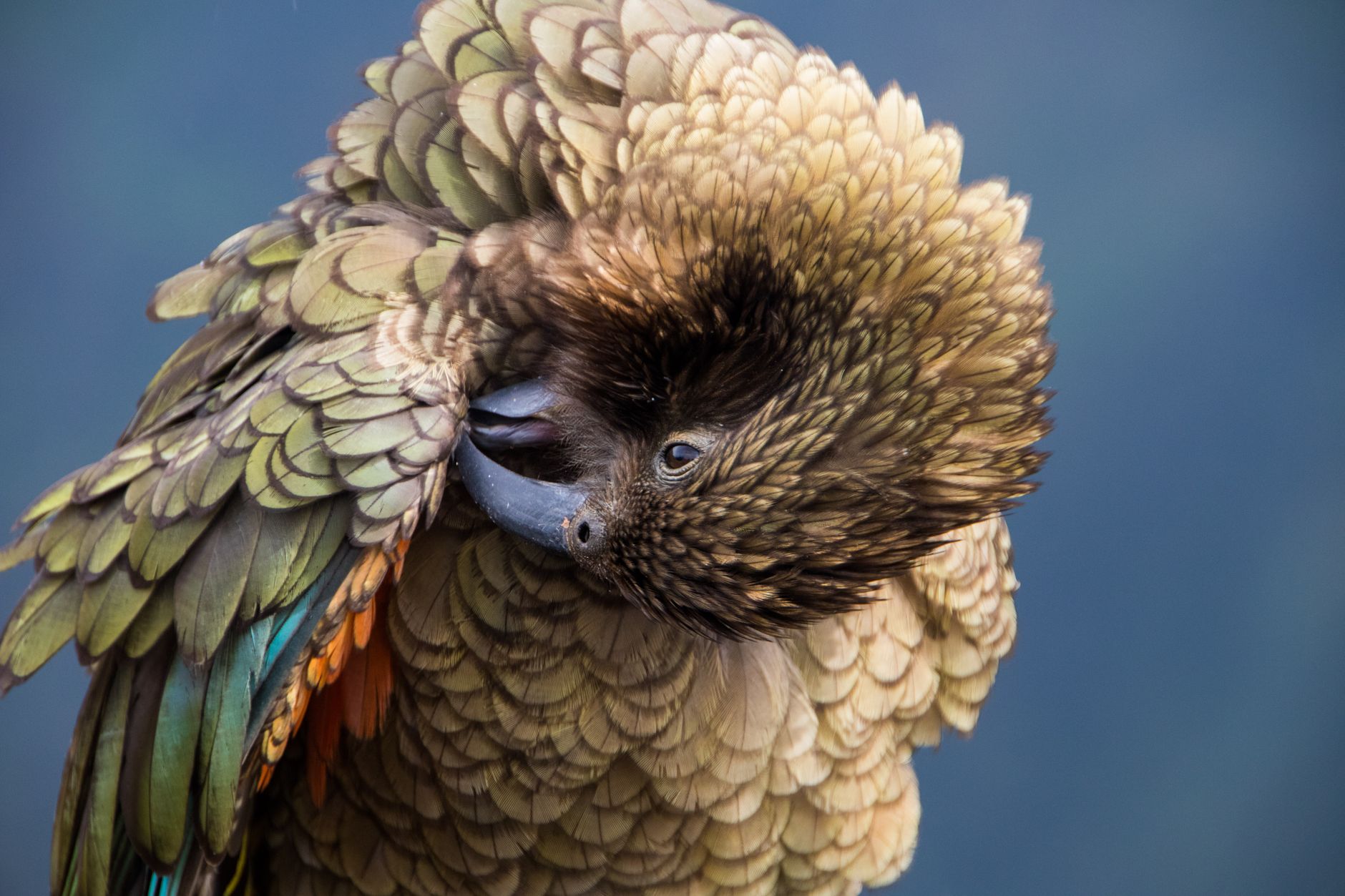
Birds, masters of the aerial realm, rely on perfectly maintained plumage to navigate the skies, endure harsh weather, and attract mates. This intricate process, known as preening, involves meticulous cleaning, arranging, and oiling of their feathers. But what happens if birds don’t preen? The consequences are far-reaching, affecting every aspect of their lives. From impaired flight to increased susceptibility to parasites and disease, the inability or unwillingness to preen significantly compromises a bird’s well-being and survival.
The Vital Importance of Preening: A Bird’s Daily Ritual
Preening isn’t just about vanity; it’s a survival mechanism. Birds dedicate a considerable portion of their day to this activity, underscoring its crucial role in maintaining their health and fitness. Understanding the specific benefits reveals just how devastating the absence of preening can be.
Benefits of Preening

Preening provides a multitude of benefits to birds:
- Feather Alignment: Preening ensures that feathers are properly aligned, creating a smooth, aerodynamic surface for efficient flight.
- Parasite Removal: Birds actively remove parasites like mites and lice from their feathers during preening.
- Dirt and Debris Removal: Preening keeps feathers clean from dirt, dust, and other environmental debris.
- Waterproofing: Spreading oil from the uropygial gland (also known as the preen gland) waterproofs feathers, protecting birds from hypothermia.
- Stimulating Feather Growth: Preening stimulates the growth and health of new feathers.
The Preening Process: A Detailed Look
The preening process is remarkably complex. Birds utilize their beaks, feet, and even their head to meticulously clean and maintain their plumage. Here’s a breakdown of the typical steps involved:
- Applying Uropygial Oil: The bird uses its beak to extract oil from the uropygial gland, located at the base of the tail.
- Distributing the Oil: The oil is then distributed across the feathers, providing waterproofing and flexibility.
- Cleaning and Smoothing: The bird uses its beak to carefully clean each feather, removing dirt, debris, and parasites. Feathers are zipped back together, interlocking the barbs to ensure a smooth surface.
- Scratching and Preening with Feet: The bird uses its feet to reach areas its beak cannot, scratching away parasites and preening feathers on its head and neck.
Consequences of Neglecting Preening
What happens if birds don’t preen? The ramifications are severe:
- Impaired Flight: Matted and unaligned feathers reduce aerodynamic efficiency, making flight difficult and energy-intensive. This increased exertion makes birds more vulnerable to predators.
- Ineffective Insulation: Dirty and un-oiled feathers lose their insulating properties, leaving birds vulnerable to cold and wet weather. Hypothermia can quickly become a serious threat.
- Increased Parasite Load: Without preening, parasite populations can explode, weakening the bird and potentially transmitting diseases.
- Feather Damage: Uncleaned feathers can become brittle and damaged, leading to breakage and further compromising flight and insulation.
- Increased Risk of Disease: Birds that are unable to preen properly are more susceptible to infections.
- Reduced Attractiveness: A bird’s appearance is impacted when it is unable to preen. Plumage appears unkempt and less vibrant.
Contributing Factors to Lack of Preening
Several factors can prevent birds from preening:
- Illness: Sick or injured birds often lack the energy or coordination to preen effectively.
- Parasite Infestations: Heavy parasite loads can make preening painful or overwhelming.
- Environmental Factors: Exposure to pollutants or toxins can damage feathers and make preening less effective.
- Nutritional Deficiencies: Poor nutrition can weaken feathers and reduce the production of uropygial oil.
- Captivity: Birds in captivity may lack the space, resources, or stimulation necessary to preen properly.
- Age: Very young and very old birds may not be able to preen with the same diligence as a healthy adult.

Frequently Asked Questions (FAQs)
Why is the uropygial gland so important?
The uropygial gland is a crucial structure that produces a waxy oil containing lipids, fatty acids, and waxes. This oil is vital for waterproofing feathers, preventing them from becoming waterlogged and allowing the bird to maintain its body temperature in wet conditions. The oil also contains compounds that help protect against bacteria and fungi, keeping the bird’s feathers healthy.
How often should a bird preen?
The frequency of preening varies depending on the species and individual bird, but most birds preen multiple times a day, spending a significant portion of their time maintaining their plumage. The intensity and duration of preening sessions often increase after bathing or exposure to wet conditions.
What are some signs that a bird isn’t preening enough?
Signs of inadequate preening include matted or ruffled feathers, excessive dirt or debris on the plumage, visible parasites, and a dull or lackluster appearance. In severe cases, birds may exhibit feather plucking or self-mutilation.
Can lack of preening affect a bird’s ability to attract a mate?
Absolutely. A bird’s plumage plays a significant role in attracting a mate. Healthy, well-groomed feathers signal health and vigor, making a bird more attractive to potential partners. Birds that are unable to preen properly often have dull, unkempt feathers, which can reduce their chances of finding a mate.
What can be done to help a bird that isn’t preening properly?
The appropriate intervention depends on the underlying cause. If illness is suspected, a veterinarian should be consulted. For parasite infestations, appropriate treatments can be administered. Ensuring a balanced diet and providing opportunities for bathing can also promote healthy preening behavior.
Are there differences in preening behavior among different bird species?
Yes, preening behavior varies considerably among different bird species. Some species, such as waterfowl, have larger uropygial glands and dedicate more time to waterproofing their feathers. Others, like hummingbirds, prioritize removing pollen and nectar from their plumage.
Does bathing help with preening?
Yes, bathing is an important component of feather maintenance. Bathing helps to loosen dirt and debris, making it easier for birds to remove them during preening. Clean water is essential for healthy plumage.
What role does the beak play in preening?
The beak is the primary tool used for preening. Birds use their beaks to carefully clean, align, and oil their feathers. The beak’s shape and size are often adapted to the specific preening needs of different species.
Can environmental pollution affect a bird’s ability to preen?
Yes, exposure to pollutants such as oil spills or pesticides can damage feathers and interfere with the preening process. Contaminants can make feathers sticky or brittle, making it difficult for birds to clean and maintain them effectively.
How does preening contribute to a bird’s overall health?
Preening contributes to a bird’s overall health by maintaining feather integrity, preventing parasite infestations, and protecting against hypothermia. These factors collectively improve a bird’s ability to fly, forage, and reproduce.
What happens if birds don’t preen because they are physically unable to reach certain areas?
Birds unable to reach all areas of their body may use various strategies, including cooperative preening with other birds (allopreening), rubbing against surfaces, or using available objects to assist in grooming. A disability that fully prevents preening would ultimately reduce the bird’s life expectancy.
What is “allopreening”, and why is it important?
Allopreening is a behavior where one bird preens another. It’s common in social species and serves several purposes: it helps birds clean areas they cannot reach themselves (like the head and neck), strengthens social bonds, and reduces tension within the group. If what happens if birds don’t preen is the inability to reach certain areas, allopreening can be a life saver.