

What Happens if a Shark is Circling You?
If a shark is circling you, it’s crucial to remain calm and assess the situation, as circling behavior doesn’t automatically mean an attack is imminent; often, it’s an investigatory action, but understanding the type of shark and your environment is key to determining the best course of action to avoid escalation.
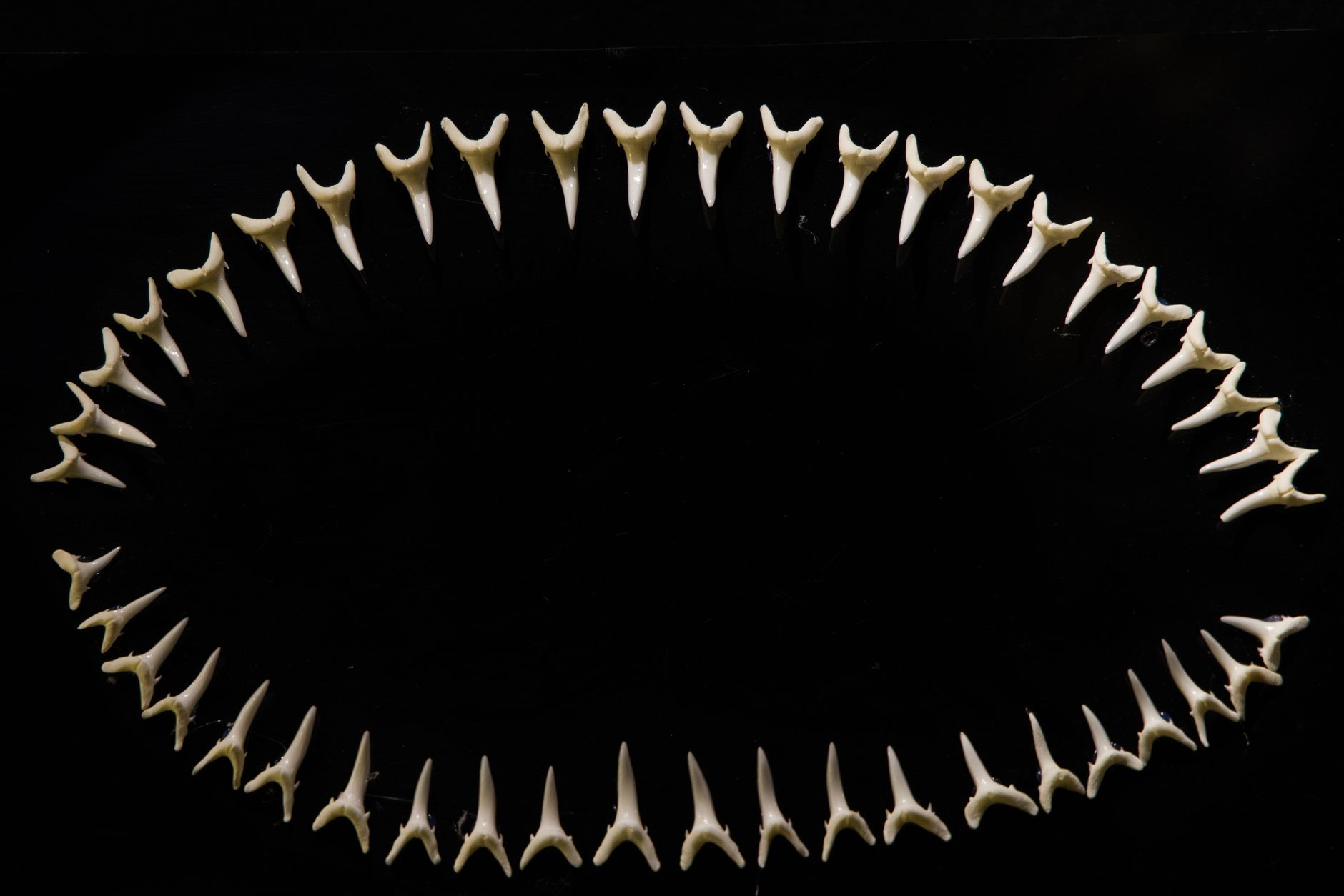
Understanding Shark Behavior: Deciphering the Circle
Shark behavior is complex and often misunderstood. While popular culture often portrays sharks as mindless killing machines, they are, in reality, intelligent and nuanced predators. Understanding their typical behaviors, especially circling, can significantly increase your chances of a positive outcome if you find yourself in such a situation.
Is it Aggression or Curiosity?

Circling is not always a sign of imminent attack. It can also be investigative behavior. Sharks, lacking hands, often use circling to get a better view of a potential prey item (or a perceived threat). Factors influencing the motive behind the circling include:
- Species of shark: Great whites may circle differently than reef sharks.
- Water clarity: In murky waters, sharks might need to get closer for a better view.
- Prey availability: If the shark is hungry, it might be more aggressive.
- Your behavior: Panicking or splashing can make you seem like distressed prey.
Maintaining Composure: The Key to Survival
The most important thing to remember what happens if a shark is circling you is to stay calm. Panic can lead to poor decisions and could trigger a predatory response. Focus on controlling your breathing and maintaining a clear head.
Taking Defensive Actions
While maintaining composure is crucial, passive inaction isn’t the best strategy. Consider these steps:
- Maintain Eye Contact: Sharks are less likely to attack if they know they’ve been spotted. Try to keep the shark in your sight as it circles.
- Slowly Back Away: If possible, slowly move toward a boat, reef, or shore. Avoid sudden movements that could startle the shark.
- Use an Object as a Barrier: If you have fins, a camera, or any other object, use it to create a barrier between yourself and the shark.
- Be Prepared to Defend Yourself: If the shark approaches aggressively, be prepared to strike at its sensitive areas, such as the eyes and gills.
Understanding Shark Species: A Quick Guide
Different species pose different levels of threat. Being able to identify the shark (even roughly) can help you understand its potential behavior.
| Shark Species | Typical Behavior | Threat Level |
|---|---|---|
| Great White Shark | Exploratory bites; powerful and potentially dangerous | High |
| Tiger Shark | Opportunistic feeders; can be aggressive | High |
| Bull Shark | Aggressive and unpredictable; found in both saltwater and freshwater | High |
| Reef Shark (various) | Usually not aggressive towards humans; may investigate out of curiosity | Low to Medium |
| Whale Shark | Filter feeder; poses no threat to humans | Very Low |
Debunking Shark Attack Myths
Many common beliefs about shark attacks are simply not true. Separating fact from fiction can help you make informed decisions in a potentially dangerous situation.

- Myth: Sharks are constantly hunting humans.
- Fact: Shark attacks are rare. Sharks typically prey on fish, seals, and other marine animals.
- Myth: All sharks are dangerous.
- Fact: Many shark species are harmless to humans. Only a few species are responsible for the majority of attacks.
- Myth: Splashing attracts sharks.
- Fact: While erratic splashing can attract attention, it is not the only factor. Other factors, such as the presence of baitfish or the shark’s hunger level, are more important.
Preventing Shark Encounters
The best way to deal with a shark is to avoid encountering one in the first place. Simple preventative measures can significantly reduce your risk.
- Avoid swimming at dawn or dusk: These are peak feeding times for many sharks.
- Do not swim in areas where sharks are known to be present: Heed warnings from local authorities and lifeguards.
- Avoid swimming near seal colonies: Seals are a primary food source for some sharks.
- Do not wear shiny jewelry: Jewelry can resemble the scales of fish and attract sharks.
- Avoid swimming in murky water: Sharks may have difficulty identifying you as a human and might be more likely to investigate.
The Importance of Awareness and Education
Education is the best defense against shark attacks. By understanding shark behavior and taking preventative measures, you can significantly reduce your risk and enjoy the ocean safely. It’s critical to constantly educate yourself about what happens if a shark is circling you and the correct response.
Analyzing the Circling Behavior in Detail
The pattern and speed of the circling can also provide clues. A slow, wide circle might indicate simple curiosity, while a tight, rapid circle could suggest increasing agitation or predatory intent. Paying close attention to these details could give you valuable seconds to react.
Understanding the Environment: Where Are You?
The environment plays a critical role. Are you in deep water, close to shore, or near a reef? Being near a reef or structure offers a potential escape route and a place to defend yourself. In deep water, your options are more limited, and maintaining eye contact and slowly backing away become even more crucial.
Frequently Asked Questions (FAQs)
What is the first thing I should do if I see a shark circling me?
The first and most crucial thing is to remain calm. Panic can cloud your judgment and potentially escalate the situation. Assess the environment, try to identify the shark species if possible, and formulate a plan.
Does splashing attract sharks?
Erratic splashing can attract a shark’s attention, particularly if they are already in the area. However, it’s not always a guarantee. Maintaining a smooth, deliberate movement is generally preferred over panicked splashing.
Should I try to swim away quickly?
Rapid, erratic swimming can resemble the movements of distressed prey and might trigger an attack. If you need to move, do so slowly and deliberately, keeping the shark in sight.
Is it better to play dead when a shark is circling?
Generally, playing dead is not recommended unless you are dealing with a shark that has already bitten you and is actively feeding. In most cases, maintaining eye contact and showing that you are aware of the shark is a better strategy.
What if I’m with a group of people?
Groups can be safer. Stay close together, forming a united front. Sharks are less likely to attack a group of people than a lone individual.
Are some shark species more likely to circle than others?
Yes, some species are known for their circling behavior. Great white sharks and tiger sharks, for instance, may circle before approaching, while reef sharks might circle out of curiosity. Knowing the local shark species is beneficial. Understanding what happens if a shark is circling you requires this knowledge.
What should I do if the shark starts to approach me directly?
If the shark approaches directly, use any available object as a barrier (fins, camera, etc.). If no object is available, be prepared to strike at its sensitive areas, such as the eyes and gills.
Does the size of the shark matter?
Yes, the size of the shark is a significant factor. Larger sharks pose a greater threat due to their size and power. However, even smaller sharks can inflict serious injuries.
Is it safe to swim in areas with known shark activity?
It’s generally not recommended to swim in areas with known high shark activity. If you do, take extra precautions, such as avoiding swimming at dawn or dusk and staying close to shore.
How can I identify different types of sharks?
Learning to identify different types of sharks can be helpful. Look for distinguishing features such as fin shapes, body size, and markings. Many online resources and field guides can assist in shark identification.
What if the shark bumps me?
If a shark bumps you, it could be a sign that it is testing you as potential prey. Be prepared to defend yourself and maintain eye contact.
What is the most important takeaway regarding what happens if a shark is circling you?
The most crucial takeaway is to remain calm, assess the situation, and be prepared to defend yourself if necessary. Understanding shark behavior and taking preventative measures can significantly reduce your risk of a negative encounter.