

What Happens If a Service Dog Fails?
A service dog failing doesn’t mean the end of its career; it typically involves reassessment, retraining, or reassignment, ensuring the individual they were meant to assist still receives the support they need, albeit perhaps from a different dog or with adjusted expectations. The failure isn’t absolute; it’s a redirection.
Background: The Rigorous Training of Service Dogs
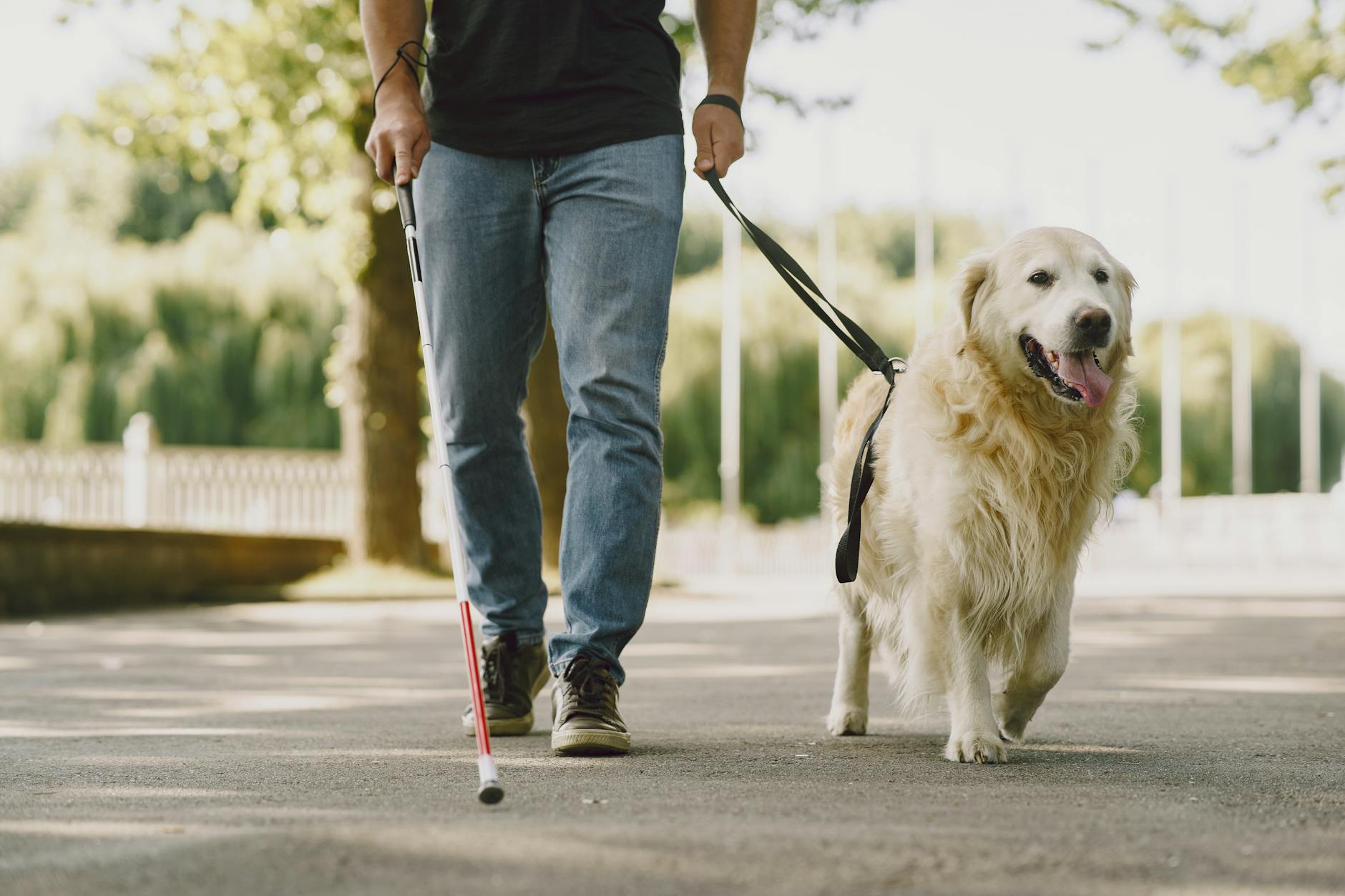
Service dogs are highly trained animals assisting individuals with disabilities. Their training is intensive and can take up to two years, involving thousands of hours of dedicated work. This prepares them for a wide range of tasks tailored to their handler’s specific needs, from guiding the blind to detecting medical alerts for those with diabetes or epilepsy. The investment in these animals is considerable, both financially and emotionally. The definition of “failure,” therefore, isn’t always straightforward.
Benefits of Service Dogs and the Stakes
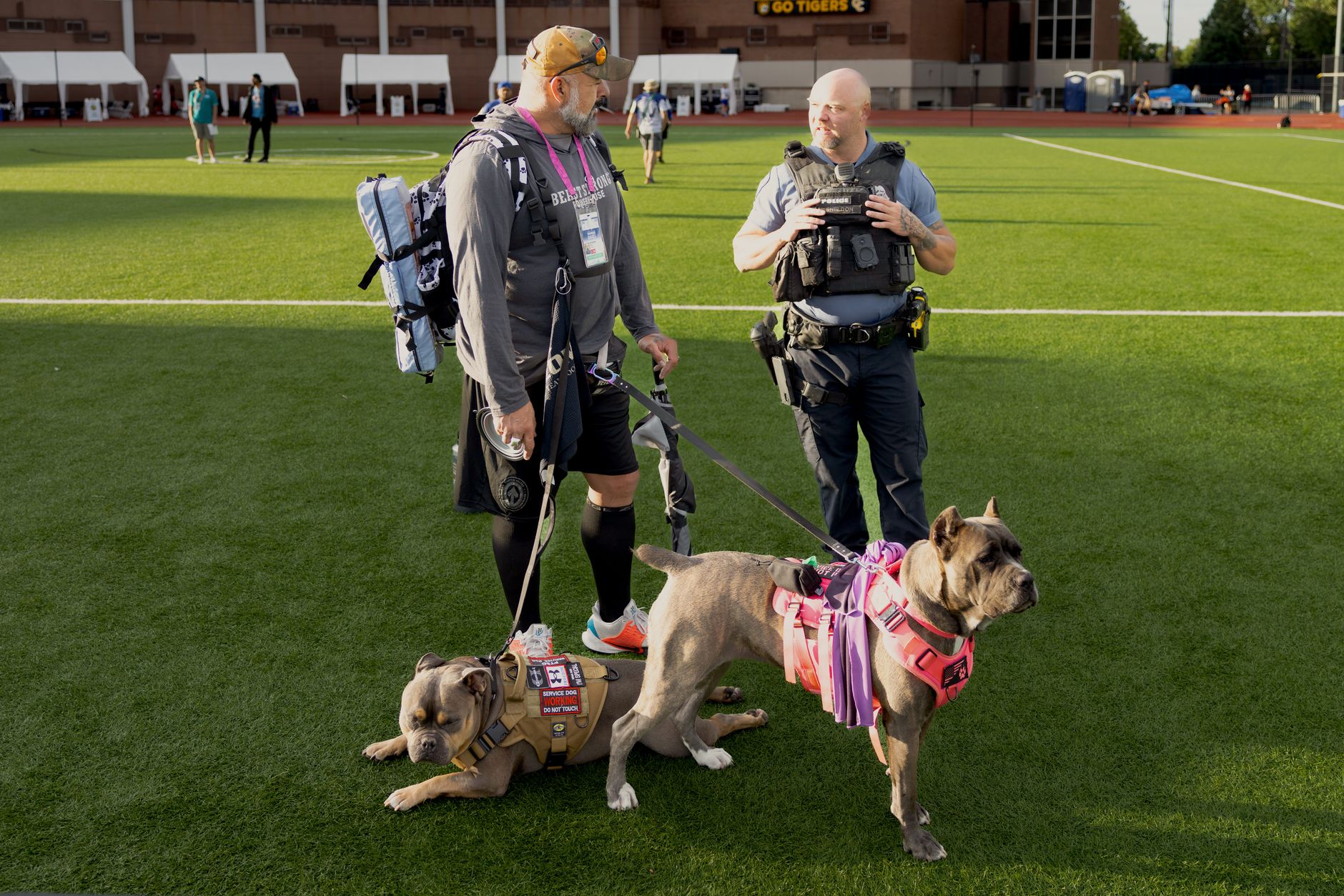
The benefits of service dogs are numerous and profound:
- Increased Independence: Providing mobility assistance, retrieving dropped items, and navigating obstacles.
- Enhanced Safety: Alerting to medical emergencies, providing stability during seizures, and deterring unwanted interactions.
- Improved Mental Health: Offering companionship, reducing anxiety, and promoting social interaction.
- Expanded Opportunities: Allowing individuals to participate more fully in daily life, including work, travel, and recreation.
Given these significant benefits, the potential failure of a service dog can be particularly distressing for both the handler and the training organization.
The Service Dog Training Process: A Multi-Stage Endeavor
Service dog training is a carefully orchestrated process with multiple stages:
- Puppy Selection: Choosing puppies with the right temperament and health history.
- Early Socialization: Exposing puppies to a wide range of environments and stimuli to ensure adaptability.
- Basic Obedience: Teaching fundamental commands like sit, stay, come, and heel.
- Advanced Task Training: Tailoring training to the handler’s specific needs, such as diabetic alert or psychiatric support.
- Public Access Training: Practicing working in public places, including stores, restaurants, and transportation.
- Team Training: Pairing the dog with its handler and refining teamwork skills.
- Certification (Optional): Meeting specific standards set by Assistance Dogs International (ADI) or other organizations, though this is not legally required in the USA.
The whole process aims to develop a confident, reliable, and well-behaved partner for an individual with a disability.
Common Reasons for “Failure”
“Failure” in this context rarely means a complete inability to perform any tasks. More often, it means the dog isn’t suited for a specific role or is struggling with aspects of the job. Common reasons include:
- Health Issues: Developing medical conditions, such as arthritis or hip dysplasia, that limit mobility or cause pain.
- Temperament Changes: Showing signs of aggression, anxiety, or excessive fearfulness.
- Inadequate Training: Lacking the skills or confidence to perform tasks reliably in various environments.
- Handler Mismatch: Failing to bond with the handler or adapt to their lifestyle.
- Environmental Stress: Being unable to cope with the demands of working in busy or unpredictable settings.
Reassessment and Retraining: Options Available
When a service dog is struggling, reassessment and retraining are often the first steps:
- Behavioral Evaluation: A professional assessment to identify the underlying causes of the problem.
- Targeted Retraining: Addressing specific weaknesses or anxieties through specialized training programs.
- Task Modification: Adjusting the dog’s responsibilities to better suit its abilities and limitations.
- Environmental Adaptation: Modifying the work environment to reduce stress and improve performance.
Reassignment or Retirement
If retraining isn’t successful or the dog’s issues are too significant, reassignment or retirement may be necessary.
- Reassignment: The dog may be better suited to a different handler or a different type of service work, such as therapy dog work.
- Retirement: The dog may be placed in a loving home as a pet, where it can enjoy a less demanding lifestyle. This is a common and responsible outcome for dogs no longer suited for service work.
The Emotional Toll on Handlers
It’s important to acknowledge the emotional impact on the handler. Building a partnership with a service dog is a profound experience, and the prospect of “failure” can be devastating. Training organizations typically provide support and counseling to help handlers navigate this challenging situation. Many organizations also offer a replacement dog, understanding the importance of continued support.

Frequently Asked Questions about Service Dog Failure
Can a service dog be “fired” if it makes a mistake?
While “fired” is a harsh term, a service dog can be removed from service if it consistently makes critical mistakes that endanger the handler or others. However, this is usually a last resort after attempts at retraining have failed. The focus is always on ensuring safety and well-being.
What happens to a service dog that is retired due to failure?
Retired service dogs are typically placed in loving homes as pets. Many organizations prioritize finding suitable homes with families or individuals who can provide a comfortable and supportive environment. The dog’s history and needs are carefully considered during the placement process.
Is “failure” a common occurrence with service dogs?
No, “failure,” in the sense of a dog being completely unable to perform any tasks, is not common. However, attrition rates do exist in the training process. Some dogs don’t make it through the rigorous training, and others may need to be reassigned or retired later in their careers. The majority, however, successfully complete their training and serve for many years.
Who makes the decision about whether a service dog has “failed”?
The decision is usually made collaboratively between the handler, the training organization, and veterinary professionals. A comprehensive evaluation is conducted to assess the dog’s health, temperament, and abilities. All stakeholders contribute to determining the best course of action.
What are the legal implications if a service dog “fails”?
Legally, a dog that is no longer providing the tasks it was trained for is not a service dog under the Americans with Disabilities Act (ADA). The handler would no longer be able to bring the dog into places where service dogs are allowed.
How does a service dog organization prevent “failure” from happening?
Service dog organizations employ rigorous screening processes for both dogs and handlers. They also provide ongoing support and training to minimize the risk of issues arising. Regular check-ins and assessments help identify potential problems early on.
Does the breed of a service dog impact its likelihood of “failure”?
While some breeds are more commonly used as service dogs due to their temperament and trainability (e.g., Labrador Retrievers, Golden Retrievers, German Shepherds), breed alone doesn’t determine success or failure. Individual dog characteristics, health, and training are more significant factors.
What resources are available for handlers whose service dogs have “failed”?
Many service dog organizations offer counseling, support groups, and assistance with finding a replacement dog. Mental health professionals specializing in animal-assisted therapy can also provide valuable support. Handlers should reach out to their training organization for guidance and resources.
How much does it cost if a service dog fails?
The costs can be substantial. Beyond the initial investment in training, additional expenses may arise from retraining attempts or finding a replacement dog. Most organizations offer a replacement dog at little or no cost, but this varies.
Can a service dog be re-trained for a different disability if it “fails” at its original task?
Yes, in some cases. If the dog’s limitations are specific to one type of task, and they are otherwise healthy and well-behaved, retraining for a different disability may be a viable option.
What role does temperament play in service dog “failure”?
Temperament is a critical factor. A dog with a nervous, aggressive, or overly excitable temperament is less likely to succeed as a service dog. Calmness, confidence, and a strong desire to please are essential traits.
What should you do if you encounter a service dog behaving inappropriately?
It’s important to remain calm and avoid making sudden movements or loud noises. Report the incident to the store manager or appropriate authorities. Do not interact directly with the dog or the handler without their permission. It’s possible the dog is in training, or there is an extenuating circumstance.
Understanding what happens if a service dog fails is crucial to supporting both the individuals with disabilities who rely on these animals and the dedicated organizations that train them. It’s a complex issue with many nuances, but the overarching goal is always to ensure the well-being of both the dog and the handler.