
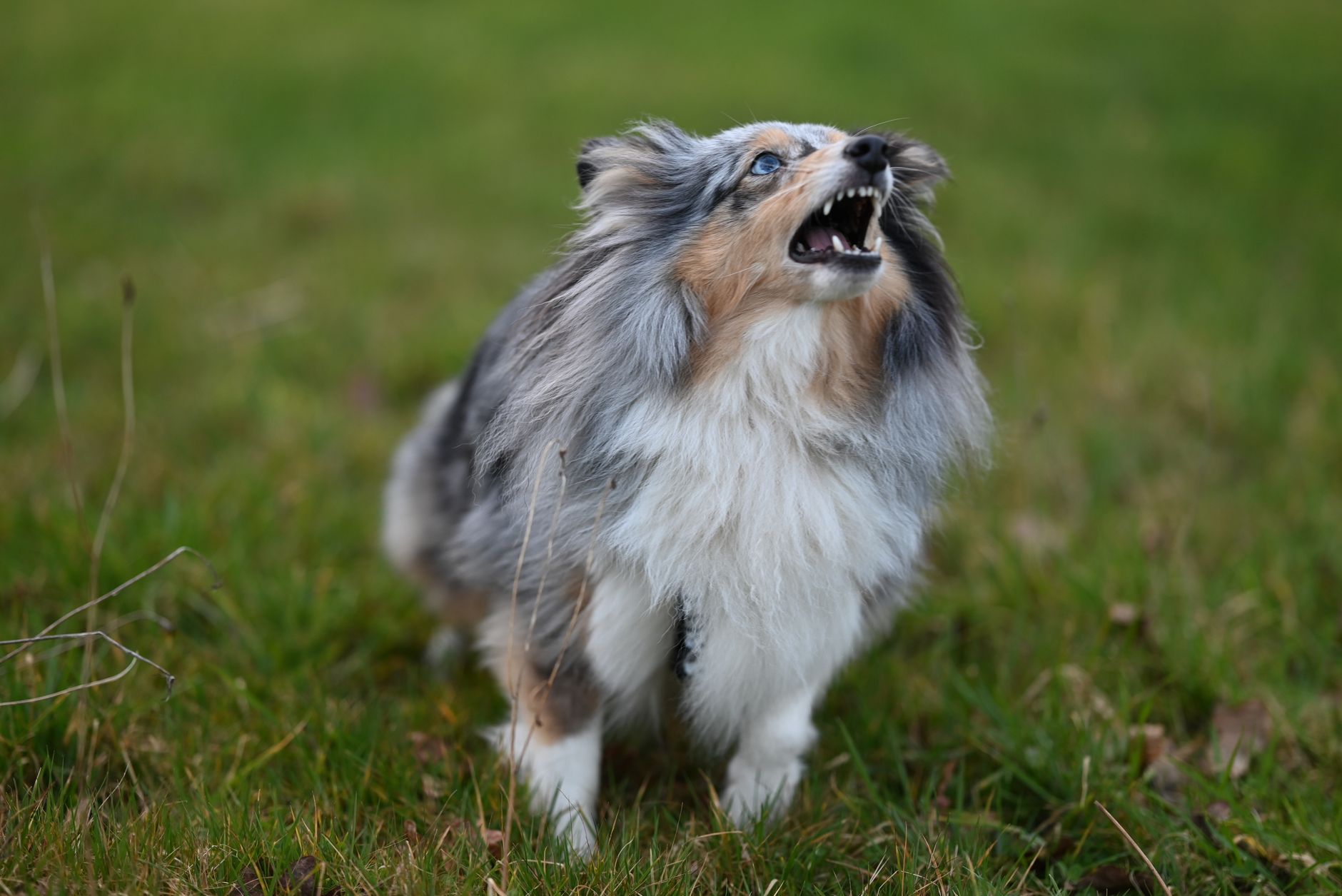
What Happens If a Human Barks at a Dog? Unveiling Canine Communication
The reaction to a human barking at a dog is complex and highly variable, ranging from confusion to fear or even aggression, depending on the individual dog’s temperament, past experiences, and the context of the interaction. In short, what happens if a human barks at a dog? It’s typically miscommunication, leading to a variety of reactions depending on the canine recipient.

Understanding Canine Communication
Dogs primarily communicate through body language, scent, and vocalizations. While barking is a common canine vocalization, its meaning is highly contextual. Dogs bark to alert, warn, solicit play, express frustration, or simply because they are excited. A human barking, however, falls outside the dog’s normal range of expected human behavior, leading to potential misinterpretations.
Factors Influencing a Dog’s Reaction

Several factors influence how a dog will respond to a human barking. These include:
- Temperament: A confident and well-socialized dog may be less reactive than a fearful or anxious dog.
- Past Experiences: A dog with a history of negative interactions with humans may react more defensively.
- Relationship with the Human: A dog that trusts and respects its owner may interpret the bark differently than a dog that is unfamiliar with the person.
- Context: The location, the dog’s current activity, and the surrounding environment all play a role. For example, a dog might be more defensive if it’s protecting its territory or its owner.
- Tone and Intensity of the Bark: A playful, high-pitched bark is different than a deep, aggressive growl.
Potential Reactions
The range of possible reactions is broad, but here are some common responses:
- Confusion: The dog may tilt its head, look perplexed, and try to understand what the human is trying to communicate.
- Alertness/Vigilance: The dog may become more alert and watchful, trying to identify a potential threat.
- Fear/Anxiety: A timid or anxious dog may become frightened, cower, or try to escape.
- Playfulness: Some dogs, especially puppies or playful breeds, might interpret the bark as an invitation to play.
- Defensive Behavior: In some cases, the dog may become defensive or aggressive, barking back, growling, or even snapping. This is more likely if the dog feels threatened or is protecting its territory.
- Ignoring: Some dogs, particularly those who are desensitized to loud noises or have a strong bond with their owner, might simply ignore the bark.
Minimizing Negative Consequences
It is generally not recommended to bark at a dog. If you do, try to remain calm and avoid aggressive body language. Here are some tips for minimizing negative consequences:
- Maintain a Calm Demeanor: Avoid aggressive stances or gestures.
- Speak in a Reassuring Tone: After barking (if you choose to), follow up with calm, reassuring words.
- Observe the Dog’s Body Language: Pay close attention to the dog’s reaction and adjust your behavior accordingly.
- Avoid Direct Eye Contact: In some situations, direct eye contact can be perceived as a threat.
- Give the Dog Space: Allow the dog to move away if it feels uncomfortable.
Alternative Communication Methods
Instead of barking, focus on using clear and consistent verbal cues, positive reinforcement, and body language to communicate with your dog.
- Verbal Commands: Use consistent and clear commands such as “sit,” “stay,” and “come.”
- Positive Reinforcement: Reward desired behaviors with treats, praise, or toys.
- Body Language: Use hand signals and body posture to guide your dog.
- Scent Communication: While not directly controlled by humans, understanding how scent impacts a dog’s behavior is important for harmonious relationships.

Frequently Asked Questions (FAQs)
Is it ever okay to bark at a dog?
Generally, it’s not recommended to bark at a dog. While it might seem funny or harmless, it can easily be misinterpreted and lead to confusion, fear, or even aggression. There may be extremely rare circumstances where a very well-trained dog understands the context (such as mimicking barking in a play scenario established with the owner’s training) but these are exceptions and should be approached with caution.
Will barking at a dog make me the “alpha”?
The concept of “alpha” in dog behavior is largely outdated and misleading. Dominance is not established through random displays of aggression or unusual behaviors like barking. A healthy relationship is built on trust, respect, and clear communication, using positive reinforcement.
What if my dog starts barking back at me?
If your dog barks back at you after you bark at it, it could be interpreting your bark as aggression, excitement, or a call to action. The best course of action is to stop barking immediately, remain calm, and try to redirect your dog’s attention with a known command or a toy.
Can barking at a dog damage our relationship?
Yes, barking at a dog can potentially damage your relationship, especially if the dog is sensitive or has a history of anxiety. Trust is built over time, and inconsistent or confusing behavior can erode that trust.
What if I accidentally barked at a dog?
If you accidentally barked at a dog, remain calm and try to reassure the dog with a gentle tone and body language. Offer a treat or engage in a familiar activity to help the dog feel safe and secure.
How do dogs perceive human laughter?
Dogs can perceive human laughter in different ways, depending on their individual personalities and experiences. Some dogs may interpret laughter as a sign of happiness and engage playfully, while others may be confused or even perceive it as a form of vocalization similar to barking.
Is there a difference in how different breeds react?
Yes, breed can play a role in how a dog reacts. For example, herding breeds may be more sensitive to vocal cues, while guardian breeds may be more protective and reactive to perceived threats. However, individual temperament is more important than breed alone.
What if my dog seems to enjoy it when I bark at them playfully?
Some dogs, especially those with a strong bond with their owners, may interpret a playful bark as an invitation to engage in play. However, it’s important to be mindful of the dog’s body language and stop if they show any signs of discomfort or stress.
Should I discipline my dog if it reacts negatively to my barking?
Punishing a dog for reacting to your barking is counterproductive. The dog is already confused or frightened, and punishment will only increase their anxiety and potentially damage your relationship. Instead, focus on calming the dog and re-establishing a sense of security.
Are there any benefits to barking at a dog?
There are no clear benefits to barking at a dog. The potential risks of miscommunication and negative reactions far outweigh any perceived advantages.
What are some better ways to communicate with my dog?
Focus on using clear and consistent verbal cues, positive reinforcement, and body language. Learn to understand your dog’s body language and respond accordingly. Training classes and resources from qualified dog trainers can be incredibly helpful.
What happens if a human barks at a service dog?
Barking at a service dog is extremely inappropriate and disruptive. Service dogs are working animals performing important tasks, and any interference can compromise their ability to assist their handlers. It’s crucial to respect service dogs and avoid any actions that might distract or startle them. What happens if a human barks at a dog? With a service dog, it is more impactful, as it can potentially endanger the disabled handler.