
What Happens When Fido Finds Fuzzy: Barking at Bears Decoded
When a dog barks at a bear, the consequences can range from nothing at all to a deadly encounter for both animals; it all boils down to the specific circumstances. The dog’s size, temperament, and training, the bear’s species, size, and state of mind, and the surrounding environment all play pivotal roles in the outcome of this potentially dangerous scenario.
Understanding the Canine Perspective
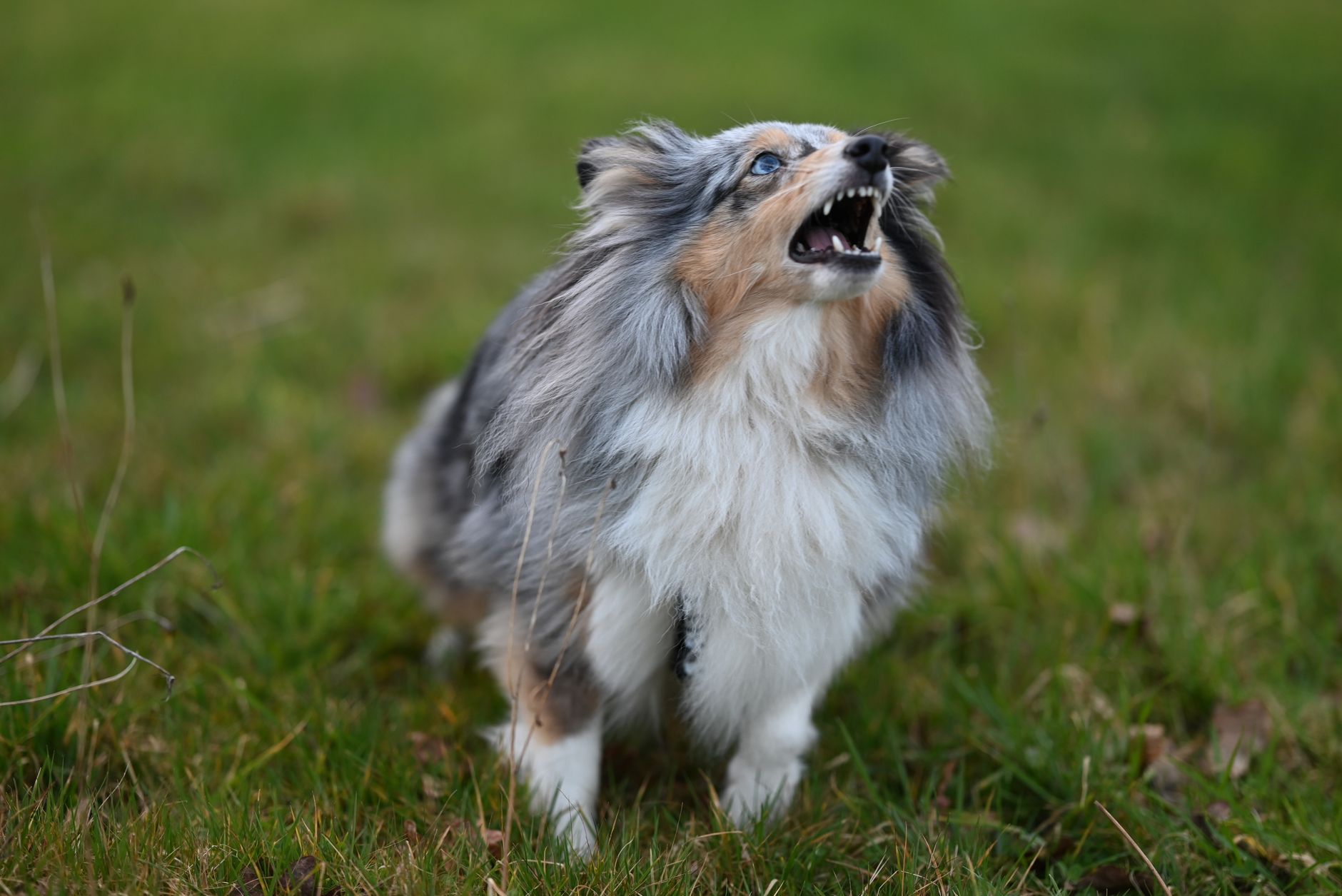
A dog’s bark is its primary means of communication. When a dog barks at a bear, it’s usually a combination of these instincts:
- Territorial defense: The dog perceives the bear as a threat to its home or territory.
- Prey drive: In some breeds, particularly those with a strong herding or hunting instinct, the bear may trigger a chase response.
- Alerting behavior: The dog is warning its owner (and possibly other dogs) of a potential danger.
- Fear aggression: The dog is scared and trying to scare the bear away.
The tone and intensity of the bark can also provide clues to the dog’s motivation. A high-pitched, frantic bark suggests fear, while a deep, guttural bark indicates aggression.
The Bear’s Point of View

Bears, unlike dogs, are generally solitary creatures and have a different set of priorities. Their reaction to a barking dog depends on several factors:
- Species: Black bears are typically more skittish and likely to run away, while grizzly bears are more likely to stand their ground, especially if they feel threatened or are protecting cubs.
- Habituation: Bears that are used to seeing humans and dogs may be less reactive than those that rarely encounter them.
- Food source: A bear preoccupied with a food source (e.g., berries, a carcass) is more likely to be aggressive if disturbed.
- Time of year: During hyperphagia (the period before hibernation), bears are focused on eating and less tolerant of disturbances.
- Presence of cubs: A mother bear with cubs is extremely protective and will likely attack to defend her young.
The Likely Scenarios
What happens if a dog barks at a bear? There are a few likely outcomes:
- The bear ignores the dog: This is more likely with black bears or habituated bears. The bear might simply continue foraging or moving through the area, ignoring the barking dog.
- The bear runs away: The dog’s barking startles the bear, causing it to flee. This is more common with smaller bears or those that are not feeling threatened.
- The bear stands its ground: The bear might stand tall, huff, or swat the ground to intimidate the dog. This is a warning sign that the bear is becoming aggressive.
- The bear attacks: If the bear feels threatened or is protecting its cubs, it may attack the dog. This can result in serious injury or death for the dog, and potentially for the owner if they try to intervene.
Minimizing the Risks
Prevention is always the best approach. Here’s how to reduce the risk of a negative encounter:
- Keep your dog on a leash: This allows you to control your dog’s behavior and prevent it from approaching a bear.
- Be aware of your surroundings: Look for signs of bear activity (tracks, scat, claw marks on trees).
- Make noise while hiking: This can alert bears to your presence and give them a chance to avoid you.
- Carry bear spray: Bear spray is a highly effective deterrent that can stop a bear attack.
- Train your dog: Teach your dog to obey commands such as “leave it” and “come” to help control its behavior in the presence of wildlife.
Understanding Bear Behavior
| Bear Species | Typical Reaction to Dogs | Level of Aggression | Habitat |
|---|---|---|---|
| Black Bear | Often runs away or ignores | Low | Woodlands, forests |
| Grizzly Bear | More likely to stand ground | High | Mountains, forests, open areas |
| Polar Bear | Potentially very aggressive | Very High | Arctic regions |
Conclusion
What happens if a dog barks at a bear? The outcome is highly variable, but in most cases, it poses a significant risk to the dog. Taking proactive steps to avoid bear encounters and training your dog to obey commands are essential for ensuring the safety of both you and your canine companion. Remember that responsible pet ownership includes protecting your dog from potential dangers in the wild.
Frequently Asked Questions (FAQs)
Will a bark scare a bear away?
Generally, yes, a loud, persistent bark can scare a black bear and cause it to move away, especially if the bear is young or hasn’t had frequent contact with humans. However, it is not a reliable deterrent and can actually provoke a negative reaction, especially from grizzly bears or mothers with cubs.
Is bear spray effective against all types of bears?
Bear spray is highly effective against most bear species, including black bears, grizzly bears, and brown bears. It works by causing temporary irritation to the bear’s eyes, nose, and throat, giving you time to retreat. However, its effectiveness depends on proper usage, including aiming accurately and deploying a sufficient cloud of spray.
Can my dog protect me from a bear?
While a dog may provide an early warning of a bear’s presence, it’s unrealistic to rely on your dog to protect you from a bear attack. A bear is far stronger and more powerful than even the largest dog. Your dog’s barking may actually attract the bear’s attention and put both of you in danger.
What if my dog chases a bear?
If your dog chases a bear, immediately call your dog back and use bear spray if the bear shows signs of aggression. It is crucial to keep your dog under control and prevent it from harassing the bear. The further your dog pursues the bear, the more likely it is that the bear will turn and attack.
What are the signs of an aggressive bear?
Signs of an aggressive bear include: standing on its hind legs, huffing or woofing, stomping its feet, snapping its jaws, and laying its ears back. If you observe any of these behaviors, immediately back away slowly while facing the bear and prepare to use bear spray.
Are some dog breeds more likely to provoke a bear attack?
Yes, dogs with strong prey drives or herding instincts may be more likely to chase or harass bears, increasing the risk of an attack. Breeds like Huskies, German Shepherds, and Australian Shepherds tend to be more prone to these behaviors.
What should I do if a bear attacks my dog?
If a bear attacks your dog, do not attempt to physically intervene. Instead, use bear spray to deter the bear and call your dog back as soon as it’s safe. Even if the dog is injured, approaching the bear could turn its focus onto you.
How can I train my dog to avoid bears?
You can train your dog to avoid bears by practicing recall commands in a safe, controlled environment and desensitizing it to the sights and sounds of wildlife. It’s also helpful to teach your dog a “leave it” command to prevent it from approaching potentially dangerous animals.
Is it ever okay to let my dog off-leash in bear country?
It is almost never okay to let your dog off-leash in bear country. The risk of a negative encounter is simply too high. Even a well-trained dog can be unpredictable when faced with a bear. Keeping your dog on a leash is the best way to protect both your dog and the bears.
What are the legal consequences of my dog harassing wildlife?
Many jurisdictions have laws against allowing dogs to harass wildlife. These laws are in place to protect both the animals and the public. Violations can result in fines, warnings, or even the seizure of your dog.
Should I carry a firearm for bear protection?
While some people choose to carry a firearm for bear protection, bear spray is generally considered to be more effective and safer. Using a firearm requires accuracy and can escalate the situation, potentially resulting in the bear’s death. Bear spray is a non-lethal option that allows you to defend yourself without harming the bear.
What happens if a dog barks at a bear and the owner is also present?
If a dog barks at a bear and the owner is also present, the owner must immediately take control of the situation. The owner should restrain the dog (preferably on a leash) and slowly back away from the bear, while keeping an eye on the animal’s behavior. It’s crucial to avoid running or making sudden movements, which could provoke the bear. Use bear spray if the bear acts aggressively.