

What Food To Give An Old Dog? A Senior Nutrition Guide
What food to give an old dog? The best diet for senior dogs emphasizes high-quality protein, moderate fats, and easily digestible carbohydrates tailored to their specific needs and potential health concerns.

Understanding the Nutritional Needs of Senior Dogs
As dogs age, their bodies undergo various changes that impact their nutritional requirements. Understanding these changes is crucial for selecting the appropriate food. These include:
- Slower Metabolism: Older dogs typically have a slower metabolism, meaning they require fewer calories to maintain a healthy weight.
- Decreased Muscle Mass: Sarcopenia, or age-related muscle loss, is common. Providing adequate protein is vital to combat this.
- Reduced Kidney Function: Kidney function often declines with age. Diets lower in phosphorus can help support kidney health.
- Dental Issues: Many senior dogs experience dental problems, making it difficult to chew hard kibble.
- Joint Problems: Arthritis and other joint issues are prevalent in older dogs. Nutritional support can help manage these conditions.
Key Nutrients for Senior Dogs: A Balanced Approach
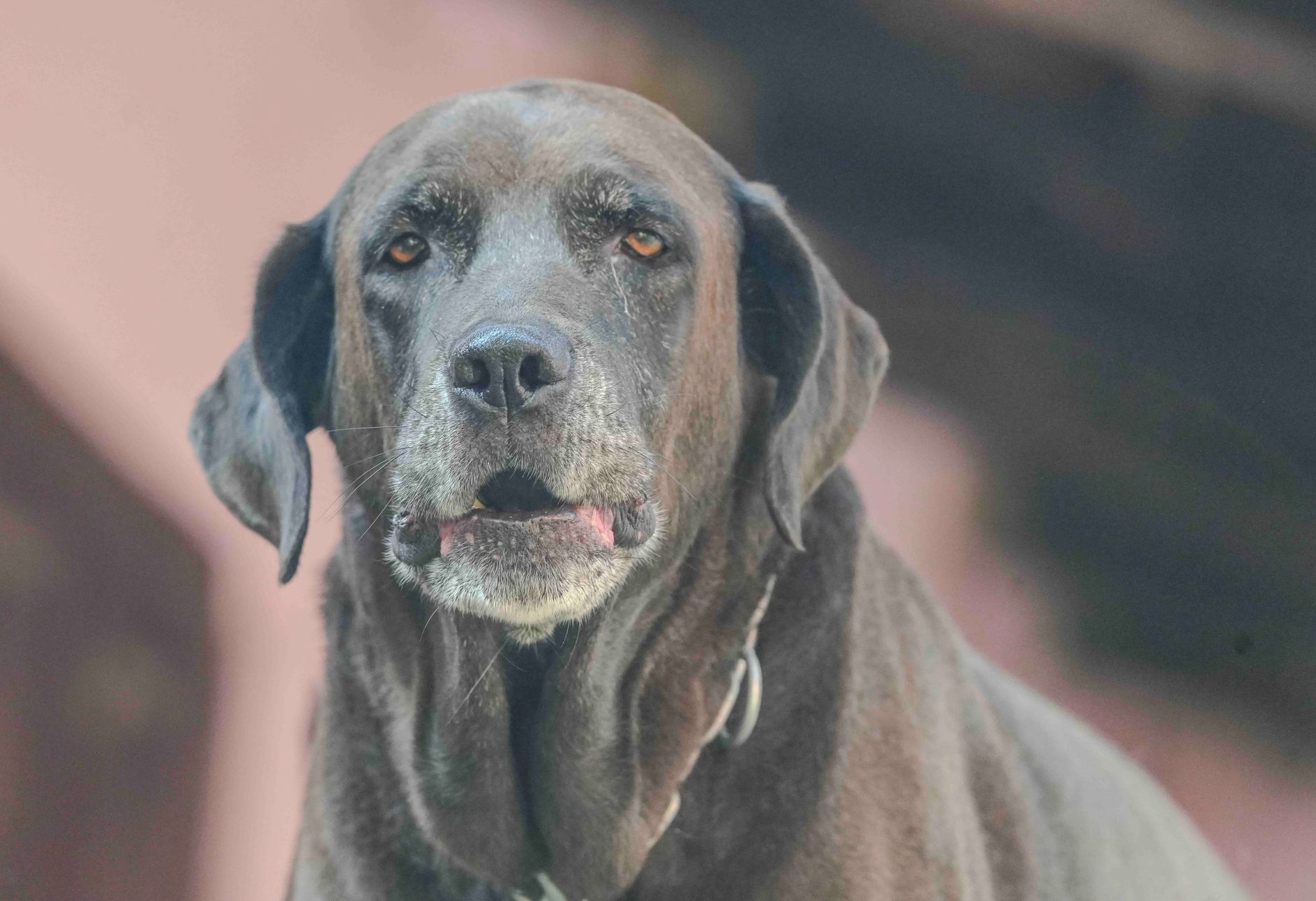
A well-balanced diet addresses the unique needs of aging dogs. Prioritize these key nutrients:
- Protein: High-quality protein is essential for maintaining muscle mass. Look for named meat sources like chicken, beef, or fish as the primary ingredient. Avoid foods that list meat by-products or unnamed animal proteins. Protein should be digestible and bioavailable.
- Fat: Moderate amounts of healthy fats provide energy and support skin and coat health. Omega-3 fatty acids, such as those found in fish oil, can help reduce inflammation and support joint health.
- Carbohydrates: Easily digestible carbohydrates, such as rice, oats, and potatoes, provide energy without causing digestive upset. Avoid foods with excessive amounts of fillers like corn or wheat.
- Fiber: Fiber supports digestive health and can help manage weight. Beet pulp and pumpkin are good sources of fiber.
- Vitamins and Minerals: Ensure the food contains a complete and balanced blend of vitamins and minerals. Supplements like glucosamine and chondroitin can support joint health.
Choosing the Right Food: Wet vs. Dry
Both wet and dry food have their pros and cons for senior dogs.
-
Dry Food (Kibble):
- Pros: Generally more economical, can help maintain dental health (if the kibble is designed for dental care), and easier to store.
- Cons: Can be difficult for dogs with dental problems to chew, may contain more fillers, and can be lower in moisture.
-
Wet Food (Canned):
- Pros: Easier to chew, higher in moisture content, and often more palatable. This makes it a good option for dogs with dental issues or decreased appetite.
- Cons: More expensive, shorter shelf life once opened, and may contribute to dental problems if not combined with dental care.
Many owners opt for a combination of wet and dry food to maximize the benefits of both. Consider moistening dry food with warm water or low-sodium broth to make it easier to chew and more palatable.
Ingredients to Avoid in Senior Dog Food
Certain ingredients are best avoided in senior dog food:
- Artificial Colors, Flavors, and Preservatives: These can cause allergies or sensitivities in some dogs.
- Excessive Fillers (Corn, Wheat, Soy): These offer little nutritional value and can be difficult to digest.
- By-Products: Unless specifically identified and of good quality, by-products can be less nutritious than named meat sources.
- High Salt Content: Excessive sodium can contribute to high blood pressure and other health problems.
Transitioning Your Dog to a Senior Food
When switching your dog to a senior food, do so gradually over 5-7 days to avoid digestive upset. Mix a small amount of the new food with the old food and gradually increase the proportion of the new food each day.
Common Mistakes When Feeding Senior Dogs
- Overfeeding: Senior dogs require fewer calories. Monitor your dog’s weight and adjust food portions accordingly.
- Ignoring Underlying Health Conditions: Consult with your veterinarian to address any health concerns, such as kidney disease or diabetes, and choose a food that meets those specific needs.
- Failing to Provide Fresh Water: Ensure your dog always has access to fresh, clean water, especially if they are eating dry food.
- Not Adjusting Food Based on Activity Level: Reduce portion sizes if your dog is less active.
- Neglecting Dental Health: Provide dental chews or brush your dog’s teeth regularly to prevent dental problems.
Sample Meal Plan
Here is a sample meal plan. Always consult with your veterinarian before making drastic changes.
| Meal | Example | Notes |
|---|---|---|
| Breakfast | 1/2 cup Senior Dry Kibble | Moisten with warm water if needed. Consider adding a probiotic supplement. |
| Mid-Day | Small Dental Chew | To help maintain dental health. Supervise your dog while chewing. |
| Dinner | 1/2 can Senior Wet Food | Choose a formula appropriate for your dog’s weight and activity level. |
| Before Bed | Small amount of cottage cheese | Adds a small amount of protein and many dogs love it. |
The Importance of Veterinary Consultation
It’s crucial to consult with your veterinarian to determine the best food for your individual dog. Your vet can assess your dog’s overall health, identify any underlying conditions, and recommend a diet tailored to their specific needs. Your vet knows what food to give an old dog based on its unique medical history.

Frequently Asked Questions (FAQs)
What are the signs that my dog needs senior food?
Signs that your dog may benefit from senior food include decreased activity level, weight gain or loss, dental problems, stiffness or joint pain, and digestive issues. A vet checkup can help confirm if a switch is appropriate.
How do I know if my dog food is high quality?
Look for named meat sources as the primary ingredient, avoid artificial additives and fillers, and ensure the food meets AAFCO standards for complete and balanced nutrition. Research the brand’s reputation.
Can I make my own dog food for my senior dog?
Homemade diets can be nutritious, but it’s crucial to work with a veterinary nutritionist to ensure they are properly balanced and meet your dog’s specific needs. Improperly balanced homemade diets can be harmful. Consult an expert for safety.
Are grain-free diets better for senior dogs?
Grain-free diets are not necessarily better for all senior dogs. Some dogs may benefit from them, especially if they have grain sensitivities. However, grains can be a healthy source of carbohydrates for many dogs. Discuss with your vet.
Should I supplement my senior dog’s diet?
Supplements like glucosamine, chondroitin, omega-3 fatty acids, and probiotics may benefit some senior dogs. Discuss the need for supplements with your veterinarian. Do not self-prescribe.
My senior dog is losing weight. What should I do?
Weight loss in senior dogs can be a sign of underlying health problems. Consult your veterinarian to rule out any medical conditions and discuss appropriate dietary adjustments. Increasing protein and calories may be necessary.
My senior dog is gaining weight. What should I do?
Reduce portion sizes and increase your dog’s activity level if possible. Choose a food that is lower in calories and higher in fiber. Consult your veterinarian to rule out any underlying medical conditions. Carefully monitor food intake.
What if my senior dog is a picky eater?
Try warming the food, adding a small amount of low-sodium broth, or mixing in some wet food to make it more palatable. Offer a variety of different foods to see what your dog prefers. Rule out medical problems first.
How often should I feed my senior dog?
Two smaller meals per day are often better than one large meal, especially for senior dogs with digestive issues. This can help prevent bloat and improve nutrient absorption.
What kind of treats are safe for senior dogs?
Choose treats that are soft, easily digestible, and low in calories. Avoid treats with artificial colors, flavors, and preservatives. Small pieces of cooked chicken or vegetables can be healthy options.
Can I give my senior dog human food?
Some human foods are safe for dogs in moderation, such as plain cooked chicken, rice, and certain vegetables. However, avoid giving your dog foods that are toxic to dogs, such as chocolate, grapes, onions, and garlic. Always research before offering.
How do I know if the food is helping my senior dog?
Monitor your dog’s overall health and well-being. Look for improvements in energy level, coat condition, digestion, and weight. Regular veterinary checkups can help assess the effectiveness of the diet. Watch for any adverse reactions, too.