

What Environment Do Fish Like? Understanding Optimal Aquatic Habitats
Fish thrive in environments offering a delicate balance of essential elements. The ideal fish environment depends on the species, but generally includes clean water, appropriate temperature, sufficient oxygen, suitable food sources, and shelter from predators, all contributing to a healthy and thriving aquatic ecosystem and answering the question: What environment do fish like?

Understanding the Diverse Needs of Fish
Fish are incredibly diverse, inhabiting virtually every aquatic environment on Earth, from icy Arctic waters to steaming tropical rivers. Therefore, no single environment suits all fish. However, understanding some fundamental principles can guide you in creating or assessing suitable habitats.
Key Factors for a Thriving Fish Habitat
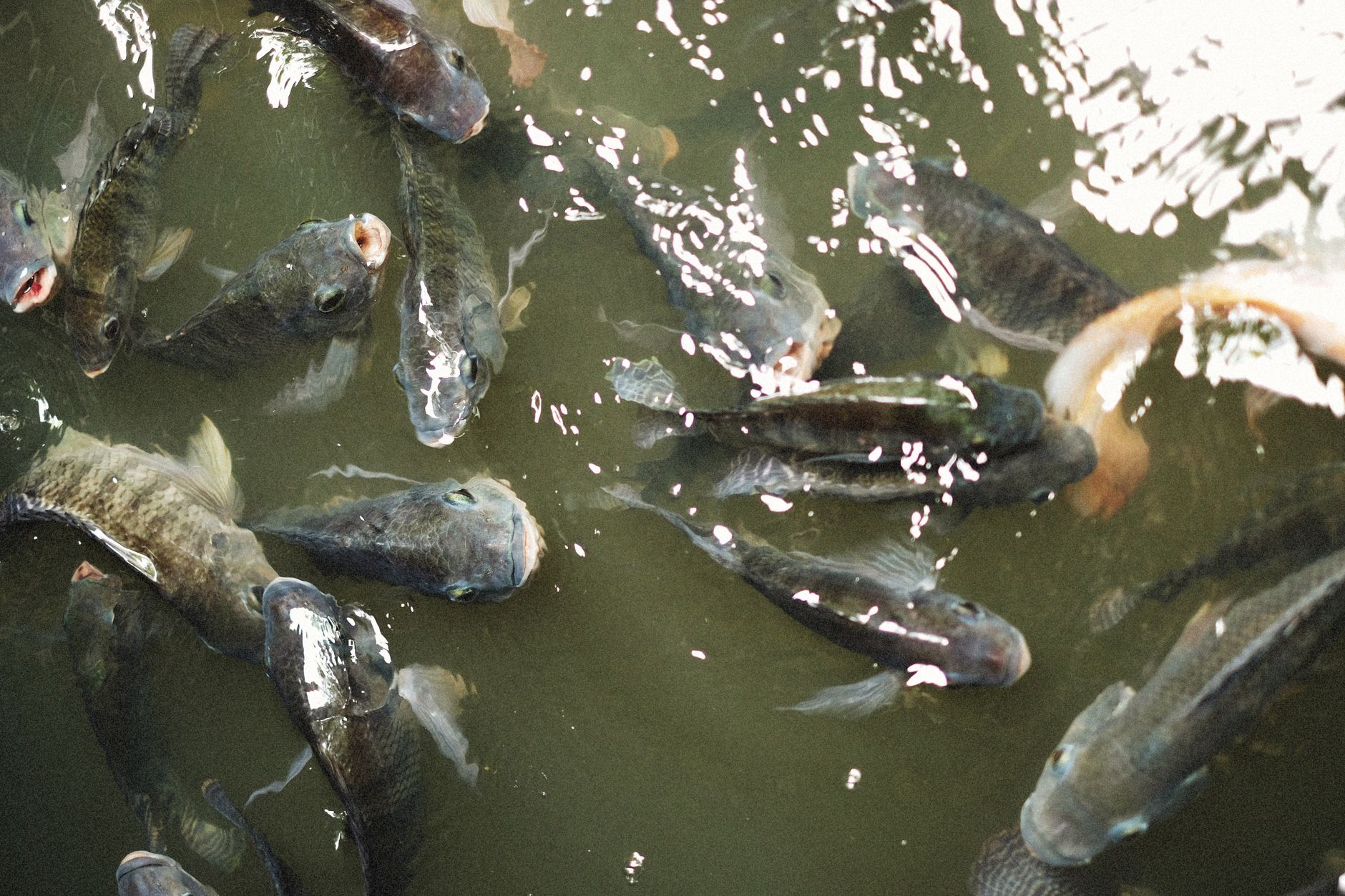
Creating an optimal environment for fish involves considering several crucial factors that interact to determine their overall well-being. These factors include:
- Water Quality: Clean and well-maintained water is paramount. This includes parameters like pH, ammonia, nitrite, and nitrate levels.
- Temperature: Each fish species has a preferred temperature range. Maintaining this range is critical for metabolism, growth, and reproduction.
- Oxygen Levels: Dissolved oxygen is essential for fish respiration. Adequate oxygenation is often achieved through aeration and healthy aquatic plants.
- Food Availability: Fish require a consistent supply of appropriate food, whether it’s plant matter, insects, crustaceans, or other fish.
- Shelter and Hiding Places: Providing structures like rocks, plants, and driftwood gives fish a sense of security and protects them from predators.
- Light: Light cycles and intensity influence fish behavior, reproduction, and feeding patterns.
The Importance of Water Chemistry
Water chemistry is arguably the most crucial aspect of a fish’s environment. Improper parameters can lead to stress, disease, and even death. The following parameters are especially important:
-
pH: The pH scale measures acidity or alkalinity. Most freshwater fish thrive in a pH range of 6.5 to 7.5, while marine fish require a slightly alkaline pH around 8.0 to 8.3. Maintaining stable pH is vital.
-
Ammonia, Nitrite, and Nitrate: These nitrogenous compounds are produced as waste products. Ammonia and nitrite are highly toxic and must be converted to less harmful nitrate through biological filtration. Regular water changes and effective filtration are essential.
-
Hardness: Water hardness refers to the concentration of minerals like calcium and magnesium. Some fish prefer hard water, while others prefer soft water.


Temperature Considerations
Temperature directly affects fish metabolism and physiology. Fish are cold-blooded, meaning their body temperature is dependent on the surrounding water. The ideal temperature range varies depending on the species.
- Tropical Fish: Typically require temperatures between 75°F (24°C) and 82°F (28°C).
- Temperate Fish: Thrive in cooler temperatures, generally between 65°F (18°C) and 75°F (24°C).
- Coldwater Fish: Can tolerate even lower temperatures, often below 65°F (18°C).
Oxygenation: Breathing Underwater
Fish obtain oxygen from the water through their gills. Adequate oxygenation is crucial for their survival. Factors that affect oxygen levels include:
- Temperature: Warmer water holds less dissolved oxygen than colder water.
- Surface Agitation: Wave action and aeration increase oxygen absorption from the atmosphere.
- Aquatic Plants: Plants produce oxygen through photosynthesis during the day.
- Decomposition: Decaying organic matter consumes oxygen.
The Role of Habitat Structures
Providing shelter and hiding places is essential for creating a stress-free environment for fish. Structures like rocks, plants, and driftwood offer protection from predators and create territories. These structures also provide surfaces for beneficial bacteria to colonize, contributing to water quality.
Food Sources: Meeting Nutritional Needs
Fish require a balanced diet that meets their specific nutritional needs. This varies greatly depending on the species.
- Herbivores: Primarily eat plant matter, such as algae and aquatic plants.
- Carnivores: Feed on other fish, insects, and crustaceans.
- Omnivores: Consume both plant and animal matter.
Light and Darkness
Light is often overlooked, but appropriate lighting is essential for many fish. Plants, for instance, need it for photosynthesis. Light also drives several behaviors like spawning and feeding.
Frequently Asked Questions (FAQs)
What water temperature is best for tropical fish?
Tropical fish generally thrive in water temperatures between 75°F (24°C) and 82°F (28°C). Maintaining this temperature range is crucial for their metabolism, growth, and overall health. Remember to research the specific needs of the particular tropical fish species you’re caring for, as some may prefer slightly warmer or cooler temperatures within this range.
How often should I change the water in my fish tank?
The frequency of water changes depends on the size of the tank, the number of fish, and the effectiveness of your filtration system. A general guideline is to change 25-50% of the water every 2-4 weeks. Regularly test the water for ammonia, nitrite, and nitrate levels to determine if more frequent water changes are necessary.
What is the ideal pH level for freshwater fish?
Most freshwater fish thrive in a slightly acidic to neutral pH range, typically between 6.5 and 7.5. However, some species may prefer slightly different pH levels, so it’s essential to research the specific requirements of the fish you’re keeping. Stable pH is also more important than chasing an ideal value.
How can I increase the oxygen level in my fish tank?
There are several ways to increase the oxygen level in your fish tank. These include using an air pump and air stone, adding live plants, and ensuring adequate surface agitation. Regularly cleaning the tank to remove decaying organic matter can also help.
What type of filter is best for a fish tank?
The best type of filter for a fish tank depends on the size of the tank and the types of fish you’re keeping. Common filter types include hang-on-back filters, canister filters, and sponge filters. Canister filters are typically the most effective for larger tanks, while sponge filters are a good option for smaller tanks or breeding tanks.
What are some good plants to put in a fish tank?
Several aquatic plants are beneficial for fish tanks, including Java moss, Anubias, Amazon swords, and water wisteria. These plants provide shelter, oxygenate the water, and help to remove nitrates.
How do I know if my fish are stressed?
Signs of stress in fish include loss of appetite, lethargy, hiding excessively, clamped fins, and erratic swimming. If you observe these signs, check the water parameters, temperature, and oxygen levels.
What is the nitrogen cycle in a fish tank?
The nitrogen cycle is the natural process by which harmful ammonia produced by fish waste is converted to less harmful nitrate by beneficial bacteria. This process is essential for maintaining a healthy aquarium environment.
Can I use tap water in my fish tank?
Tap water can be used in a fish tank, but it must be treated with a water conditioner to remove chlorine and chloramine, which are toxic to fish. Always test the water parameters after adding tap water.
What is the best way to clean a fish tank?
To clean a fish tank, siphon the gravel to remove debris, scrub the algae off the glass, and perform a partial water change. Avoid using soap or detergents, as they can be harmful to fish. Only rinse filter media if absolutely necessary in old tank water and never replace all of the filter media at once.
What environment do fish like regarding social interaction?
Different species have drastically different social needs. Some prefer to be alone and will become aggressive with others, while others thrive in shoals or schools. Researching the particular fish is crucial to understanding its social needs.
What factors besides water quality and temperature play a role in “what environment do fish like?”
Beyond water quality and temperature, other factors impacting “what environment do fish like” include lighting, current, substrate type, available hiding places, and overall tank size. Mimicking the natural habitat of the specific fish species is essential.