
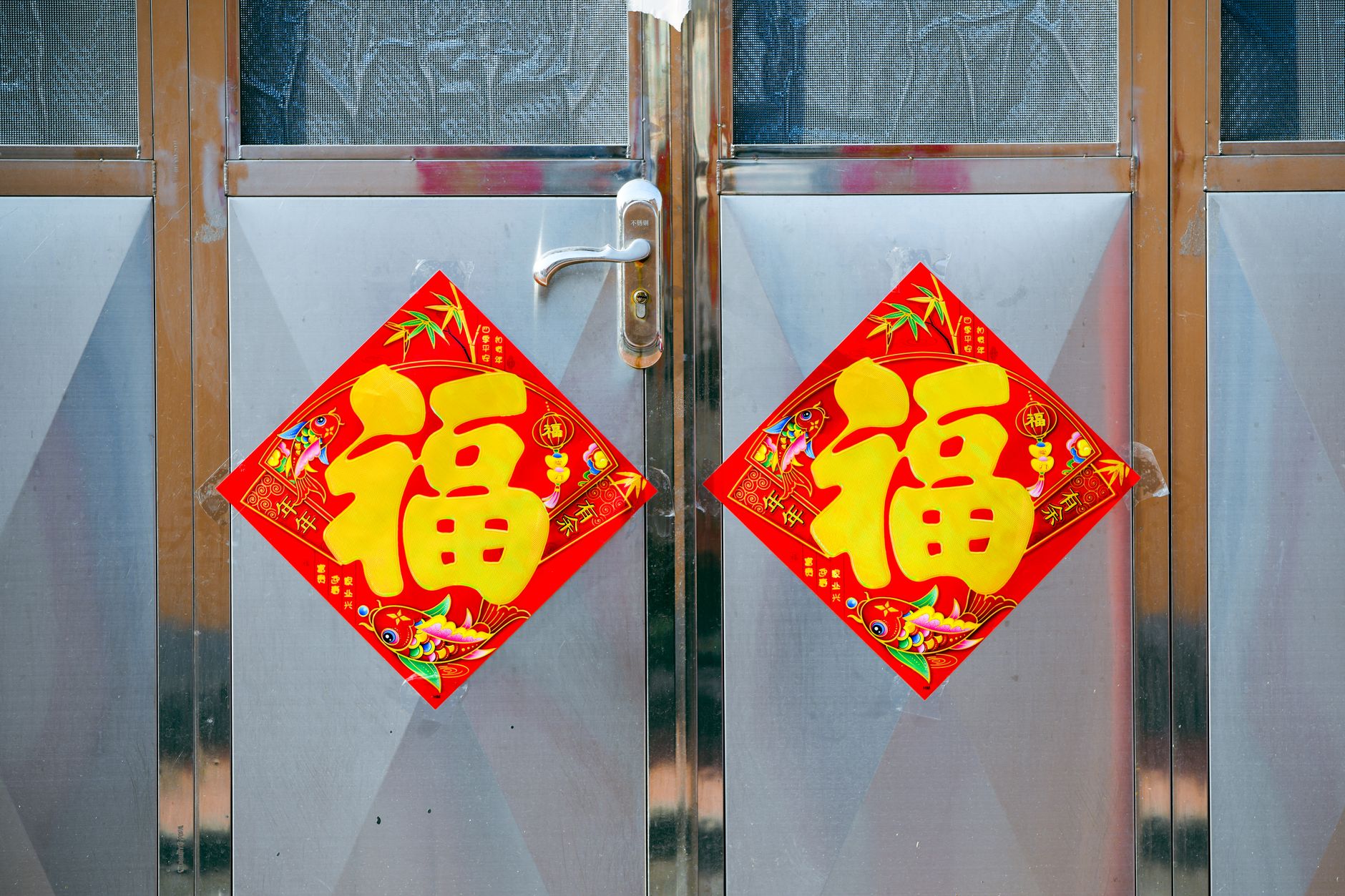
Two Fish: Unraveling the Symbolism in Chinese Culture
The image of two fish in Chinese culture is profoundly symbolic, representing marital harmony, abundance, and fertility. Understanding this symbolism offers a glimpse into the rich tapestry of Chinese beliefs and traditions.

Introduction: Deeper Than Just Seafood
The image of fish, and particularly two fish, resonates deeply within Chinese culture. Far from being merely a source of sustenance, fish have evolved into powerful symbols imbued with layers of meaning. These meanings are interwoven with language, mythology, and the practical realities of a society historically reliant on agriculture and fishing. What does two fish symbolize in Chinese? It’s a question that opens a door to understanding enduring values and aspirations within Chinese society. This article will explore the multifaceted symbolism of two fish, illuminating its presence in art, language, and daily life.
Linguistic Connections: Yu (魚) and Its Multiple Meanings

The Chinese language plays a crucial role in understanding the symbolism of fish. The word for fish, yu (魚), is a homophone for abundance and surplus (余). This linguistic connection is fundamental to the positive associations surrounding fish imagery. When two fish are depicted, the symbolism is amplified, representing not just general abundance, but specifically, the abundance shared within a marriage. This double meaning is a cornerstone in deciphering what does two fish symbolize in Chinese?
Representing Marital Harmony and Fertility
One of the most prominent interpretations of two fish is their representation of marital harmony. The pair signifies the perfect union, characterized by mutual respect, love, and understanding. This symbol is frequently employed in wedding decorations, gifts, and even names. Furthermore, fish are associated with fertility due to their prolific reproduction. Two fish, therefore, underscore the wish for a couple to have many children, ensuring the continuation of the family line. This specific aspect of fertility is critical to understand fully what does two fish symbolize in Chinese?
Koi Fish: A Symbol of Perseverance and Success
While any two fish can carry symbolic weight, koi fish hold a particularly esteemed position. Koi are known for their ability to swim upstream against strong currents, symbolizing perseverance, strength, and the overcoming of obstacles. The legend of the koi transforming into a dragon upon reaching the top of a waterfall further enhances their association with success and achievement. Consequently, two koi fish together represents not only marital bliss and fertility but also the couple’s combined ability to overcome challenges and achieve great things.
The Yin and Yang of Two Fish
The concept of Yin and Yang, representing the balance of opposing forces, can also be linked to the symbolism of two fish. The two fish can be seen as embodying this principle, each complementing the other, creating a harmonious whole. This interpretation emphasizes the importance of balance and interdependence within a marriage.
Fish Motifs in Art and Decoration
The symbolism of fish, especially two fish, is prominently featured in Chinese art and decoration.
- Paintings: Often depict two fish swimming together, symbolizing the couple’s journey through life.
- Embroidery: Used in wedding garments and household items to invoke blessings of marital harmony and fertility.
- Jade and Porcelain: Fish motifs are commonly found in these materials, serving as enduring symbols of good fortune and happiness.
- Paper Cuttings: A traditional art form, often featuring two fish during festive occasions, especially weddings.
The prevalence of these motifs underscores the deep-seated belief in the positive influence of the two-fish symbol. Therefore, observing how visual arts depict this can assist understanding what does two fish symbolize in Chinese?
Beyond Marriage: Broader Interpretations
While primarily associated with marriage, the symbolism of two fish can also extend to broader concepts:
- Harmony in Relationships: Representing balance and mutual understanding in any relationship, not just romantic ones.
- Double the Fortune: Suggesting an abundance of good luck and prosperity.
- Continuity and Lineage: Symbolizing the continuation of tradition and family heritage.
These interpretations highlight the versatility of the symbol and its relevance to various aspects of Chinese life.
Common Misconceptions about Fish Symbolism
- All fish are created equal: Koi fish carry more weight due to their associated legends and characteristics. Not all fish types have same weight of symbolism.
- Negative symbolism is nonexistent: While generally positive, context matters. Poorly depicted or negatively symbolic accompanying imagery can alter the meaning.
- Solely about marriage: While central, it extends to broader notions of harmony and abundance.
Understanding these misconceptions helps to appreciate the nuance and complexity of fish symbolism in Chinese culture.

Frequently Asked Questions (FAQs)
What specific types of fish are most commonly used to represent this symbolism?
Koi fish are the most prevalent and symbolically rich. Other types, like mandarin fish, can also be used, particularly in specific regional traditions or when referencing particular stories. However, koi fish are considered exceptionally auspicious.
How is the direction in which the fish are swimming interpreted?
If they’re swimming in the same direction, it represents a couple moving together in life with a unified purpose. If they are facing each other, it can symbolize balance and harmony, representing a strong and equal partnership.
Does the color of the fish affect the symbolism?
Yes, especially with koi fish. Gold koi represent wealth and prosperity, red koi symbolize good fortune and strength, and black koi can symbolize overcoming adversity. The colours chosen contribute to illustrating what does two fish symbolize in Chinese?
Is the two-fish symbol more prevalent in certain regions of China?
While the symbolism is prevalent throughout China, certain regions, particularly those with strong fishing traditions, may exhibit more elaborate expressions of the symbol in local art and customs.
Are there any taboos associated with the two-fish symbol?
Generally, the symbolism is positive. However, depicting the fish in a negative or disrespectful manner could be seen as inauspicious. Avoid displaying images that show the fish in distress or dying.
How does the two-fish symbol relate to other auspicious symbols in Chinese culture?
It frequently appears alongside other auspicious symbols, such as dragons, phoenixes, and peonies, to amplify the blessings of marital harmony, fertility, and prosperity.
What’s the historical origin of this symbolism?
The roots of this symbolism trace back to ancient agricultural societies where abundance and fertility were vital for survival. The connection between yu (fish) and abundance further solidified the association.
How is the two-fish symbol used in Chinese weddings today?
It is often incorporated into wedding decorations, gifts exchanged between the couple, and even in the wedding banquet menu. These elements all serve to invoke blessings on the marriage.
Can the two-fish symbol be used for same-sex couples?
While traditionally associated with heterosexual marriage, the core principles of harmony, balance, and mutual support can be applied to any committed relationship, making the symbol increasingly relevant for same-sex couples seeking blessings of happiness and prosperity.
Is there any connection between this symbolism and feng shui?
Yes, in feng shui, placing images or objects featuring two fish in the relationship area of a home is believed to enhance harmony and strengthen the bond between partners.
How does the number of fish depicted affect the symbolism?
While two fish are most common for representing marital harmony, other numbers can also carry meaning. For instance, nine fish are associated with long-lasting prosperity. Understanding how numbers influence Chinese symbolism is key when researching what does two fish symbolize in Chinese?
Where else can one find the two fish symbol other than in art and decoration?
It can be found in names, poetry, and even in folk songs and stories. The symbol is deeply ingrained in various aspects of Chinese culture beyond visual representations.