
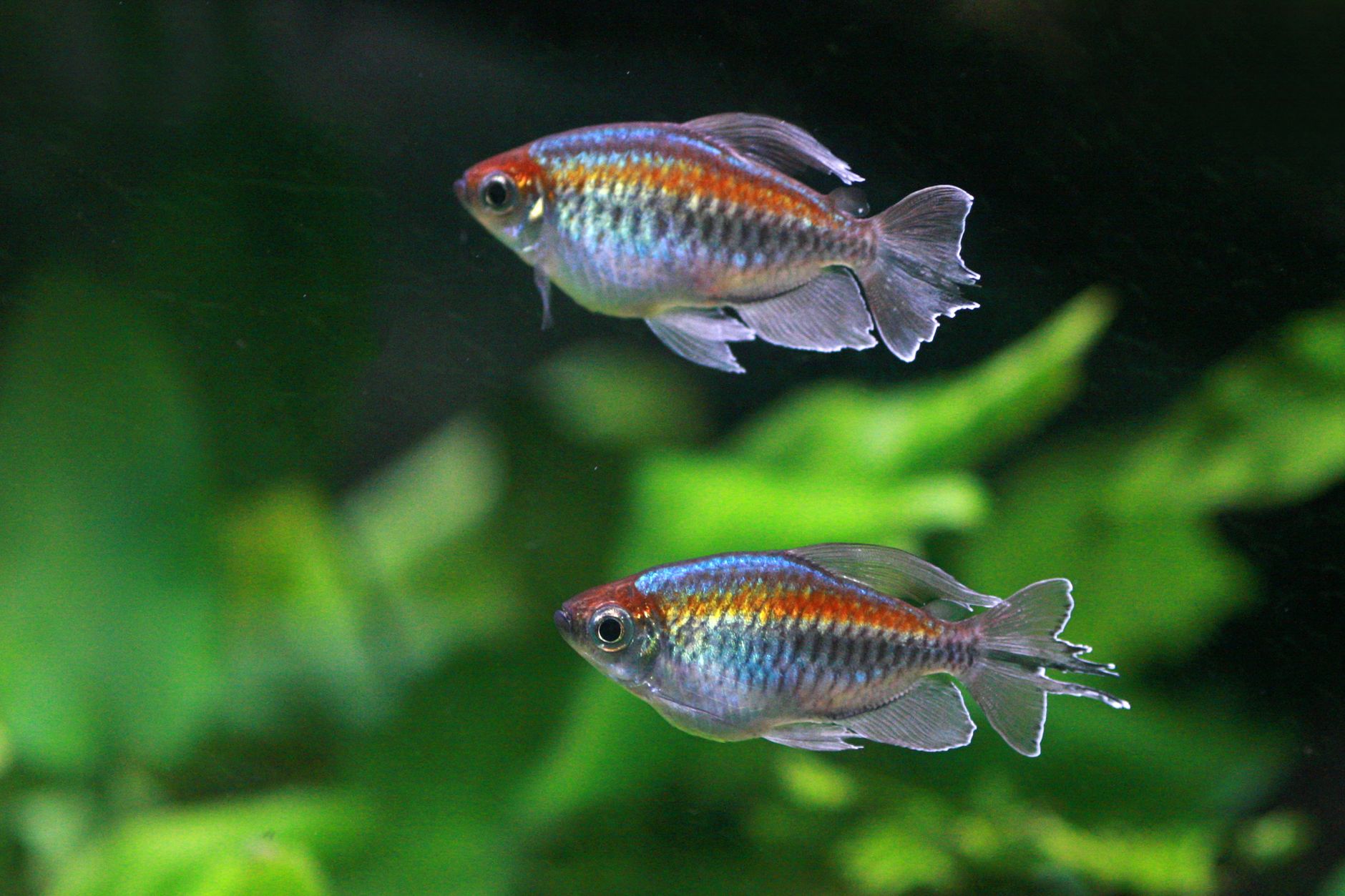
Neon Tetra Fin Rot: A Comprehensive Guide
What does neon tetra fin rot look like? Fin rot in neon tetras manifests as a distinct degradation of the fins, initially appearing as ragged edges, discoloration, or a milky white fringe, and can progress to complete fin erosion if left untreated.

Understanding Fin Rot in Neon Tetras
Neon tetras, with their vibrant colors, are a popular choice for aquarium enthusiasts. However, these delicate fish are susceptible to various diseases, including fin rot. Understanding what does neon tetra fin rot look like? is crucial for early detection and treatment, preventing further harm to your aquatic companions. Fin rot is not a disease in itself, but rather a symptom of a bacterial or fungal infection that thrives in poorly maintained aquariums.
Causes of Fin Rot
Several factors contribute to the development of fin rot in neon tetras:
- Poor Water Quality: The most common cause is inadequate water parameters, including high levels of ammonia, nitrites, and nitrates. These toxins stress the fish and weaken their immune systems.
- Overcrowding: Overcrowded tanks increase stress and the buildup of waste, creating an ideal environment for opportunistic pathogens.
- Injury: A pre-existing fin injury provides an entry point for bacteria and fungi.
- Stress: Stress from temperature fluctuations, aggressive tankmates, or improper handling can compromise the fish’s immunity.
Identifying Fin Rot: Visual Symptoms
Recognizing the early signs of fin rot is essential for effective treatment. What does neon tetra fin rot look like? Here’s a breakdown of the progression of the disease:
- Early Stage:
- Ragged edges on the fins.
- Slight discoloration along the fin margins.
- A milky white or translucent fringe at the edges of the fins.
- Intermediate Stage:
- More significant fin erosion, with the fin tissue receding.
- Redness or inflammation at the base of the fins.
- Cloudy or fuzzy growth on the fins.
- Advanced Stage:
- Severe fin loss, potentially reaching the body.
- Lethargy and loss of appetite.
- Fungal or bacterial colonies visible on the body.
- Secondary infections may occur.
It’s important to distinguish fin rot from fin nipping, where other fish in the tank bite at the fins. Fin nipping usually results in cleaner, more defined cuts, whereas fin rot presents with ragged, decaying edges.
Treatment and Prevention
Treating fin rot requires addressing the underlying cause and providing supportive care. Here are the key steps:
- Water Change: Perform a large water change (25-50%) to reduce ammonia, nitrites, and nitrates.
- Quarantine: Isolate the affected neon tetras in a quarantine tank to prevent the spread of infection.
- Medication: Treat the infected fish with an appropriate antibacterial or antifungal medication. Common options include:
- Antibiotics: Maracyn, Tetracycline
- Antifungals: Pimafix, Melafix (use with caution, as they can affect labyrinth organs in some fish)
- Improve Water Quality: Maintain optimal water parameters by:
- Regular water changes (25% weekly).
- Proper filtration.
- Avoiding overcrowding.
- Monitor: Closely monitor the fish for improvement and adjust treatment as needed.
Prevention is always better than cure. To prevent fin rot:
- Maintain excellent water quality through regular water changes and proper filtration.
- Avoid overcrowding the tank.
- Provide a balanced diet and reduce stress for your neon tetras.
- Quarantine new fish before introducing them to the main tank.
Comparison of Fin Rot Stages
| Stage | Appearance | Symptoms |
|---|---|---|
| Early | Ragged edges, slight discoloration, milky fringe | Mild fin degradation |
| Intermediate | Increased fin erosion, redness at the base, cloudy growth | Noticeable fin loss, inflammation |
| Advanced | Severe fin loss, potential body involvement | Lethargy, loss of appetite, secondary infections |
Medications for Fin Rot
| Medication | Type | Use | Caution |
|---|---|---|---|
| Maracyn | Antibiotic | Bacterial fin rot | Can disrupt biological filtration |
| Tetracycline | Antibiotic | Bacterial fin rot | Can stain tank decorations |
| Pimafix | Antifungal | Fungal fin rot | May not be effective for severe infections |
| Melafix | Antibacterial | Mild bacterial infections, fin regeneration | Can affect labyrinth organs in some fish; use with caution |

Frequently Asked Questions About Neon Tetra Fin Rot
What exactly causes fin rot in neon tetras?
Fin rot is typically caused by bacterial or fungal infections that take hold when the fish’s immune system is weakened. Poor water quality is the most common culprit, with high levels of ammonia, nitrites, and nitrates creating a toxic environment. Other contributing factors include stress from overcrowding, temperature fluctuations, or injury.
How quickly can fin rot progress in neon tetras?
The progression of fin rot can vary depending on the severity of the infection and the fish’s overall health. In some cases, the disease can progress rapidly, leading to significant fin loss within a few days. In other cases, the progression may be slower, taking several weeks to develop into a more severe condition. Early detection and treatment are crucial to prevent the infection from spreading and causing further damage.
Can fin rot be contagious to other fish in the tank?
Yes, fin rot can be contagious, especially if the underlying cause is poor water quality affecting all the fish. If one fish develops fin rot, it’s likely that other fish in the tank are also susceptible, particularly if their immune systems are compromised. Quarantining the affected fish and addressing the water quality issues are essential to prevent the spread of infection.
What are the key differences between fin rot and fin nipping?
Fin rot and fin nipping can sometimes be confused, but there are key differences. Fin rot is caused by bacterial or fungal infections, leading to ragged, decaying fin edges. Fin nipping, on the other hand, is a behavioral issue where other fish bite at the fins, resulting in cleaner, more defined cuts. Understanding the difference is crucial for proper diagnosis and treatment.
Is it possible for a neon tetra to recover completely from fin rot?
Yes, with early detection and appropriate treatment, neon tetras can often recover completely from fin rot. Fins can regenerate over time, although severely damaged fins may not fully regrow. Maintaining excellent water quality and providing supportive care during the recovery process is crucial.
How often should I perform water changes to prevent fin rot?
Regular water changes are essential for preventing fin rot. As a general guideline, perform 25% water changes weekly. However, the frequency and volume of water changes may need to be adjusted depending on the size of the tank, the number of fish, and the effectiveness of the filtration system. Regularly test the water parameters to ensure they are within optimal ranges.
What are the ideal water parameters for neon tetras to prevent fin rot?
Neon tetras thrive in slightly acidic water with a pH between 6.0 and 7.0. The water temperature should be maintained between 72°F and 78°F (22°C and 26°C). Ammonia and nitrite levels should be at 0 ppm, and nitrate levels should be kept below 20 ppm.
Are there any natural remedies for treating fin rot in neon tetras?
While some hobbyists advocate for natural remedies like Indian almond leaves or tea tree oil, these are generally considered supportive treatments rather than primary cures. These natural remedies can help to reduce stress, improve water quality, and provide mild antibacterial or antifungal properties. However, for severe cases of fin rot, medication is usually necessary.
Can I use aquarium salt to treat fin rot in neon tetras?
Aquarium salt can be used as a supportive treatment for fin rot, but it’s not a cure. Salt can help to reduce stress and improve the fish’s immune system. However, neon tetras are sensitive to salt, so use it sparingly. Start with a low concentration (1 teaspoon per 5 gallons) and monitor the fish closely for any adverse reactions.
What types of medications are most effective for treating fin rot?
The choice of medication depends on whether the fin rot is caused by bacteria or fungi. Antibiotics like Maracyn and Tetracycline are effective for bacterial infections. Antifungal medications like Pimafix and Melafix can be used for fungal infections. Always follow the manufacturer’s instructions carefully and monitor the fish for any side effects.
How long does it typically take to see improvement after starting treatment for fin rot?
You should typically start to see improvement within a few days of starting treatment. The fin margins may appear less ragged, and the redness or inflammation should begin to subside. However, it may take several weeks for the fins to fully regenerate. Continue treatment until the infection is completely resolved, even if the fish appears to be improving.
What happens if fin rot is left untreated?
If fin rot is left untreated, it can progress to a severe and potentially fatal condition. The infection can spread to the body, causing systemic illness and organ damage. Secondary infections may also develop, further complicating the condition. In severe cases, the fish may die from septicemia or organ failure.