

Deciphering the Magpie’s Vocalizations: What Does It All Mean?
Magpie vocalizations are complex, with different calls conveying various messages, from warnings and territorial claims to social bonding and playful interactions; understanding these nuances allows us to better interpret the behavior of these intelligent and fascinating birds, ultimately revealing what it means when a magpie makes a sound.
Introduction: The Magpie’s Symphony
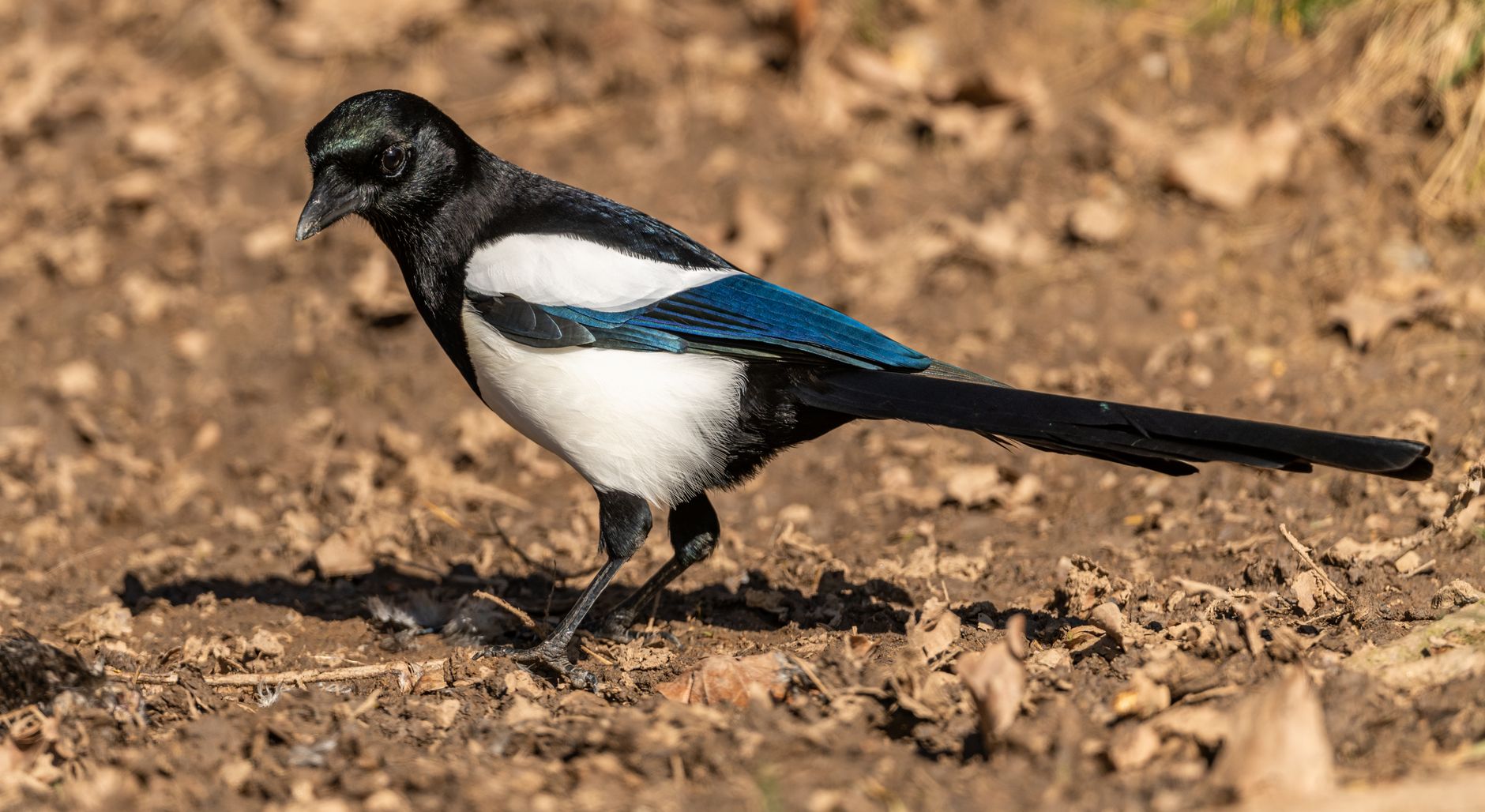
The European magpie ( Pica pica) is a remarkably intelligent and social bird. Known for its striking black and white plumage and notorious reputation for collecting shiny objects, the magpie communicates in a complex language of vocalizations. What does it mean when a magpie makes a sound? It’s a question that delves into the fascinating world of avian communication and reveals a surprising level of sophistication. Decoding the magpie’s calls allows us to understand its social dynamics, territorial boundaries, and responses to its environment.
Understanding Magpie Vocalizations: A Diverse Repertoire

Magpies are not simply noisy birds; their sounds are nuanced and purposeful. They use a range of calls to communicate various messages, including:
- Alarm calls: Alerting others to danger.
- Territorial calls: Defending their territory.
- Contact calls: Maintaining contact with flock members.
- Begging calls: Used by young birds to solicit food.
- Subsong: Quiet practice song, often heard from young birds.
- Duetting: Coordinated vocalizations between mates.
The Common “Chatter” and its Meanings
The most recognizable magpie sound is its rapid, chattering call. This call, often described as a series of harsh “chak-chak-chak” sounds, can have several meanings depending on the context. Generally, the intensity and frequency of the chatter reflect the urgency of the situation.
- Warning Call: A loud, rapid chatter typically indicates the presence of a predator, such as a cat, fox, or bird of prey. This is the most common interpretation of what it means when a magpie makes a sound in this manner.
- Territorial Defense: The chatter can also be used to defend territory against intruding magpies or other birds.
- Social Alert: A less intense chatter can simply signal the presence of other magpies in the area or serve as a general alert to potential disturbances.
Beyond the Chatter: Other Key Vocalizations
While the chattering call is prominent, magpies also use other vocalizations to communicate.
- Whistles: Softer, melodic whistles are often used during courtship or to maintain contact within the flock.
- Guttural Calls: Deep, guttural sounds can indicate aggression or dominance.
- Quiet Warbles: These are often heard during subsong or private communication between mates.
The Context Matters: Interpreting Magpie Communication
What does it mean when a magpie makes a sound? Context is crucial to understanding the meaning behind a magpie’s vocalizations. Observing the magpie’s behavior and the surrounding environment can provide valuable clues. For example:
- Is the magpie perched high in a tree, scanning the surroundings? This suggests a warning call.
- Is the magpie facing another bird with ruffled feathers? This suggests territorial defense.
- Is the magpie interacting with other magpies in a relaxed manner? This suggests social communication.
The Intelligence Factor: Magpie Vocal Learning
Magpies are known for their intelligence, and this extends to their vocal abilities. They are capable of vocal learning, meaning they can learn new calls throughout their lives. This allows them to adapt their communication to changing environments and social situations. They can even mimic the sounds of other birds and animals.
How to Observe and Record Magpie Sounds
If you are interested in studying magpie vocalizations, here’s how to approach it:
- Find a Location: Find a location where magpies are frequently seen.
- Observe Regularly: Visit the location regularly at different times of day.
- Listen Carefully: Pay close attention to the different sounds the magpies make.
- Record the Sounds: Use a recording device to capture the magpie’s vocalizations.
- Note the Context: Record the date, time, location, and any relevant observations about the magpie’s behavior and the surrounding environment.
The Future of Magpie Communication Research
Understanding magpie communication is an ongoing area of research. As technology advances, scientists are using sophisticated tools like acoustic recording devices and machine learning algorithms to analyze magpie vocalizations in greater detail. This research will provide a deeper understanding of the complexity of magpie communication and intelligence.

Frequently Asked Questions (FAQs) about Magpie Sounds
What is the most common sound a magpie makes and what does it usually signify?
The most common sound is a rapid, chattering call, often described as “chak-chak-chak.” This usually signifies a warning about a predator or other potential threat in the immediate vicinity, acting as an alarm call for the flock. It can also be used for territorial defense.
Can magpies mimic human speech or other sounds?
While not as proficient as parrots, magpies are capable of vocal mimicry. They can imitate sounds from their environment, including the calls of other birds, animal noises, and even, on rare occasions, human speech, although this is more often mimicking sounds like car alarms or machinery than actual words.
Do young magpies sound different from adult magpies?
Yes, young magpies have a distinct begging call, a high-pitched, plaintive sound used to solicit food from their parents. They also engage in subsong, a quiet, warbling practice song as they develop their vocal abilities, which is different from the full adult repertoire.
How do magpies use sound to defend their territory?
Magpies use a variety of calls to defend their territory, including loud, aggressive chattering and guttural calls. These sounds serve as a warning to intruding magpies and other birds, signaling their willingness to defend their territory.
What is the purpose of “duetting” in magpies?
Duetting, where two magpies (typically a mated pair) coordinate their vocalizations, serves to strengthen the pair bond and reinforce their territorial claims. It’s a cooperative display of ownership and commitment.
How does the environment affect a magpie’s vocalizations?
Magpies adapt their vocalizations based on their surroundings. In noisy urban environments, they may increase the volume or frequency of their calls to be heard above the background noise. The presence of specific predators or other birds can also influence the type of calls they use.
Do magpies have regional “dialects” in their vocalizations?
While not as pronounced as in some other bird species, there is evidence to suggest that regional variations in magpie vocalizations may exist. This could be due to local environmental factors or cultural transmission of calls within specific populations.
How can I tell if a magpie is distressed or injured based on its sounds?
A distressed or injured magpie may emit weak, high-pitched calls or repeated, frantic chattering. It might also be accompanied by visible signs of injury or unusual behavior.
Do magpies communicate with other animal species using sound?
While their primary communication is with other magpies, their alarm calls can be beneficial to other bird species and even some mammals, alerting them to the presence of predators. This unintentional communication can benefit the wider ecosystem.
Are there any myths or folklore associated with magpie sounds?
In some cultures, the number of magpies seen together is said to indicate future fortune or misfortune. The sounds they make are often interpreted as omens, though the specific meanings vary widely across different regions and traditions. One for sorrow, two for joy is a popular British rhyme.
Can humans learn to understand magpie sounds and behaviors?
Yes, with careful observation and study, humans can learn to recognize and interpret many of the basic meanings of magpie sounds and behaviors. This requires spending time observing magpies in their natural environment and noting the context in which different vocalizations occur.
What resources are available for learning more about magpie vocalizations?
Online resources like the Cornell Lab of Ornithology’s All About Birds website, books on bird behavior, and local birdwatching groups can provide valuable information. Field guides often include descriptions of common magpie calls, and audio recordings are readily available online.