

What Does It Mean When a Cat Meows Like a Baby? Decoding Feline Vocalizations
The reason a cat meows like a baby can range from simply wanting attention to signaling distress or even a medical condition; understanding the context is crucial for providing appropriate care. What does it mean when a cat meows like a baby? It often indicates a need – for food, comfort, or attention – but can sometimes signal anxiety, illness, or cognitive decline, particularly in older cats.
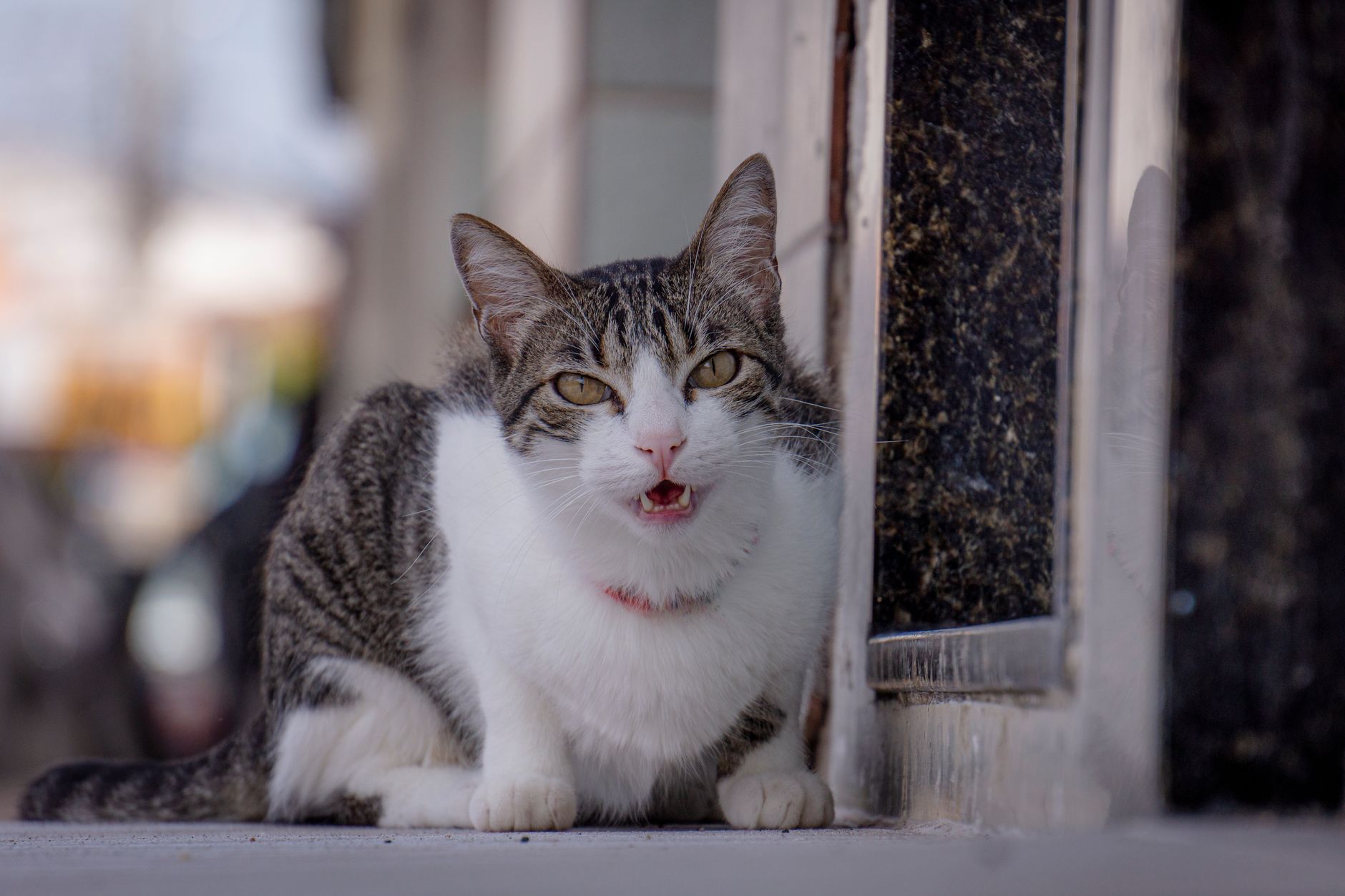
Understanding Feline Communication: Beyond the Meow
Cats are masters of non-verbal communication, but they also utilize vocalizations to interact with humans. Meowing, while common with humans, is rarely used between adult cats in the wild. This suggests that cats have adapted their communication style to effectively engage with us. The sound of a meow like a baby, in particular, is thought to be highly effective at eliciting a nurturing response.
Decoding the “Baby Meow”: Context is King

What does it mean when a cat meows like a baby? The interpretation largely hinges on the situation surrounding the vocalization. Consider the following factors:
- Time of Day: Is the meowing persistent in the morning, possibly indicating hunger or a need for attention after a night alone?
- Body Language: Is your cat rubbing against you, purring, or displaying other signs of affection? Or is it pacing, ears flattened, and exhibiting signs of distress?
- Environmental Changes: Has anything changed in the cat’s environment, such as new furniture, a new pet, or a recent move? These changes can induce anxiety and lead to increased vocalization.
- Age of the Cat: Kittens naturally meow frequently to communicate with their mothers. An older cat exhibiting baby-like meows might be experiencing cognitive decline or age-related anxieties.
Potential Causes of a “Baby Meow”
Here are some common reasons a cat might emit a high-pitched, baby-like meow:
- Attention Seeking: Your cat may have learned that this type of meow gets your attention.
- Hunger: Especially prominent around mealtimes.
- Greeting: A friendly “hello” or “I’m glad you’re home.”
- Anxiety/Stress: New environments, loud noises, or unfamiliar faces can trigger anxiety.
- Medical Issues: Hyperthyroidism, cognitive dysfunction, or pain can manifest as increased vocalization.
- Cognitive Dysfunction Syndrome (CDS): Similar to Alzheimer’s in humans, CDS can cause confusion and anxiety in older cats.
Addressing the “Baby Meow”: A Step-by-Step Approach
If your cat’s baby-like meowing is new or excessive, follow these steps to identify and address the underlying cause:
- Rule out Medical Issues: A vet visit is crucial to eliminate potential health problems.
- Observe and Document: Keep a record of when and where the meowing occurs, along with any accompanying behaviors.
- Address Basic Needs: Ensure your cat has adequate food, water, litter box access, and attention.
- Enrich the Environment: Provide toys, scratching posts, and climbing opportunities to combat boredom and anxiety.
- Minimize Stressors: Identify and reduce any potential stressors in the cat’s environment.
- Consider Pheromone Therapy: Synthetic feline pheromones (available as diffusers or sprays) can help calm anxious cats.
- Consult a Behaviorist: If the problem persists, a veterinary behaviorist can provide tailored advice and training.
How to Discourage Excessive Meowing
While it’s important to address the underlying cause of excessive meowing, you can also implement strategies to discourage the behavior itself:
- Avoid Reinforcement: Don’t reward meowing with attention, food, or play, unless it’s at designated times (e.g., scheduled playtime).
- Ignore the Meowing (Initially): If the cat is meowing for attention, try ignoring the behavior.
- Provide Alternatives: Offer interactive toys or scratching posts to redirect the cat’s attention.
- Positive Reinforcement for Quiet Behavior: When the cat is quiet, reward it with praise or a treat.
The Role of Breed
While any cat can meow like a baby, certain breeds are known for being more vocal than others. Siamese, Burmese, and Oriental breeds, for instance, are often more talkative and expressive than other breeds. This doesn’t necessarily mean they are meowing like babies, but their frequent vocalizations might be perceived that way.
Table: Comparing Potential Causes
| Cause | Symptoms | Possible Solutions |
|---|---|---|
| Attention Seeking | Meowing when you’re around, rubbing against you, following you. | Scheduled playtime, interactive toys, ignoring unwanted meowing. |
| Hunger | Meowing around mealtimes, pacing near food bowl. | Regular feeding schedule, puzzle feeders. |
| Anxiety | Hiding, trembling, dilated pupils, changes in appetite or litter box use. | Identify and remove stressors, pheromone therapy, calming aids. |
| Medical Condition | Lethargy, changes in appetite or water consumption, vomiting, diarrhea. | Veterinary examination and treatment. |
| Cognitive Decline (CDS) | Disorientation, confusion, changes in sleep patterns, increased vocalization. | Veterinary diagnosis, medication (if appropriate), environmental enrichment, comforting routines. |
Bullet Points: Key Takeaways
- Baby-like meowing can have various causes, ranging from benign to serious.
- Context is crucial for interpreting the meaning of the meow.
- A veterinary examination is essential to rule out medical problems.
- Addressing the underlying cause is key to resolving the issue.
- Environmental enrichment and behavior modification techniques can be helpful.

Frequently Asked Questions (FAQs)
Is it normal for kittens to meow like babies?
Yes, it is completely normal for kittens to meow like babies. Kittens rely on meowing to communicate their needs to their mothers, such as hunger, discomfort, or a need for attention. This behavior usually decreases as they mature, but some cats retain their vocal habits into adulthood.
Can hyperthyroidism cause my cat to meow excessively?
Yes, hyperthyroidism, an overactive thyroid gland, is a common cause of excessive vocalization in older cats. The condition can lead to increased activity, restlessness, and anxiety, which can manifest as constant meowing. A vet visit is necessary for diagnosis and treatment, which may involve medication, surgery, or radioactive iodine therapy.
My older cat suddenly started meowing like a baby at night. What could be the reason?
Sudden changes in vocalization, especially at night, in an older cat could indicate Cognitive Dysfunction Syndrome (CDS). CDS is a progressive neurodegenerative condition that affects cognitive function and awareness, leading to disorientation, anxiety, and altered sleep-wake cycles. Other potential causes include pain, vision loss, or hearing impairment.
What are some other signs of cognitive dysfunction syndrome (CDS) in cats?
Besides increased vocalization, other signs of CDS include disorientation (getting lost in familiar surroundings), changes in social interaction (becoming more or less affectionate), altered sleep-wake cycles (sleeping more during the day and being awake at night), and loss of litter box habits. Early diagnosis and management can improve the cat’s quality of life.
How can I tell if my cat is meowing out of pain?
If your cat is meowing in conjunction with other signs of pain, such as limping, reluctance to move, changes in appetite, hiding, or aggression when touched, it’s highly likely that the meowing is related to pain. Veterinary attention is crucial to diagnose the cause of the pain and provide appropriate treatment.
Are some cat breeds more prone to meowing excessively than others?
Yes, certain cat breeds, such as Siamese, Burmese, and Oriental Shorthairs, are known to be more vocal and talkative than other breeds. This is a breed-specific trait and doesn’t necessarily indicate a problem, but it’s something to consider if you’re looking for a quieter cat.
Can a change in my cat’s food cause them to meow like a baby more often?
Yes, a sudden change in your cat’s food can sometimes trigger increased meowing, particularly if the new food is less palatable or if it causes digestive upset. It’s always best to introduce new foods gradually to avoid digestive issues and food aversion.
Is it possible my cat is just bored and that’s why they are meowing?
Yes, boredom can be a significant factor in excessive meowing, especially in indoor cats. Ensure your cat has plenty of opportunities for play, exploration, and mental stimulation. Rotate toys regularly, provide scratching posts, and consider puzzle feeders to keep them engaged.
What is pheromone therapy, and how can it help reduce my cat’s meowing?
Pheromone therapy involves using synthetic versions of natural feline pheromones that can help reduce stress and anxiety in cats. These pheromones are available as diffusers, sprays, or collars and can create a calming environment that may reduce excessive vocalization. Consult your vet about the best pheromone product for your cat.
Should I punish my cat for meowing?
No, you should never punish your cat for meowing. Punishment can create fear and anxiety, damage your bond with your cat, and potentially worsen the problem by increasing stress and vocalization. Instead, focus on identifying and addressing the underlying cause of the meowing.
When should I be concerned about my cat’s meowing and take them to the vet?
You should consult a veterinarian if your cat’s meowing is sudden, excessive, or accompanied by other symptoms such as changes in appetite or water consumption, lethargy, vomiting, diarrhea, or changes in behavior. Early detection and treatment of medical conditions are crucial for your cat’s health and well-being.
My cat only meows like a baby when I’m on the phone. Why is that?
This is likely attention-seeking behavior. Your cat probably recognizes that you are preoccupied and unavailable when you are on the phone, and meowing like a baby is their way of trying to get your attention. Ignoring the meowing during phone calls and providing attention at other times can help reduce this behavior.