

Decoding the Purrs: What Does It Mean When a Cat Loafs On Your Chest?
This heartwarming behavior, where your feline friend adopts a loaf-like position on your chest, signifies a powerful combination of comfort, affection, and security. It’s a sign your cat deeply trusts you and finds your warmth and presence a source of profound relaxation.

The Enigmatic Cat Loaf: An Introduction
The “cat loaf,” or “loafing,” is a classic feline posture where the cat tucks its paws and tail underneath its body, resembling a freshly baked loaf of bread. When a cat decides to loaf on your chest, this seemingly simple act carries a wealth of meaning. Understanding these nuances strengthens the bond between you and your feline companion. Is it simply seeking warmth, or is there something more profound at play? Let’s delve into the secrets behind this purrfectly peculiar behavior.
The Science Behind the Snuggle
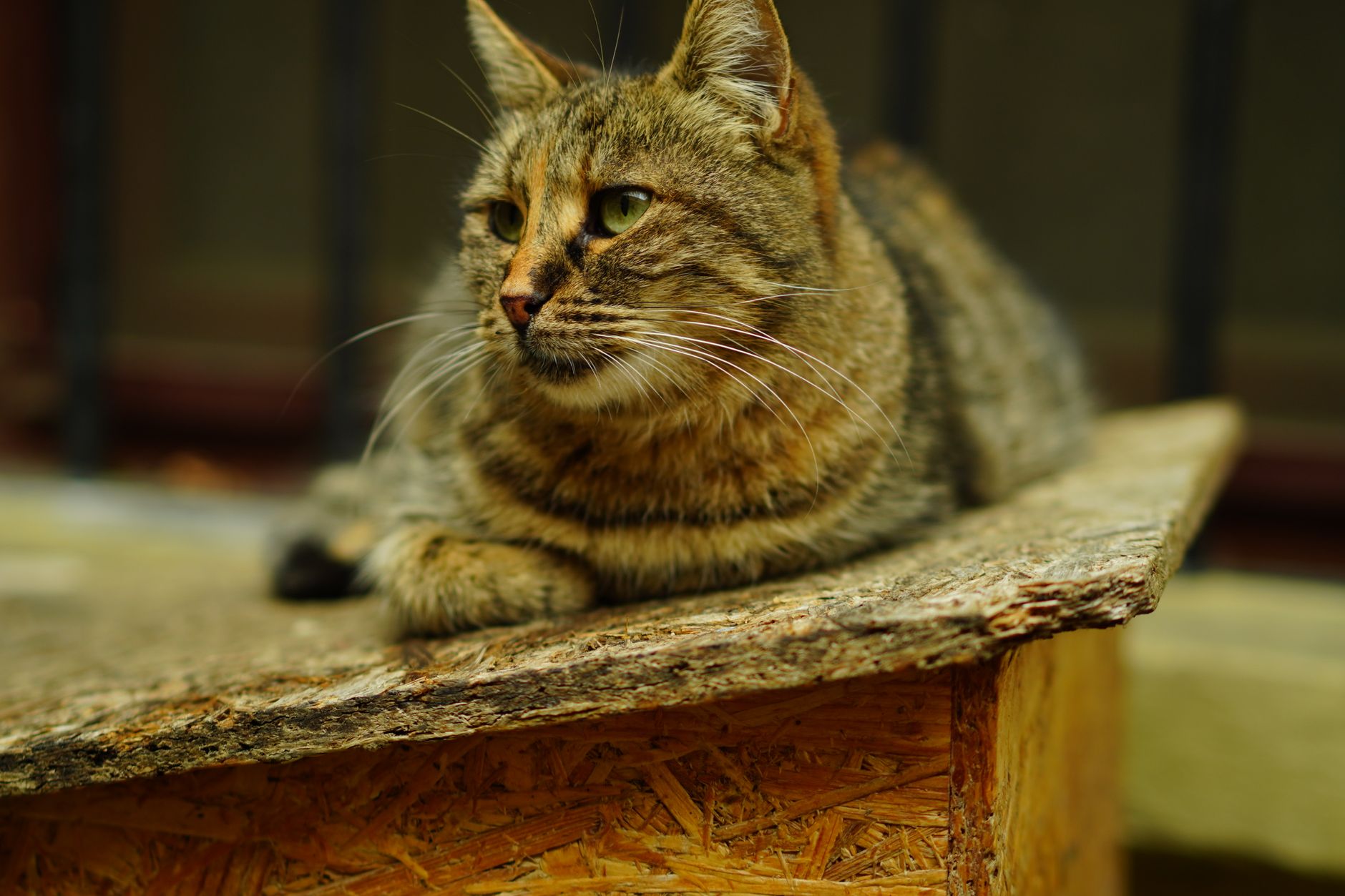
Several factors contribute to a cat’s desire to loaf on a human chest. These include physiological needs, behavioral instincts, and the cat’s unique relationship with its owner.
-
Warmth Seeking: Cats have a higher body temperature than humans (around 100.5 to 102.5°F). Your chest provides a readily available source of warmth, especially in cooler environments.
-
Security and Protection: The chest, being a vulnerable area of the human body, represents a position of trust. When a cat chooses this spot, it indicates that it feels safe and secure in your presence. It’s essentially saying, “I trust you to protect me while I’m vulnerable.”
-
Comfort and Familiarity: Your heartbeat and breathing create a soothing rhythm that can be incredibly comforting for a cat. This rhythmic sensation mimics the feeling of being near their mother as a kitten.
-
Scent Exchange: Cats have scent glands on their paws and face. Loafing allows them to deposit their scent on you, marking you as part of their territory and solidifying your bond.


Deciphering the Signals: Body Language Clues
While the act of loafing itself is significant, paying attention to your cat’s body language can provide even deeper insights into their emotional state.
-
Purring: A purring cat is generally content and relaxed. However, purring can also indicate stress or pain in some cases. Observe other body language cues to determine the specific meaning.
-
Slow Blinking: Also known as “cat kisses,” slow blinks are a sign of affection and trust.
-
Kneading: Kneading, or “making biscuits,” is a behavior inherited from kittenhood. Kittens knead their mother’s abdomen to stimulate milk flow. Adult cats may knead out of comfort and contentment.
-
Vocalization: Soft meows or chirps can indicate happiness and a desire for attention.
-
Relaxed Posture: A relaxed cat will have loose muscles, droopy eyelids, and a generally soft demeanor.
The Benefits of Feline Chest Loafing
Beyond the emotional benefits for the cat, having a cat loaf on your chest can also be therapeutic for humans.
-
Stress Reduction: The rhythmic purring and warmth can help lower blood pressure and reduce stress levels.
-
Emotional Support: Cats provide companionship and emotional support, particularly during times of stress or loneliness.
-
Increased Bonding: The act of cuddling and bonding with your cat strengthens your relationship and fosters a sense of mutual affection.
-
Improved Sleep: The calming presence of a cat can help promote relaxation and improve sleep quality.
What To Do (and Not Do) When Your Cat Loafs
Here’s a quick guide on how to react (and not react) when your cat decides your chest is the perfect loafing spot:
- Do: Gently stroke or pet your cat if they seem receptive.
- Do: Speak to them in a soft, soothing voice.
- Do: Enjoy the moment and appreciate the bond you share.
- Don’t: Make sudden movements or loud noises that could startle them.
- Don’t: Force your cat to stay if they seem uncomfortable or want to move.
- Don’t: Ignore them completely, as they are seeking attention and affection.
The “Loaf of Discontent”: When Chest Loafing Isn’t So Cuddly
While chest loafing is usually a positive sign, it’s essential to be aware of instances where it might indicate something else.
- Medical Issues: If your cat suddenly starts loafing on your chest more frequently than usual, it could be a sign of illness or discomfort. They might be seeking warmth and comfort due to pain or feeling unwell.
- Stress or Anxiety: In some cases, cats may loaf as a way to self-soothe during stressful situations.
If you suspect your cat’s loafing is due to a medical or behavioral issue, consult with a veterinarian or a certified cat behaviorist.
Frequently Asked Questions About Cat Chest Loafing
What does it mean when a cat loafs on your chest and purrs loudly?
This is generally a sign of extreme contentment and relaxation. The combination of the comfortable position, your warmth, and the rhythmic purring indicates that your cat feels safe, loved, and secure. They’re enjoying your company and expressing their affection in a very vocal way.
Why does my cat only loaf on my chest at night?
The nighttime preference could be due to several factors. Your cat may be seeking warmth during the cooler hours of the night. Also, they might associate nighttime with quiet and relaxation, making your chest the perfect spot for a peaceful loaf.
Is it possible for my cat to become too dependent on loafing on my chest?
While it’s rare, excessive dependence could indicate underlying anxiety or insecurity. If your cat becomes distressed when you’re not available, consult with a veterinarian or behaviorist to rule out any underlying issues and ensure your cat has other coping mechanisms.
My cat never loafs. Does that mean they don’t love me?
Not at all! Cats express affection in various ways. Some cats prefer other forms of interaction, such as head-butting, rubbing against your legs, or simply being in your presence. Every cat has a unique personality and preferred way of showing love.
What is the best way to encourage my cat to loaf on my chest?
Create a calm and comfortable environment. Make sure you’re relaxed and approachable. Gently invite your cat onto your chest and offer soft strokes. Avoid any sudden movements or loud noises that could scare them away. Let them come to you naturally.
Can all cats loaf, or are some breeds less likely to do it?
While most cats are physically capable of loafing, some breeds may be more prone to this behavior than others. Breeds known for being affectionate and cuddly, such as Ragdolls and Persians, may be more likely to loaf. However, individual personality plays a more significant role.
Is it okay to move my cat if they are loafing on my chest and I need to get up?
Yes, but do it gently and respectfully. Gently stroke your cat and speak to them in a soothing voice. Slowly lift them off your chest and place them in a comfortable spot nearby. Avoid any sudden movements that could startle them. Try to make the transition as smooth as possible.
My cat starts to knead aggressively when they loaf on my chest. Is this normal?
Kneading is a natural and instinctive behavior. However, if your cat is kneading too aggressively and it’s causing you discomfort, gently redirect their attention with a toy or offer a soft blanket to knead instead. It is likely a sign of intense comfort.
What are some signs that my cat is uncomfortable while loafing on my chest?
Signs of discomfort include tense muscles, flattened ears, a twitching tail, or an attempt to move away. Respect your cat’s boundaries and allow them to leave if they seem unhappy.
How long should I let my cat loaf on my chest before encouraging them to move?
There’s no set time limit. Let your cat loaf for as long as they seem comfortable and content. Pay attention to their body language and respect their boundaries. When you need to get up, do so gently and gradually.
Is it safe for a pregnant woman to have a cat loafing on her chest?
Generally, yes, it is safe. However, it’s essential to practice good hygiene and wash your hands thoroughly after interacting with your cat to minimize the risk of toxoplasmosis. If you have any concerns, consult with your doctor or veterinarian.
Why is it “What does it mean when a cat loafs on your chest?” and not something else? This behavior seems so personal and strange!”
The cat chest loaf, while seemingly simple, represents a deep bond of trust and affection. They are seeking warmth, security, and comfort in your presence. It’s a uniquely feline expression of love and connection, making your chest their safe space and their action extra sweet.