
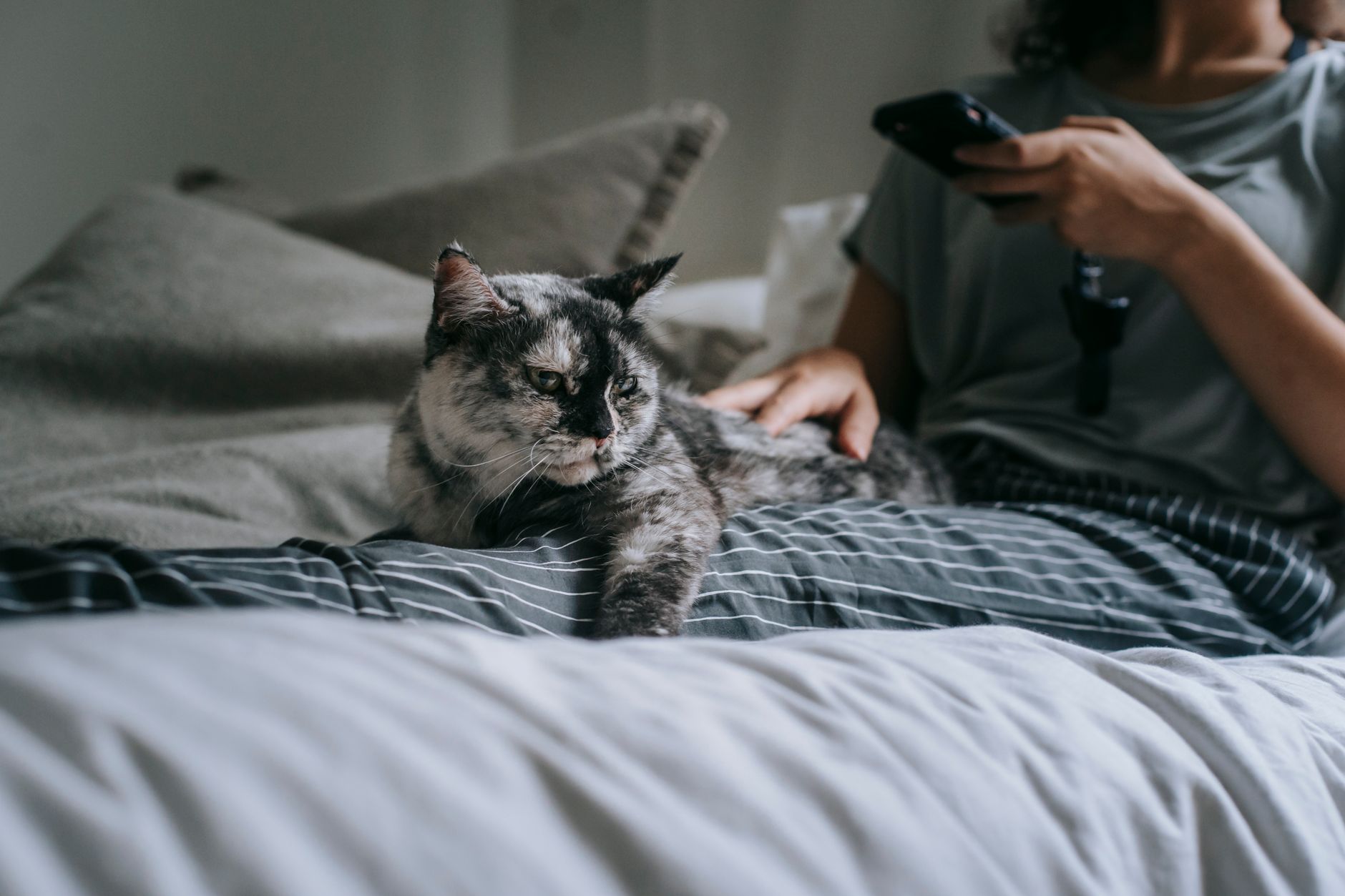
What Does it Mean When a Cat Bites Their Owner? Unveiling Feline Communication
What does it mean when a cat bites their owner? Cat bites, while sometimes painful, are rarely malicious; they are primarily a form of communication signaling various emotions, from affection (love bites) to fear, stress, or overstimulation.
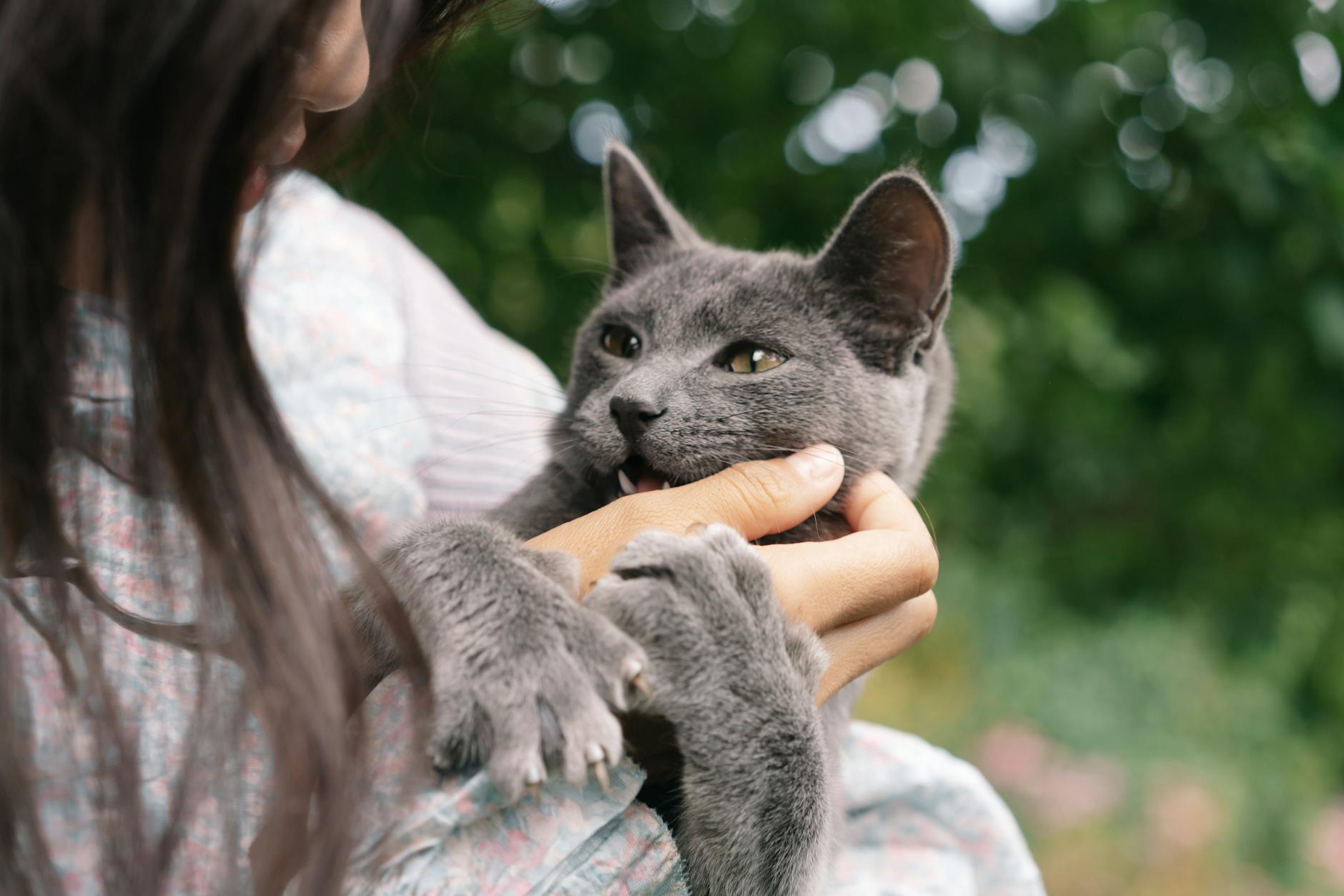
Decoding the Feline Bite: A Symphony of Signals
Cats communicate through a complex language of body postures, vocalizations, and, yes, bites. Understanding the nuances of these bites is crucial for building a strong and positive relationship with your feline companion. A bite is not always a sign of aggression. Instead, it should be interpreted within the context of the situation and the cat’s overall behavior. What does it mean when a cat bites their owner? Often, it’s a way for them to express themselves when other signals have been missed or ignored.
The Spectrum of Bites: From Nips to Full-Blown Attacks

Not all bites are created equal. Differentiating between gentle love bites, playful nips, and more aggressive bites is crucial. The intensity, location, and accompanying behaviors (such as hissing, swatting, or purring) provide valuable clues about the cat’s motivation.
- Love Bites (Affectionate Nips): These are gentle, playful bites often accompanied by purring and rubbing. They are a sign of affection and contentment.
- Play Bites: These bites are more energetic but shouldn’t break the skin. They typically occur during play and mimic hunting behavior.
- Warning Bites: These bites are a signal that the cat is uncomfortable, scared, or in pain. They are often preceded by other warning signs like flattened ears, a twitching tail, or hissing.
- Aggressive Bites: These bites are usually more intense and may be accompanied by scratching and other aggressive behaviors. They indicate fear, territoriality, or pain.
Common Reasons for Cat Bites
Several factors can contribute to a cat biting its owner. Identifying the underlying cause is the first step toward resolving the issue.
- Overstimulation: Cats can become overstimulated during petting, leading to a sudden bite.
- Pain: A cat in pain may bite when touched or moved, even by its owner.
- Fear or Anxiety: A fearful or anxious cat may bite as a defensive mechanism.
- Play Aggression: Some cats have a high prey drive and may bite during play.
- Medical Conditions: Certain medical conditions can cause irritability or pain, leading to biting.
- Territoriality: Cats may bite to defend their territory from other animals or even people.
- Lack of Socialization: Cats not properly socialized as kittens may be more prone to biting.
Preventing Bites: Creating a Bite-Free Environment
Prevention is always better than cure. Creating a safe and stimulating environment for your cat can significantly reduce the likelihood of bites.
- Provide Plenty of Playtime: Engage your cat in regular play sessions to burn energy and satisfy their hunting instincts.
- Offer Scratching Posts: Give your cat appropriate outlets for scratching to prevent them from using your furniture (or you!) as a scratching post.
- Respect Boundaries: Learn to recognize your cat’s body language and respect their personal space.
- Avoid Overstimulation: Pay attention to your cat’s cues during petting sessions and stop before they become overstimulated.
- Positive Reinforcement: Reward good behavior with treats and praise.
- Consult a Veterinarian: If your cat is biting frequently or aggressively, consult a veterinarian to rule out any underlying medical conditions.
Addressing Biting Behavior: A Gradual Approach
If your cat is already biting, it’s essential to address the behavior calmly and consistently. Avoid punishment, as this can worsen the problem.
- Identify the Trigger: Determine what circumstances lead to the biting.
- Avoid the Trigger: If possible, avoid situations that trigger the biting behavior.
- Redirect the Behavior: If your cat starts to bite, redirect their attention to a toy.
- Ignore the Behavior: If the biting is for attention, try ignoring it.
- Consult a Veterinary Behaviorist: If the biting persists or is severe, consult a veterinary behaviorist for professional guidance.
The Importance of Understanding Feline Body Language
Decoding feline body language is paramount. Learning to recognize subtle cues like flattened ears, a twitching tail, dilated pupils, and vocalizations can help you anticipate and prevent bites.
| Body Language Cue | Possible Meaning | Action to Take |
|---|---|---|
| Flattened Ears | Fear, anxiety, or irritation | Give the cat space; avoid approaching or touching |
| Twitching Tail | Agitation, overstimulation, or irritation | Stop petting or playing; give the cat space |
| Dilated Pupils | Fear, excitement, or stress | Observe the cat’s overall behavior and adjust |
| Hissing | Warning signal; feeling threatened | Back away slowly; avoid making sudden movements |

Frequently Asked Questions (FAQs)
Why does my cat bite me when I’m petting them?
This is likely due to overstimulation. Cats have a threshold for petting, and once they reach it, they may bite to signal that they’ve had enough. Pay attention to their body language and stop petting before they become agitated.
What’s the difference between a love bite and an aggressive bite?
Love bites are gentle nips that don’t break the skin and are usually accompanied by purring and rubbing. Aggressive bites are more forceful, may break the skin, and are often accompanied by hissing, growling, or swatting.
How do I stop my cat from biting during play?
Use toys like wands and laser pointers to keep your hands away from your cat’s mouth. If your cat bites during play, immediately stop the game and ignore them for a few minutes to teach them that biting ends the fun.
Is it normal for kittens to bite?
Yes, biting is a normal part of kitten play and exploration. However, it’s important to teach them that biting humans is not acceptable through redirection and consistent training.
What should I do if my cat bites me hard enough to break the skin?
Wash the wound thoroughly with soap and water. Apply an antiseptic and seek medical attention, especially if the bite is deep or shows signs of infection. Cat bites can carry bacteria that can cause serious infections.
Can a cat bite indicate a medical problem?
Yes, a sudden increase in biting frequency or intensity can be a sign of pain or illness. Schedule a visit with your veterinarian to rule out any underlying medical conditions.
How can I tell if my cat is about to bite me?
Look for warning signs like flattened ears, a twitching tail, dilated pupils, hissing, or growling. If you notice any of these signs, give your cat space and avoid approaching or touching them.
Is it okay to punish my cat for biting?
No, punishment is not an effective way to address biting behavior. It can create fear and anxiety, which may worsen the problem. Instead, focus on positive reinforcement and redirection.
What if my cat bites out of fear?
Identify the source of your cat’s fear and try to remove or minimize their exposure to it. Provide them with a safe and comfortable space where they can retreat when feeling scared.
How can I socialize my kitten to prevent biting?
Expose your kitten to a variety of people, places, and sounds from a young age. Handle them gently and provide positive reinforcement during interactions.
Should I get a second opinion if my vet can’t find a reason for the biting?
Yes, if you’re concerned about your cat’s biting behavior and your veterinarian can’t find a physical cause, consider consulting a veterinary behaviorist. They specialize in addressing behavioral issues in animals. What does it mean when a cat bites their owner? A behaviorist can better assess the underlying cause of the behavior.
My cat only bites strangers, why?
This is likely due to fear or territoriality. Your cat may feel threatened by unfamiliar people entering their space. Provide them with a safe retreat and avoid forcing them to interact with strangers.