
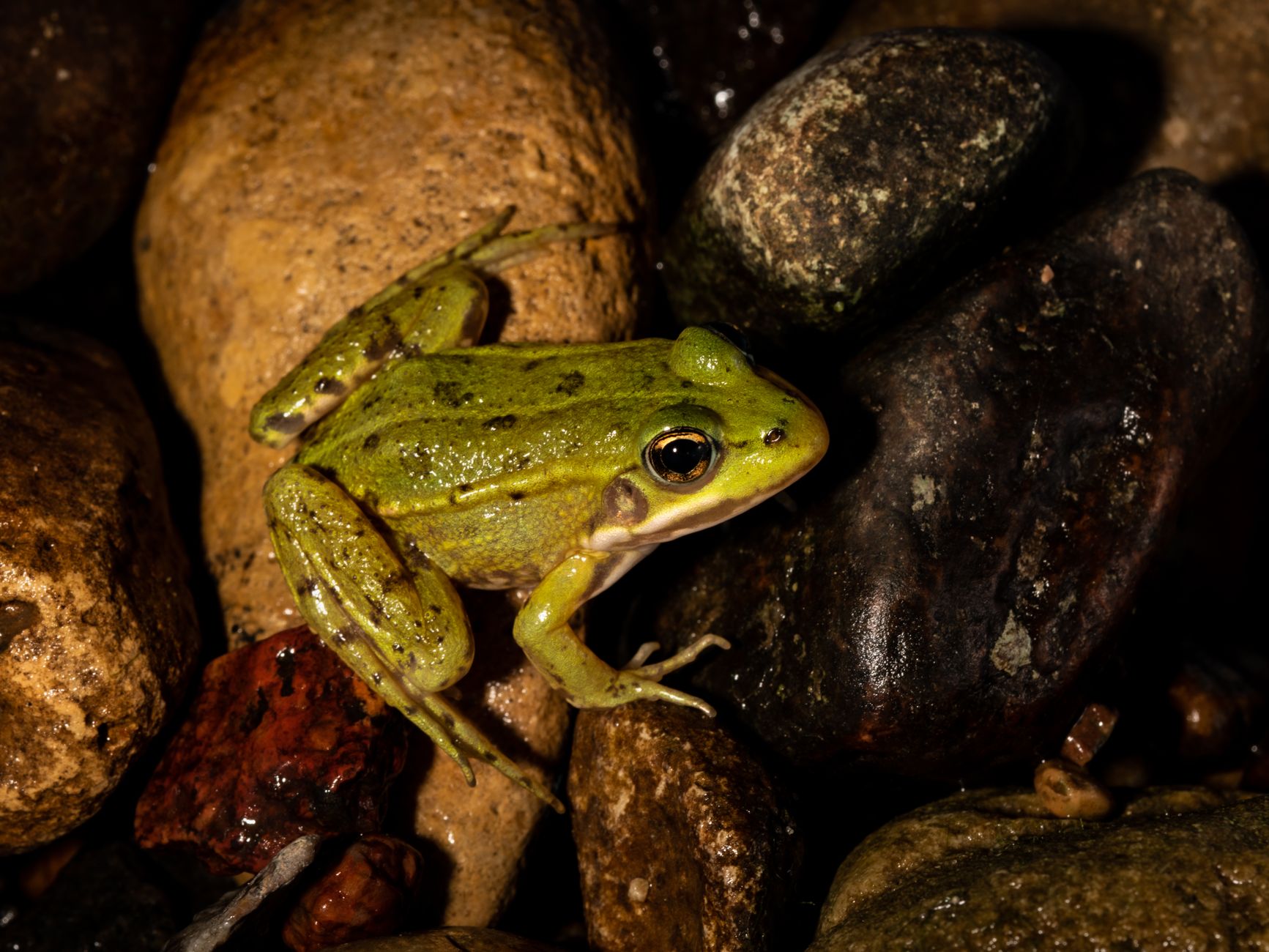
What Does a Frog Stomach Look Like? A Deep Dive
A frog’s stomach, like those of many carnivorous and insectivorous animals, is a relatively simple but crucial organ: a muscular sac lined with acid-secreting cells designed to break down ingested prey before it moves to the small intestine. What a frog stomach looks like depends on its recent meals, but it generally appears as a distensible, opaque, and folded organ.

Introduction to Frog Stomach Anatomy
The frog’s digestive system is well-adapted to its diet, which primarily consists of insects, worms, and other small invertebrates. Understanding the structure and function of the frog’s stomach provides insight into its feeding habits and the overall digestive process. What does a frog stomach look like, and how does its anatomy contribute to its survival? Let’s explore the details.
The Stomach’s Role in Digestion

The frog’s stomach is responsible for the initial stages of digestion, primarily through chemical breakdown using hydrochloric acid and enzymes. This process helps break down the tough exoskeletons of insects and other prey, making the nutrients accessible for absorption later in the digestive tract. The stomach essentially acts as a holding tank and a chemical processing center.
External Appearance of the Frog Stomach
Externally, the frog’s stomach appears as an elongated, sac-like structure. It is typically located in the abdominal cavity, positioned somewhat horizontally, and connected to the esophagus at one end and the small intestine at the other (via the pylorus). The color can vary, depending on the frog species and the contents within, but it’s usually a pale pinkish-white.
Internal Structure and Function
Internally, the frog’s stomach is lined with a mucous membrane containing many gastric glands. These glands secrete hydrochloric acid (HCl) and digestive enzymes like pepsinogen, which is converted to pepsin in the acidic environment to break down proteins. The stomach lining also has folds called rugae, which allow the stomach to expand significantly after a large meal. The stomach walls are muscular, allowing for the churning action that helps to mix the food with digestive juices.
Variations Among Frog Species
While the fundamental structure of the frog stomach remains relatively consistent across different species, some variations exist based on their specific diets and ecological niches. For example, frogs that consume larger prey may have stomachs capable of greater distension. What does a frog stomach look like in a purely aquatic frog compared to a terrestrial one? Adaptations will vary.
Common Misconceptions about Frog Stomachs
One common misconception is that frogs regurgitate indigestible parts of their prey, such as insect exoskeletons, as pellets like owls do. While some frogs might occasionally regurgitate if overwhelmed, the acidic environment of the stomach typically dissolves most of the ingested material. Another misconception is that all frogs have the same digestive enzymes, but the enzymes can vary depending on the frog’s specific diet.
Comparison to Mammalian Stomachs
Unlike mammalian stomachs, which may have multiple compartments or specialized regions, the frog’s stomach is relatively simple. Mammalian stomachs often involve more complex processes for breaking down different types of food. The frog stomach is primarily designed for breaking down animal protein and chitin, reflecting its carnivorous diet.

Frequently Asked Questions (FAQs)
What is the pH level inside a frog’s stomach?
The pH level inside a frog’s stomach is typically quite acidic, ranging from pH 2 to pH 3. This acidic environment is essential for activating digestive enzymes and breaking down the tough exoskeletons of insects and other prey.
How long does it take for a frog to digest its food?
The digestion time for a frog can vary depending on factors such as the size of the meal, the frog’s metabolic rate, and the ambient temperature. Generally, it takes between 24 to 72 hours for a frog to fully digest its food.
Do frogs have a sphincter muscle in their stomach?
Yes, frogs have two sphincter muscles: the esophageal sphincter (also known as the cardiac sphincter) at the entrance to the stomach from the esophagus, and the pyloric sphincter at the exit to the small intestine. These sphincters control the passage of food into and out of the stomach.
What happens if a frog swallows something indigestible?
If a frog swallows something indigestible, like a small stone or piece of debris, it will typically pass through the digestive system without being absorbed. In rare cases, the frog may regurgitate the object if it causes significant discomfort or blockage.
Can frogs digest bones?
While the frog’s stomach acid is strong, it cannot fully dissolve bones in most cases. Small bones may be partially broken down, but larger bones will usually pass through the digestive system intact.
How do frog stomachs adapt to different types of prey?
The frog’s stomach can adapt to different types of prey through changes in enzyme production. For example, if a frog consumes a diet rich in protein, its stomach will produce more pepsin to aid in protein digestion.
Do tadpoles have stomachs, and how do they differ from adult frogs?
Yes, tadpoles have stomachs, but their digestive systems are adapted for a herbivorous or detritivorous diet. Tadpole stomachs are typically less acidic than adult frog stomachs, and their digestive enzymes are more suited for breaking down plant matter.
What diseases can affect a frog’s stomach?
Frogs can be affected by various gastrointestinal diseases, including bacterial infections, parasitic infestations, and fungal infections. These diseases can disrupt the normal function of the stomach and lead to symptoms such as vomiting, diarrhea, and weight loss.
How is the stomach connected to other parts of the frog’s digestive system?
The stomach is connected to the esophagus at its upper end and to the small intestine at its lower end. The esophagus transports food from the mouth to the stomach, and the small intestine is responsible for absorbing nutrients from the partially digested food.
What is the role of mucus in the frog’s stomach?
The mucus lining the frog’s stomach provides a protective layer that prevents the stomach acid from damaging the stomach wall. This mucus also helps to lubricate the food, making it easier to move through the digestive system.
How does temperature affect digestion in frogs?
Frogs are ectothermic (cold-blooded) animals, meaning their body temperature is influenced by the surrounding environment. Higher temperatures generally lead to faster metabolic rates and faster digestion, while lower temperatures slow down the digestive process.
Can a frog survive without a stomach?
No, a frog cannot survive without a stomach. The stomach plays a crucial role in the initial stages of digestion, and its absence would prevent the frog from effectively breaking down food and absorbing nutrients. While surgical removal might technically be possible, the animal would starve rapidly.