
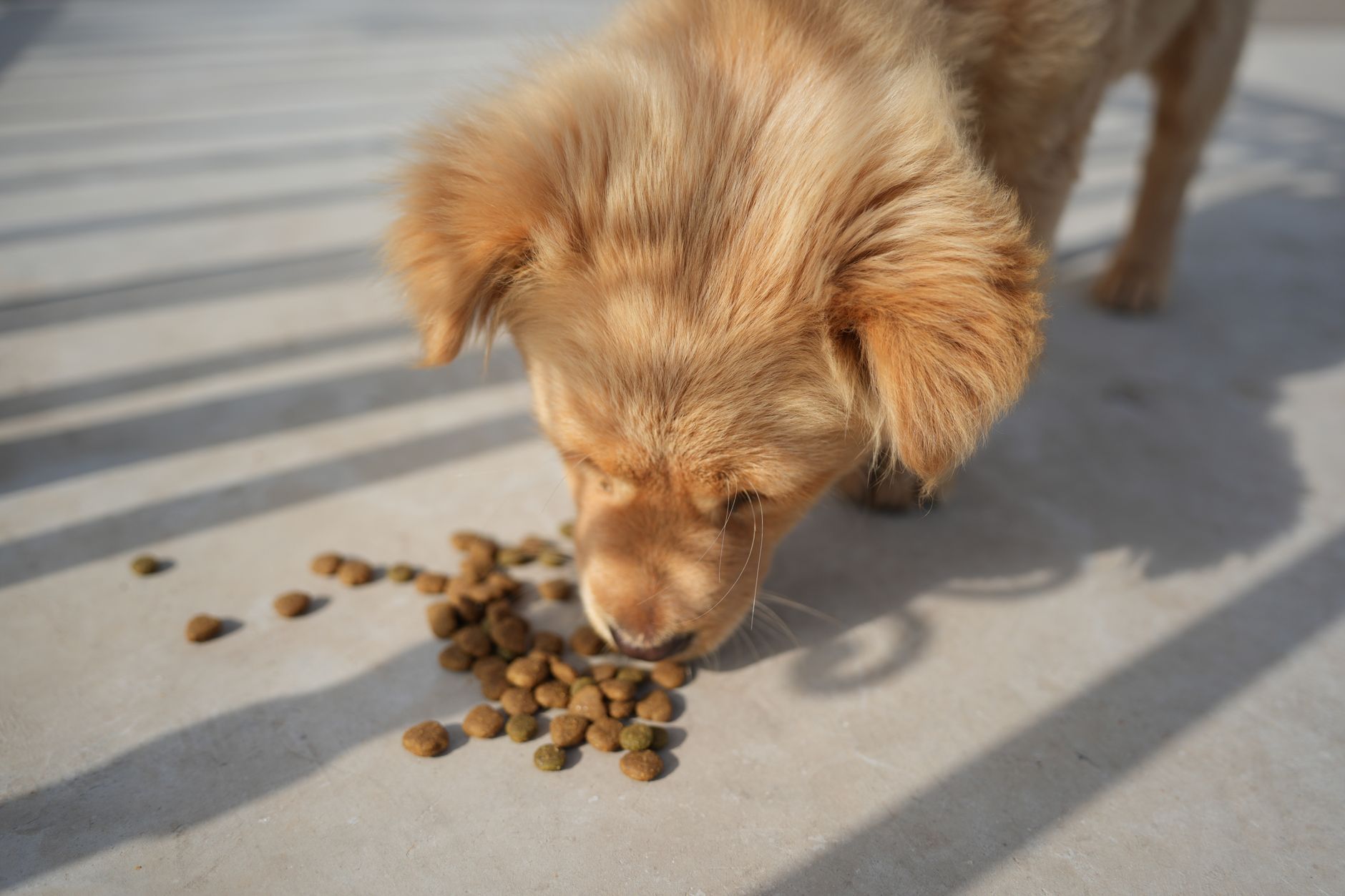
Decoding Canine Cuisine: Understanding the 30/20 Label on Dog Food
What does 30 20 dog food mean? It indicates the food’s guaranteed analysis, specifically that it contains at least 30% protein and at least 20% fat, expressed as minimum percentages of the food’s overall composition.

Introduction: Why Understanding Your Dog Food Label Matters
Choosing the right food for your dog is crucial for their health and well-being. Deciphering the information on dog food labels, particularly the protein and fat percentages denoted by numbers like “30/20,” can empower you to make informed decisions that meet your dog’s specific needs. This article delves into the meaning behind the “30/20” label, exploring its implications and helping you navigate the world of canine nutrition.
What Does “30/20” Actually Represent?

The “30/20” on a dog food label represents the guaranteed analysis – a legally required statement that specifies the minimum or maximum levels of certain nutrients in the food. These nutrients are expressed as percentages. In the case of “30/20”:
- 30% represents the minimum percentage of crude protein in the food. Crude protein refers to the total protein content, regardless of its source or digestibility.
- 20% represents the minimum percentage of crude fat in the food. Fat is an essential energy source for dogs and plays a role in hormone production and nutrient absorption.
It’s important to note that these are minimum percentages. The actual protein and fat content might be slightly higher.
Why Choose 30/20 Dog Food? Potential Benefits
Dog food labeled as 30/20 may be a good choice for certain dogs, primarily those with higher energy requirements. These include:
- Active or working dogs: Dogs that engage in strenuous activities, such as agility, herding, or hunting, need more protein and fat to fuel their muscles and maintain their energy levels.
- Puppies: Growing puppies require higher levels of protein and fat to support their rapid growth and development. However, breed size and individual needs should be considered when selecting a food for puppies. Large breed puppies, for instance, may need a different ratio to avoid growing too fast.
- Underweight dogs: Dogs that need to gain weight may benefit from a higher protein and fat content to help them build muscle mass and energy reserves.
- Dogs with specific medical conditions: In some cases, veterinary professionals may recommend a higher protein and fat diet for dogs with certain medical conditions, such as pancreatic insufficiency or certain types of cancer.
Considerations Before Switching to 30/20
While 30/20 dog food can be beneficial for certain dogs, it’s not necessarily the best choice for all dogs. Here are some factors to consider:
- Activity level: Lower energy dogs, such as senior dogs or those with sedentary lifestyles, may not need as much protein and fat and could potentially gain weight or experience digestive issues if fed a 30/20 diet.
- Breed: Certain breeds are predisposed to specific health conditions that may require a different dietary approach.
- Age: As mentioned earlier, while puppies require more protein and fat, the specific needs vary based on breed and growth rate.
- Underlying health conditions: Dogs with kidney or liver disease may require a diet lower in protein to reduce the workload on these organs.
- Individual sensitivities: Some dogs may be sensitive to certain ingredients or have difficulty digesting high-fat foods.
It is always best to consult with a veterinarian to determine the most appropriate diet for your individual dog, taking into account their specific needs and health status.
Understanding the Guaranteed Analysis Beyond 30/20
While protein and fat are important, the guaranteed analysis includes other vital information:
- Moisture: This indicates the water content of the food.
- Crude Fiber: This represents the amount of indigestible plant matter in the food.
- Other nutrients: This section may include minimum or maximum levels of other nutrients, such as vitamins, minerals, and omega-3 fatty acids.
It’s crucial to read the entire guaranteed analysis to get a complete picture of the food’s nutritional content.
Beyond Percentages: Ingredient Quality Matters
The guaranteed analysis only tells part of the story. The quality of the ingredients used to formulate the food is also critically important. Look for foods that:
- List named meat sources (e.g., chicken, beef, lamb) as the first ingredients. Avoid foods that list unnamed meat by-products.
- Contain whole grains, vegetables, and fruits as sources of carbohydrates and fiber.
- Avoid artificial colors, flavors, and preservatives.
- Are formulated by veterinary nutritionists or board-certified veterinary specialists.
Common Mistakes When Choosing Dog Food
- Focusing solely on price: Cheaper dog foods often contain lower-quality ingredients and may not provide adequate nutrition.
- Ignoring the guaranteed analysis: Relying solely on marketing claims without examining the nutritional content can lead to nutritional deficiencies or excesses.
- Not considering your dog’s individual needs: Choosing a dog food based on general recommendations without considering your dog’s age, breed, activity level, and health status.
- Making sudden dietary changes: Switching to a new dog food too quickly can cause digestive upset. It’s best to transition gradually over a period of 7-10 days.
- Overfeeding: Feeding your dog too much, regardless of the food’s nutritional content, can lead to obesity and related health problems.
A Quick Summary of Key Considerations:
| Factor | Consideration |
|---|---|
| Activity Level | Higher activity levels justify considering 30/20 dog food. Low activity levels may necessitate lower fat and protein content. |
| Breed | Certain breeds have specific dietary needs. Research your breed’s requirements. |
| Health Conditions | Pre-existing health conditions may require a modified diet. Consult with your veterinarian. |
| Ingredient Quality | Prioritize foods with high-quality, named meat sources, whole grains, vegetables, and fruits. Avoid artificial additives. |
| Gradual Transition | Change food gradually over 7-10 days to avoid digestive upset. |
| Portion Control | Always follow the feeding guidelines on the food label and adjust as needed based on your dog’s individual needs and body condition. Consult your vet if you are unsure of how much to feed. |

Frequently Asked Questions About 30/20 Dog Food
What does a higher protein and fat percentage actually do for my dog?
Higher protein provides the building blocks for muscle development and repair, while higher fat provides a concentrated energy source. This combination is particularly beneficial for active dogs who burn more calories and need to rebuild muscle tissue more frequently. However, remember that excess energy that is not used gets stored as fat, so portion control is key.
Is 30/20 dog food automatically better than other formulas?
No, higher protein and fat aren’t inherently better. It depends entirely on the individual dog’s needs. A sedentary dog might gain weight and develop health problems on a 30/20 diet, while an athletic dog could thrive. The best dog food is the one that meets your dog’s specific requirements.
Can 30/20 dog food cause kidney problems in dogs?
The link between high protein diets and kidney problems is complex and often misunderstood. For dogs with existing kidney disease, a high-protein diet can worsen their condition. However, for healthy dogs, there’s no conclusive evidence that high protein diets cause kidney problems. It is crucial to consult a veterinarian about any dog with kidney disease.
How do I know if my dog needs 30/20 dog food?
Assess your dog’s activity level, body condition, and overall health. Is your dog highly active? Are they underweight? Do they have any medical conditions that might benefit from a higher protein and fat diet? Consult with your veterinarian for personalized recommendations. Consider a trial period with careful monitoring of weight and stool quality if you suspect it will benefit your dog.
What are the potential downsides of feeding my dog 30/20 dog food?
Potential downsides include weight gain, digestive upset (such as diarrhea), and potential exacerbation of existing kidney problems in dogs with kidney disease. Monitoring your dog’s weight and stool quality is crucial when introducing a new food.
How do I transition my dog to 30/20 dog food?
Transition gradually over 7-10 days to avoid digestive upset. Start by mixing a small amount of the new food with the old food and gradually increase the proportion of the new food over time.
What should I look for in the ingredient list of a 30/20 dog food?
Look for high-quality, named meat sources (e.g., chicken, beef, lamb) as the first ingredients. Also, look for whole grains, vegetables, and fruits. Avoid foods with artificial colors, flavors, and preservatives.
Is 30/20 dog food suitable for all puppies?
While puppies generally require more protein and fat than adult dogs, 30/20 might not be suitable for all puppies, especially large breeds. Large-breed puppies may require controlled levels of calcium and phosphorus to prevent skeletal problems, and growing too fast due to high calorie foods is linked to issues like hip dysplasia. Consult with your veterinarian to determine the best food for your puppy’s specific breed and growth rate.
Can I make my own 30/20 dog food at home?
While it’s possible to make homemade dog food, it’s difficult to ensure a balanced and complete diet without the guidance of a veterinary nutritionist. A home-prepared diet must be formulated correctly by a board-certified veterinary nutritionist. Always discuss homemade diets with your veterinarian before trying them.
What’s the difference between “crude protein” and “digestible protein”?
Crude protein is a measure of the total protein content of the food, regardless of its source or digestibility. Digestible protein refers to the amount of protein that the dog can actually absorb and utilize. High-quality dog foods use protein sources that are highly digestible. The guaranteed analysis only lists “crude” protein.
How do I calculate the dry matter basis of protein and fat in dog food?
Calculating the dry matter basis helps you compare foods with different moisture contents. To do this, first, find the moisture percentage listed on the can or bag. Subtract the moisture percentage from 100%. Then, divide the protein or fat percentage by the resulting number and multiply by 100%. This result represents the protein or fat percentage on a dry matter basis. This can be a helpful tool to determine what does 30 20 dog food mean? in the context of dry matter.
Where can I find the most reliable information about dog food nutrition?
Consult with your veterinarian or a board-certified veterinary nutritionist. They can provide personalized recommendations based on your dog’s individual needs. Also, look for resources from reputable veterinary organizations and veterinary nutrition journals.