

What Do You Call a Male Fish? Unveiling the Aquatic Gender Divide
The simple answer is: you generally just call a male fish a male fish! However, specific names and terms exist depending on the species of fish and the context.

Understanding Fish Gender: A Primer
Identifying the gender of fish isn’t as straightforward as with many mammals. Unlike land animals with readily apparent physical differences, fish often require closer inspection or specific knowledge of the species. What do you call a male fish? It often depends on whether you’re talking in general terms, about a specific species, or in a scientific context.
The General Term: “Male Fish”
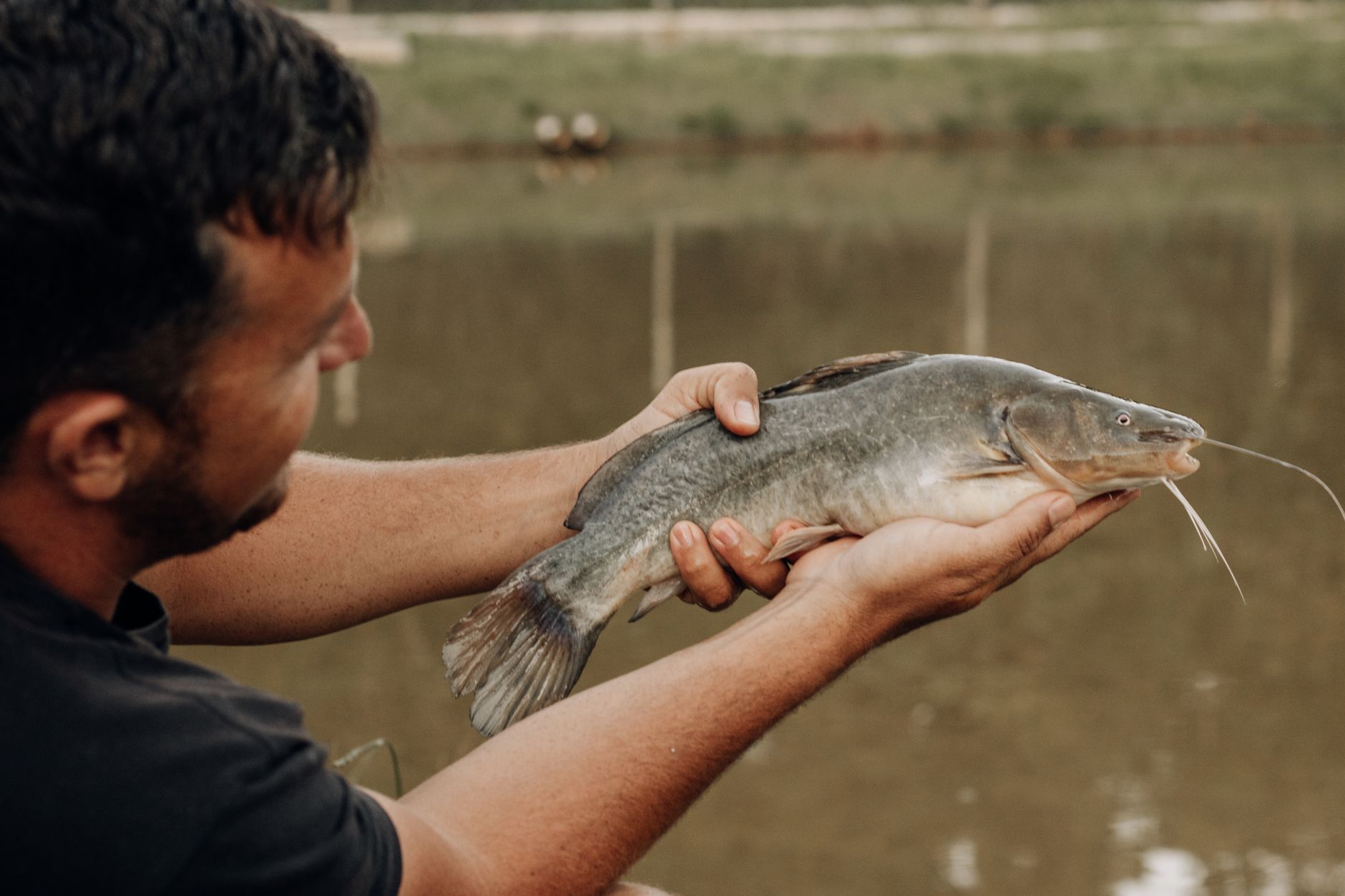
In most everyday situations, simply referring to a male fish as a male fish is perfectly acceptable and accurate. This generic term avoids confusion and is universally understood. Just like you’d refer to a male dog or a male cat, using “male” followed by “fish” is the standard convention for general identification.
Species-Specific Terminology
While “male fish” is a good catch-all, many fish species have specialized terms for males, often related to breeding behavior, physical characteristics, or even local folklore. This is where what do you call a male fish? becomes more nuanced.
- Salmon and Trout: A mature male salmon or trout, especially during spawning season, can be called a cock. This term is related to their aggressive behavior and the development of a hooked jaw (kype).
- Guppies and Other Livebearers: While not a specific term just for the male, males of livebearing fish like guppies are often significantly smaller and more brightly colored than the females, making them easily identifiable. The difference in appearance between males and females is called sexual dimorphism.
- Breeding Terminology: In aquaculture or specific scientific contexts, you might hear terms like sire used to refer to a male fish used for breeding.
Sexual Dimorphism and Identification
A key aspect of understanding how to identify male fish lies in recognizing sexual dimorphism, the differences in appearance between males and females. This can include:
- Coloration: Males often have brighter, more vibrant colors to attract females.
- Size: In some species, males are larger than females; in others, it’s the opposite.
- Fin Shape: Males may have longer or differently shaped fins, particularly the anal or dorsal fins.
- Body Shape: Males might develop humps on their heads or exhibit other structural differences during breeding season.
The Role of Scientists and Aquaculturists
Scientists and aquaculturists utilize specific anatomical characteristics to accurately identify the sex of a fish. This often involves:
- Examining Gonads: Dissection and microscopic examination of the gonads (testes or ovaries) provide definitive confirmation of sex.
- Vent Examination: The vent (anus) of a fish can sometimes provide clues. Males may have a different vent shape or a papilla (a small tube) for sperm release.
- Hormone Testing: Analyzing hormone levels in blood or tissue samples can also determine sex.
Common Misconceptions
One common misconception is that there’s a single, universally accepted term for a male fish beyond “male fish.” What do you call a male fish? As we’ve seen, the answer is context-dependent. Another misconception is that all male fish are brightly colored and easily identifiable. Many species exhibit minimal sexual dimorphism, making sexing them challenging.
Table: Species-Specific Male Fish Terms
| Species | Male Specific Term | Context |
|---|---|---|
| Salmon & Trout | Cock | Mature male, especially during spawning |
| Guppies | Male Guppy | Distinguishable by coloration & size |
| Breeding Stock | Sire | Male used for breeding |
Bullet Points: Key Takeaways
- The most common and universally understood term is “male fish.”
- Species-specific terms like “cock” (for salmon/trout) exist but are context-dependent.
- Sexual dimorphism plays a crucial role in identifying male fish based on physical characteristics.
- Scientific identification involves examining gonads or analyzing hormone levels.

Frequently Asked Questions (FAQs)
Is there a slang term for a male fish?
While there isn’t a universally recognized slang term, regional or fishing communities might use informal terms. However, these are highly localized and not considered standard language. It’s always best to use “male fish” or a species-specific term if you know it.
How can you tell the difference between male and female goldfish?
Telling the difference between male and female goldfish can be tricky, especially outside of breeding season. During breeding, males may develop breeding tubercles (small white bumps) on their gill covers and pectoral fins. They may also actively pursue females.
Do all fish have separate sexes?
No. Some fish species are hermaphroditic, meaning they possess both male and female reproductive organs. These fish can be simultaneous hermaphrodites (capable of producing both eggs and sperm at the same time) or sequential hermaphrodites (changing sex at some point in their lives).
What is protandry?
Protandry is a type of sequential hermaphroditism where the fish is first male and later transitions to female. This is observed in several species, including some clownfish.
What is protogyny?
Protogyny is the opposite of protandry. In protogyny, the fish is first female and later transitions to male. This is common in wrasses and parrotfish.
Are there any fish species with no males?
Yes. Some fish species, such as certain types of Amazon mollies, reproduce through a process called gynogenesis. In gynogenesis, females require sperm from a male of a closely related species to activate egg development, but the male’s DNA is not incorporated into the offspring. Therefore, all offspring are female clones of the mother.
What is the “kype” in salmon?
The kype is a distinctive hooked jaw that develops in male salmon during spawning season. This is a secondary sexual characteristic that they use in displays of aggression and dominance.
Is it possible to change a fish’s sex?
Yes, it is possible to induce sex change in some fish species, especially those that are hermaphroditic, through hormone manipulation. This is sometimes done in aquaculture to produce all-female populations, which may grow faster or have other desirable traits.
What is the difference between “fry” and “fingerling”?
“Fry” refers to newly hatched fish. “Fingerling” refers to a young fish that is approximately the size of a finger. These terms apply regardless of the fish’s sex.
Why are male guppies more colorful than female guppies?
The brighter colors of male guppies serve to attract females during mating rituals. This is a classic example of sexual selection, where traits that increase reproductive success are favored.
What is the scientific term for fish testes?
The scientific term for fish testes is milt. Milt is also the name given to the seminal fluid containing sperm.
What do you call a male fish? Is the answer “bull”?
No, the term “bull” is not generally used to refer to a male fish, although it may be used informally in specific regional dialects for certain larger species. The most accurate and widely understood term remains “male fish.”