
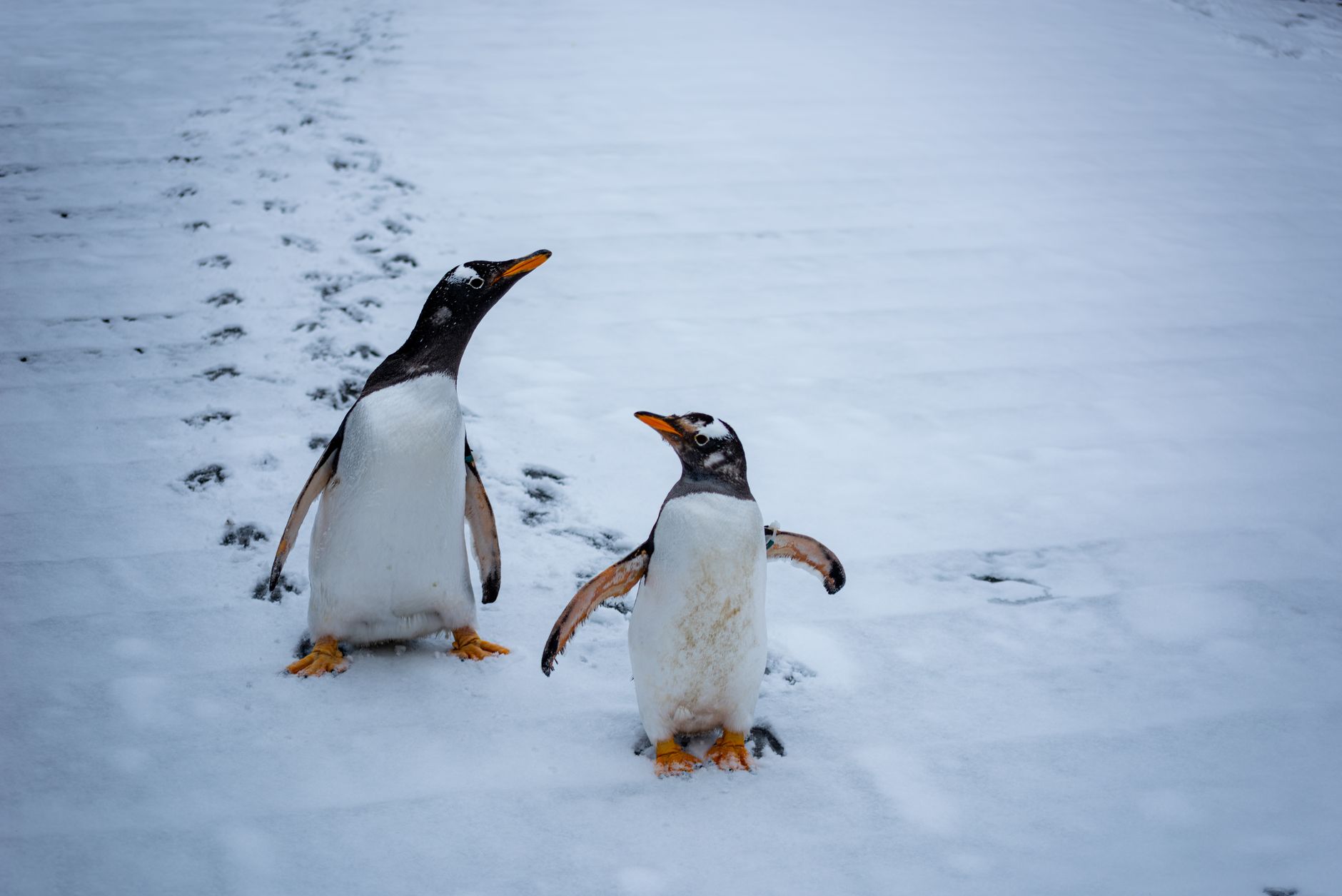
What Do Penguins Do When They Feel Cold?: A Survival Guide
What do penguins do when they feel cold? Penguins have evolved a remarkable suite of adaptations, including dense plumage, subcutaneous fat layers, and sophisticated behavioral strategies like huddling, to effectively combat the cold and maintain their internal body temperature in frigid environments.

A Life Lived on Ice: The Penguin’s Plight
Penguins are synonymous with the icy landscapes of the Antarctic and subantarctic regions, although some species inhabit warmer climates. Regardless of their specific location, all penguins face the challenge of surviving in environments that can plunge to extremely low temperatures, often well below freezing. Understanding what do penguins do when they feel cold? requires appreciating the unique physiological and behavioral adaptations they’ve developed over millennia. Their survival depends on a complex interplay of insulation, heat generation, and social strategies.
Feathery Fortress: The Importance of Plumage

A penguin’s most visible defense against the cold is its plumage. Unlike most birds, a penguin’s feathers are short, stiff, and densely packed. This creates a waterproof barrier that traps a layer of air close to the skin, providing crucial insulation. The density of feathers can range from 10 to 12 feathers per square centimeter.
- Waterproofing: Oiling their feathers regularly helps maintain water resistance.
- Insulation: Trapped air acts as a buffer against the cold.
- Streamlining: Tight feather packing minimizes drag in water.
Blubber: The Deep Heat Source
Beneath the plumage lies a substantial layer of subcutaneous fat, commonly known as blubber. This layer serves as another powerful insulator, further reducing heat loss. The thickness of the blubber layer varies depending on the species and its environment, but it can be several centimeters thick in Antarctic species like the Emperor penguin.
Huddling for Warmth: A Collective Strategy
Perhaps the most iconic image associated with penguin cold-weather survival is huddling. This behavior involves large groups of penguins packing closely together, reducing their collective surface area exposed to the elements.
- Shared Warmth: Penguins rotate positions within the huddle, ensuring everyone gets a turn in the warmer, sheltered interior.
- Reduced Heat Loss: Huddling can decrease individual heat loss by up to 50%.
- Social Cohesion: This behavior also reinforces social bonds within the colony.
Physiological Adaptations: Staying Warm From Within
Penguins possess physiological adaptations that further contribute to their cold-weather resilience. These include:
- Countercurrent Heat Exchange: Blood vessels in their extremities (feet, flippers) are arranged to allow heat from outgoing arteries to warm incoming veins, minimizing heat loss.
- Low Metabolic Rate: Conserving energy by reducing metabolic rate during periods of extreme cold.
- Shivering: Generating heat through involuntary muscle contractions when body temperature drops.
Not All Penguins Are the Same: Species Variations
While the core strategies remain consistent, different penguin species employ varying tactics based on their specific environments. For example, Emperor penguins face the harshest Antarctic winters and rely heavily on huddling and blubber, while Galapagos penguins, living near the equator, have adaptations to avoid overheating. Thus, what do penguins do when they feel cold is also dependent on their environment.
Table: Comparison of Cold-Weather Adaptations by Penguin Species
| Feature | Emperor Penguin | Adelie Penguin | Rockhopper Penguin |
|---|---|---|---|
| Habitat | Antarctica | Antarctica | Subantarctic Islands |
| Blubber Thickness | High | Medium | Medium |
| Huddling Behavior | Extensive | Frequent | Less Frequent |
| Plumage Density | High | High | Medium |
The Future of Penguins in a Warming World
Climate change poses a significant threat to penguin populations. Rising temperatures, melting ice, and shifting prey distributions are disrupting their habitats and challenging their survival strategies. Understanding what do penguins do when they feel cold? is more crucial than ever in order to inform conservation efforts and protect these remarkable creatures.

Frequently Asked Questions (FAQs)
What is the ideal body temperature for a penguin?
Penguins maintain a relatively high body temperature, typically between 38 and 39 degrees Celsius (100.4 to 102.2 degrees Fahrenheit). This internal warmth is crucial for their metabolic processes and overall health.
How do penguins keep their feet from freezing on the ice?
The countercurrent heat exchange system in their legs and feet is key. Warm arterial blood flows past cold venous blood, transferring heat and preventing significant heat loss from their extremities.
Do all penguins huddle together for warmth?
Huddling is most common in penguin species that inhabit extremely cold environments, such as Emperor and Adelie penguins. Other species may huddle occasionally, but it’s not as integral to their survival.
How do penguins stay dry in icy water?
Their densely packed, oily feathers provide a waterproof barrier that prevents water from reaching their skin. They preen regularly to maintain the integrity of this barrier.
What role does diet play in penguin cold-weather survival?
A diet rich in fatty fish and krill provides the necessary energy and blubber reserves to fuel their metabolism and provide insulation.
How do penguin chicks stay warm before they develop full plumage?
Penguin chicks are highly dependent on their parents for warmth. Parents brood their chicks, covering them with their bodies to protect them from the elements.
Do penguins migrate to warmer climates during the winter?
Some penguin species do migrate to find food, but they generally do not seek warmer climates. They are well-adapted to cold conditions and can survive in icy environments.
What happens to a penguin if it gets too cold?
If a penguin’s body temperature drops too low (hypothermia), it can experience shivering, weakness, and ultimately, death. Therefore, all their adaptions are critical.
Are some penguin species more cold-hardy than others?
Yes, species like Emperor penguins are exceptionally cold-hardy, while others, such as Galapagos penguins, are adapted to warmer temperatures.
How does wind affect penguins in cold environments?
Wind can significantly increase heat loss by stripping away the insulating layer of air trapped in their feathers. Huddling provides protection from wind.
What conservation efforts are in place to help penguins survive in a changing climate?
Conservation efforts include monitoring penguin populations, protecting their habitats, reducing pollution, and addressing climate change.
How can I help penguins from home?
You can support penguin conservation by reducing your carbon footprint, choosing sustainable seafood, and donating to organizations working to protect penguins and their habitats. Recognizing that what do penguins do when they feel cold is a complex and delicately balanced ecosystem of survival is paramount.