
What Do Different Cat Purrs Mean? Unlocking the Secrets of Feline Vocalizations
The complex world of cat purrs extends far beyond simple contentment; what different cat purrs mean varies significantly, ranging from pleasure and self-soothing to signaling pain or even seeking attention and food. Decoding these subtle vibrations offers unique insights into your cat’s emotional and physical state.

Understanding the Purr: More Than Just Happiness
The purr, a seemingly simple sound emanating from our feline companions, is anything but. For decades, it was believed that cats purred only when content, basking in affection, or enjoying a sunbeam. However, research has revealed a far more nuanced and complex story. Understanding what different cat purrs mean requires a deeper dive into feline behavior and physiology. The rhythmic rumble we associate with happiness is just one facet of a sophisticated communication system.
The Mechanics of the Purr
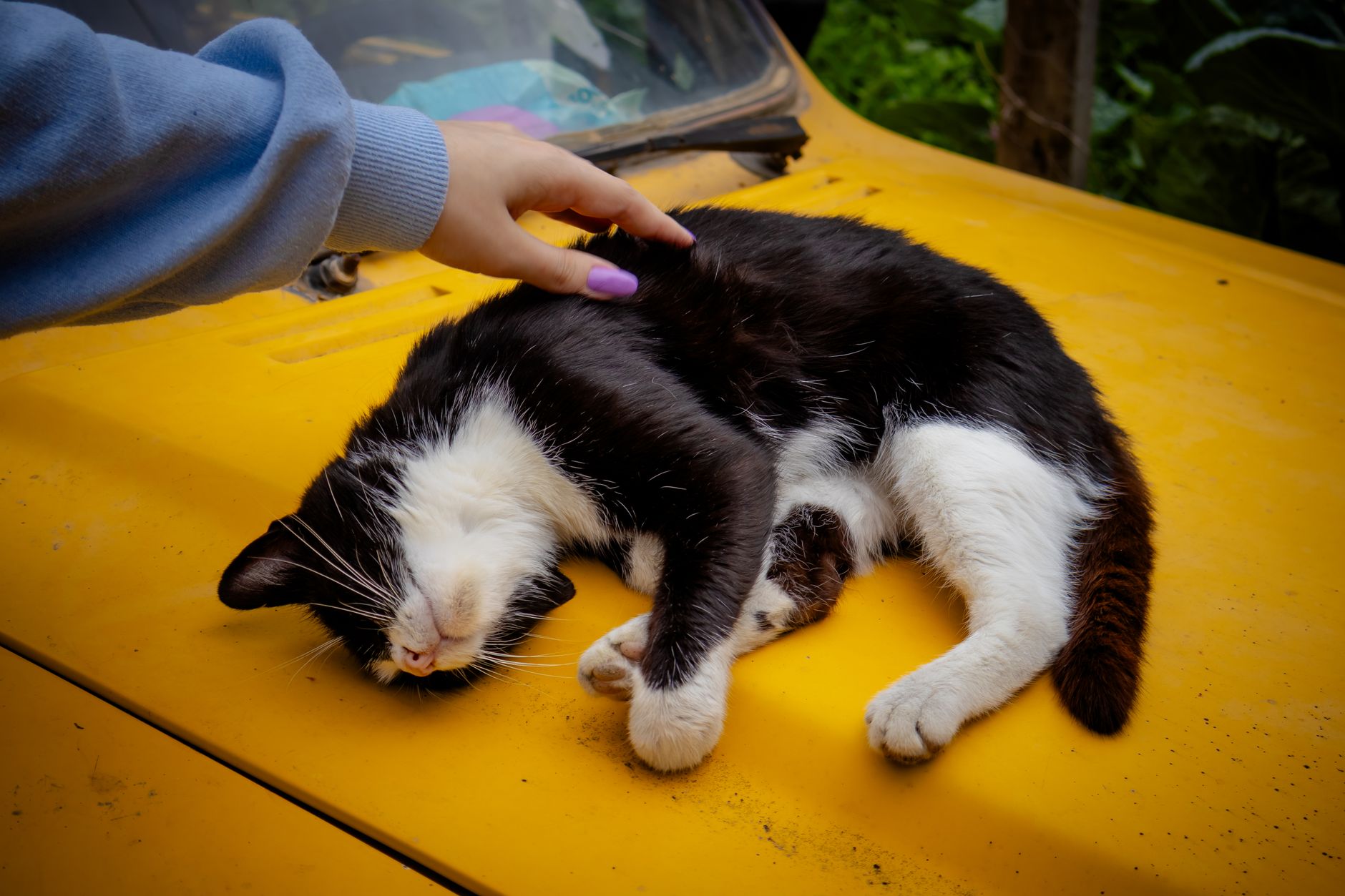
The precise mechanism behind a cat’s purr remained a mystery for years. The prevailing theory now suggests that the sound originates within the larynx, specifically through the rapid contraction and relaxation of the laryngeal muscles. These movements vibrate the vocal cords and the surrounding tissues, producing the characteristic purring sound. The unique frequency of this vibration, typically between 25 and 150 Hertz, is believed to have therapeutic properties, both for the cat and for humans.
The Many Meanings Behind the Murmur
What do different cat purrs mean? Beyond the stereotypical sign of pleasure, purrs can convey a range of emotions and needs. Identifying subtle variations in the sound, pitch, and accompanying body language is key to understanding your cat’s intentions.
-
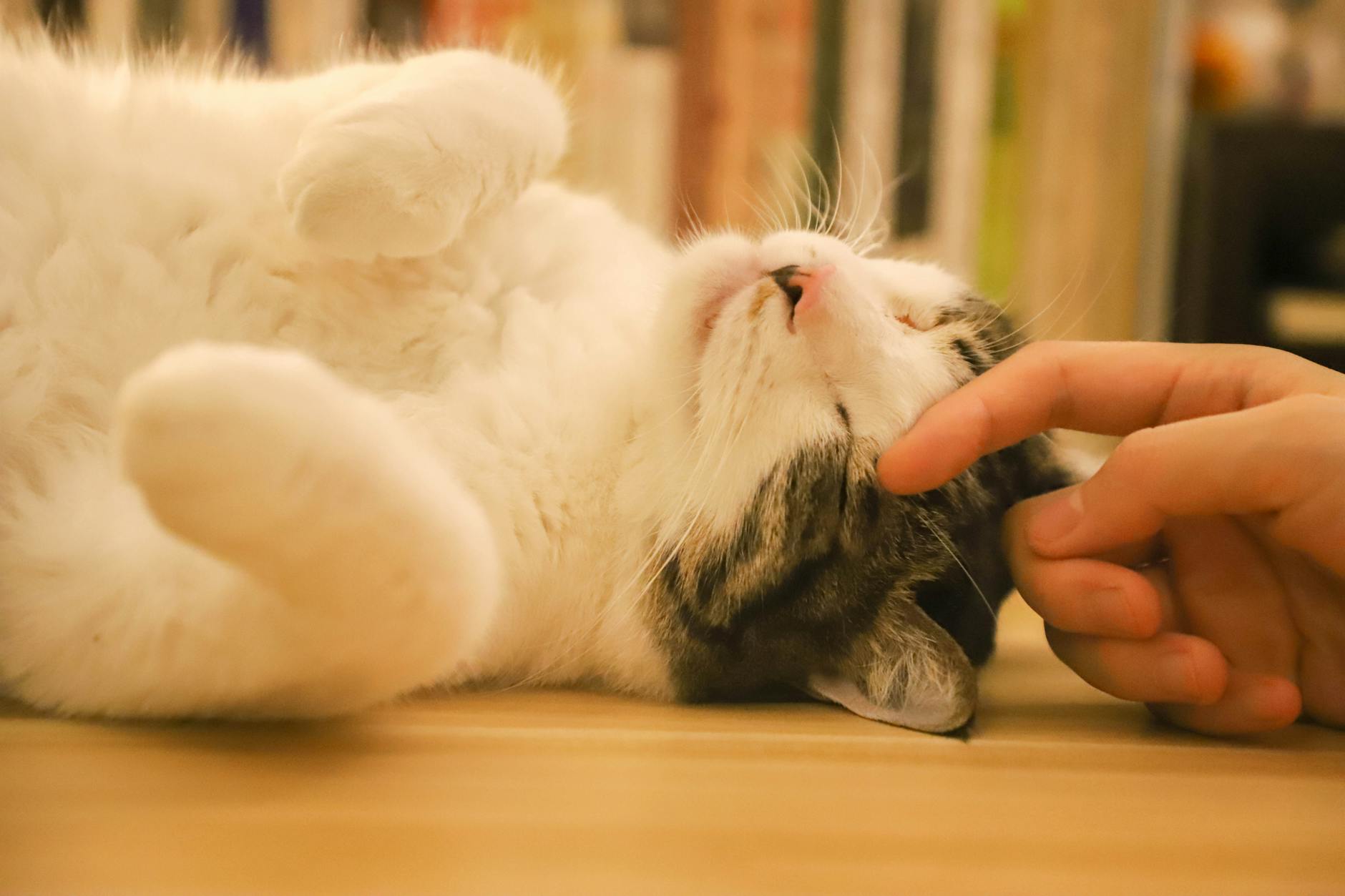
Contentment Purrs: These are the most recognizable. They’re usually low-pitched, steady, and accompanied by relaxed body language, such as kneading, slow blinking, and rubbing against objects or people.
-
Seeking Attention/Food Purrs: Research has shown that cats can manipulate their purrs to elicit a response from their owners. These purrs often include a high-frequency “cry” embedded within the rumble, similar to the sound of a human baby’s cry. This manipulative purr is more effective at grabbing attention.
-
Self-Soothing Purrs: Cats also purr when they are injured, stressed, or in pain. It’s believed that the low-frequency vibrations of the purr promote healing and reduce anxiety. The vibrations can stimulate bone growth and muscle repair.

-
Mother-Kitten Bonding: Kittens are born blind and deaf, and they rely on their mother’s purr for comfort and guidance. The mother’s purr also strengthens the bond between her and her kittens.

Deciphering the Context: Body Language is Key
While purring can be an indicator of various emotions, it’s crucial to consider the context and accompanying body language to accurately interpret its meaning.
| Purr Type | Sound Characteristics | Body Language Cues | Possible Meaning |
|---|---|---|---|
| Contentment | Low-pitched, steady, consistent | Relaxed posture, kneading, slow blinking, rubbing against objects/people | Happiness, contentment, relaxation |
| Seeking Attention | High-frequency “cry” embedded within the purr | Rubbing insistently, meowing, following owner | Hunger, need for attention, desire for play |
| Self-Soothing | Can be louder, less consistent, may be accompanied by panting | Cowering, hiding, licking wounds, hunched posture | Pain, stress, anxiety, discomfort |
| Mother-Kitten | Soft, consistent | Nursing kittens, grooming, protective posture | Bonding, comfort, reassurance |
The Therapeutic Power of the Purr: Benefits for Cats and Humans
The healing power of the cat’s purr is increasingly recognized. The low-frequency vibrations have been shown to have a number of beneficial effects:
- Bone healing: The frequencies within the purr stimulate bone growth and repair.
- Muscle repair: The vibrations can help to reduce inflammation and promote muscle tissue regeneration.
- Pain relief: Purring can release endorphins, which have natural pain-relieving properties.
- Stress reduction: The rhythmic rumble of the purr can have a calming effect, reducing anxiety and promoting relaxation.
For humans, studies suggest that owning a cat can lower blood pressure, reduce the risk of heart disease, and promote feelings of well-being. The therapeutic power of the purr contributes significantly to these health benefits.
Frequently Asked Questions (FAQs)
Is it true that all cats purr?
No, not all cats purr. While the vast majority of domestic cats are capable of purring, some species, particularly within the Panthera genus (lions, tigers, leopards, and jaguars), roar instead. Although some research suggests the possibility of them purring, it hasn’t been fully verified.
Can cats purr and meow at the same time?
While rare, cats can technically purr and meow simultaneously. This is generally a sign of extreme distress or urgent need. For example, a cat in severe pain may attempt to meow for help while simultaneously purring to self-soothe.
What does it mean when a cat purrs loudly?
A loud purr is usually a sign of intense happiness or contentment, but it can also indicate heightened anxiety or pain. The volume of the purr isn’t as important as the context and accompanying body language. A cat purring loudly while kneading a soft blanket is likely expressing pure joy, while a cat purring loudly while hiding under the bed may be signaling distress.
Why does my cat purr when I pet them?
Purring during petting is most often a sign of pleasure and contentment. Your cat is likely enjoying the physical contact and the attention you are giving them. This purr is typically accompanied by relaxed body language, such as closed eyes and a gentle kneading motion.
Is it possible for a cat to fake a purr?
While not “faking” in the human sense, cats can manipulate their purrs to get what they want. As mentioned earlier, some purrs contain a high-frequency element that mimics a baby’s cry, making them more effective at eliciting a response from their owners.
How can I tell if my cat is purring because they are in pain?
Pain-related purrs are often accompanied by distinct body language cues. Look for signs of discomfort, such as a hunched posture, hiding, reluctance to move, panting, or licking a specific area of the body excessively. If you suspect your cat is in pain, consult a veterinarian.
Do kittens purr?
Yes, kittens begin purring within days of birth. This purr is crucial for bonding with their mother and for signaling their needs. The mother cat also purrs to reassure and comfort her kittens.
What is the difference between a purr and a trill?
A trill is a different type of vocalization altogether. It’s a short, high-pitched, chirping sound that cats often use to greet people or to express excitement. A purr is a continuous, rumbling vibration.
Can cats purr even if they have a respiratory infection?
Cats with respiratory infections may still be able to purr, but the sound might be altered or less frequent. If your cat’s purr sounds different than usual, or if they are exhibiting other signs of illness, such as sneezing, coughing, or nasal discharge, consult a veterinarian.
Are some cats more likely to purr than others?
Yes, individual cats vary in their propensity to purr. Some cats are naturally more vocal than others. Breed, personality, and life experiences can all influence how frequently a cat purrs.
Does the absence of a purr mean my cat is unhappy?
Not necessarily. Some cats simply don’t purr very often, even when they are content. If your cat is otherwise healthy and displays other signs of happiness, such as relaxed body language and playful behavior, the absence of a purr is likely nothing to worry about.
Can a cat’s purr help me feel better?
Yes, there is evidence to suggest that a cat’s purr can have a calming and therapeutic effect on humans. The low-frequency vibrations can lower blood pressure, reduce stress, and promote feelings of well-being. So, cuddling with your purring cat can be beneficial for both of you!