
What do Bees Do for the Environment?
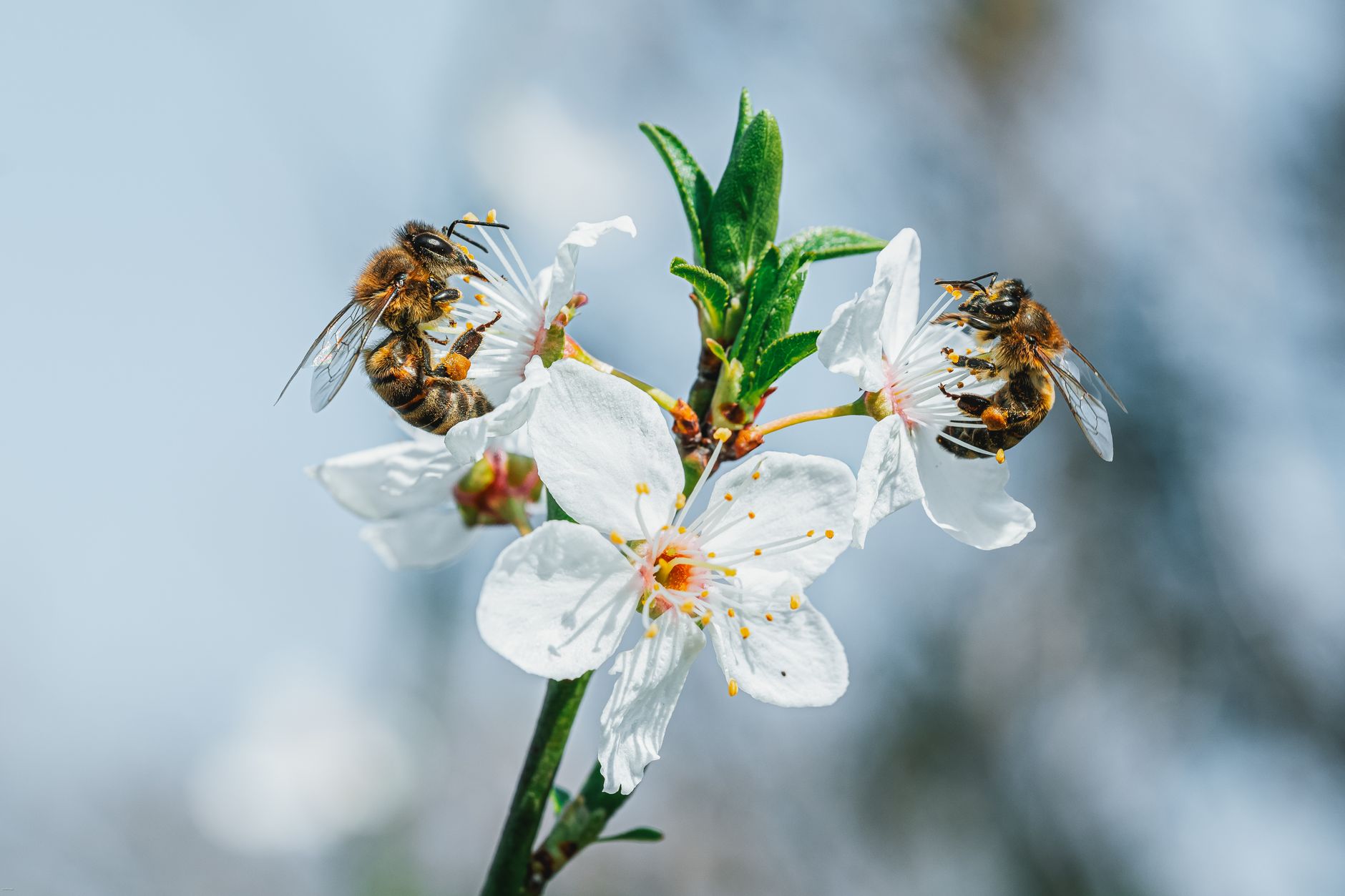
Bees are, quite simply, the linchpin of countless ecosystems, performing the invaluable service of pollination, which underpins food security and biodiversity. Through this process, they facilitate the reproduction of a vast array of plants, directly impacting everything from the crops we eat to the wildflowers that sustain other animal populations.

The Silent Guardians: Bees and Pollination
Bees are arguably the most important pollinators on the planet. While other insects, birds, and even mammals contribute to pollination, bees are uniquely adapted for this task. Their fuzzy bodies are perfectly designed to collect pollen, and they actively forage for it to feed their offspring. This dedication to pollen collection makes them incredibly efficient pollinators, ensuring that plants are successfully fertilized and produce seeds. Without bees, many plants would struggle to reproduce, leading to a decline in their populations and a cascading effect throughout the food web.
Pollination: The Engine of Life
Pollination is the transfer of pollen from the male part of a flower (the stamen) to the female part (the pistil), enabling fertilization and the production of seeds and fruits. Bees, in their relentless quest for nectar and pollen, act as the primary agents of this transfer. As they move from flower to flower, pollen grains cling to their bodies and are inadvertently deposited on the stigmas of other flowers of the same species. This cross-pollination is crucial for maintaining genetic diversity and ensuring the health and resilience of plant populations.
Beyond Food: The Broader Ecological Impact

The impact of bee pollination extends far beyond agriculture. Many wild plants rely on bees for their reproduction, and these plants, in turn, provide food and habitat for a wide range of animals. By supporting plant biodiversity, bees contribute to the overall health and stability of ecosystems. Forests, grasslands, and wetlands all benefit from the pollinating activities of bees, maintaining the intricate web of life that sustains our planet. A decline in bee populations can trigger a domino effect, leading to a loss of plant species and the animals that depend on them.
The Economic Value of Bees: More Than Honey
While honey production is a well-known benefit of beekeeping, the economic value of bees as pollinators far outweighs the value of their honey. In fact, bee pollination is estimated to be worth billions of dollars annually worldwide, contributing significantly to global food production.
A Boon to Agriculture
Many of our most important crops, including fruits, vegetables, nuts, and seeds, rely on bee pollination. Without bees, the yields of these crops would be significantly reduced, leading to higher food prices and potential food shortages. Almonds, blueberries, apples, and pumpkins are just a few examples of crops that are heavily dependent on bee pollination. The economic contribution of bees to these industries is immense.
Supporting Rural Economies
Beekeeping is a vital source of income for many rural communities. Beekeepers not only harvest honey and other bee products but also provide pollination services to farmers. By renting out their hives, beekeepers help farmers to increase their crop yields, supporting local economies and ensuring a stable food supply. Sustainable beekeeping practices are crucial for maintaining healthy bee populations and ensuring the long-term viability of this industry.
Threats to Bee Populations: A Call to Action
Unfortunately, bee populations are facing a number of serious threats, including habitat loss, pesticide use, climate change, and diseases. These threats are contributing to a global decline in bee populations, raising concerns about the future of pollination and food security.
Habitat Loss: The Shrinking Landscape
As natural habitats are converted to agricultural land, urban areas, and industrial sites, bees are losing the food sources and nesting sites they need to survive. The fragmentation of habitats also makes it difficult for bees to travel between different areas, reducing their ability to pollinate plants. Restoring and protecting bee habitats is essential for supporting healthy bee populations.
Pesticide Use: A Toxic Environment
Pesticides, particularly neonicotinoids, can be harmful to bees. These chemicals can affect bees’ nervous systems, impairing their ability to forage, navigate, and reproduce. Even sublethal doses of pesticides can have a significant impact on bee populations. Reducing pesticide use and adopting integrated pest management strategies are crucial for protecting bees from these harmful chemicals.
Climate Change: An Unpredictable Future
Climate change is altering the timing of flowering events, which can disrupt the synchrony between bees and the plants they pollinate. Changes in temperature and precipitation patterns can also affect bee habitats and food sources. Mitigating climate change and adapting to its effects are essential for ensuring the long-term survival of bee populations.
Diseases and Parasites: A Weakened Defense
Bees are susceptible to a variety of diseases and parasites, including Varroa mites, Nosema fungi, and viruses. These pathogens can weaken bees, making them more vulnerable to other threats. Controlling diseases and parasites is important for maintaining healthy bee populations.

FAQs: Delving Deeper into the World of Bees
FAQ 1: What is colony collapse disorder (CCD)?
Colony collapse disorder (CCD) is a phenomenon characterized by the sudden disappearance of worker bees from a colony, leaving behind the queen, some nurse bees, and immature bees. The exact cause of CCD is unknown, but it is believed to be a complex interaction of factors, including pesticides, diseases, parasites, and stress.
FAQ 2: What are some common types of bees?
There are many different types of bees, but some of the most common include honey bees, bumble bees, carpenter bees, mason bees, and leafcutter bees. Each type of bee has its own unique characteristics and plays a different role in the ecosystem.
FAQ 3: How can I create a bee-friendly garden?
To create a bee-friendly garden, plant a variety of flowers that bloom at different times of the year. Choose flowers that are native to your area and avoid using pesticides. Provide a source of water for bees, such as a shallow dish filled with pebbles and water.
FAQ 4: What are the benefits of planting native flowers for bees?
Native flowers are adapted to the local climate and soil conditions, making them more resilient and easier to grow. They also provide the specific nutrients and resources that local bee populations need.
FAQ 5: How do bees make honey?
Bees collect nectar from flowers and store it in their honey sacs. They then return to the hive and regurgitate the nectar, passing it from bee to bee. Enzymes in the bees’ saliva break down the complex sugars in the nectar into simpler sugars, which are easier for bees to digest. The bees then fan their wings to evaporate the water from the honey, thickening it and preserving it.
FAQ 6: Are all bees social insects?
No, not all bees are social insects. Honey bees and bumble bees are social bees, meaning they live in colonies with a queen, worker bees, and drones. However, many other types of bees are solitary, meaning they live and reproduce on their own.
FAQ 7: What is the difference between a honey bee and a bumble bee?
Honey bees are typically smaller and more slender than bumble bees. Bumble bees are also covered in fuzzy hairs, which help them to collect pollen. Honey bees live in large, permanent colonies, while bumble bees live in smaller, temporary colonies.
FAQ 8: How do bees communicate with each other?
Bees communicate with each other through a variety of methods, including dances, pheromones, and sounds. The waggle dance is a famous example of bee communication, in which worker bees communicate the location of food sources to other bees in the hive.
FAQ 9: What is the role of the queen bee?
The queen bee is the only fertile female in the hive. Her primary role is to lay eggs, ensuring the continuation of the colony. She also produces pheromones that regulate the behavior of the other bees in the hive.
FAQ 10: What can I do to help protect bees?
There are many things you can do to help protect bees, including planting bee-friendly flowers, avoiding pesticide use, supporting local beekeepers, and educating others about the importance of bees.
FAQ 11: Are bee stings always dangerous?
For most people, bee stings are not dangerous, although they can be painful. However, some people are allergic to bee venom and can experience a severe allergic reaction, known as anaphylaxis. If you are allergic to bee stings, it is important to carry an epinephrine auto-injector (EpiPen) and seek medical attention immediately if you are stung.
FAQ 12: How can I support sustainable beekeeping practices?
You can support sustainable beekeeping practices by buying honey from local beekeepers who use environmentally friendly methods. Look for beekeepers who prioritize bee health, avoid pesticide use, and manage their hives in a sustainable way. You can also support organizations that promote bee conservation and research.
By understanding the vital role that bees play in the environment and taking action to protect them, we can help to ensure a healthy and sustainable future for our planet.