
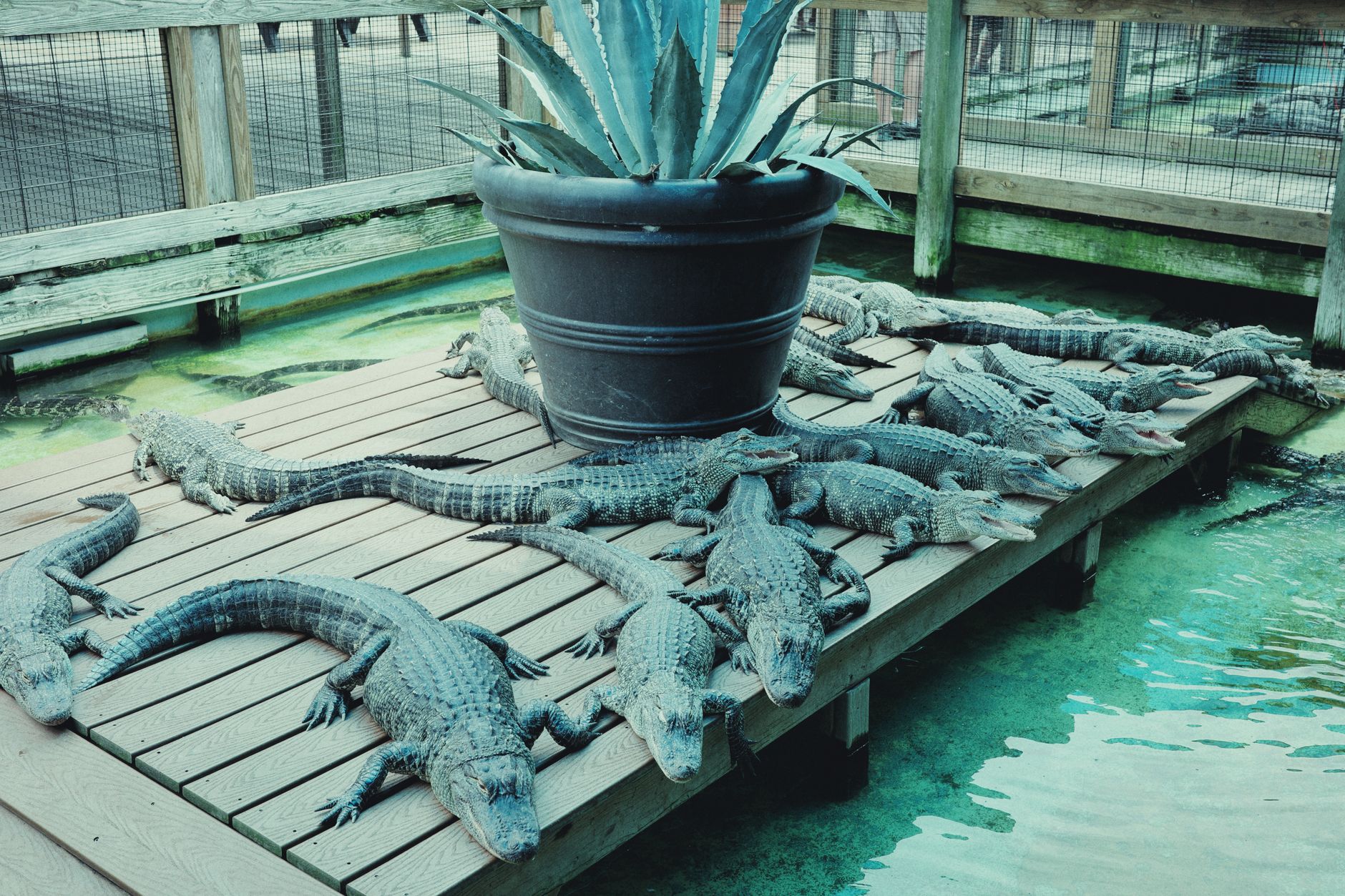
What Do Alligators Do for the Winter? Understanding Alligator Overwintering Behavior
Alligators don’t hibernate in the traditional sense; instead, they enter a state of reduced activity called brumation, conserving energy and surviving the cold by seeking shelter in burrows or underwater dens. This remarkable adaptation allows them to endure even freezing temperatures, offering a fascinating glimpse into their resilience.

Introduction to Alligator Overwintering
The American alligator (Alligator mississippiensis) is a cold-blooded reptile, meaning its body temperature depends on its environment. As temperatures drop during winter, alligators must adapt to survive. What do alligators do for the winter? They utilize several strategies to conserve energy and avoid freezing, primarily involving reduced activity and seeking shelter. Understanding these behaviors provides insight into the alligator’s remarkable ability to thrive in varying climates.
The Brumation Process: A State of Reduced Activity

Unlike true hibernation in mammals, alligators undergo brumation. This is a state of dormancy where their metabolic rate slows down significantly. They become less active and require little food, allowing them to conserve energy during the colder months. The trigger for brumation is primarily temperature, with decreasing water and air temperatures prompting alligators to seek shelter.
Alligator Dens and Burrows: Sheltering from the Cold
A crucial aspect of what do alligators do for the winter? is finding or creating suitable shelter. Alligators often dig burrows into the banks of rivers, lakes, or swamps. These burrows provide protection from freezing temperatures and wind. Sometimes, alligators will also utilize existing natural cavities or underwater dens, preferring areas with stable temperatures and access to water. These shelters help regulate body temperature and protect against the elements.
The “Alligator Ice Hole”: A Survival Strategy
Perhaps the most fascinating adaptation related to what do alligators do for the winter? is the “alligator ice hole.” In areas where water freezes over, alligators have been observed to poke their snouts through the ice, creating a breathing hole. While their bodies remain submerged in the relatively warmer water beneath the ice, their nostrils stay exposed to the air, allowing them to breathe. This behavior demonstrates their incredible ability to survive in freezing conditions. It’s not that they enjoy being frozen, but that they’ve adapted to survive these conditions.
Metabolic Slowdown and Reduced Feeding
During brumation, an alligator’s metabolism slows considerably. This means they require far less energy and, consequently, eat very little or nothing at all. They rely on stored fat reserves to survive the winter. Digestive processes slow down or cease entirely, further conserving energy. This physiological adaptation is critical for their survival during prolonged periods of cold weather.
Factors Influencing Overwintering Behavior
Several factors can influence what do alligators do for the winter?. These include:
- Geographic Location: Alligators in the northern part of their range (e.g., North Carolina) experience colder winters and may spend longer periods in brumation compared to those in Florida or Louisiana.
- Age and Size: Smaller, younger alligators are more vulnerable to cold and may seek more sheltered burrows. Larger alligators, with their greater body mass, can tolerate colder temperatures for longer periods.
- Availability of Shelter: The presence of suitable burrowing locations and natural cavities can significantly impact overwintering strategies.
- Water Temperature: The temperature of the water in their habitat plays a key role in determining how long and how intensely alligators brumate.
The End of Winter: Emergence and Re-emergence
As temperatures rise in the spring, alligators gradually emerge from their burrows and underwater dens. Their metabolic rate increases, and they begin to feed again. The timing of their emergence depends on the specific location and the severity of the winter. Re-emergence marks the beginning of the breeding season for alligators, a crucial period for their reproductive cycle.
Comparison Table: Hibernation vs. Brumation
| Feature | Hibernation (Mammals) | Brumation (Reptiles, including Alligators) |
|---|---|---|
| Metabolic Rate | Extremely low; heart rate and breathing significantly reduced | Significantly reduced, but not as drastically as hibernation |
| Body Temp | Drastic drop in body temperature, approaching ambient | Body temperature drops, but remains closer to ambient |
| Activity | Completely inactive; deep sleep | Reduced activity; may move or emerge on warmer days |
| Food Intake | No food intake | Little or no food intake |
| Arousal | Difficult to arouse | Easier to arouse |
Why Understanding Alligator Overwintering Matters
Understanding what do alligators do for the winter? is crucial for conservation efforts. Knowing their habitat needs and overwintering strategies allows wildlife managers to protect critical areas and minimize human disturbance. This knowledge also helps to educate the public and promote responsible coexistence with these fascinating reptiles.
Common Misconceptions About Alligator Winter Behavior
One common misconception is that alligators hibernate like mammals. While they do become less active and enter a state of dormancy, it is not true hibernation. They can still move and may emerge on warmer days. Another misconception is that alligators freeze solid. While they can tolerate freezing temperatures for short periods, they actively seek shelter to avoid freezing entirely.
The Remarkable Resilience of Alligators
The alligator’s ability to survive harsh winter conditions is a testament to its evolutionary resilience. Their ability to slow their metabolism, seek shelter, and even create breathing holes in the ice demonstrates their adaptability. Understanding these adaptations is essential for appreciating the alligator’s role in its ecosystem and ensuring its continued survival.

Frequently Asked Questions About Alligator Winter Behavior
Are alligators truly hibernating during the winter?
No, alligators undergo brumation, not true hibernation. Brumation is a state of reduced activity and metabolic slowdown, but they are not in a deep sleep like hibernating mammals. They can still move and respond to stimuli.
How cold can alligators tolerate?
Alligators can tolerate short periods of freezing temperatures, but they prefer to avoid freezing if possible. They seek shelter in burrows or underwater dens to maintain a stable body temperature. The longer the cold snap, the greater the risk to the alligator.
What is an alligator’s “ice hole,” and why do they create it?
An alligator “ice hole” is a breathing hole created by an alligator poking its snout through the ice. This allows it to breathe while its body remains submerged in the relatively warmer water beneath the ice. It is a survival adaptation in areas where the water freezes over.
Do alligators eat during the winter?
Generally, alligators eat very little or nothing at all during the winter. Their metabolism slows down, and they rely on stored fat reserves to survive.
How long does alligator brumation last?
The duration of brumation depends on the geographic location and the severity of the winter. In some areas, it may last only a few weeks, while in others, it can last for several months.
Where do alligators typically spend the winter?
Alligators spend the winter in burrows they dig into the banks of rivers, lakes, or swamps, or in underwater dens. These shelters provide protection from freezing temperatures and wind.
Are young alligators more vulnerable during the winter?
Yes, younger alligators are more vulnerable to cold temperatures than older, larger alligators. They often seek more sheltered burrows to protect themselves.
What happens if an alligator gets trapped in ice?
If an alligator gets trapped in ice and cannot create a breathing hole, it may die. However, they are generally adept at finding or creating ways to breathe.
Do alligators come out of their burrows on warm winter days?
Yes, alligators may emerge from their burrows on warmer winter days to bask in the sun. This helps them to raise their body temperature and conserve energy.
How does climate change affect alligator overwintering behavior?
Climate change and warmer winters could potentially shorten the brumation period for alligators and shift their geographic range northward. This could have various ecological consequences.
Is it safe to approach an alligator during the winter?
It is never safe to approach an alligator, regardless of the season. While they may be less active during the winter, they are still capable of defending themselves.
How can I help protect alligator habitats during the winter?
Avoid disturbing alligator burrows or dens. Respect their space and avoid feeding them, as this can alter their natural behavior. Support conservation efforts aimed at protecting alligator habitats.