

What Commands Should My Puppy Know at 3 Months?
At three months old, your puppy is a sponge! Focus on building a strong foundation with basic commands like sit, stay, come, and leave it to establish essential communication and good behavior.
Building a Foundation: Early Puppy Training
Bringing a puppy home is an exciting time. But it’s also a critical period for socialization and training. Starting early, around 3 months old, allows you to establish clear communication and build a strong bond with your new furry friend. These early commands aren’t just about obedience; they’re about teaching your puppy how to learn, building confidence, and ensuring their safety.
The Core Commands for a 3-Month-Old Puppy
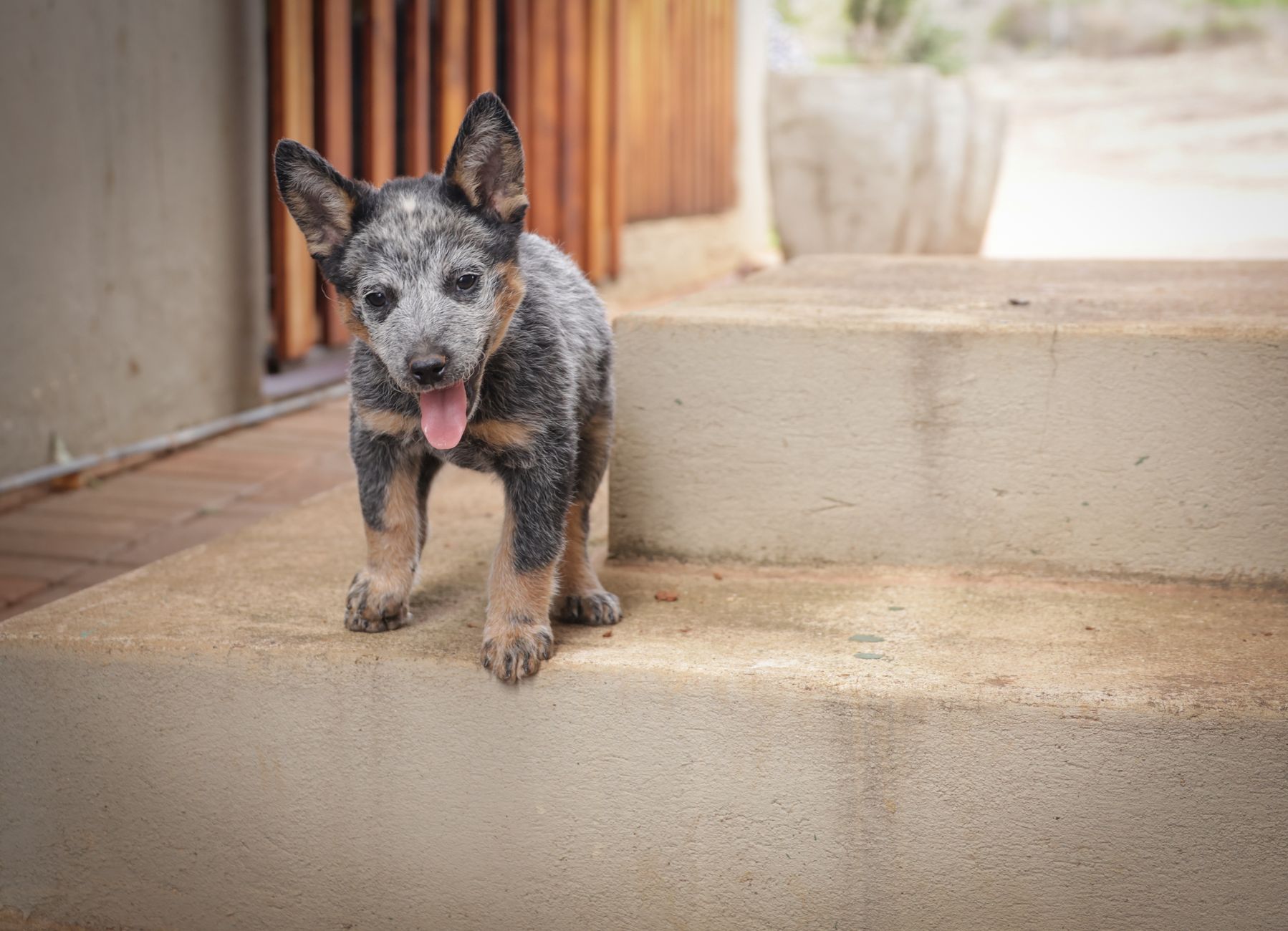
What commands should my puppy know at 3 months? The answer focuses on establishing a foundation. These are the commands that will serve as building blocks for more complex training later on.
- Sit: This is often the first command puppies learn and is incredibly useful for managing excitement and greeting people politely.
- Stay: Even a short stay is valuable at this age. It teaches your puppy impulse control and can be life-saving in certain situations.
- Come: This is arguably the most important command. A reliable recall can prevent your puppy from running into danger.
- Leave it: This command teaches your puppy to resist temptation and is essential for preventing them from ingesting harmful objects.
Training Methods and Techniques
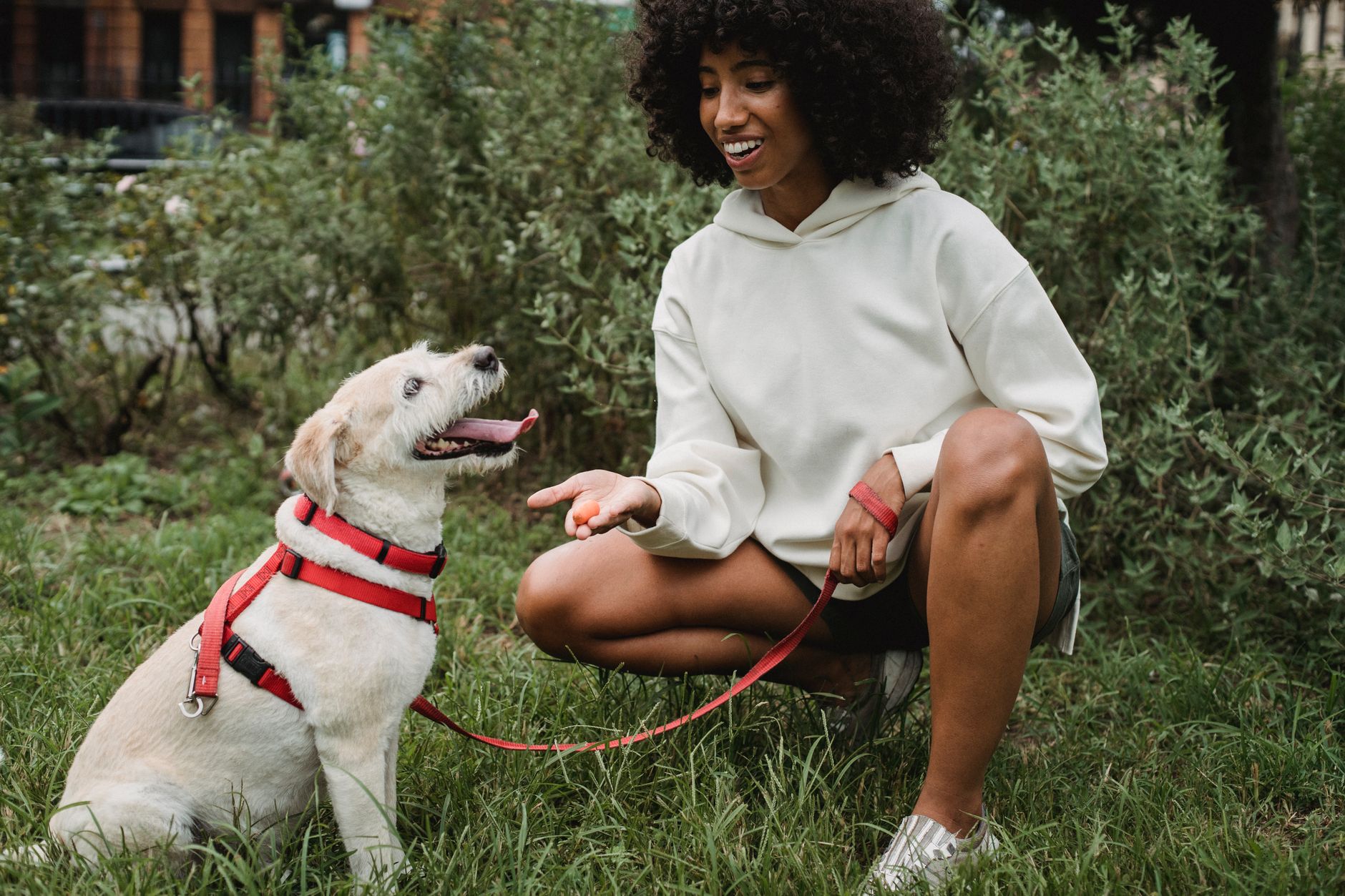
- Positive Reinforcement: This is the most effective method for puppy training. Reward your puppy with treats, praise, or toys when they perform the desired behavior.
- Keep it Short and Sweet: Puppies have short attention spans. Training sessions should be no longer than 5-10 minutes at a time.
- Consistency is Key: Use the same commands and hand signals consistently. This helps your puppy understand what you’re asking of them.
- End on a Positive Note: Always finish training sessions with a command your puppy knows well so they end with a feeling of success.
Common Mistakes to Avoid
- Punishment: Never punish your puppy for not understanding a command. This can create fear and anxiety, making training more difficult.
- Too Much, Too Soon: Don’t try to teach too many commands at once. Focus on mastering a few basic commands before moving on.
- Inconsistency: Using different commands for the same behavior can confuse your puppy.
- Ignoring Socialization: While command training is important, don’t neglect socialization. Expose your puppy to different people, dogs, and environments in a safe and controlled manner.
Socialization: A Crucial Component
Socialization is just as important as command training. Exposing your puppy to a variety of sights, sounds, smells, and experiences during this critical period will help them develop into a well-adjusted and confident adult dog.
- Safe and Controlled Exposure: Ensure all socialization experiences are positive and supervised.
- Variety is Key: Introduce your puppy to different people, dogs, environments, and sounds.
- Positive Associations: Pair new experiences with positive reinforcement, such as treats or praise.
What Commands Should My Puppy Know at 3 Months? A Review
Remember, focusing on sit, stay, come, and leave it provides the optimal basis for future learning. Consistent training sessions, positive reinforcement and socialization will help your puppy become a well-behaved and happy companion.
Frequently Asked Questions (FAQs)
What’s the best way to use treats during training?
Treats should be small and highly motivating. Use them to reward your puppy immediately after they perform the desired behavior. Gradually reduce the frequency of treats as your puppy becomes more proficient, replacing them with praise and affection.
How often should I train my puppy?
Short, frequent training sessions are more effective than long, infrequent ones. Aim for 2-3 short sessions per day, each lasting no more than 5-10 minutes.
My puppy gets distracted easily during training. What can I do?
Find a quiet environment with minimal distractions. Keep training sessions short and engaging. If your puppy loses focus, take a break and try again later.
What do I do if my puppy isn’t responding to a command?
Go back to basics and simplify the command. Make sure you’re using clear and consistent signals. If your puppy is still struggling, consult with a professional dog trainer.
Is crate training important at this age?
Yes, crate training can be a valuable tool for housebreaking, providing your puppy with a safe and secure den, and preventing destructive behavior. Introduce the crate gradually and make it a positive experience.
How do I teach my puppy “leave it”?
Start by placing a treat in your hand and closing your fist. When your puppy tries to get the treat, say “Leave it!” As soon as they stop trying, open your hand and let them have the treat. Gradually increase the difficulty by using more tempting items.
When should I start leash training?
You can start leash training as soon as you bring your puppy home. Introduce them to the collar and leash gradually, making it a positive experience. Start with short walks in a quiet area.
How can I prevent my puppy from biting or nipping?
Puppy biting and nipping are normal behaviors, but it’s important to teach your puppy that it’s not acceptable. When your puppy bites or nips, say “Ouch!” and stop playing immediately. You can also redirect their attention to a chew toy.
What’s the best way to socialize my puppy with other dogs?
Choose safe and controlled environments, such as puppy classes or supervised playdates. Make sure the other dogs are well-behaved and vaccinated. Closely supervise the interactions and intervene if necessary.
My puppy is having accidents in the house. What should I do?
Establish a consistent potty schedule and take your puppy outside frequently, especially after waking up, eating, and playing. Reward them immediately when they eliminate outside. Clean up accidents inside thoroughly to eliminate odors.
How do I stop my puppy from jumping on people?
Teach your puppy an alternative behavior, such as sitting, when greeting people. If your puppy jumps, turn away and ignore them until they calm down. Reward them when they have all four paws on the ground.
Is professional training necessary?
While not always necessary, professional training can be beneficial, especially if you’re struggling with specific behaviors or want to ensure your puppy receives a well-rounded education. A certified dog trainer can provide personalized guidance and support.
Remember, the key to success in What commands should my puppy know at 3 months? lies in patience, consistency, and positive reinforcement. Enjoy this special time with your new puppy and celebrate their progress along the way!